…….Goodnight Vienna‘
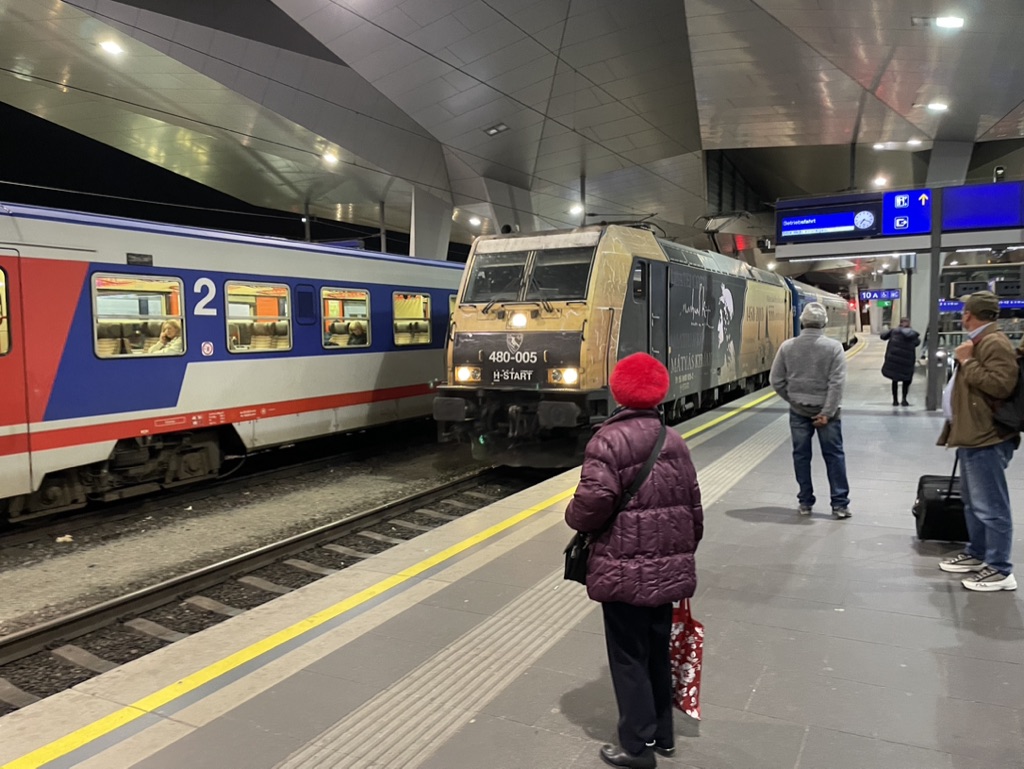
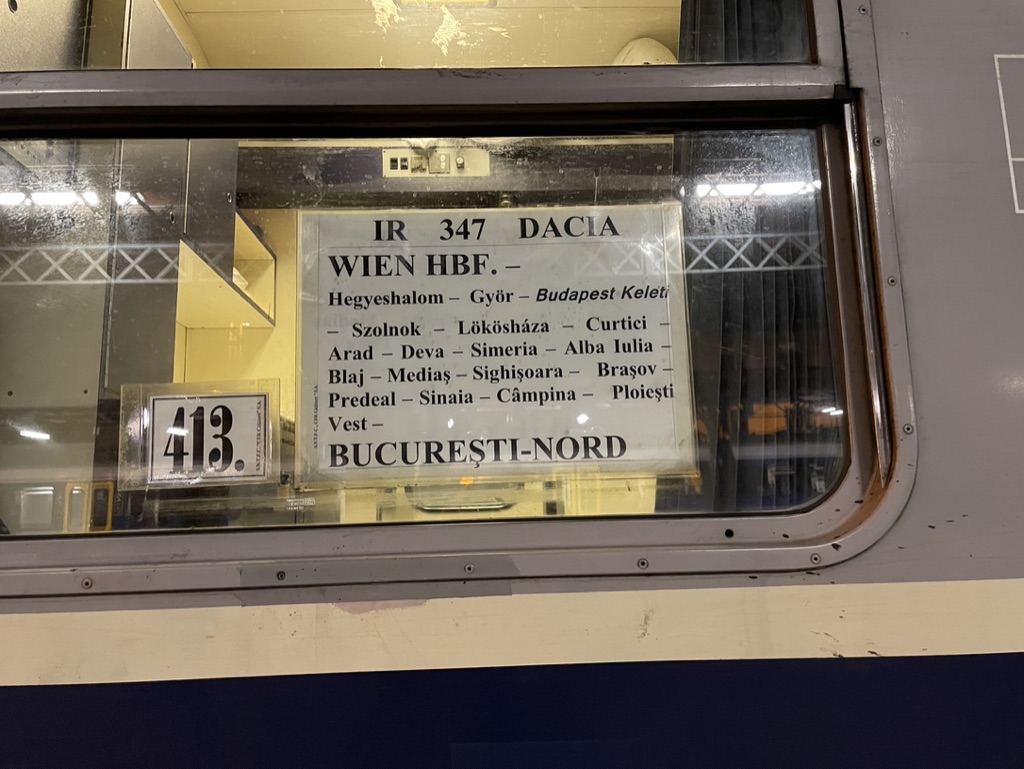
The wonderful experience of night ‘sleeper’ trains! So many aspects….. ours is an old train and therefore more like the reality of the original ‘Orient Express’ (which at one time followed the route into Romania). There are new travellers awed by the experience, others trying desperately to ensure they are allowed to travel …. And staff, used to all manner of difficulties trying to ensure everyone is reasonably comfortable. Now we trundle across the Hungarian Plain and will, I assume, be woken at around 02.30 for passport checks before and after entering Romania……..
WhatsApp
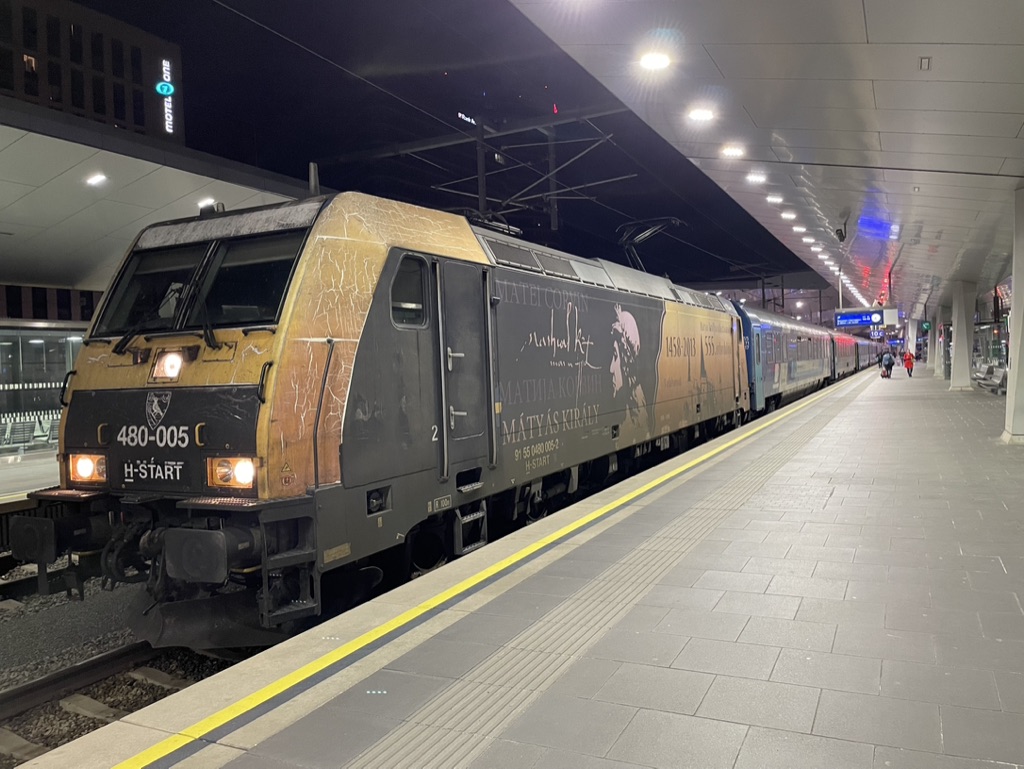
Into Hungary, through Budapest, across the Plain
& into Romania
…. as romantically described by WH Auden writing about the northbound Scottish express
“This is the night mail crossing the Border, …
Birds turn their heads as she approaches,
Stare from bushes at her blank-faced coaches.Sheep-dogs cannot turn her course;
They slumber on with paws across.In the farm she passes no one wakes,
But a jug in a bedroom gently shakes.”
Realisations :
Much of our journeying on the ‘No Kerosene Tour’ is through places where, in differing degrees, there is still a living consciousness of rapid & violent changes, of empires building and falling.
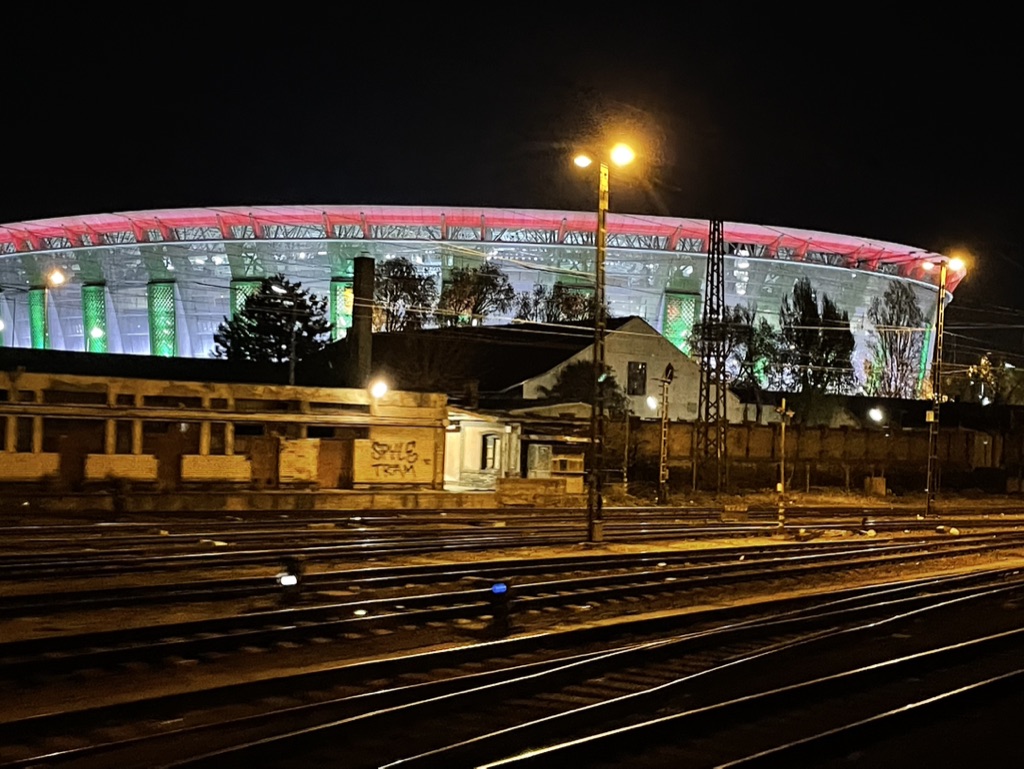
Ferencváros
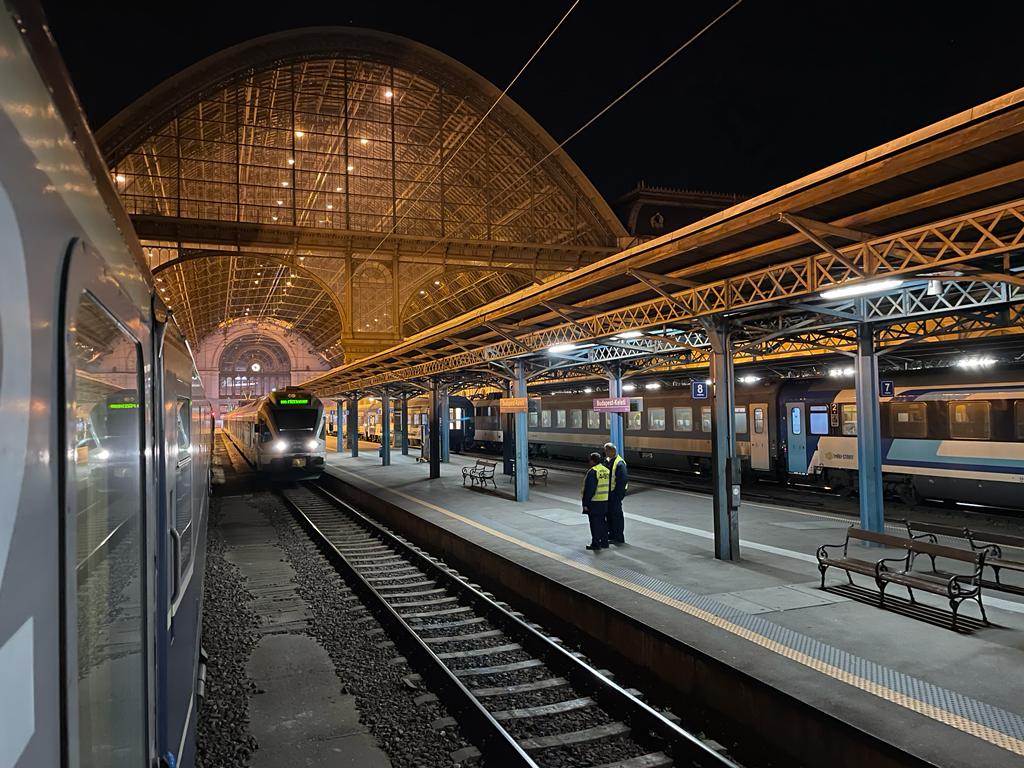
Budapest Keleti station
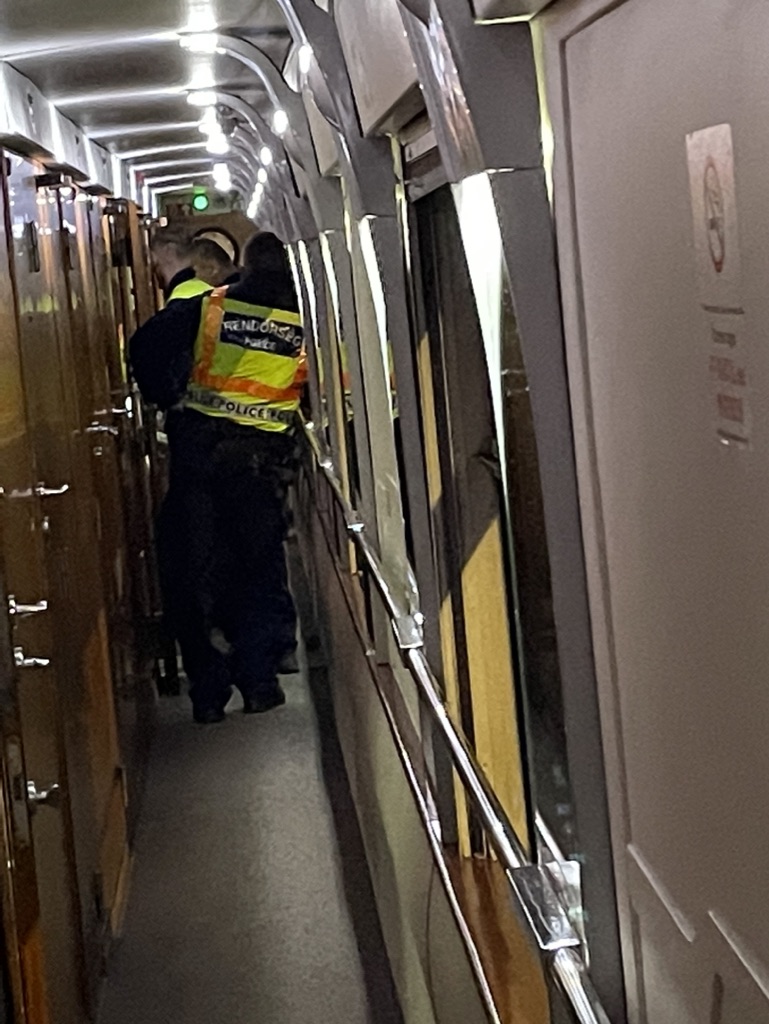
The Hungarian – Romanian Border…… leaving Schengen – passports examined and stamped
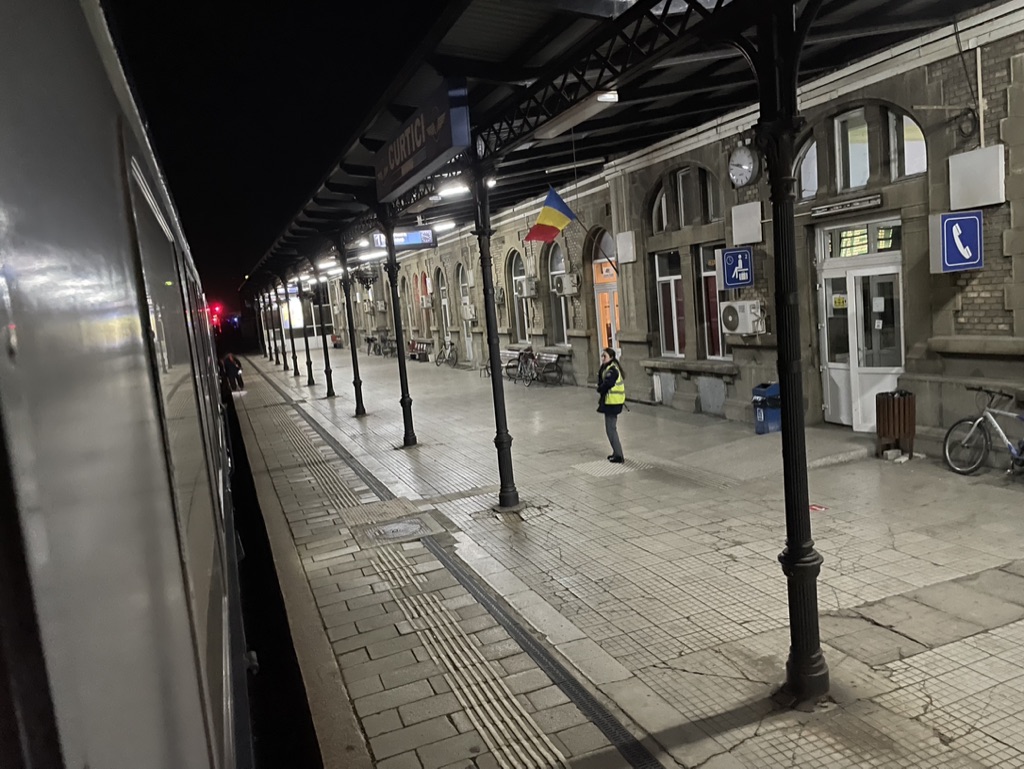
Friday 25th March Into Romania
Contrasts and Changes.
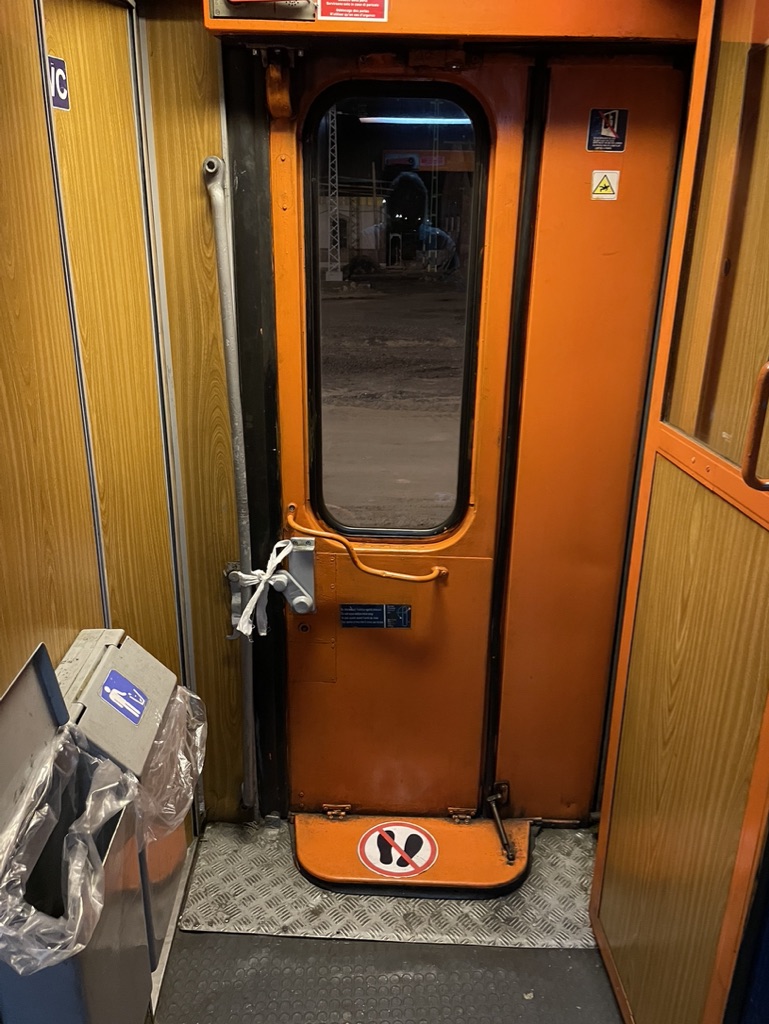
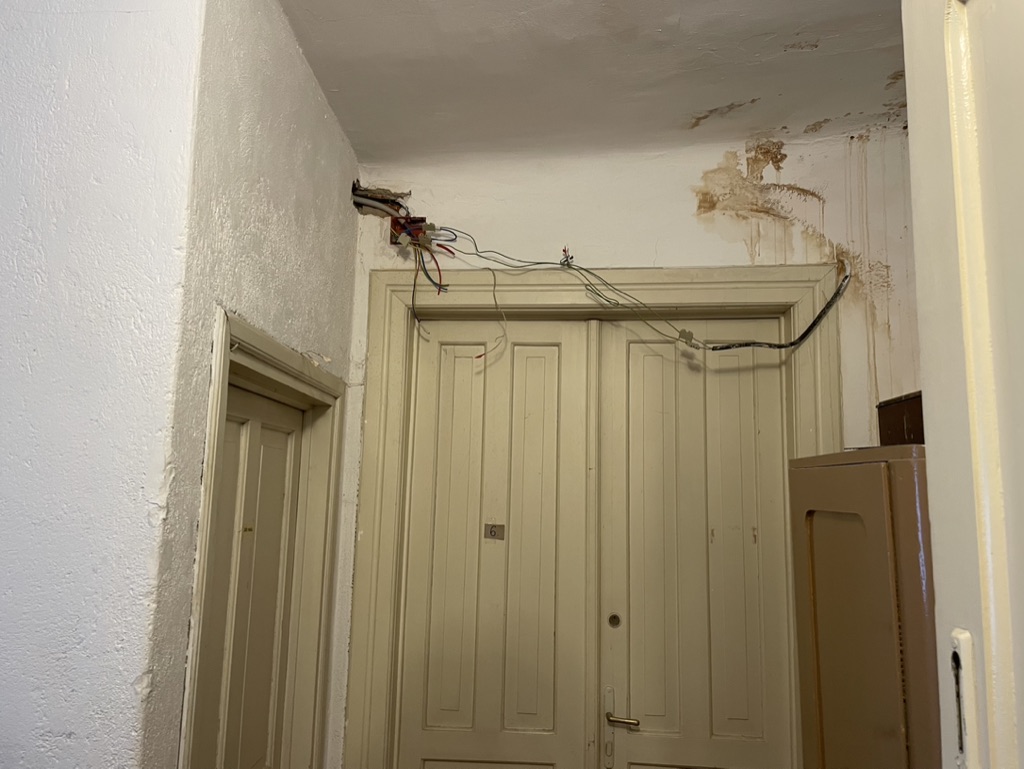
The Locked Door.
Though one may question the quality of the ‘locking device’ we accept that maybe (for whatever reason), this is the way they do things here.
Reflections emerging on a Journey.
Many people suggest that ‘travel broadens the mind’.
Not necessarily – in some cases it may simply confirm prejudice.
Wrap your Troubles in Dreams, And Dream your Troubles away
Ted Koehler / Billy Moll / Harry Barris
The Opportunities Then & Now
The No Kerosene Journey includes visits to our partners who shared EU funded projects. International meetings were brief & fleeting.
Now the focus is the journey linking places & friends – trains, some boats, no planes.
We travel, still only as passing observers but maybe able to absorb & understand a little more of ‘the Europe’ we have so frequently crossed at greater speed..
“And which of you with taking thought can add to his stature one cubit?”
Unanticipated:
The Retrospective Journey
A constant reflection on personal history – memories, places, people & society.
How much height, width, breadth or depth can be gained by reflection?
In 1966 I walked through East Berlin, in 1970 travelled through Yugoslavia & Bulgaria into Turkey. From 1990 working life became focused on territories that had re-established themselves as democracies & independent nations.
We leave Vienna, heading into and beyond Romania.
There is anticipation & excitement – simply because we are travelling into places & rapidly changing post-communist societies that we have known and enjoyed for many years.
Reflections are inevitable
Contexts:
At times we’ve been asked to explain our background experience from the ‘70s & ’80s & early ‘90s, especially to those under 40 years of age.
The observations, questions & discussions ‘underscore’ a key difference between Continental & Irish experience and that of the UK.
We become increasingly aware that almost all of the No Kerosene Journey is through nations that have, at some point in the C19th & C20th, been part of or overpoweringly influenced by members of the European ‘Great Powers’
(in the C19th these were Austrian Empire, France, Prussia, Russia, and Great Britain; in the C20th they became Germany, Russia, France & UK).
Our first sharp ‘eye-opening moment’ was in Narvik, Norway.
A comment about the railway line north of Trondheim – built by slave labour during the Nazi Occupation. This was followed, 2 days later, by seeing a memorial stone at Kemi station in Northern Finland – to Finnish nationalist volunteers who (1915-17) fled their Russian controlled lands to fight with the German Army: The Royal Prussian Jaeger Battalion number 27.
What a complexity – all within a 30 year span.
The first No Kerosene Journey was through the Netherlands, Denmark & Scandinavian and Nordic countries. Only Sweden retained a degree of independence during WW2.
Finland in the C18th was a Grand Duchy, first of Sweden then after warfare, Russian.
Finland became independent in December 1917 but had internal conflicts, ‘The Winter War’ with Russia & compromises with Nazi Germany, all in order to maintain its status. Since WW2 a policy of carefully balanced ‘Realpolitik’ applied. Putin’s invasion of Ukraine changed this & Finland is now in NATO. The Swedish language is one of the official State languages and 30,00 Russian citizens live in the country.
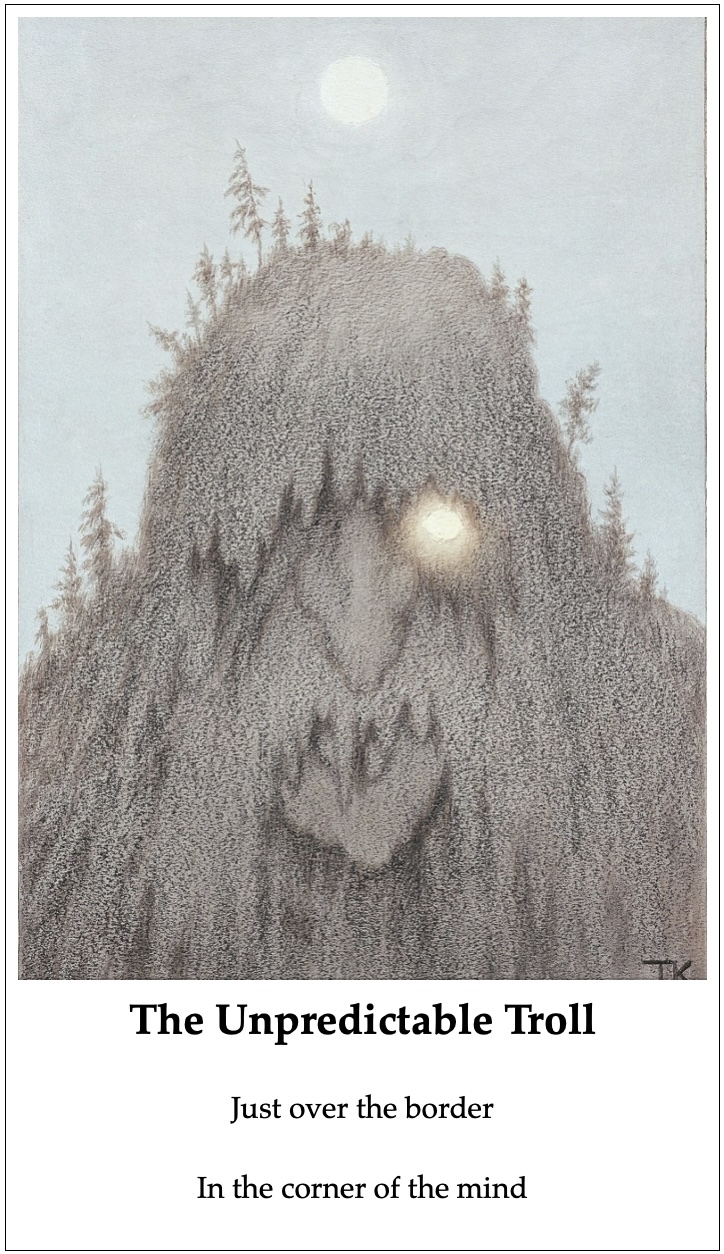
Until near the end of C20th Europe was divided by an Iron Curtain.
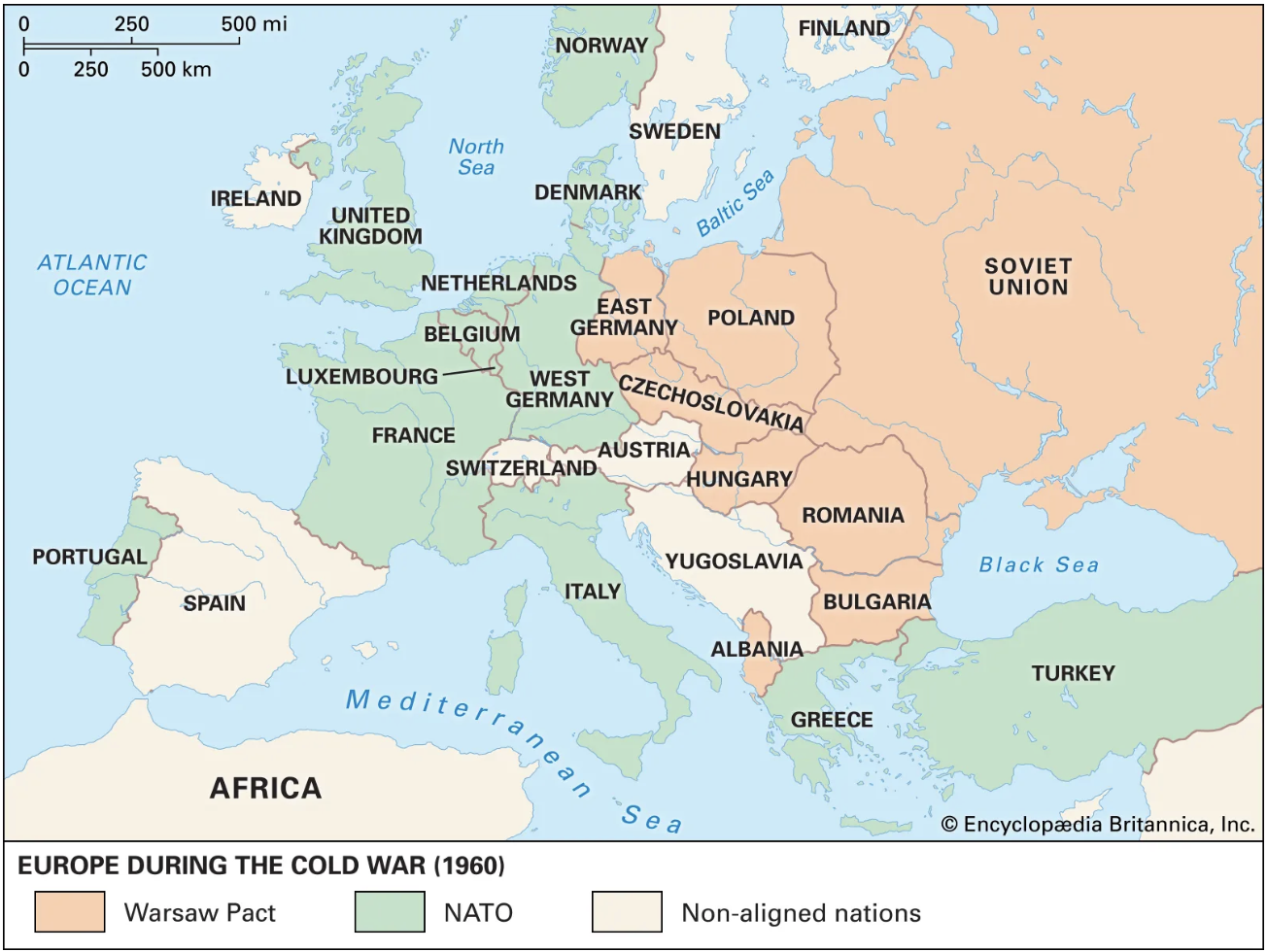
This fractured in 1989 & as well as allowing travel ‘out’ we were able to travel ‘in’….. freely, to all of Central & Eastern Europe.
Events that had occurred & engaged us in ‘The West’ could be openly discussed within the countries concerned.
The 2nd No Kerosene Journey criss-crosses countries that have been satellites of Russia.
Vienna and Budapest are the most significant ‘nodal points’ on our travels.
In Central and Eastern Europe the changes after WW2 & despite resistance, were profoundly significant (and damaging) for the development of local society.
There was resistance
As a child I remember the Hungarian Uprising of 1956.
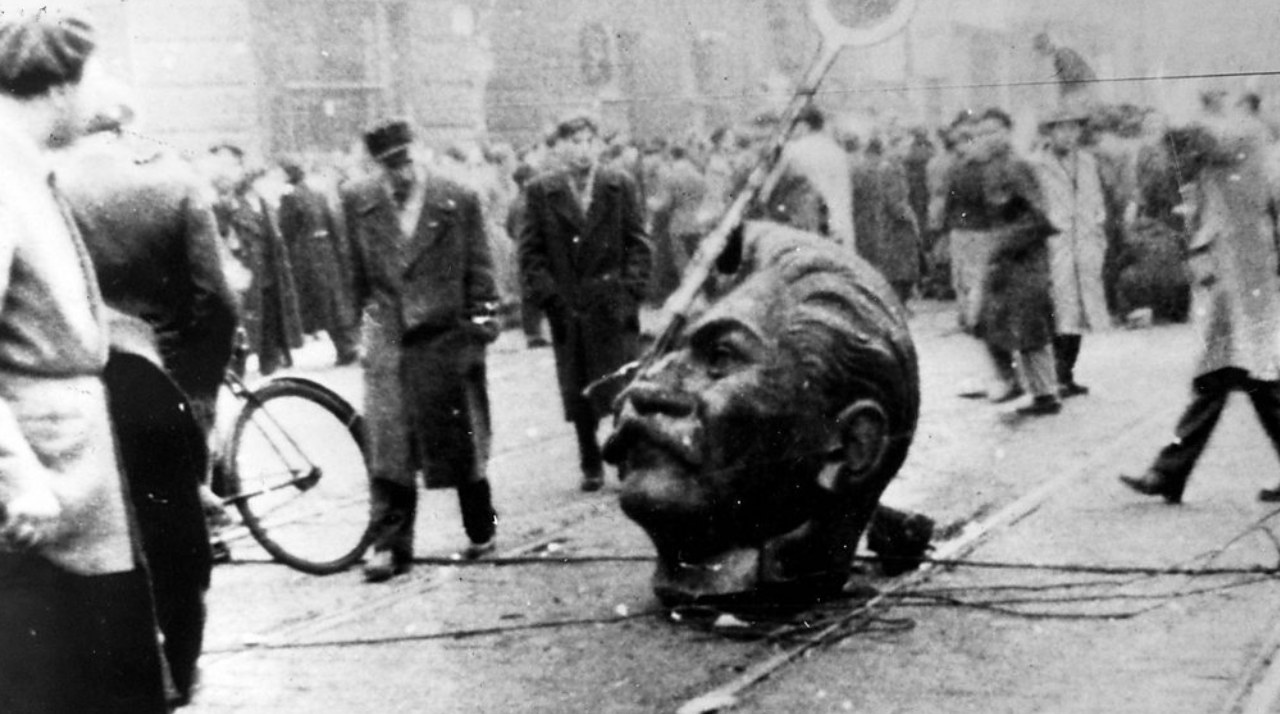
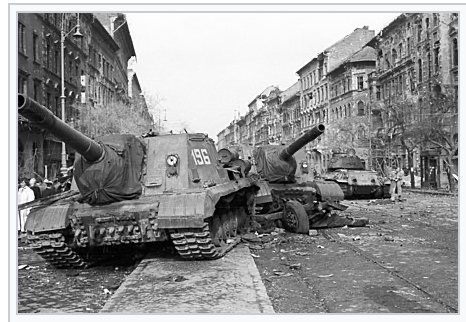
In 1968, during the Prague Spring, as a student at college in the UK I met students from Czechoslovakia on a specially organised tour of UK
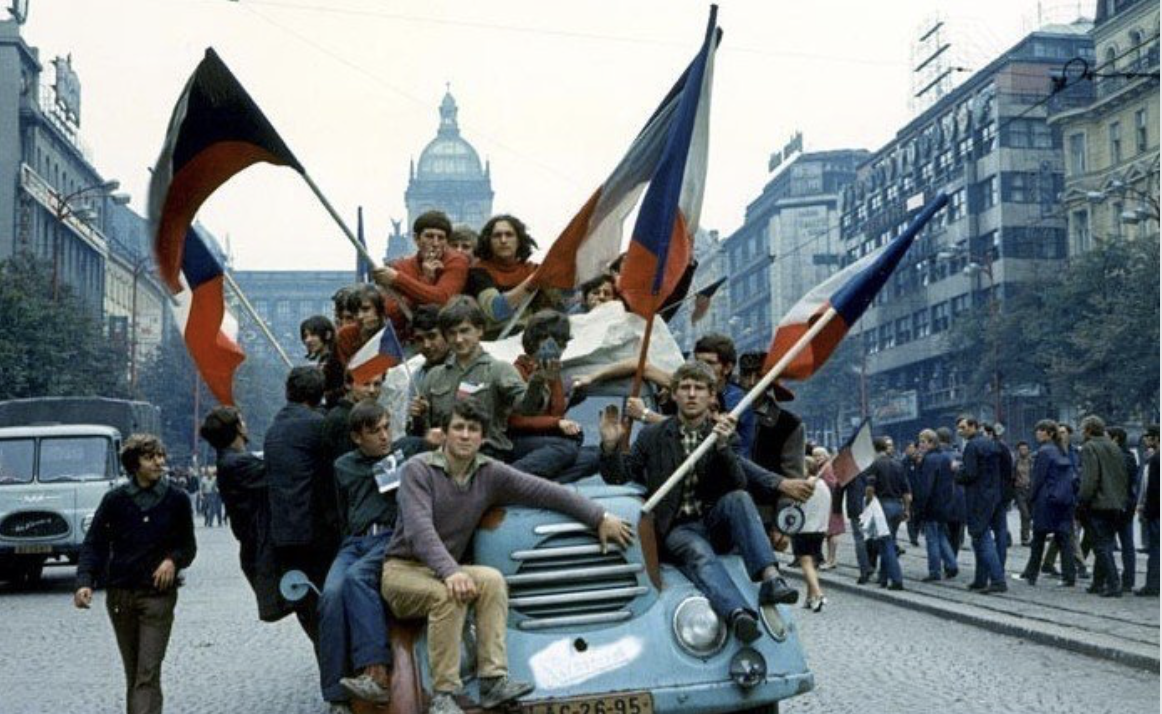
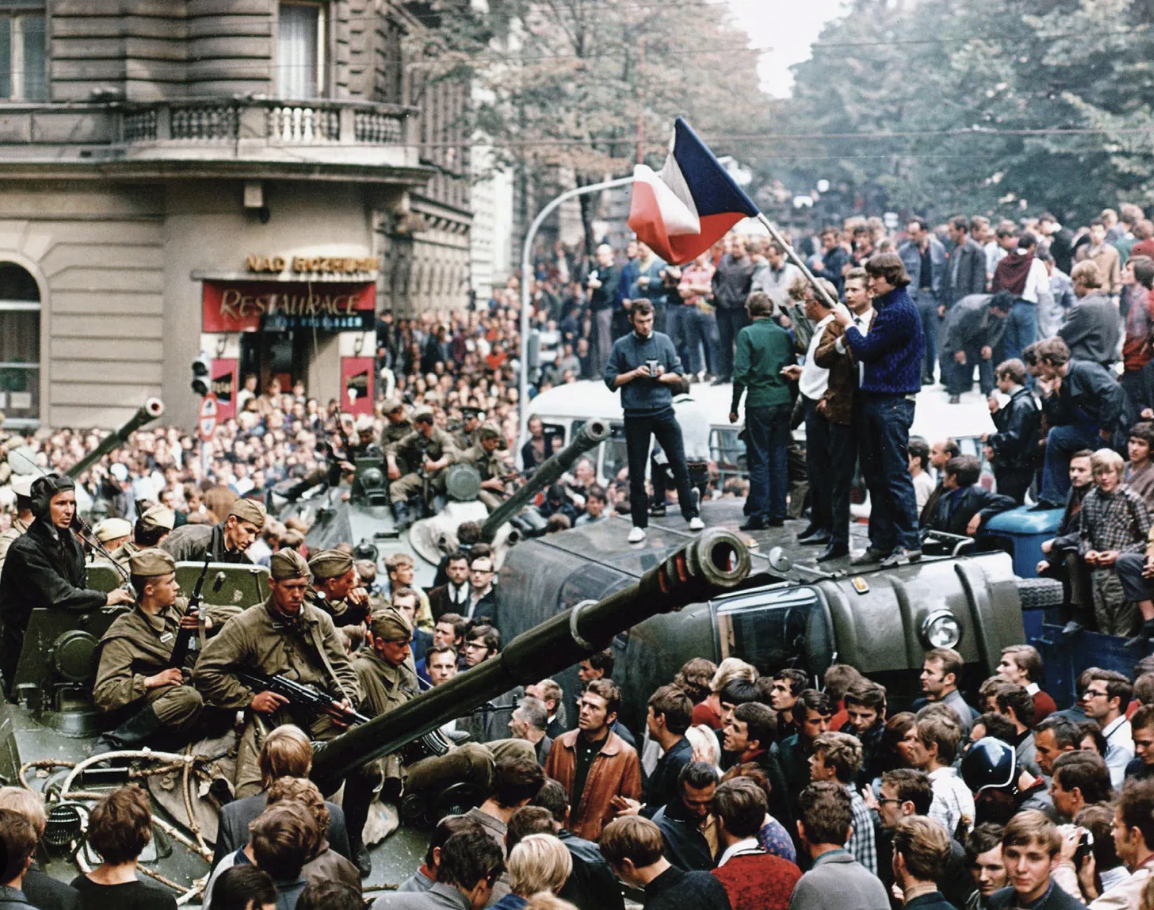
…..& was in a Youth Hostel in The Hague when on 20th August Russia, ‘the Warsaw pact’, invaded.
I sat watching the hostel TV, shocked & horrified alongside 2 Czechoslovak students & next day went with them to try and find more information. We remained in contact for some years but it was then lost.
[By chance I happened to write the above on the 55th anniversary of the invasion]
Travelling through Central & Eastern Europe during a ‘Time of Change’.
An Enduring Fascination
Over 30 years of working with societies shaped by totalitarianism (a form of ‘Coercive Control Conspiracy’) controlled & managed by Russia & its ‘lick-spittles’ in a series of satellite nations.
‘Its not Russia but communism that deprives nations of their essence, and that, moreover, made the Russian people its first victim… its not because Russians themselves want to Russianize’ the others; its because the Soviet bureaucracy – deeply a-national, antinational, supranational – needs a tool to unify its state.’
‘A single Soviet people’
Milan Kundera: A Kidnapped West (1983)
Kundera’s view is not as easy to accept in 2023.
This may have been a reasonable explanation 50 years ago but the present intentions of the Russian leadership are for re-establishment of their territorial past (pre-1989)
The seemingly supine attitude of the majority of the Russian nation suggest that these more expansionist colonial attitudes, once common to most European nations, continues to be deeply embedded in the nation.
“It is a land where the population obediently lays its head on the executioner’s block, sighing that, of course, the tsar knows best.”
Mikhail Shishkin
A Solitude of Collectivism
The damage created by imposition of false principles (‘lies’ as a Russian once told me) was considerable & the impacts are still considerable.
The State controlled everything, economic, commercial, social – individuals were to shape themselves into ‘perfect’ citizens, collectivised members of a Glorious Nation.
‘The State’ was everything – anything other was aberration.
‘You [‘westerners’] are rich because your government gives you more money’.
(This complaint was made to me by a Romanian as an explanation of their low incomes….and though it was intended literally – ie direct ‘hand-outs’, there is an underlying truth in that ‘States’ decide how their acquired finances are distributed through a vast range of services, structures & security.)
Even those who clawed their way through the fetid corrupted system (suppressing important aspects of ‘decent humanity’ in themselves) & gained the material benefits that accompanied power, were trapped – deviation from Soviet ideology was dangerous.
In extreme form it creates
Isolation.
- Suppress internal desire,
- Grab whatever can be taken as it passes by.
- Close the doors (physical & mental),
- hide.
A Society of Solitudinous Beings, shuffling through life as best as possible.
In Romania this situation had its own particular ‘flavour’:
Ceaucescuism, Grown in a Byzantine Culture
……a strange variant of the Sovietised system more related to that of North Korea, than that of its immediate neighbours.
… And trying to understand that ‘variation’, first encountered in 1990, continues to ‘beguile’.

……………………………
The experiences we have shared with groups across these ‘Recovering Lands’ has been very valuable. The experiences & contacts have been literally ‘Life-Changing’ & helped us gain some understanding of the societies we visited & through contrast, our own society.
Wonderful moments & real friendships – but inevitably many errors of judgement.
At times the conceptual differences were insurmountable… and apparent developments of understanding became revealed as mirages.
Assistance is (still) regularly requested – but what real use have we ever been?

Romanian sunrise
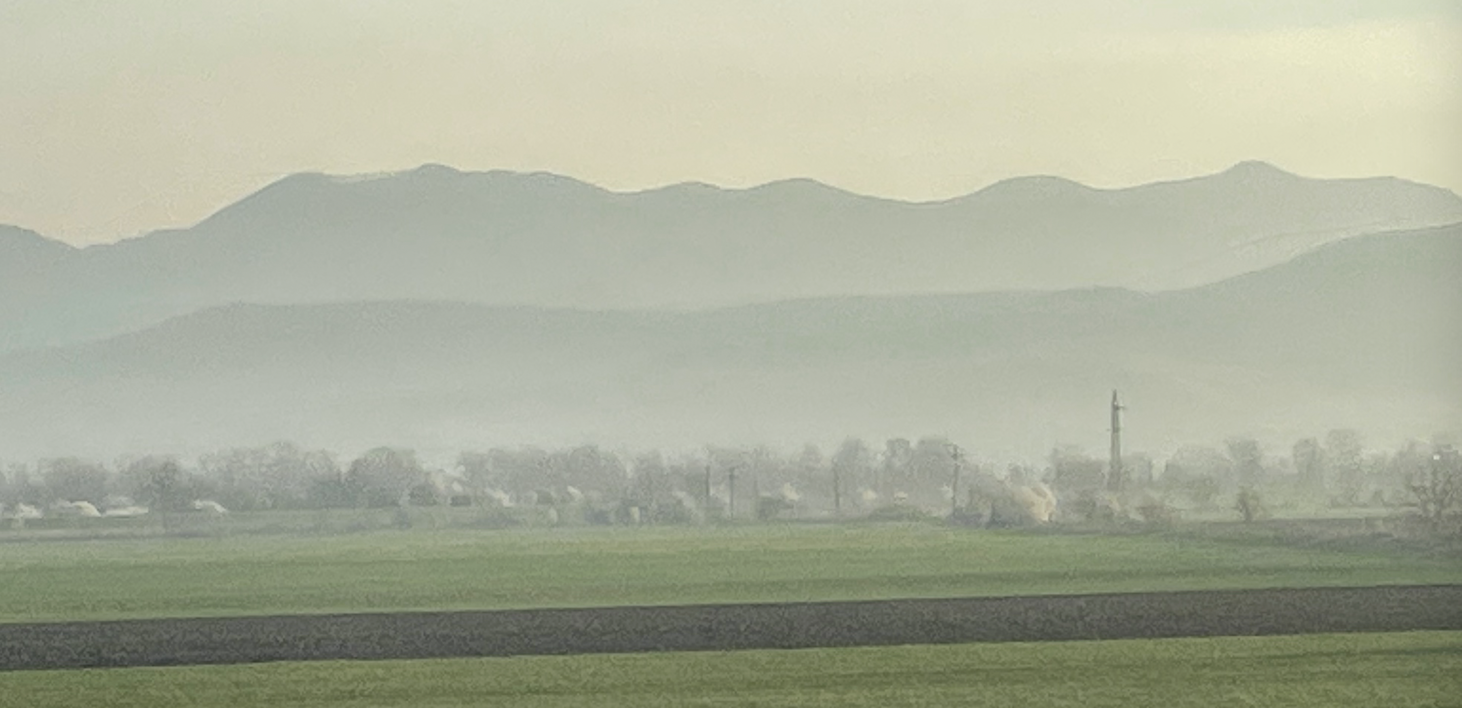
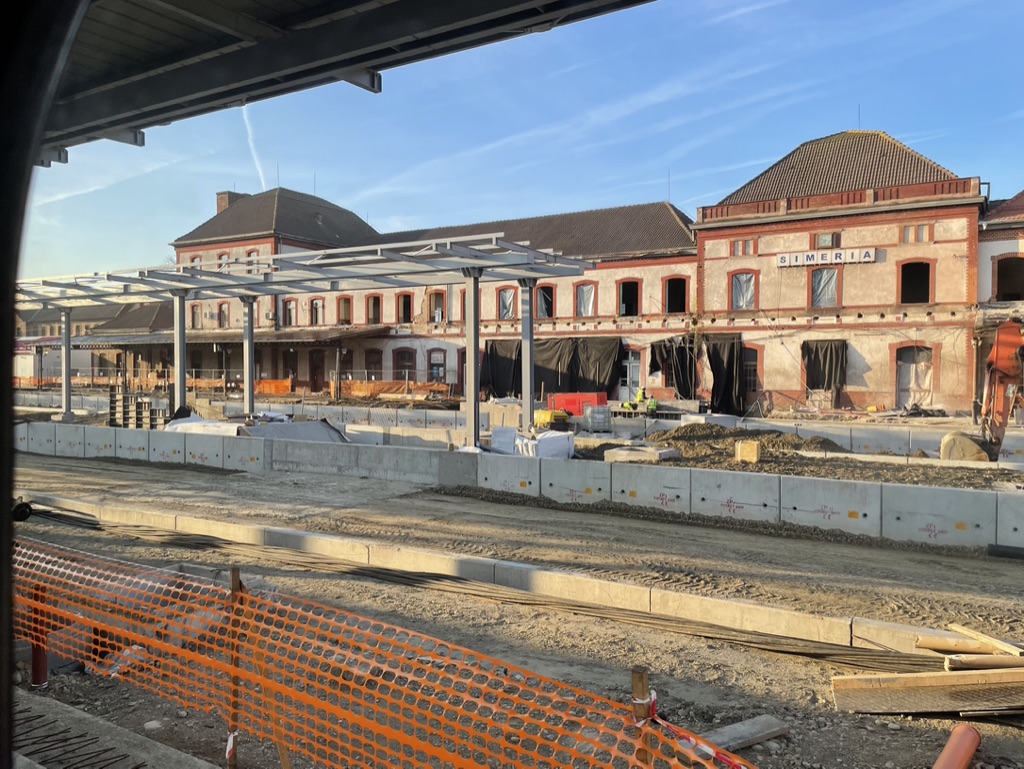
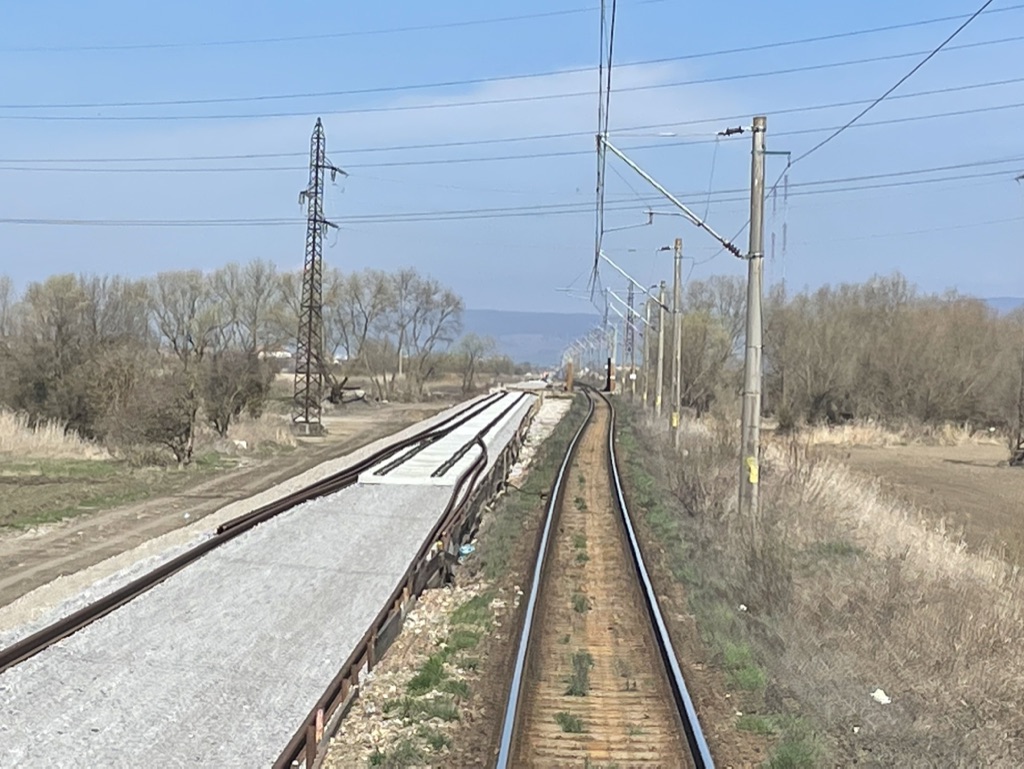
To become a familiar sight in RO & BG – reconstruction of railway (later than other ex-communist countries)
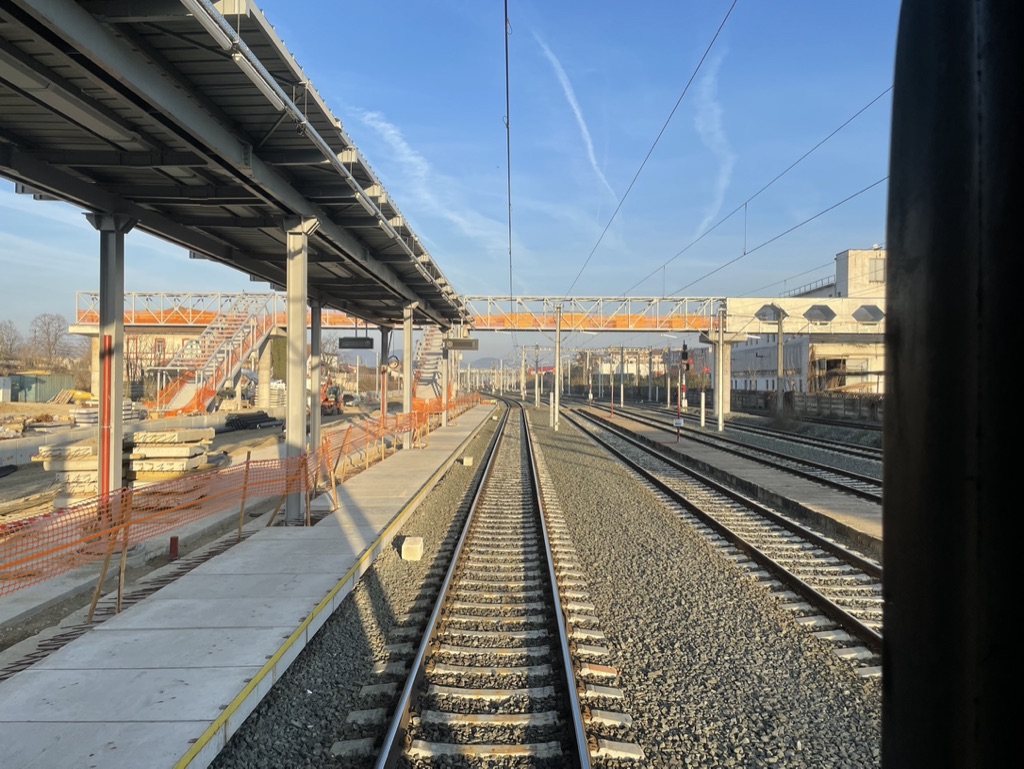
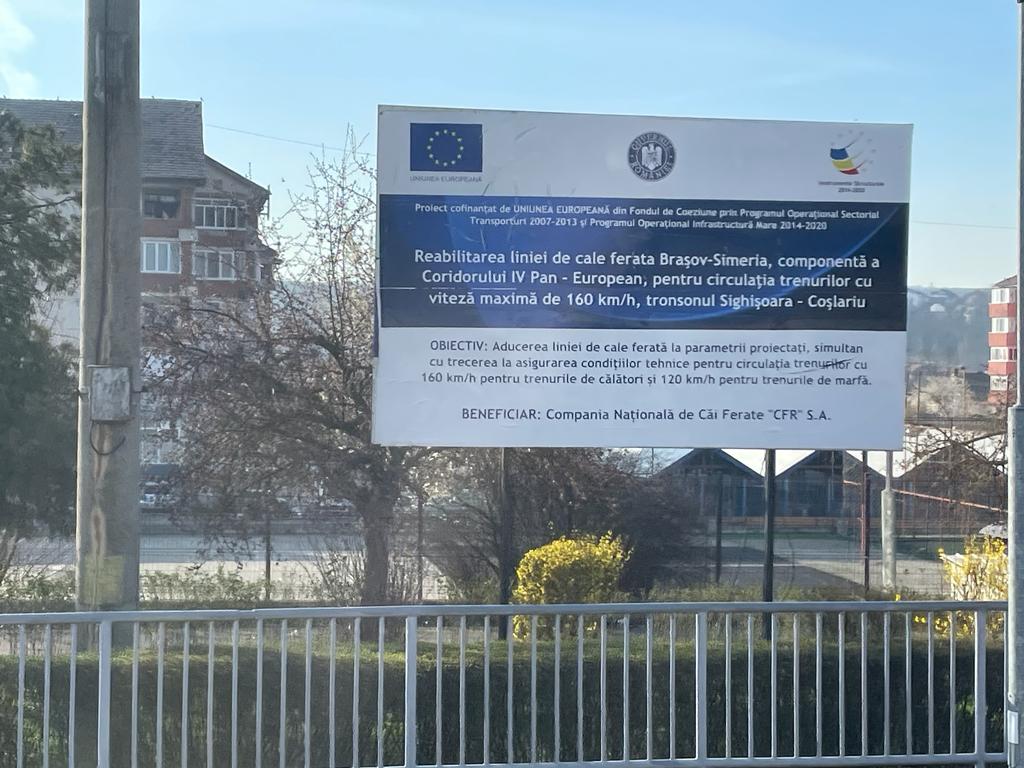
‘Behold… all things new’. The train now speeds into Transylvania…. An EU funded TEN (trans European Network) project. A successful attempt at overcoming one of Romania’s great travel difficulties …. ‘Mountains’.
WhatsApp
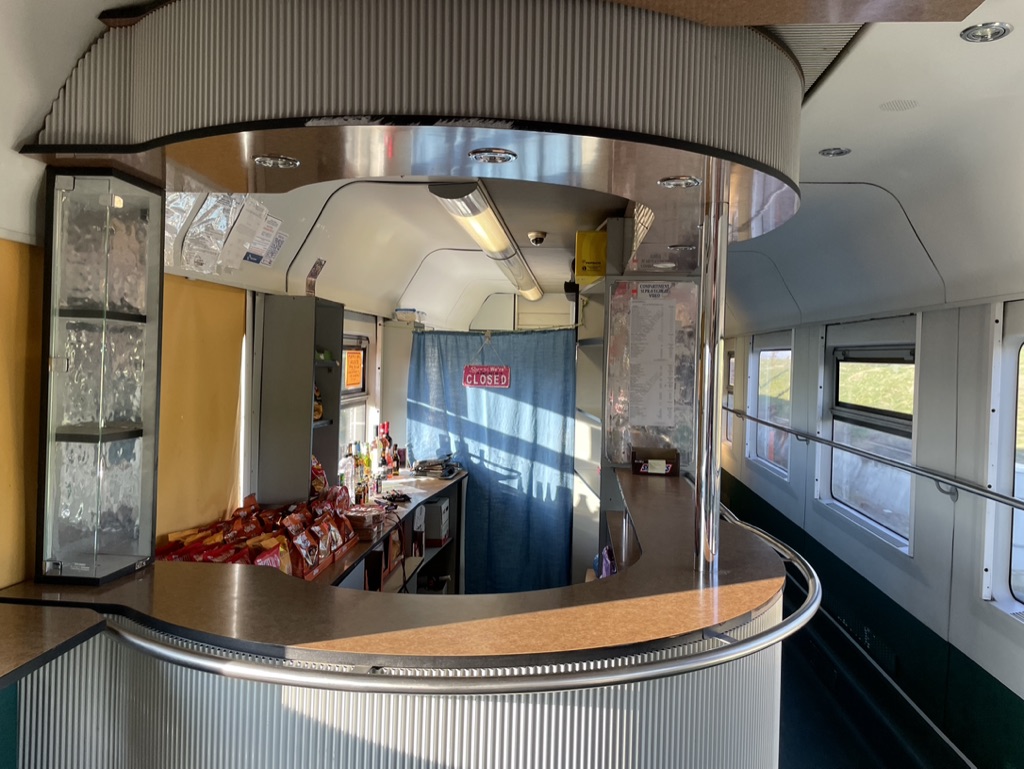

change and decay in all around I see
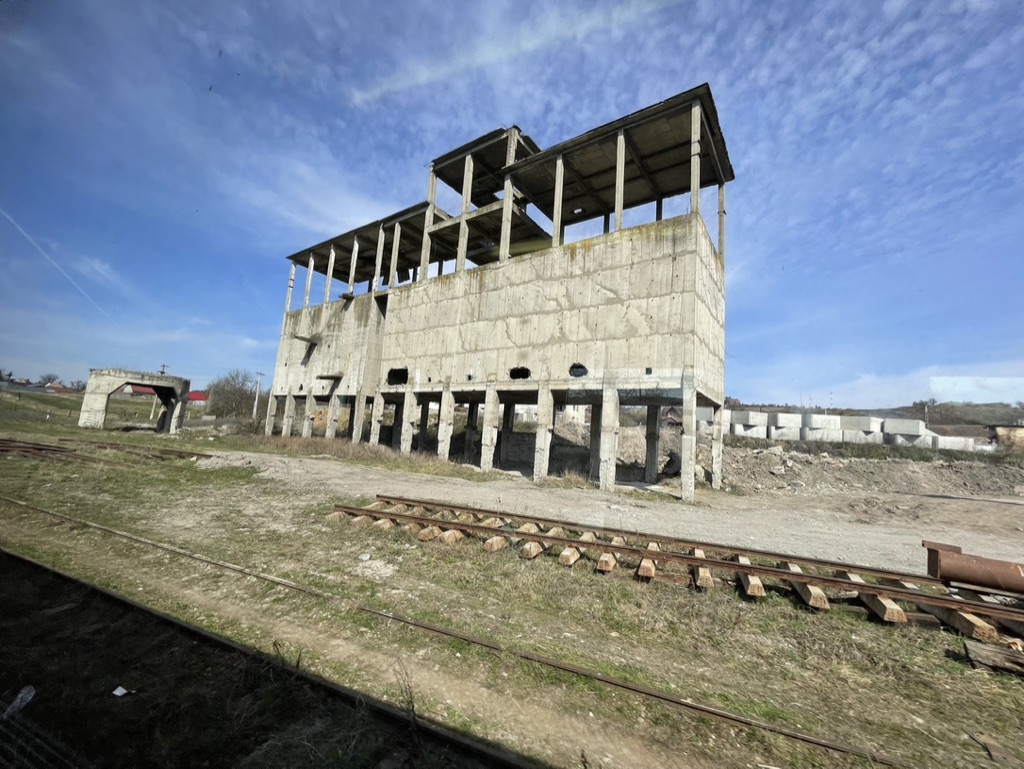
There seems to be no ‘culture of tidiness’…… but this is changing as new structures are being created
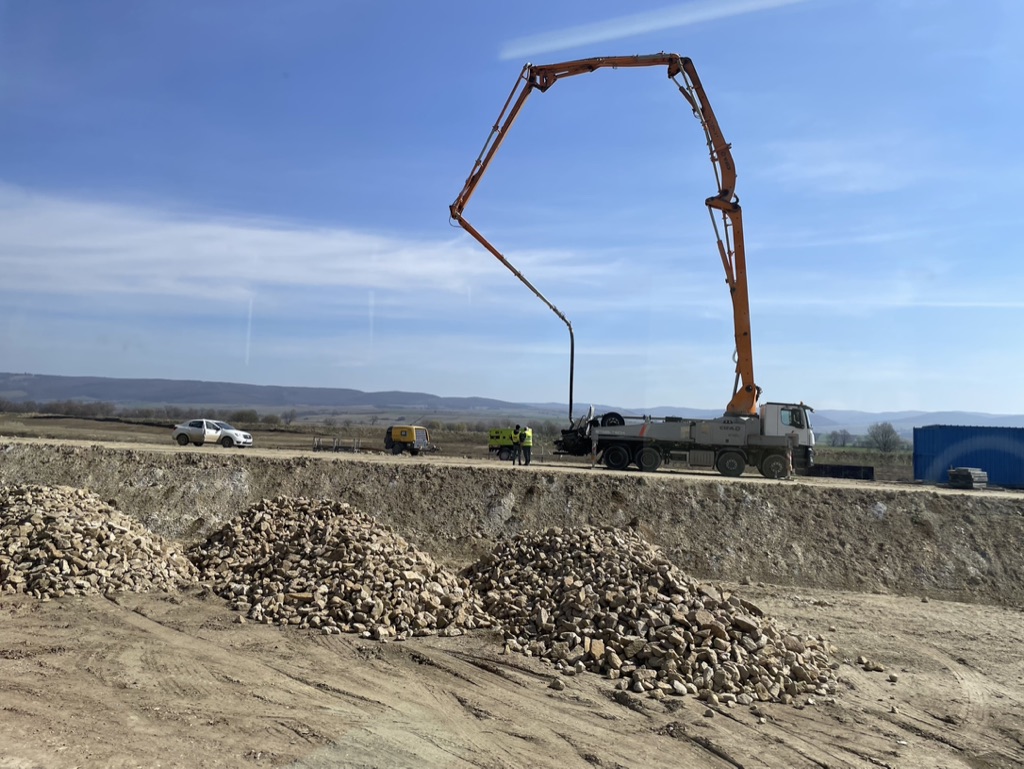
The railways line to Bucuresti is being reconstructed.
Transylvania became part of Romania after World War 1.
Historically it was a Hungarian & Hapsburg possession. Their influence has been (and remains) very significant. The majority Romanian speaking population was primarily rural. Towns and cities had more western influences – in style, culture & religion.
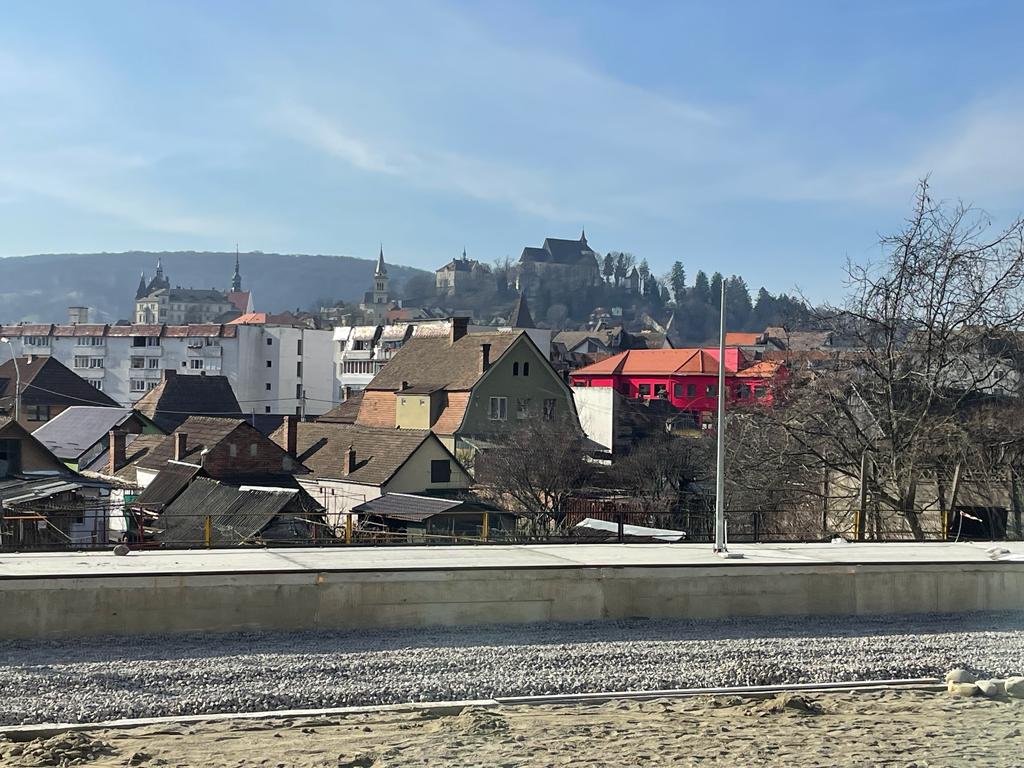
Sighisoara. One of the finest traditional medieval German style towns in Europe. It was the first place we stayed in when we drove to Romania in 1990. We were hosted by a Unitarian family who lived near the station.
Our kids stood on the station platform when this train (‘The Dacia’) arrived and foreign travellers threw sweets out for them thinking they were ‘poor’ Romanian locals! They were somewhat amazed (but eat the sweets)
Response:
No we didn’t. We gave them to the hosts we stayed with
WhatsApp
Brasov was built as a fortress and settled by German speakers
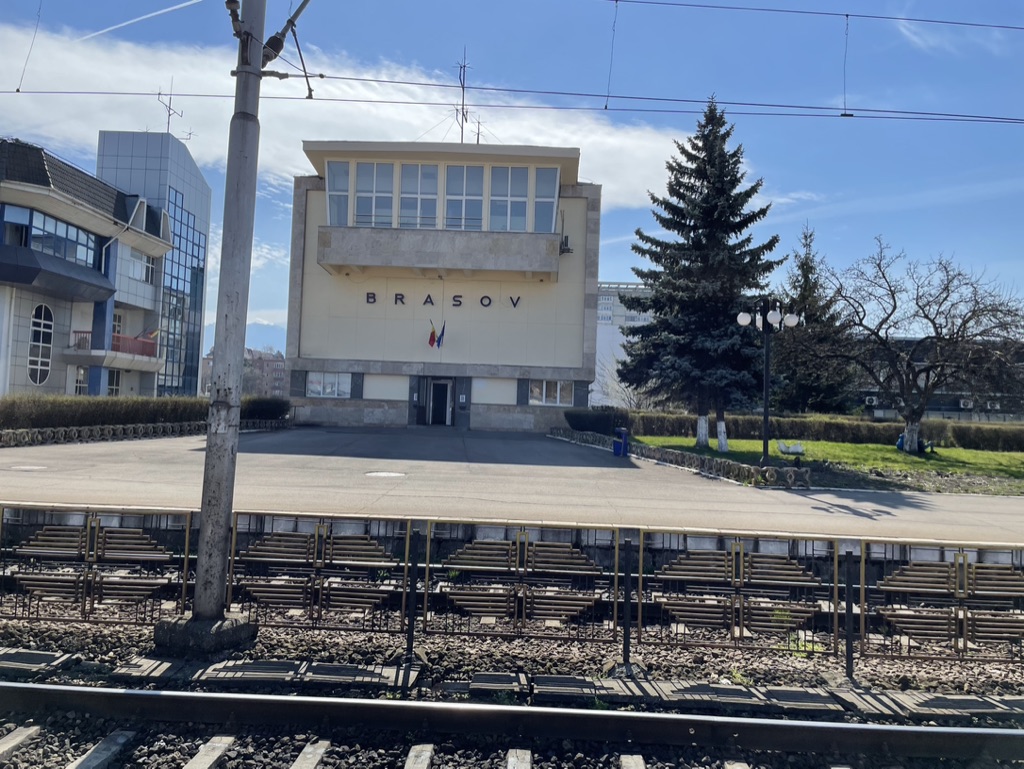
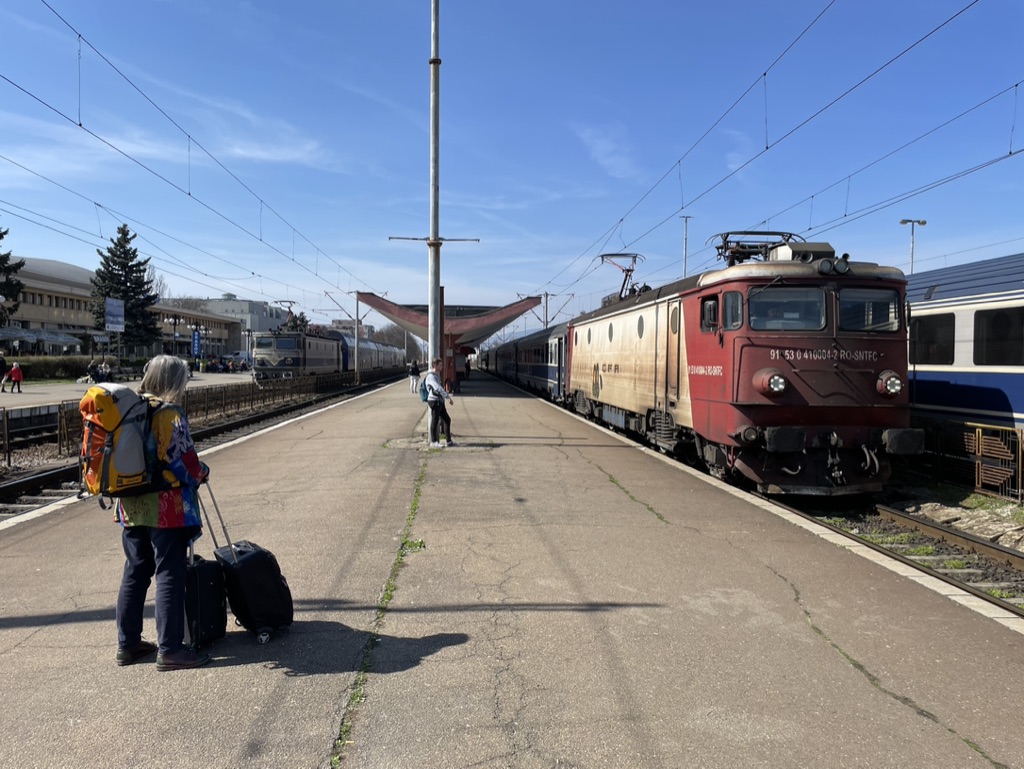
Walking into Brașov
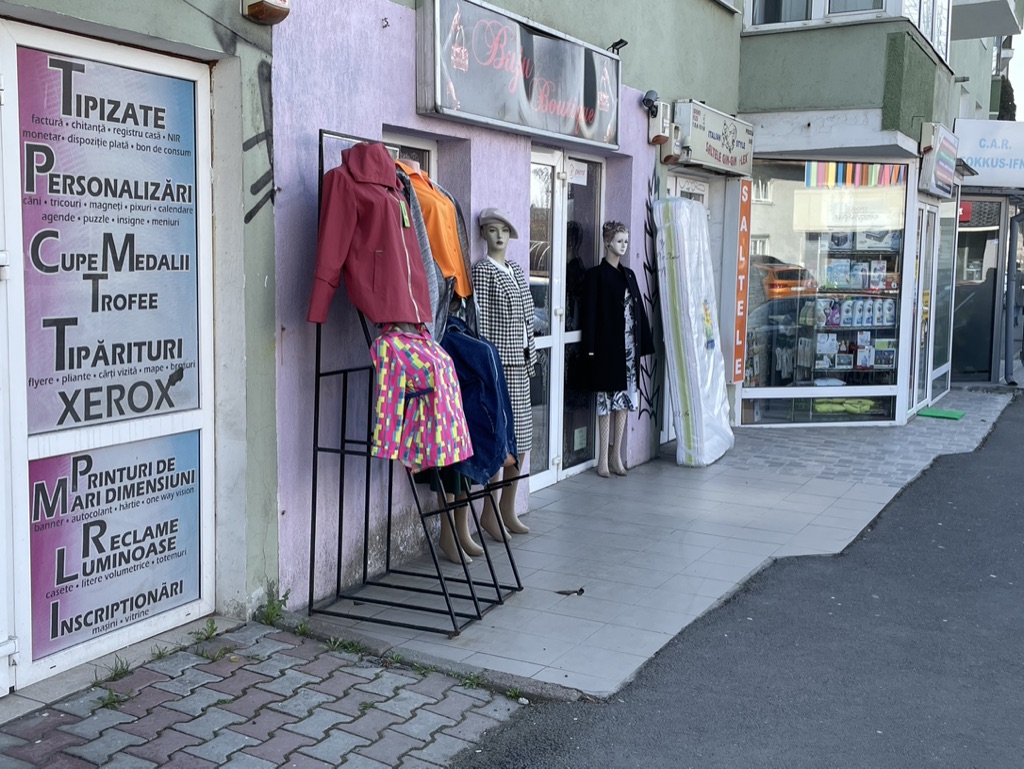
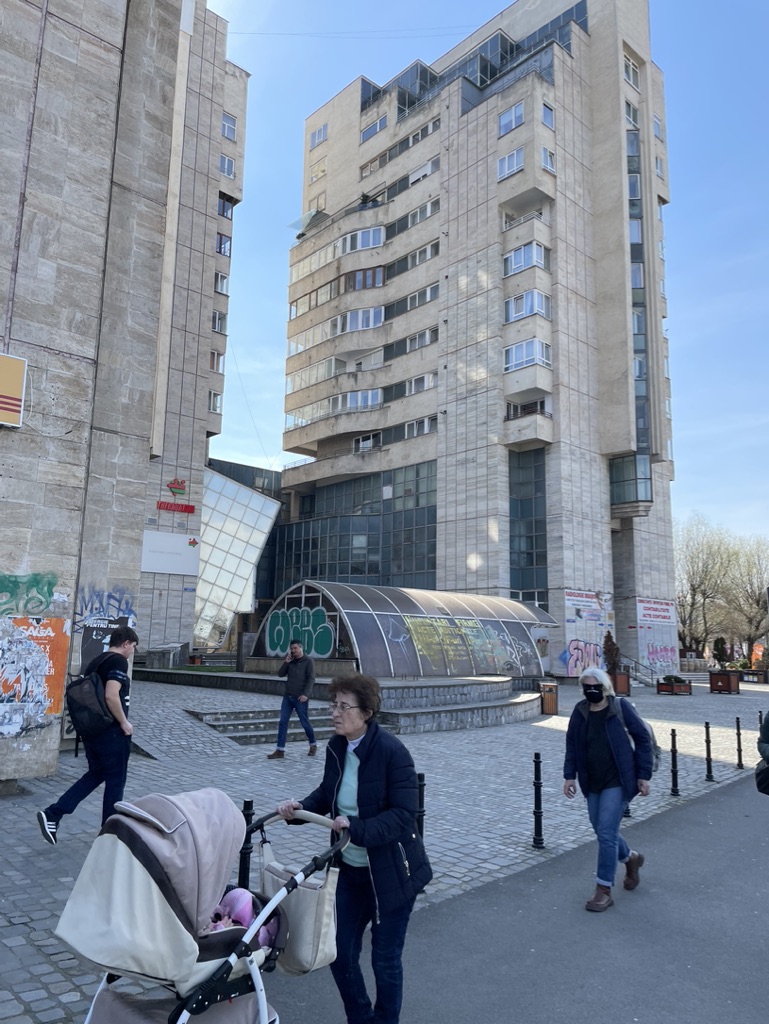
Old Style
New Style (a shopping Mall)
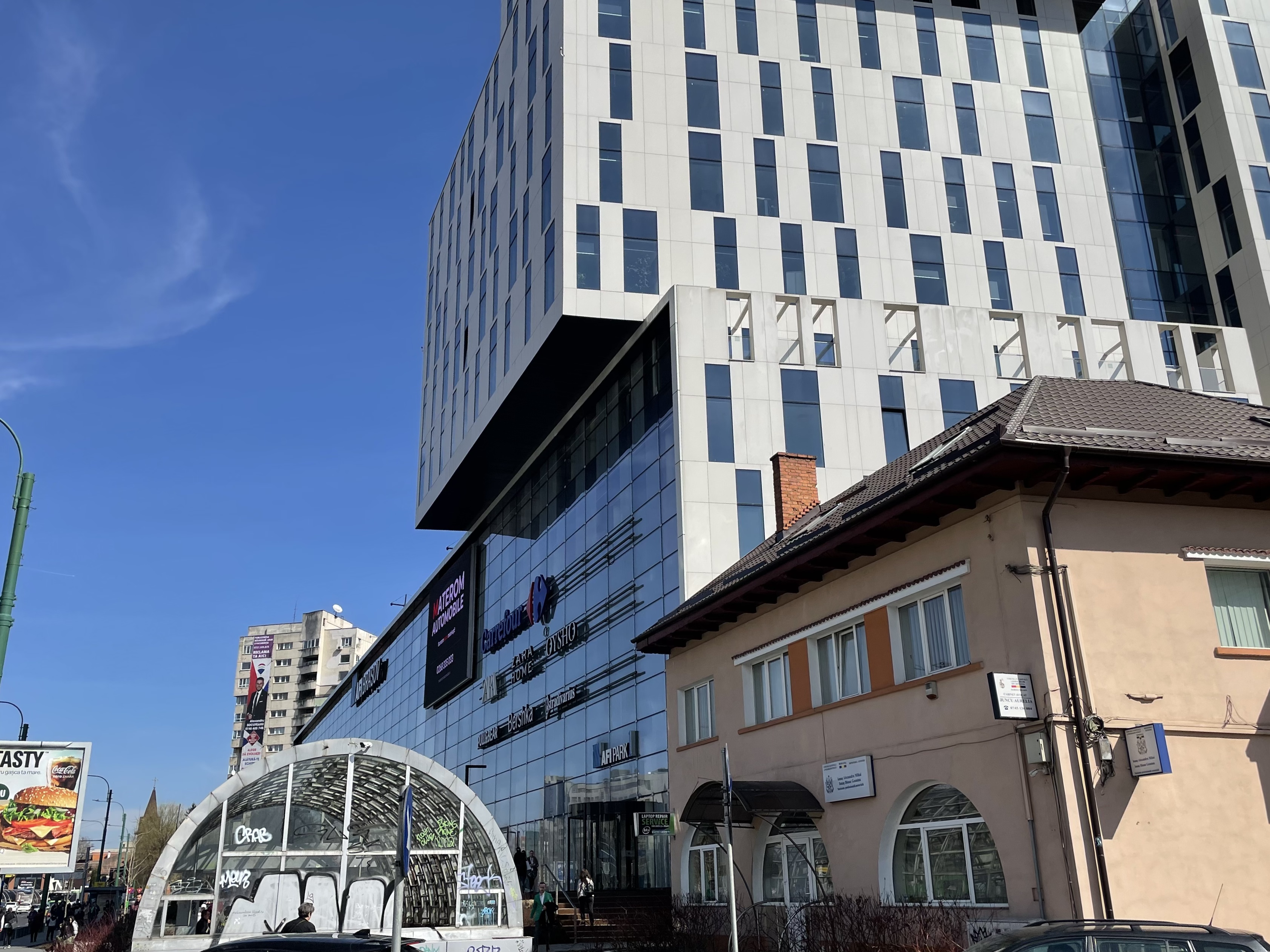
Quelle Différence?
The juxtaposition is valuable.
Our accommodation
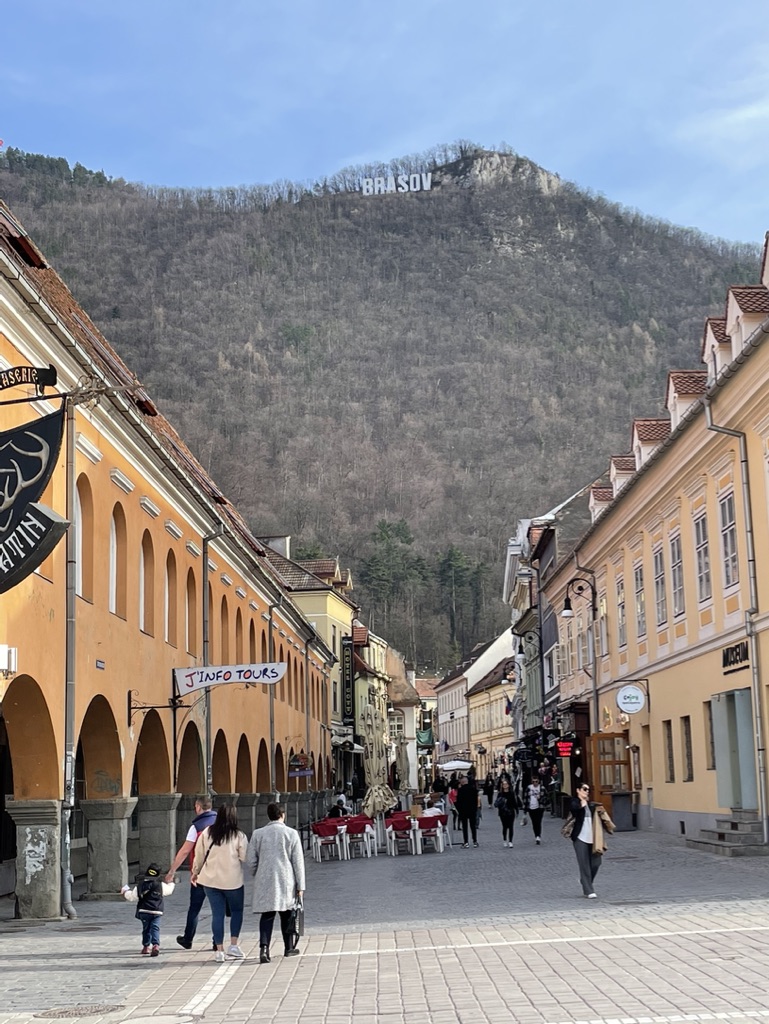
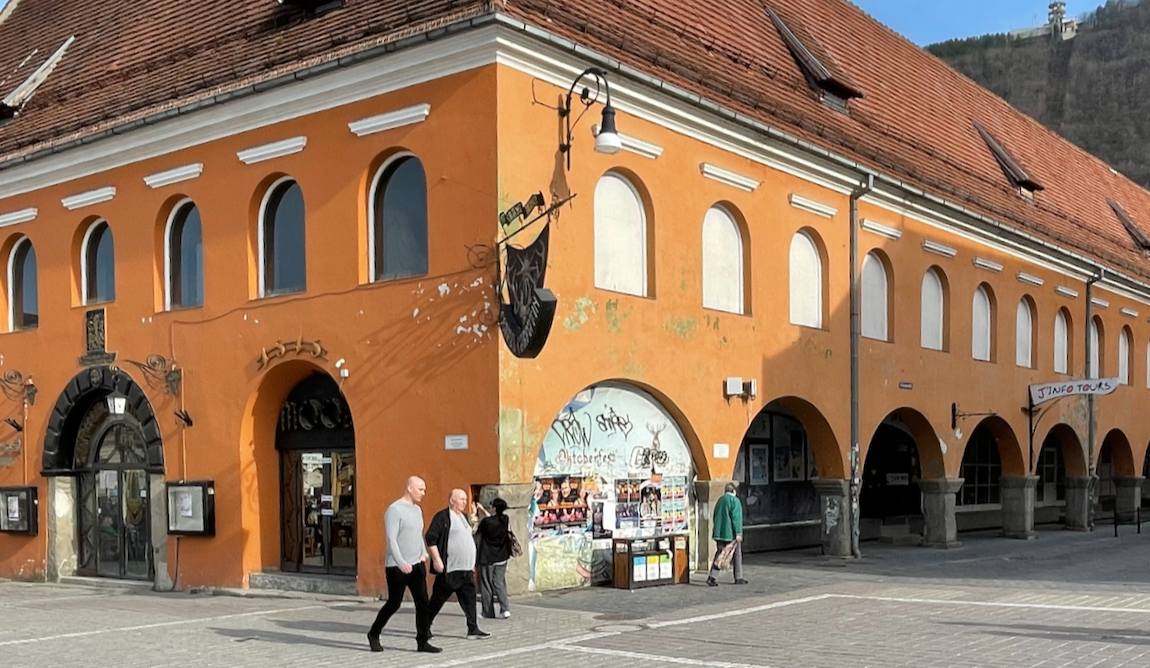
The city has a very active cleaning service – almost no rubbish (this was also true of other cities), considerably better than many other countries.
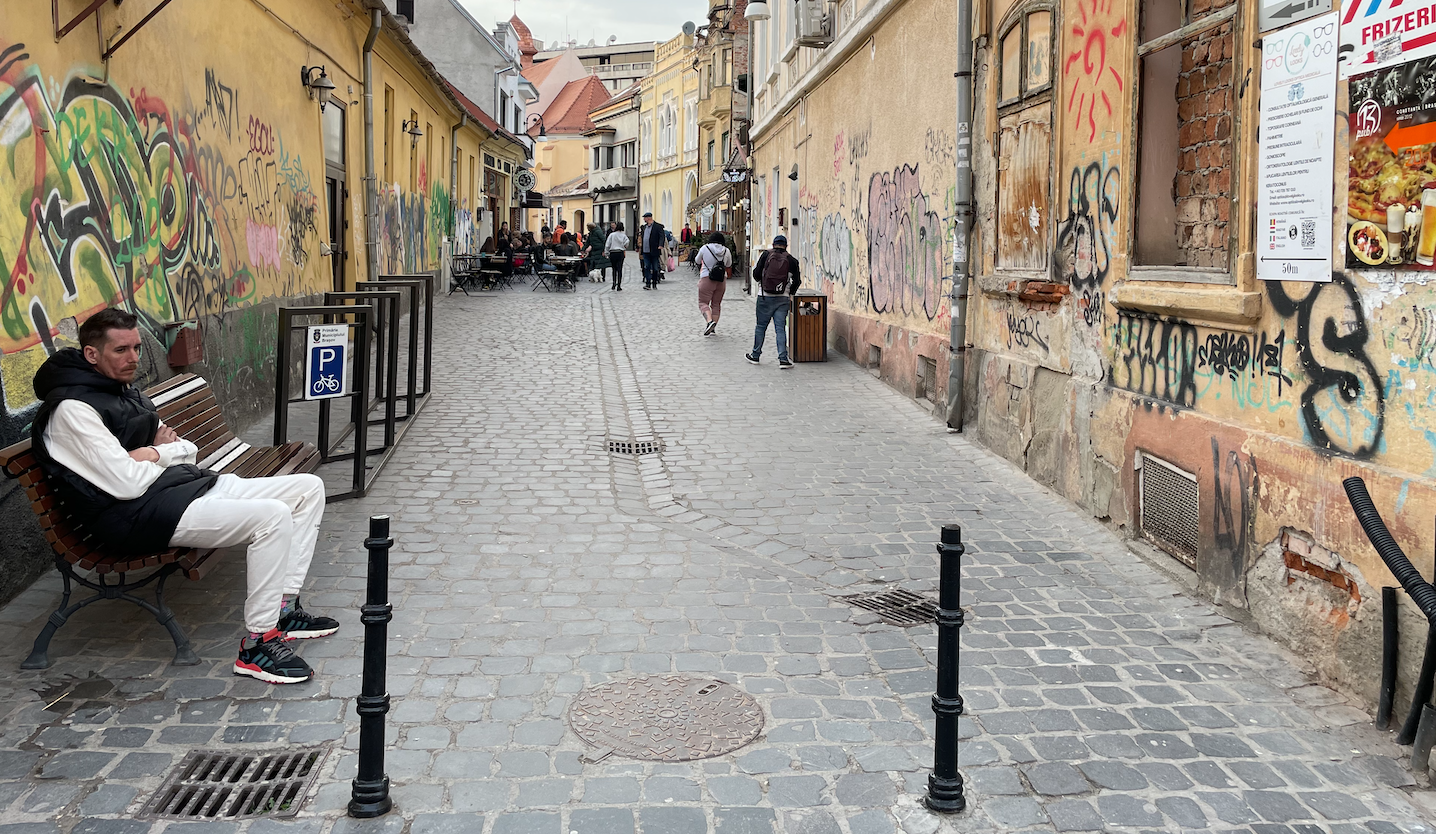
Graffiti – an issue (not just on restored surfaces)… there seems to be no regime in place to discourage this issue both here and in a range of other situations in Romania.
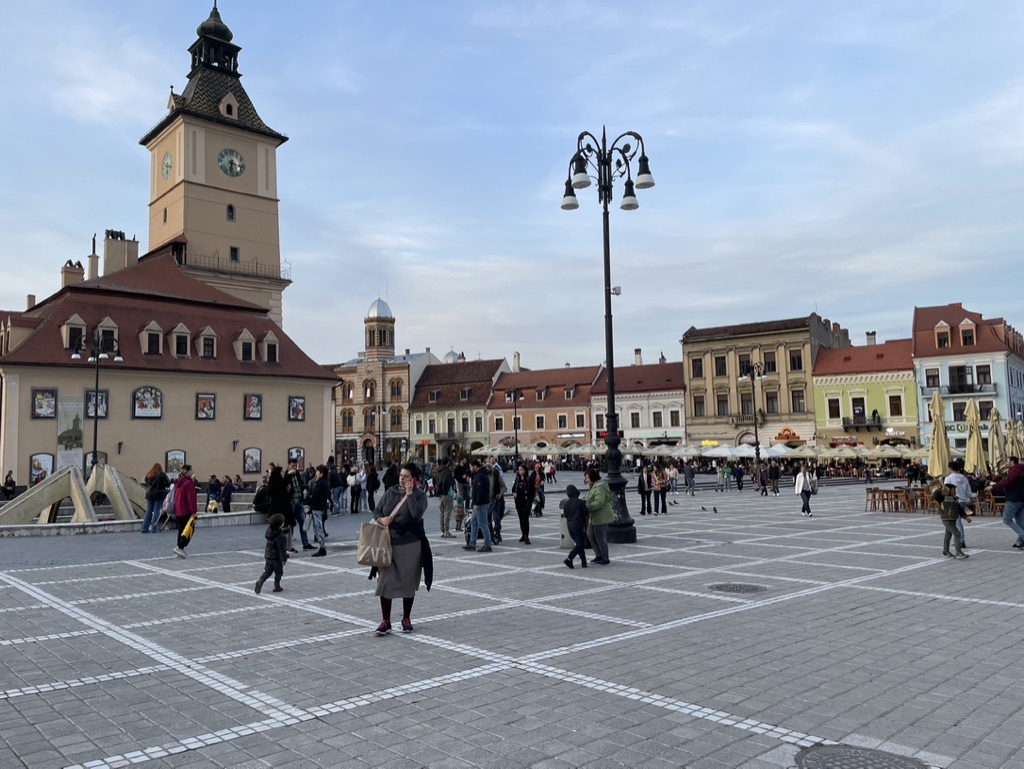
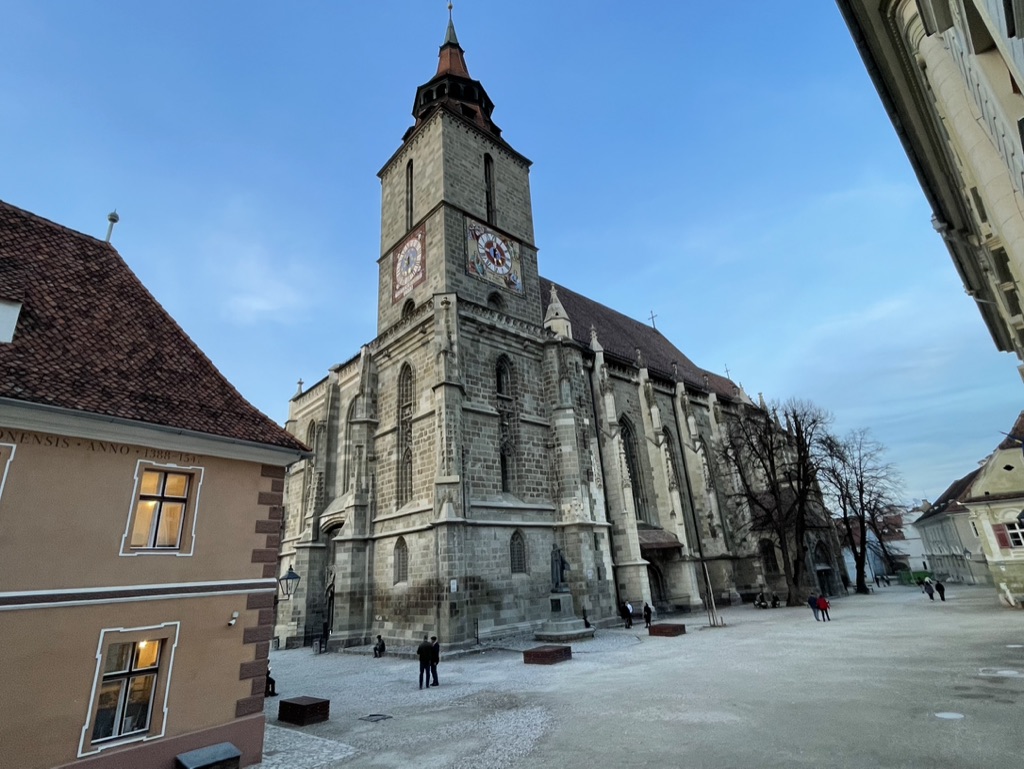
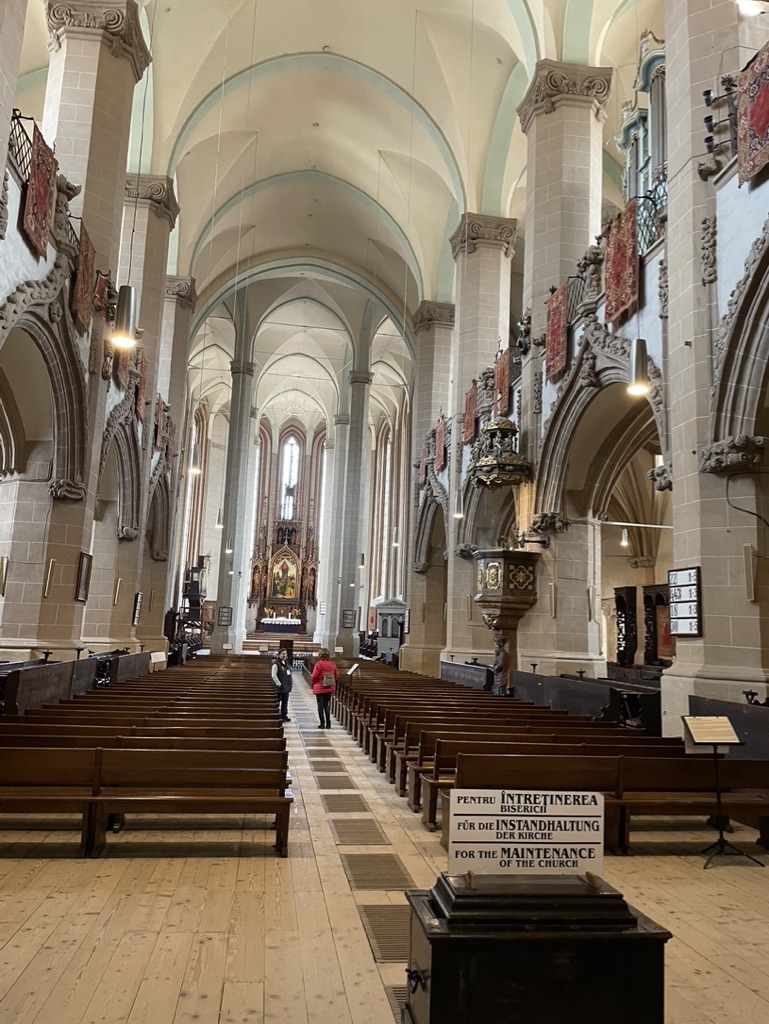
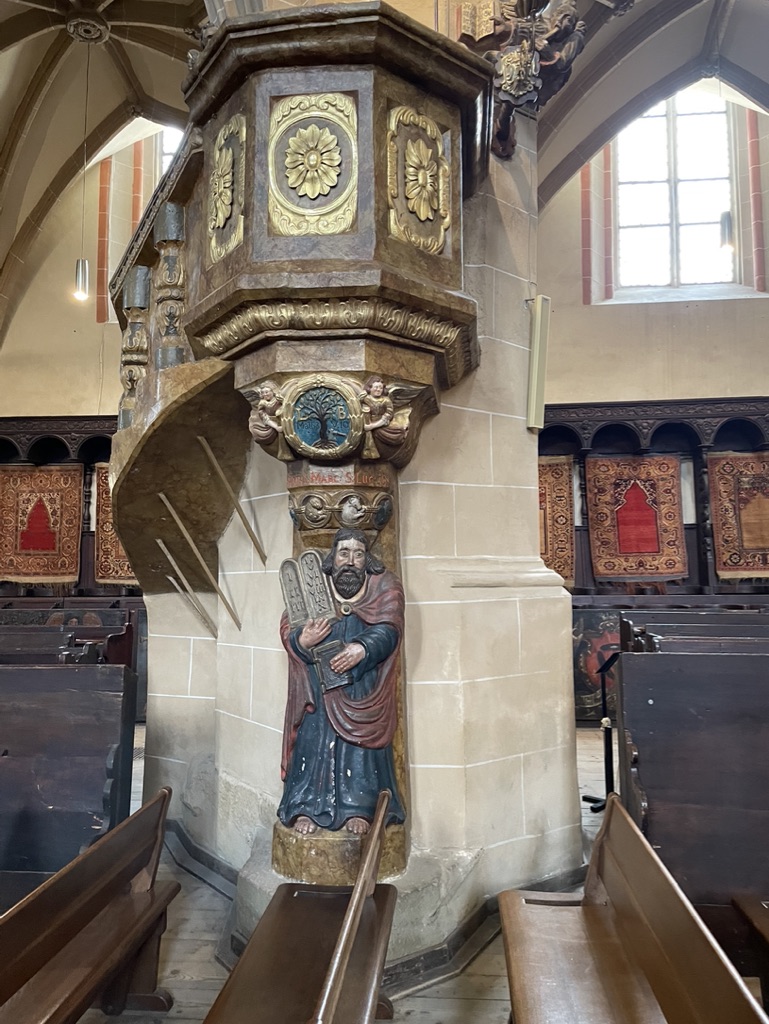
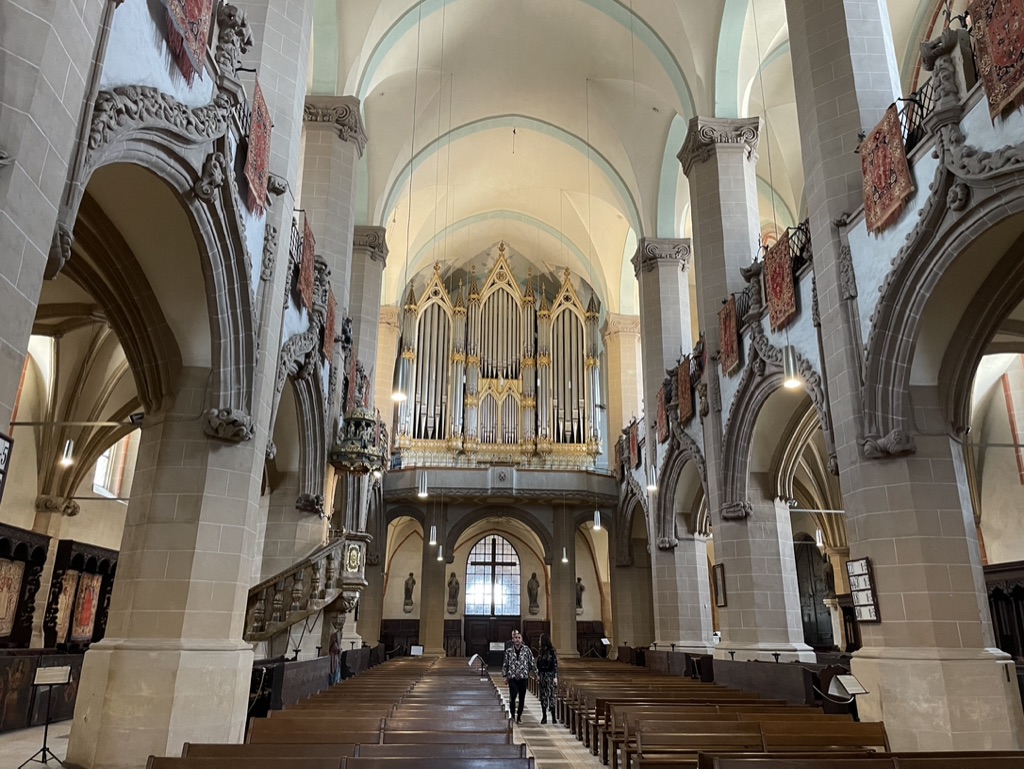
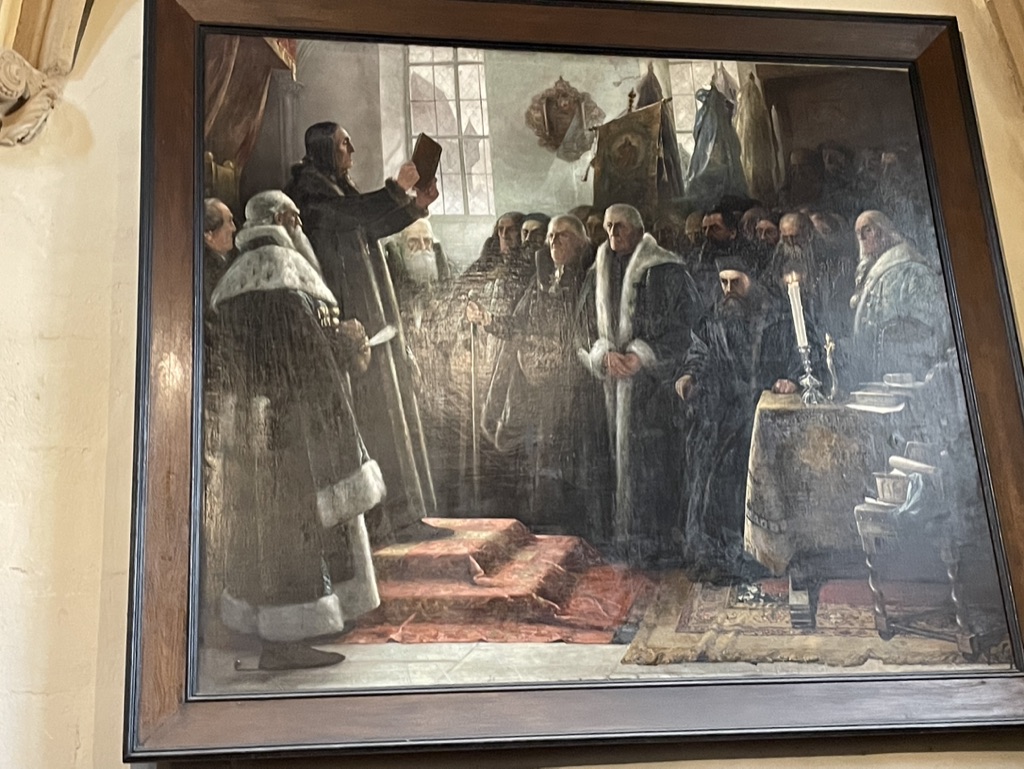
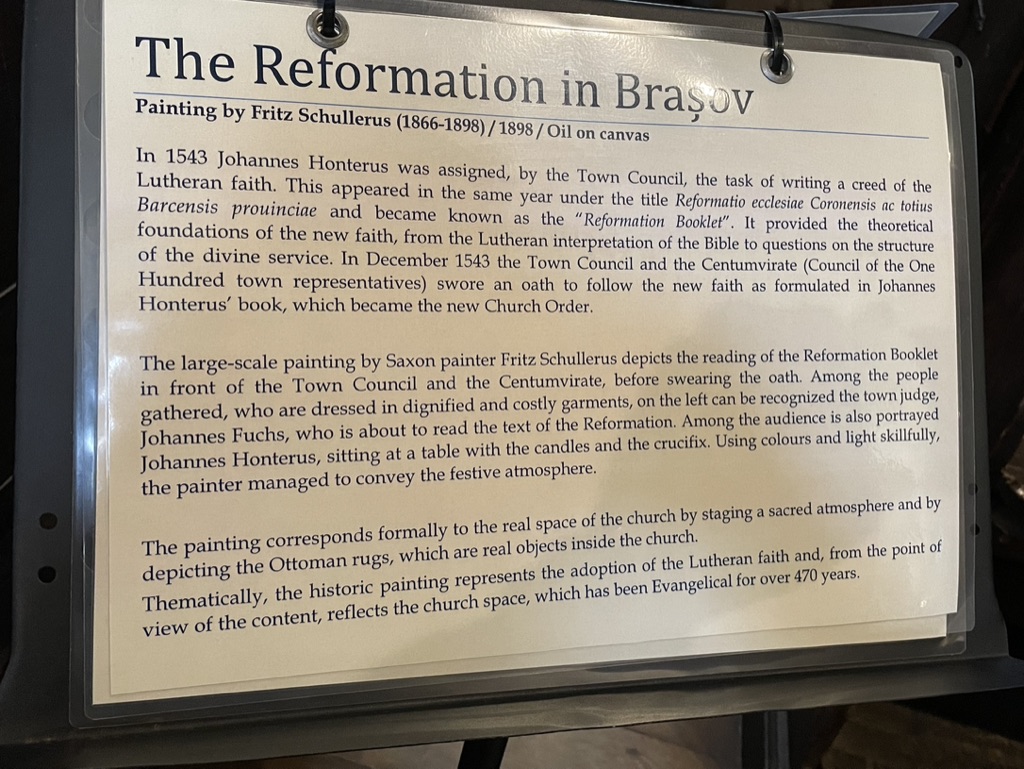
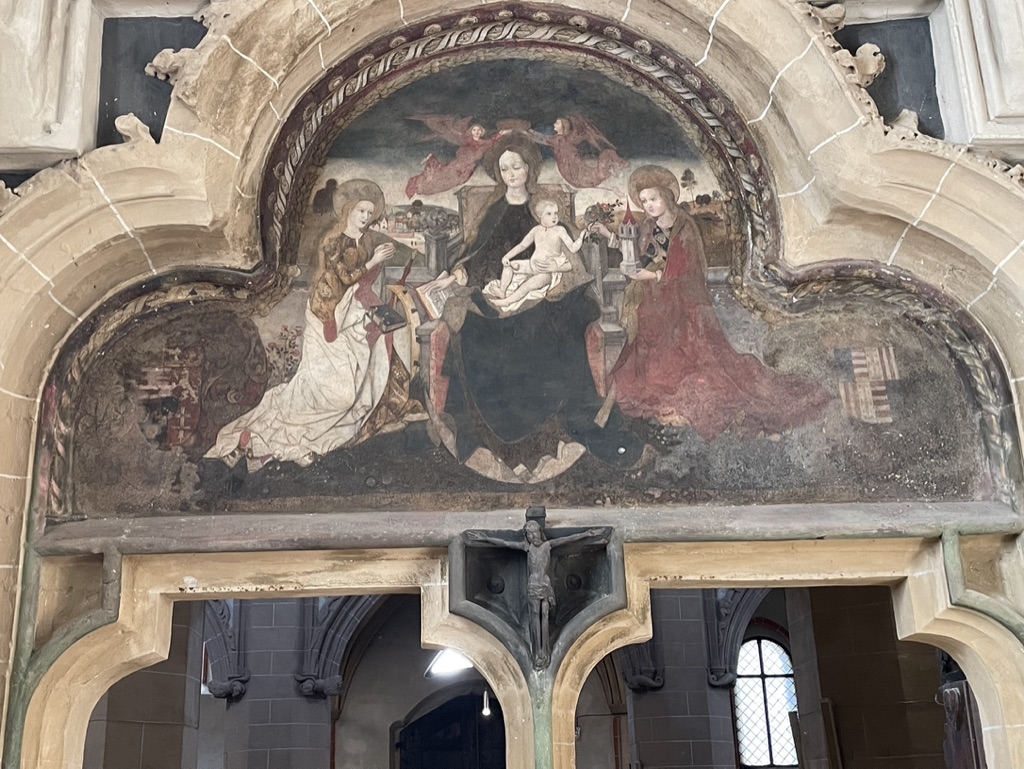
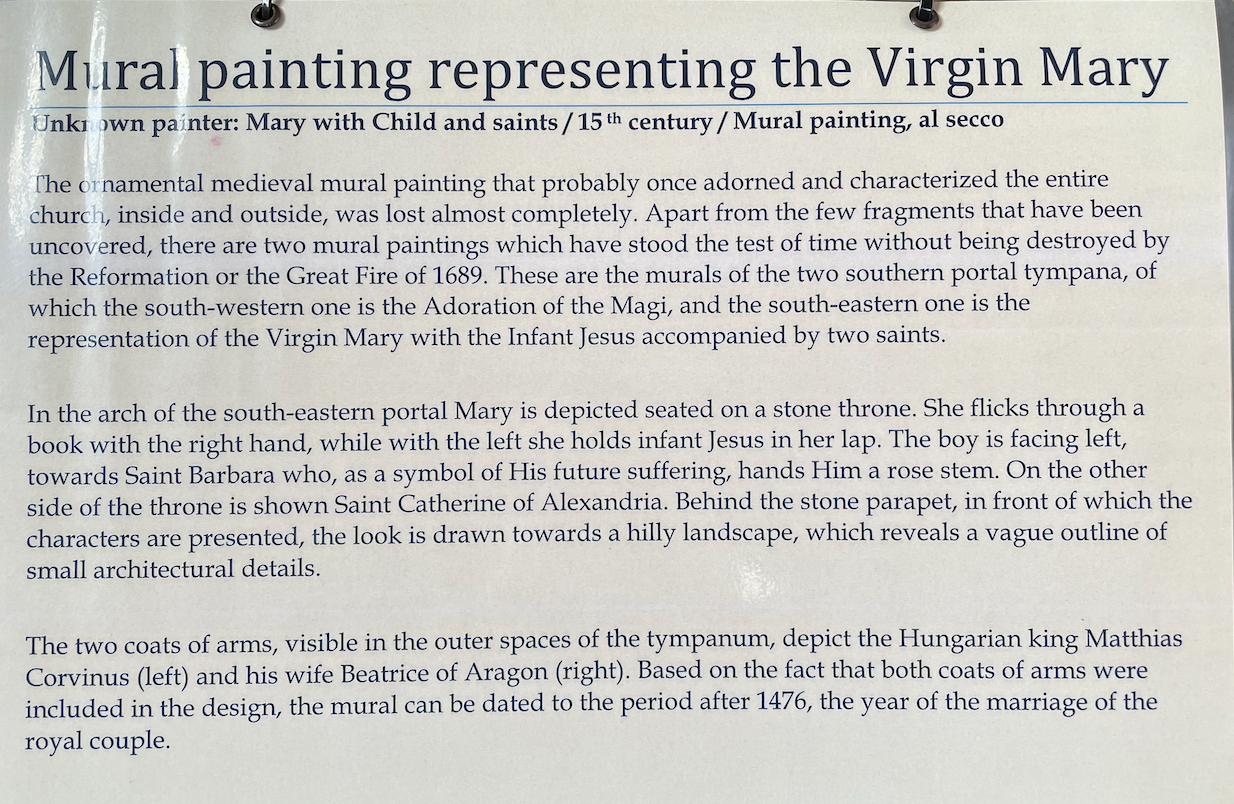
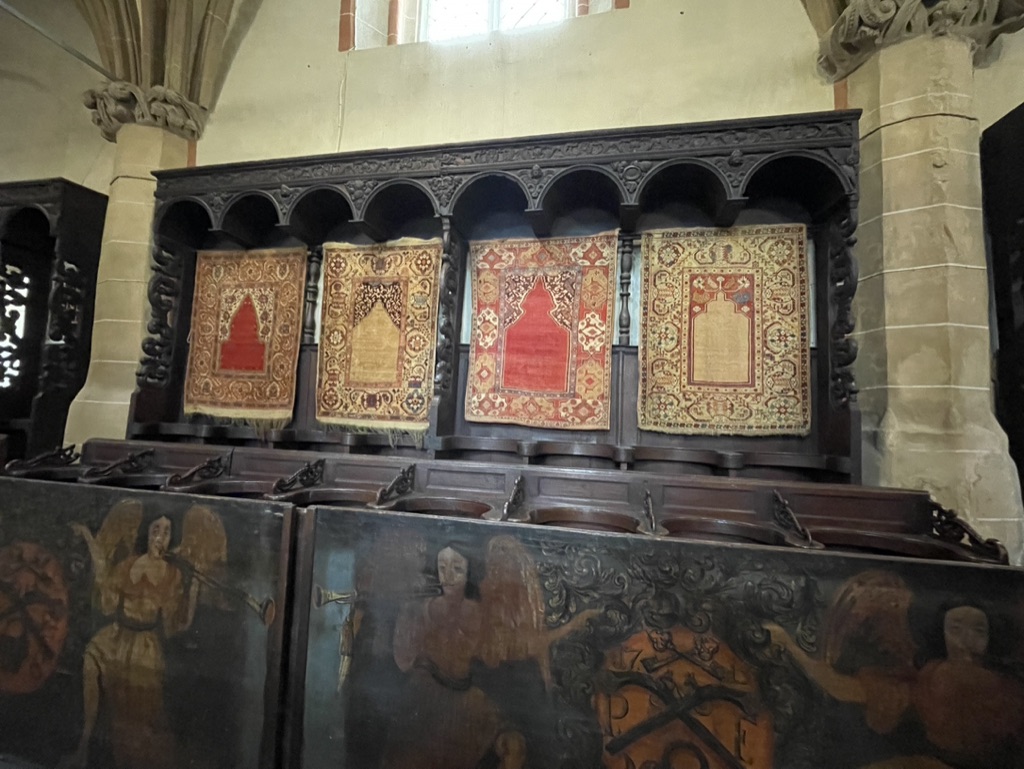
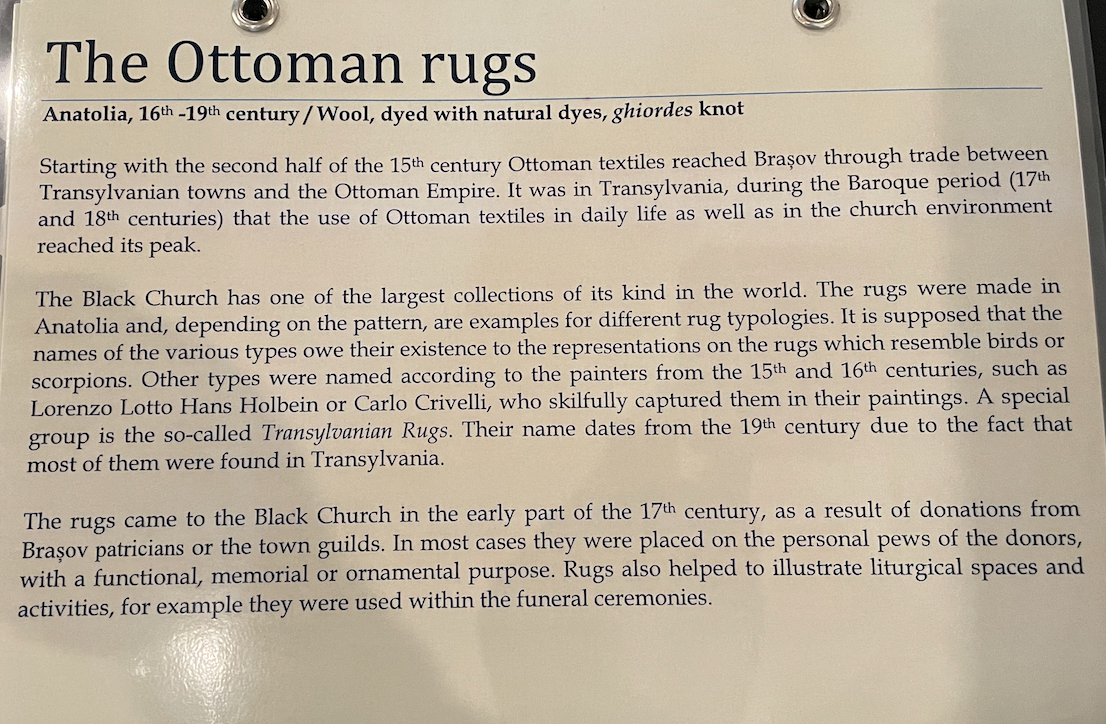
Though the ‘Saxon’ towns and villages witnessed a migration of the German speaking population – especially after 1990 – the Black Church maintains a Lutheran Evangelical persence.
Saturday 26th March
A new railway service to Bucuresti…. but the lack concern with comparatively minor repairs is detrimental.
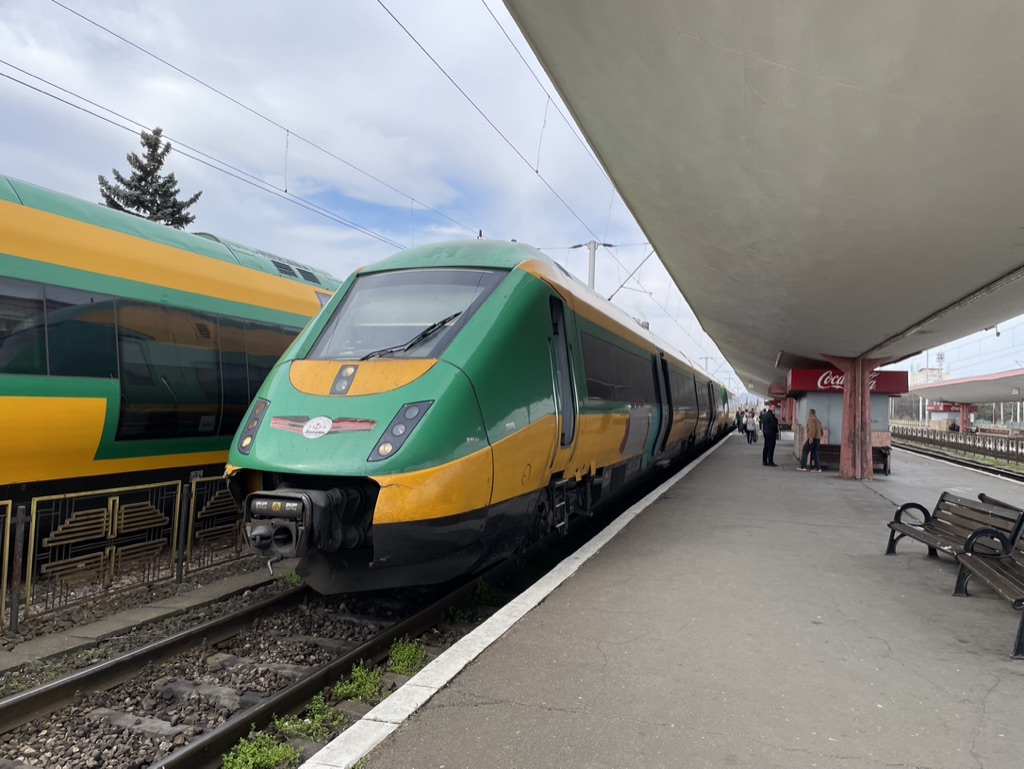
The route is over the southern Carpathian range – and very dramatic
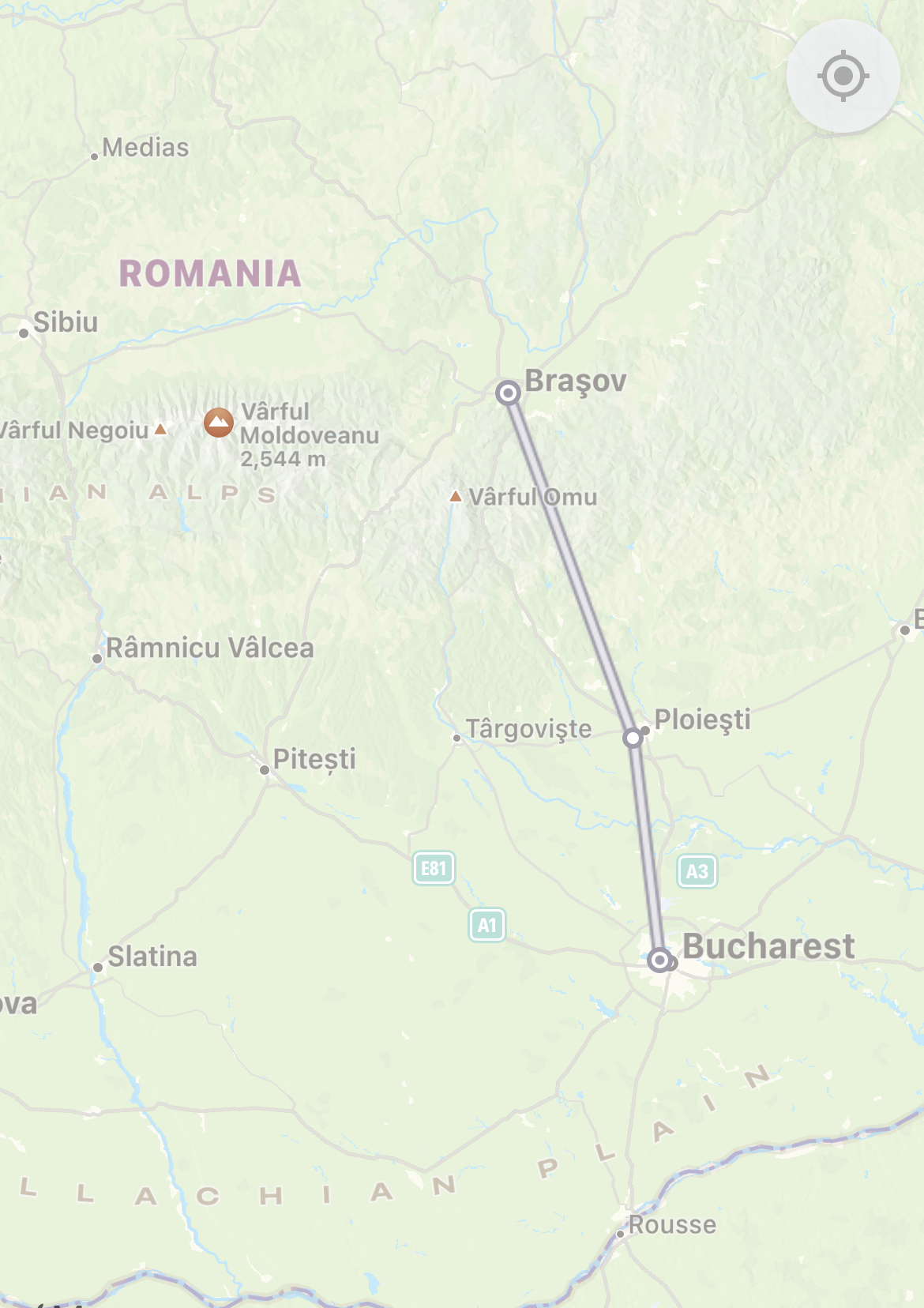
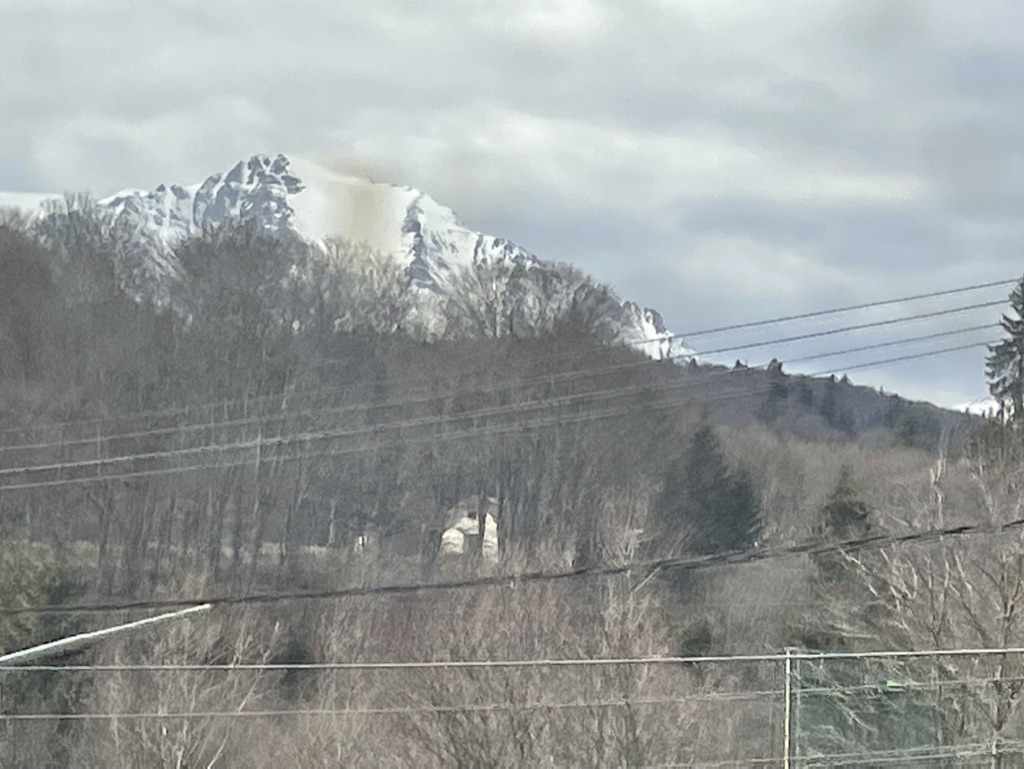
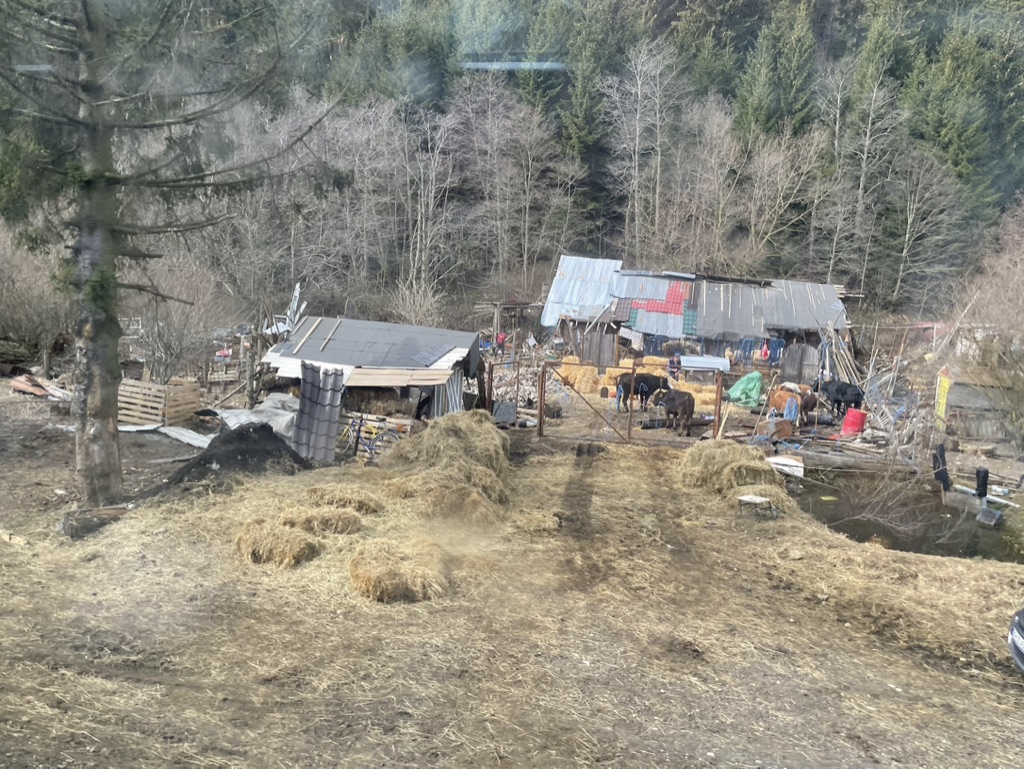
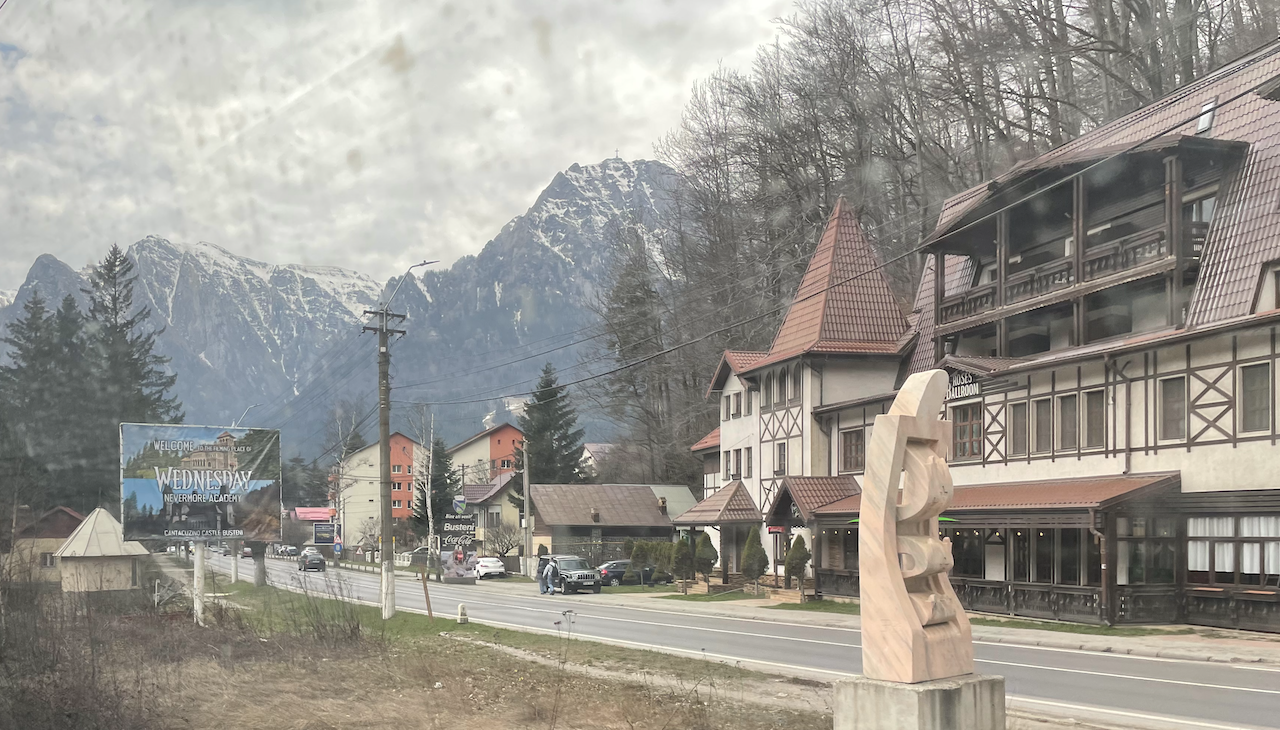
Because the rail routes links through Serbia have not yet been restored after Covid, it is necessary to travel through Romania. So we have a night train to Brasov then a private company (like U.K./Italy etc) to Bucuresti.
We have lengthy conversations with young Romanians who had lived in the UK…. One a ‘creative’ building an IT/photo business in Bristol ….Until Covid/Brexit. Now building a new business in Brasov and travelling to Bucuresti to take part in a drama on which he will play Thomas Shelby (‘Peaky Blinders’)
WhatsApp
 Inspirational Pathways