Wednesday 29th March
On to Sofia
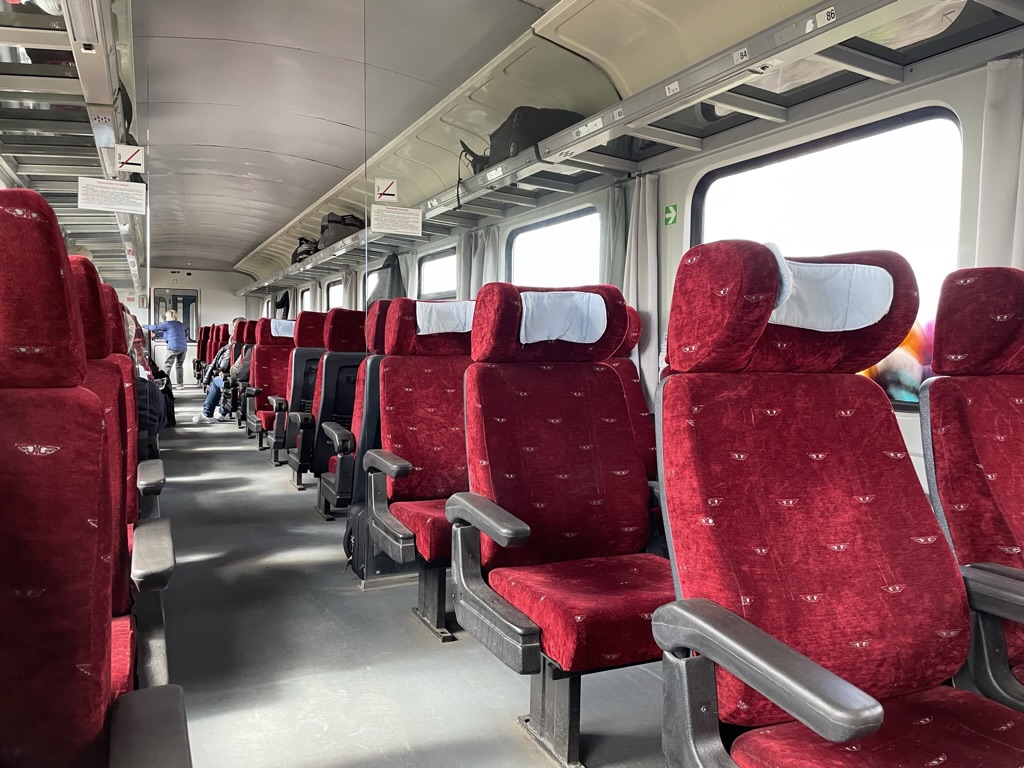
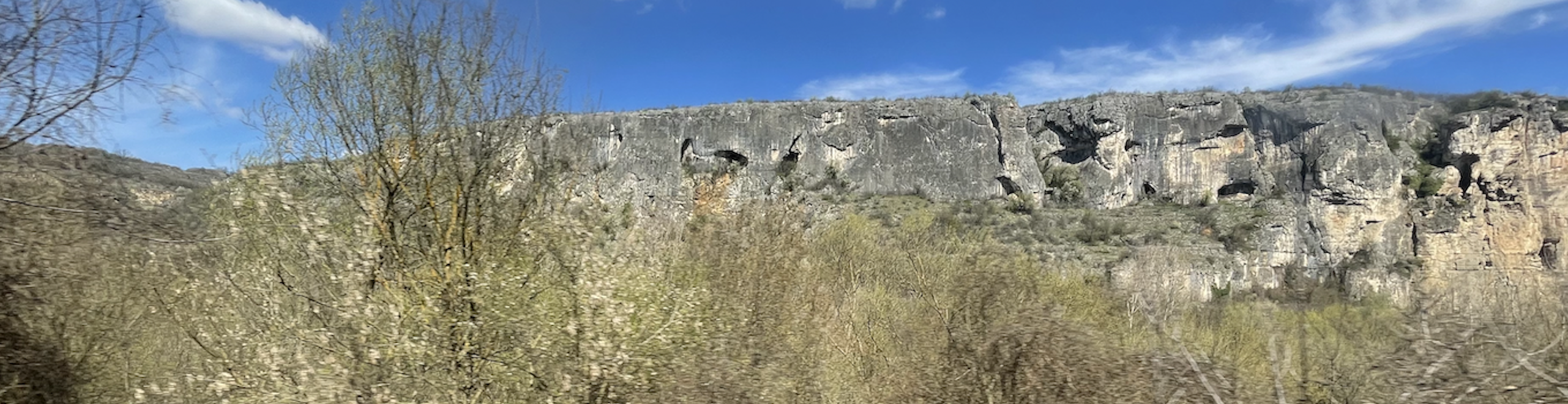
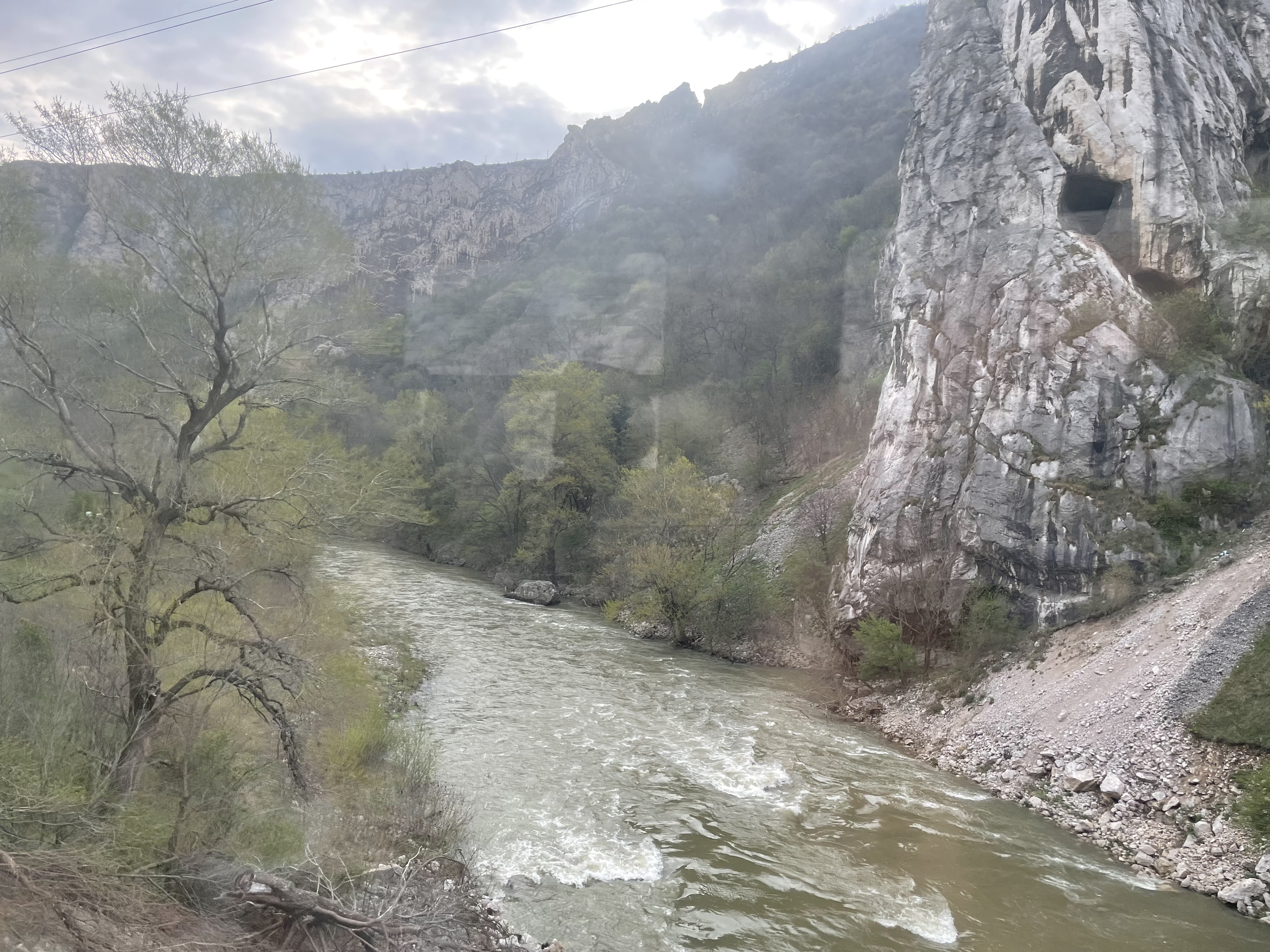
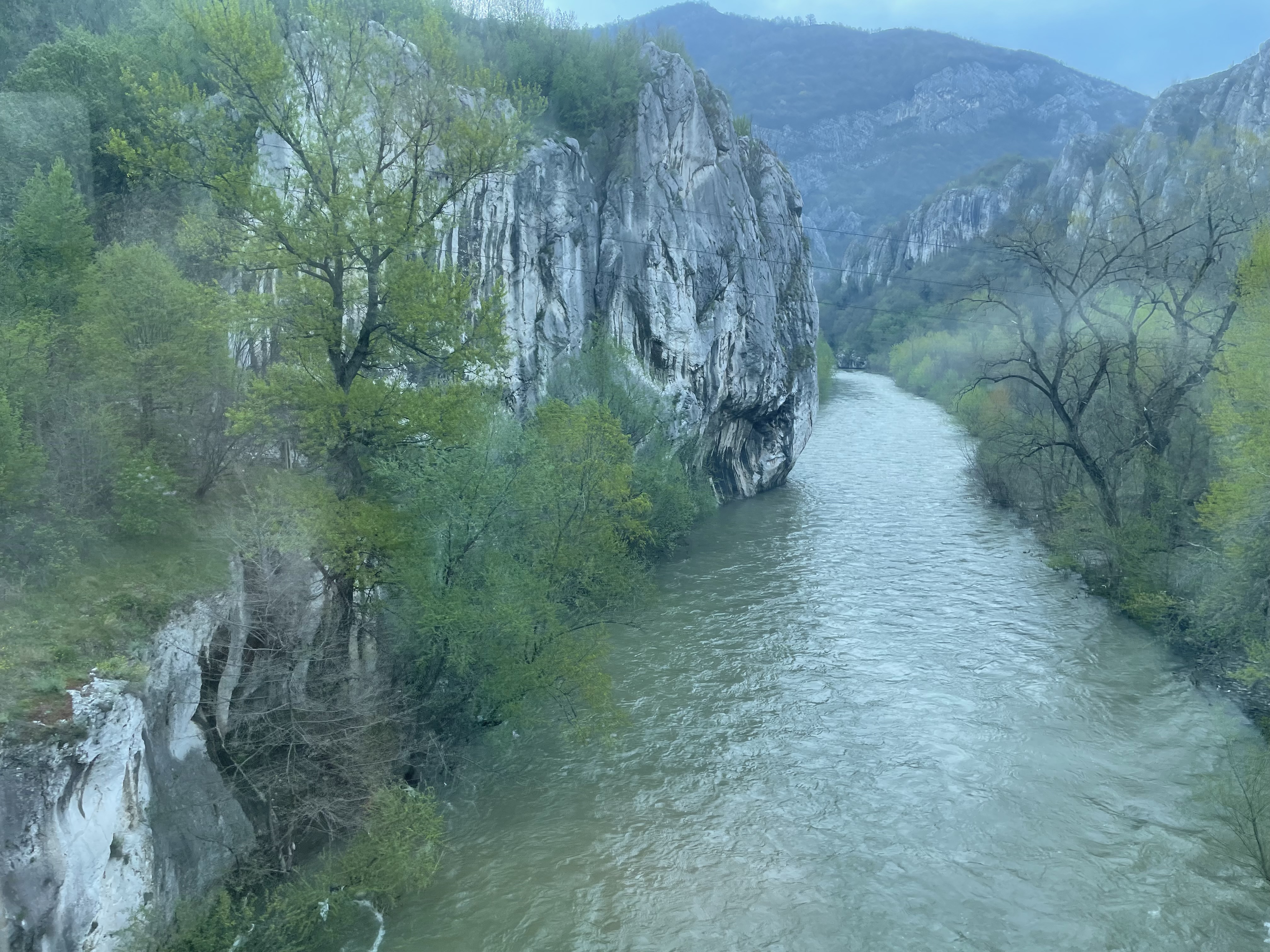
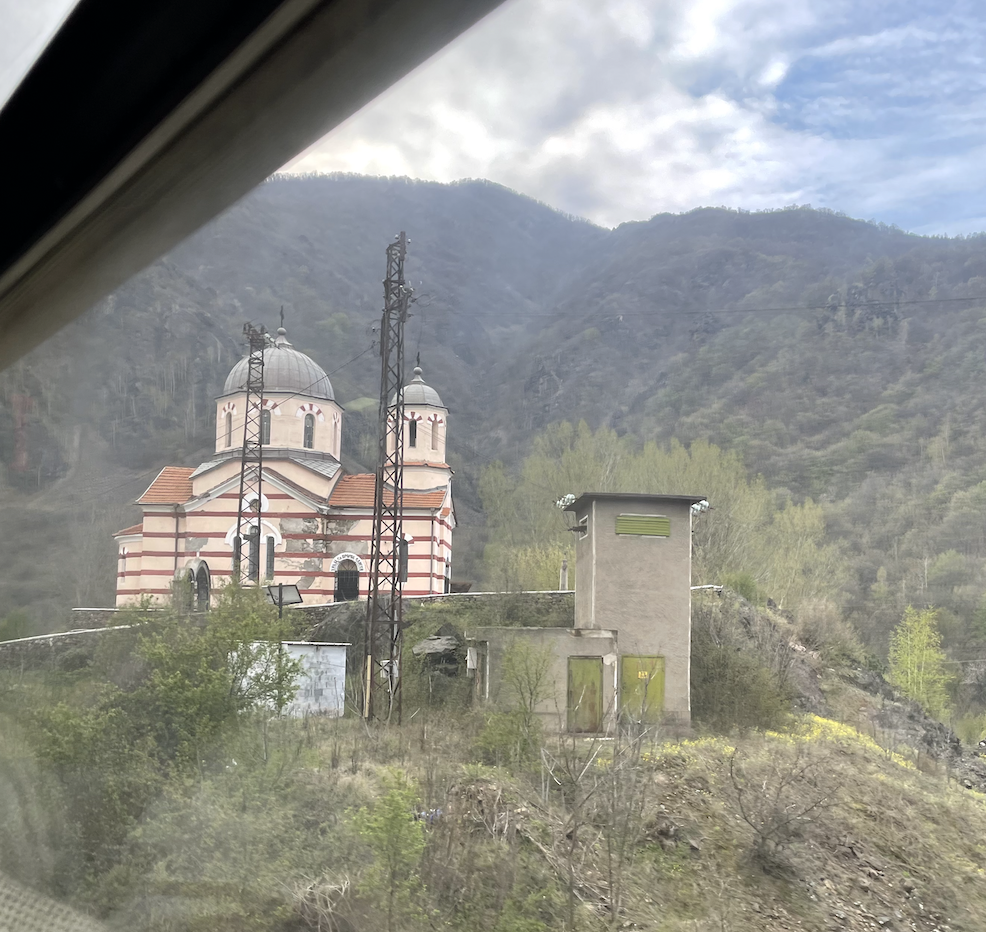
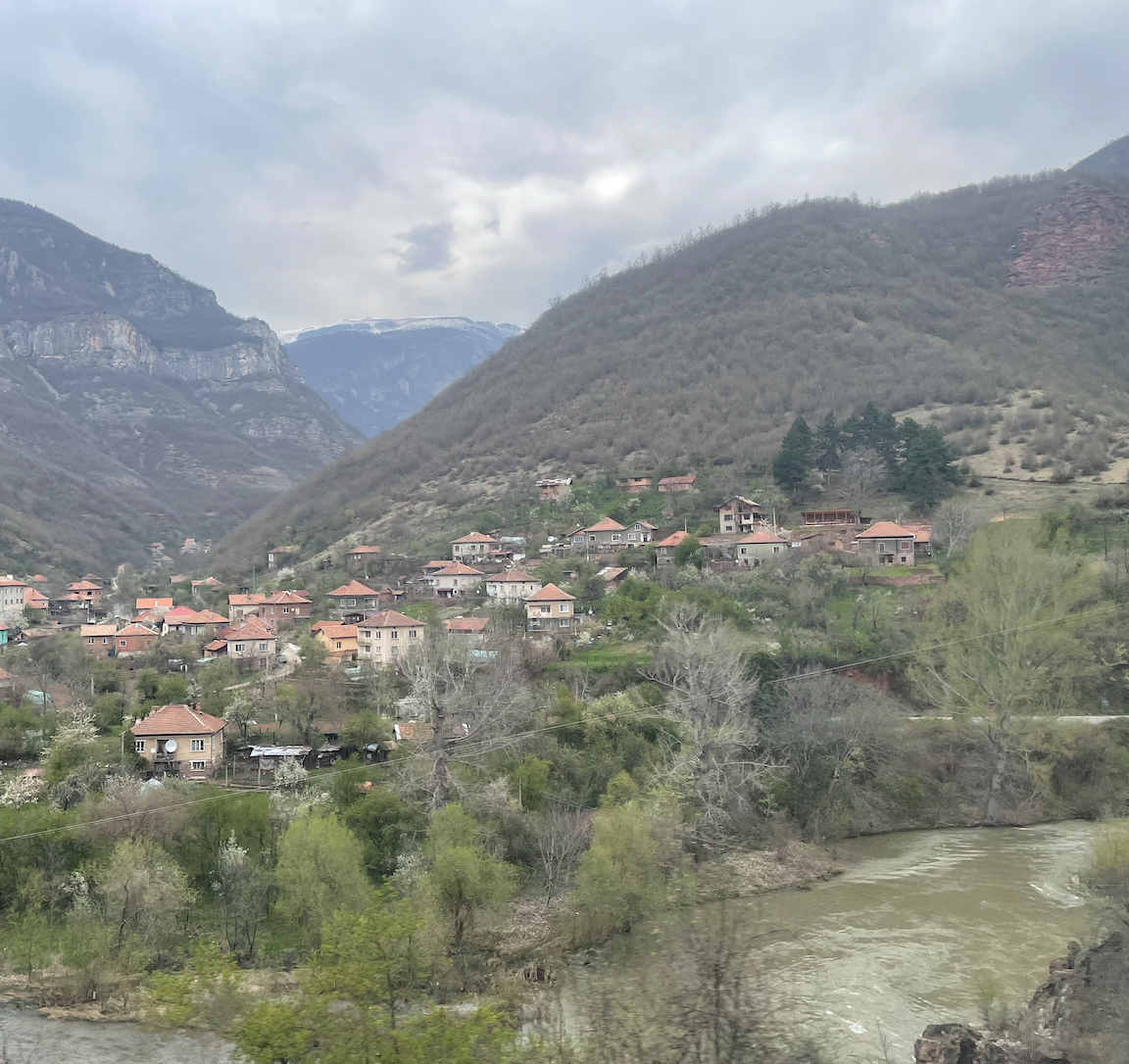
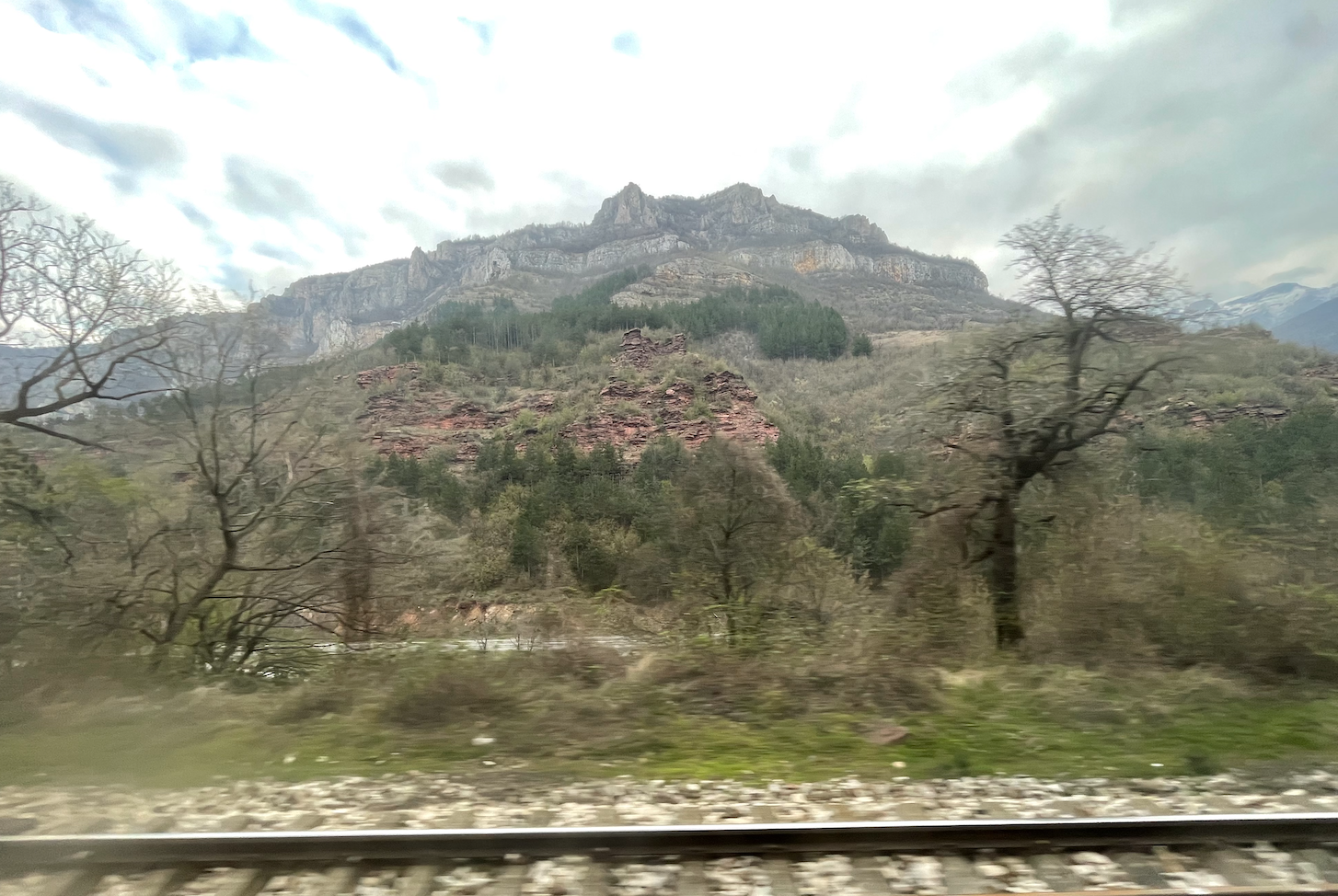
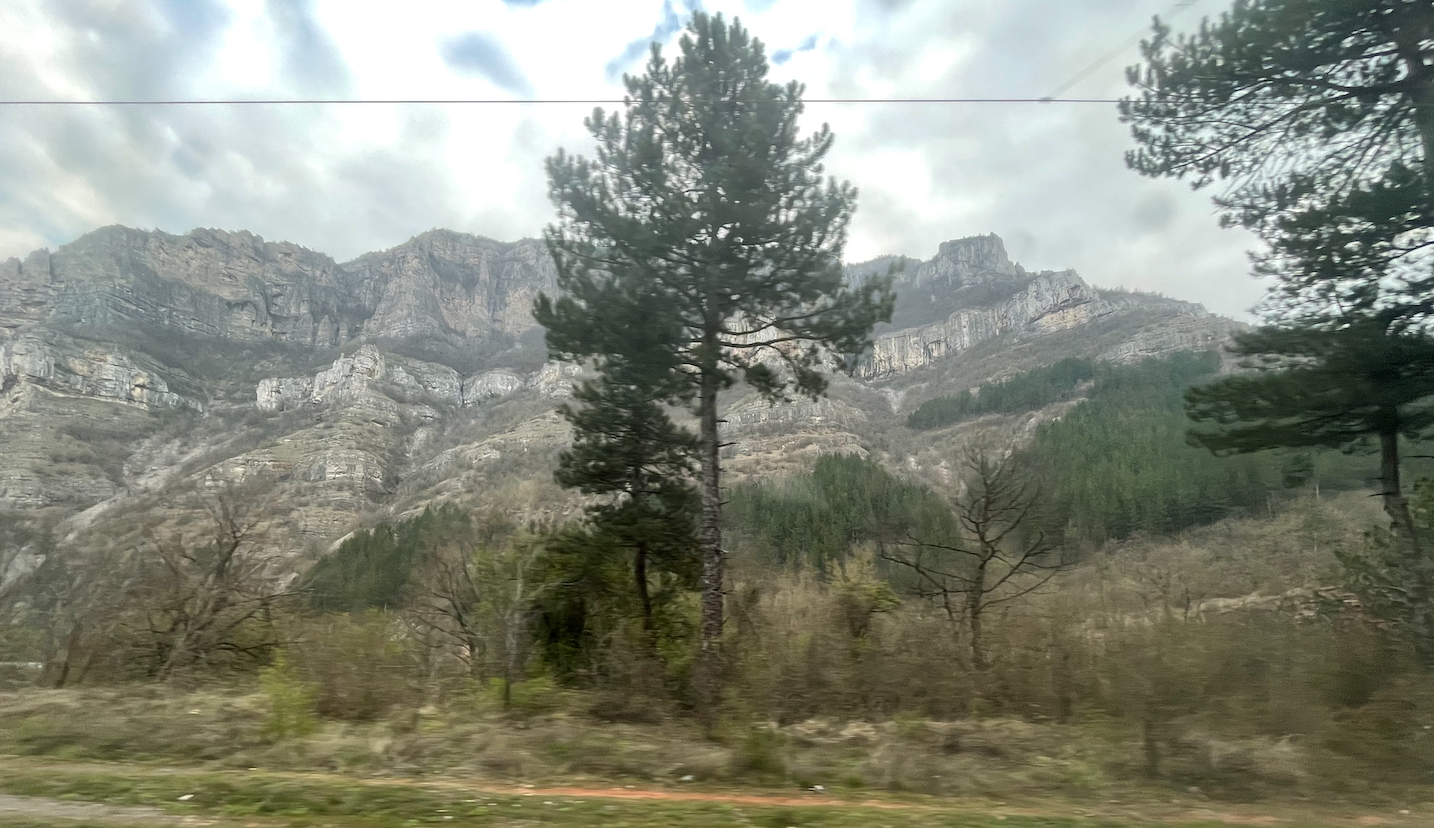
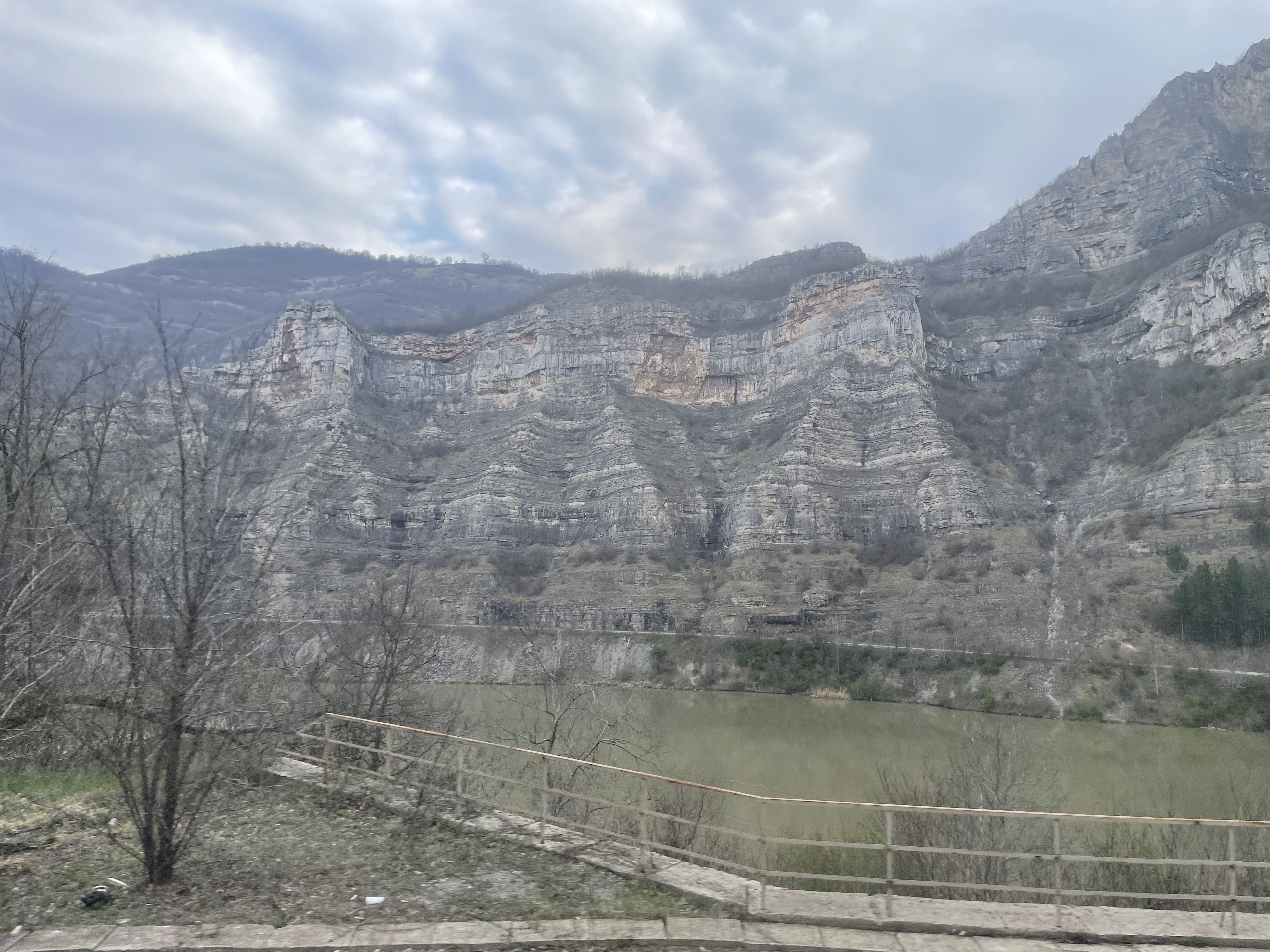
A comfortable train following a route that is being upgraded, with dramatic scenery as it crosses the Balkan Mountains.
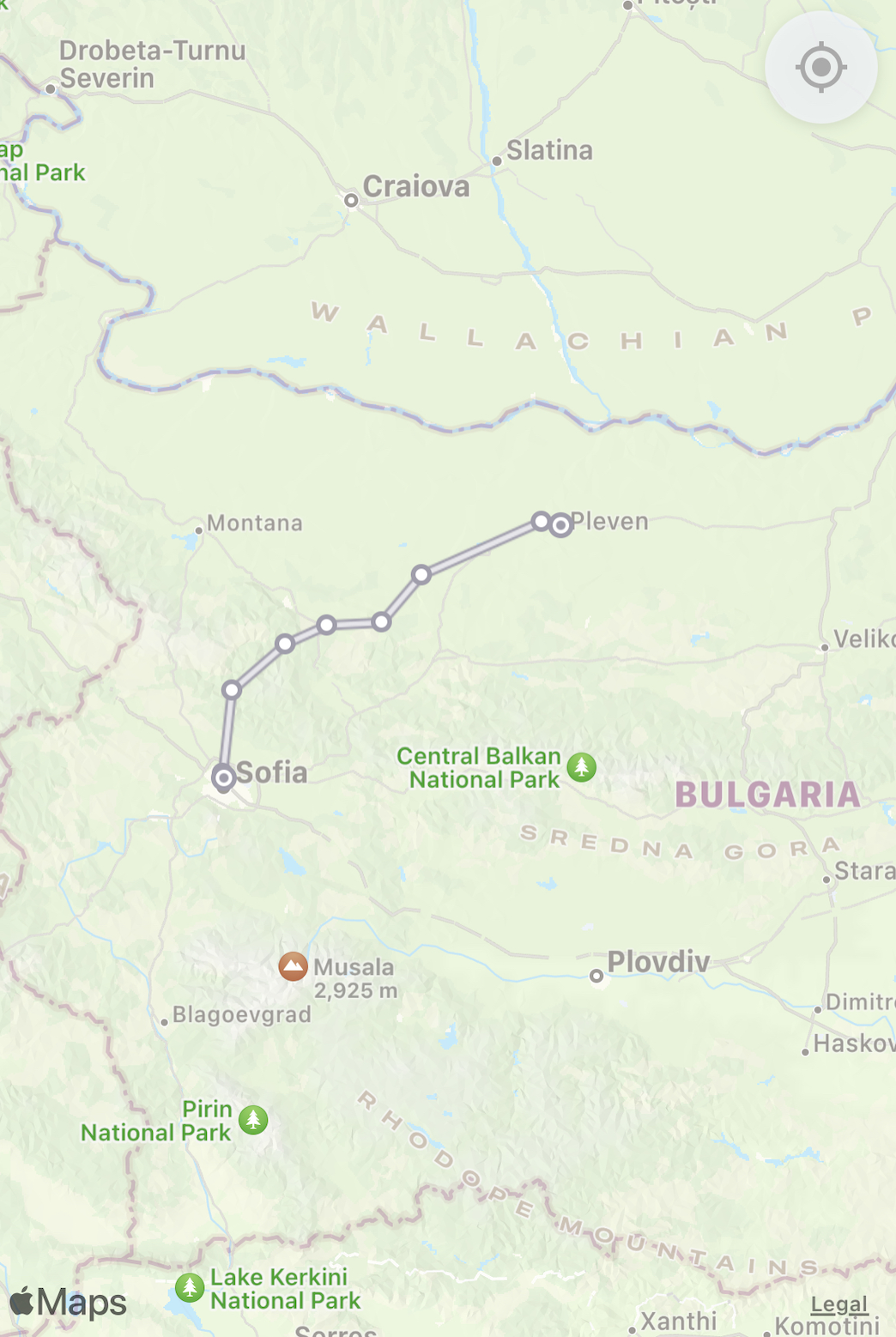
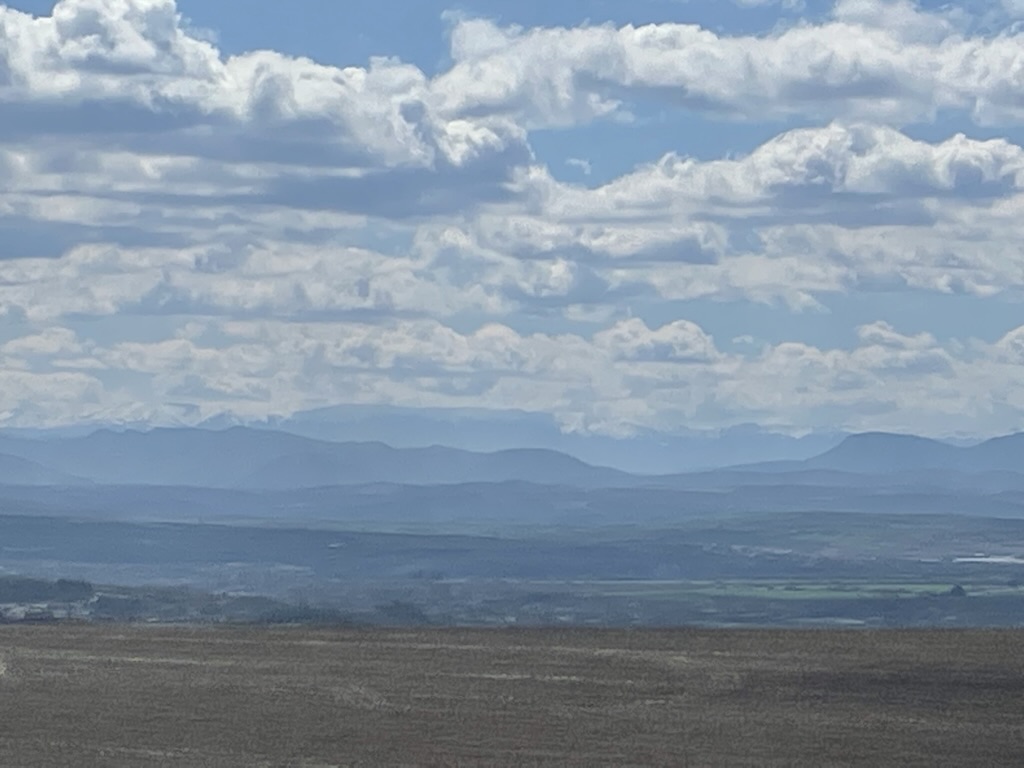
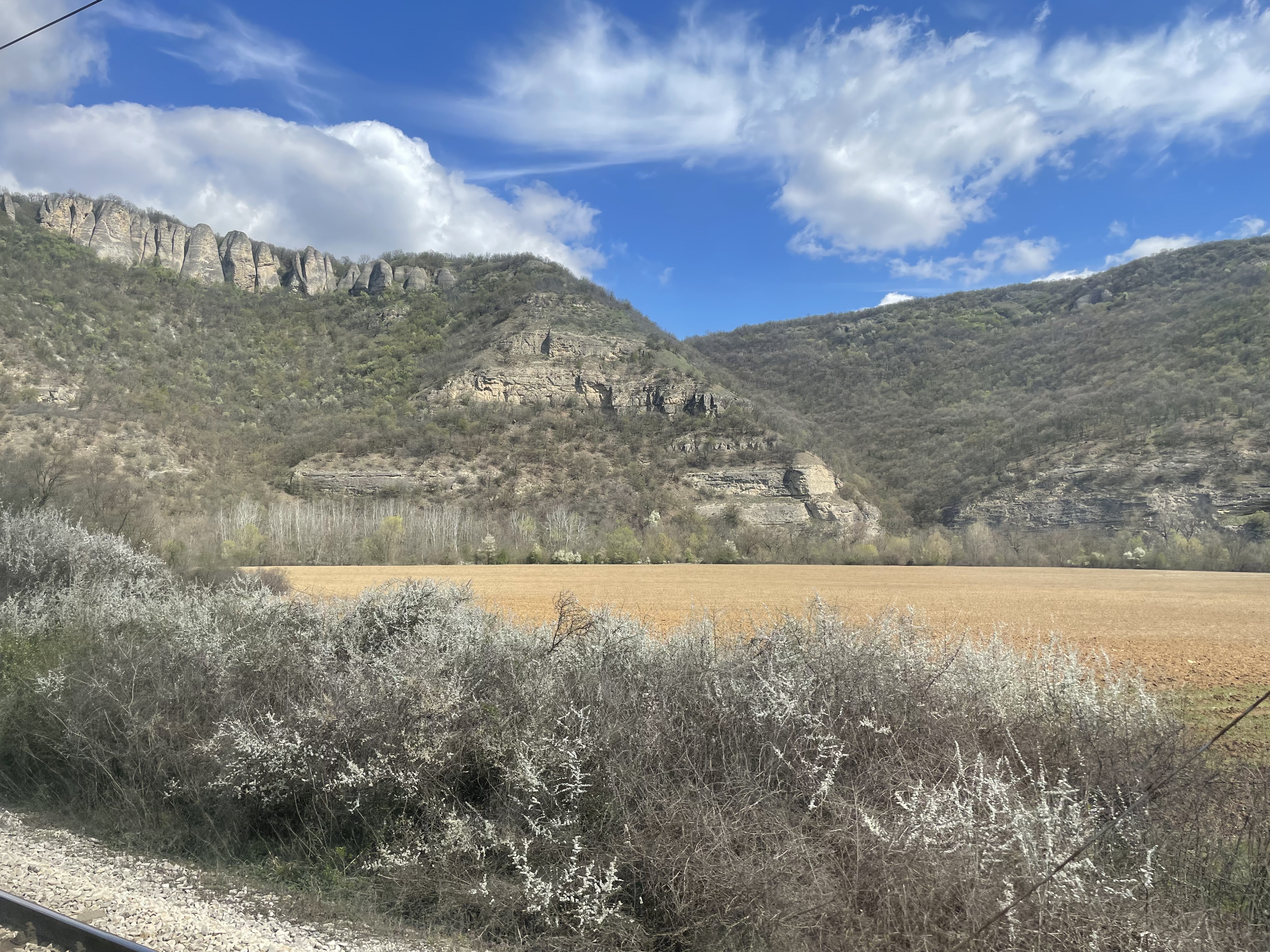
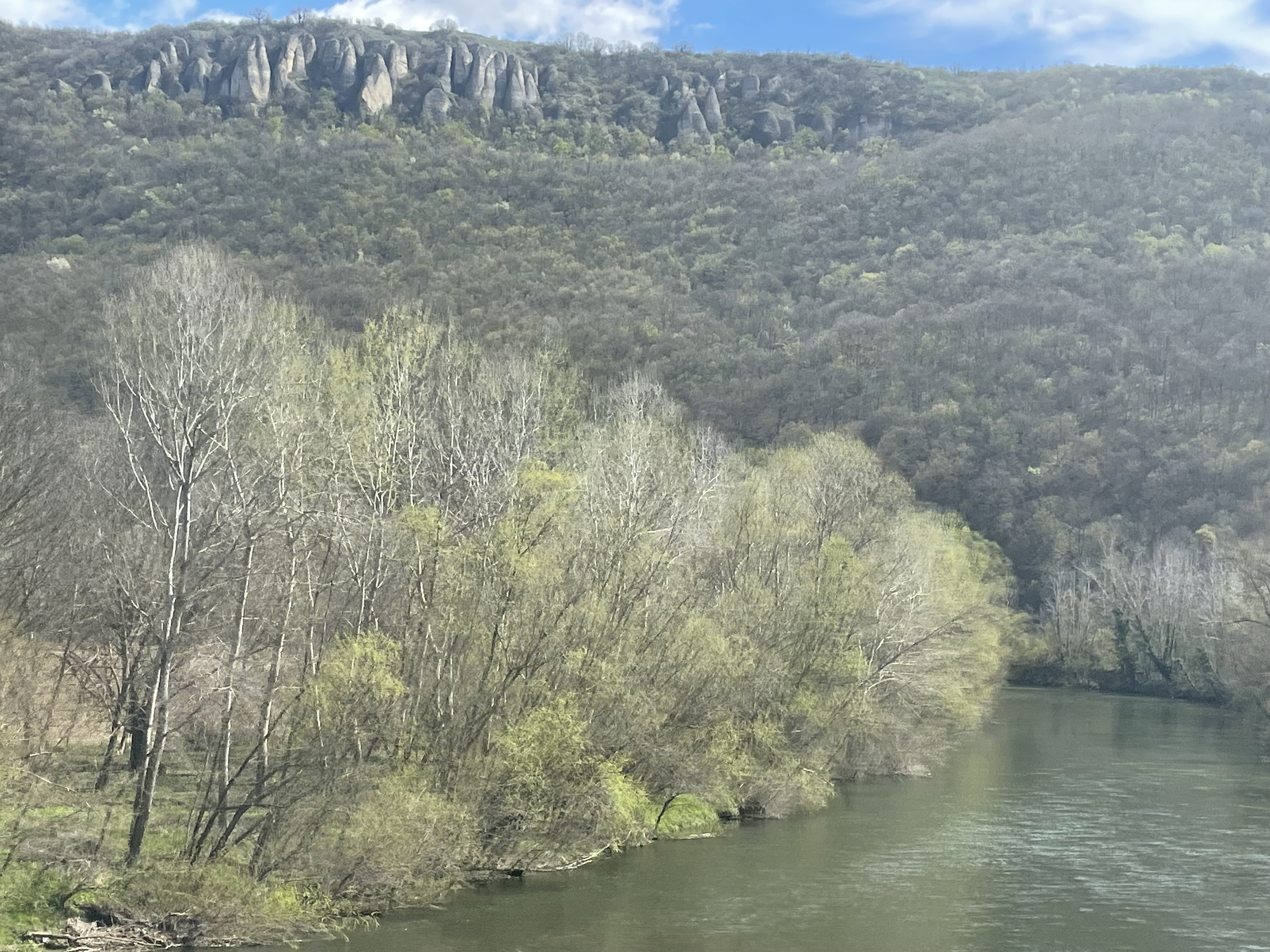
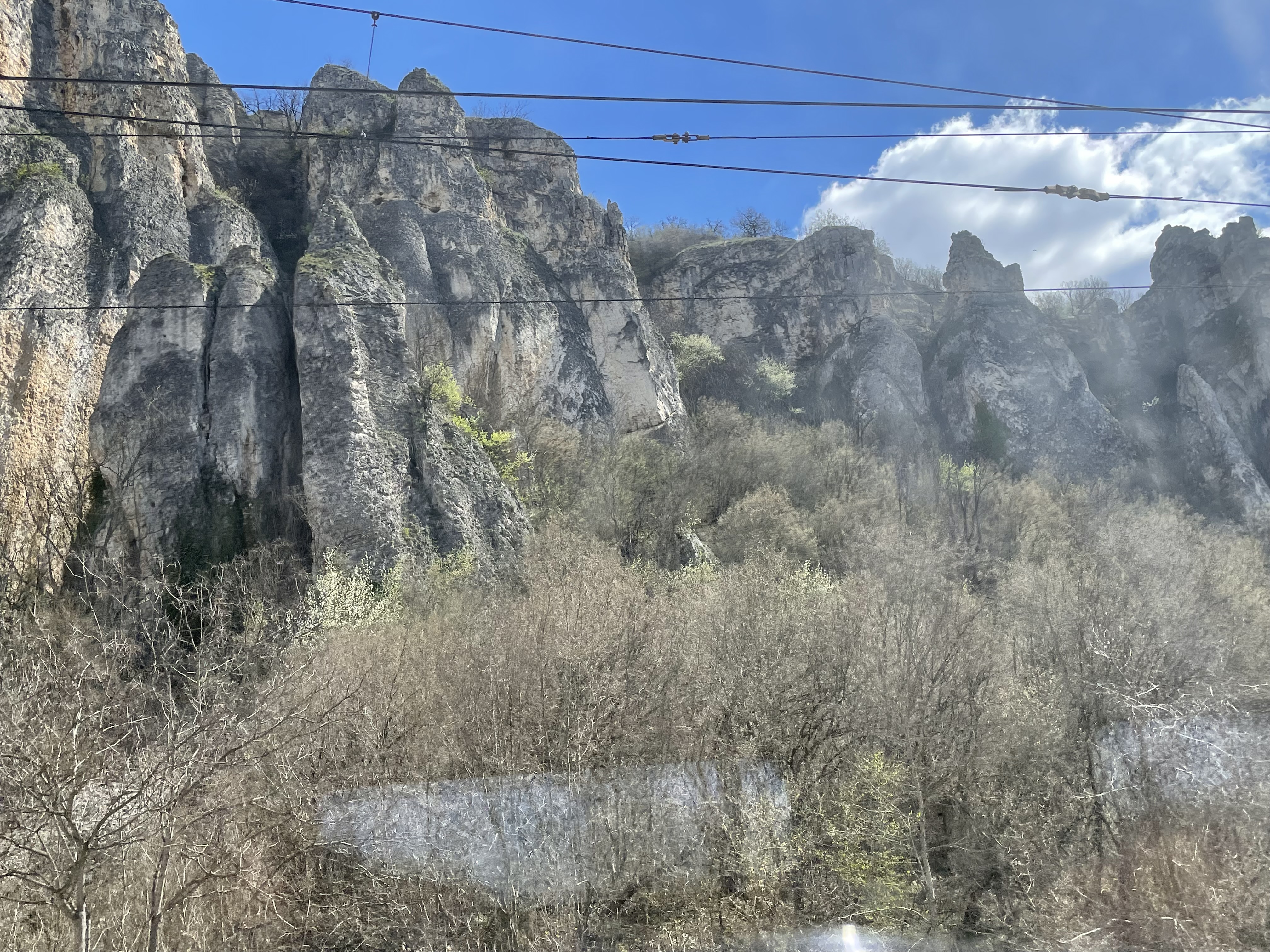
Photographs do not do justice to the delights of the journey.

Sofia
Arrival marked by sight of 2 ex-British Railways locos (built between 1973 -75) that were sold to Bulgarian companies around 2010.
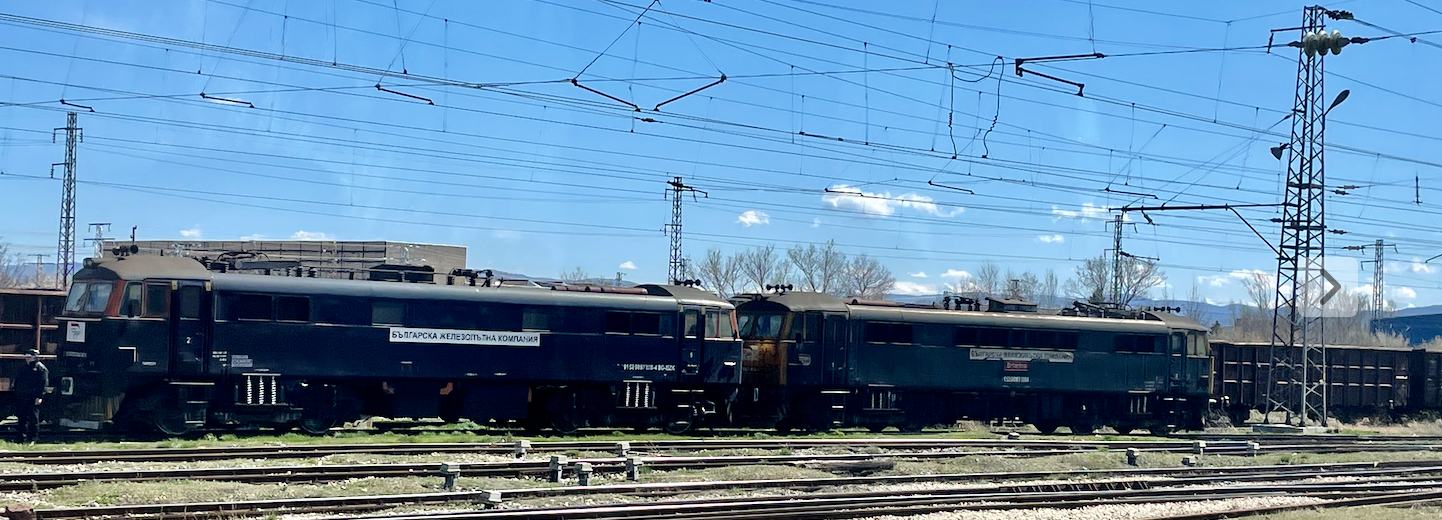
National railway systems are often indicators of economic development & also, as public systems (whether privately or ‘publicly’ owned), social change & development.
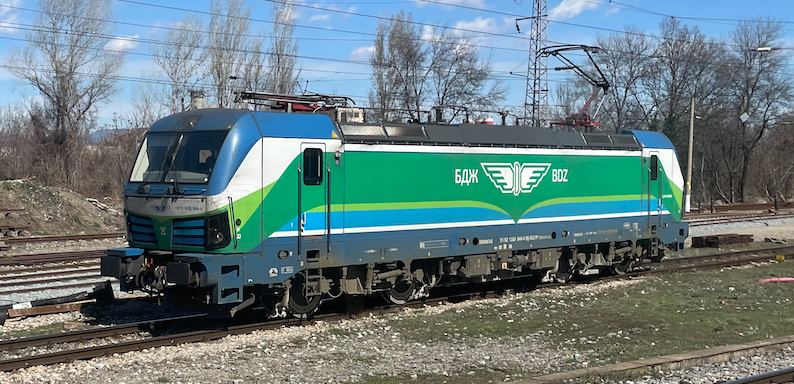
Near the above engines was a recent C21st loco:
Our train had been of more ‘traditional’ nature……
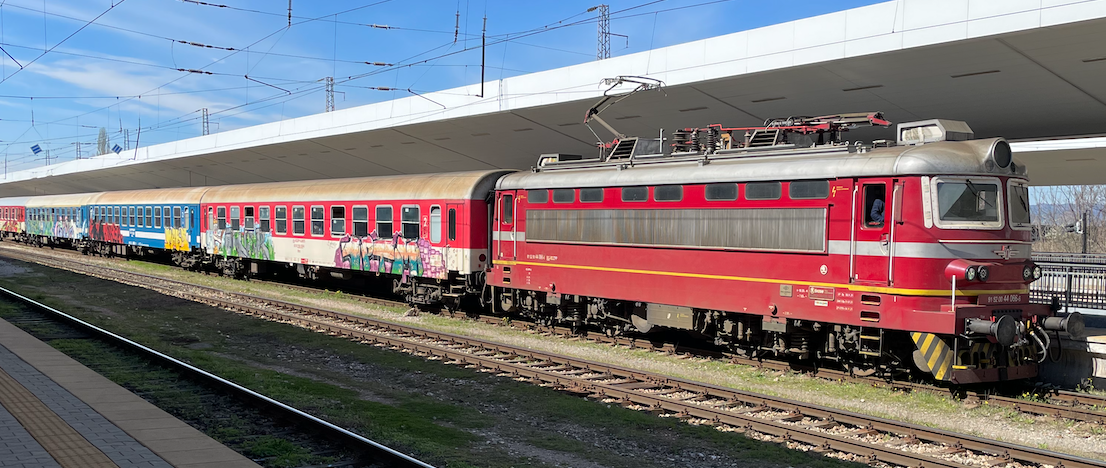
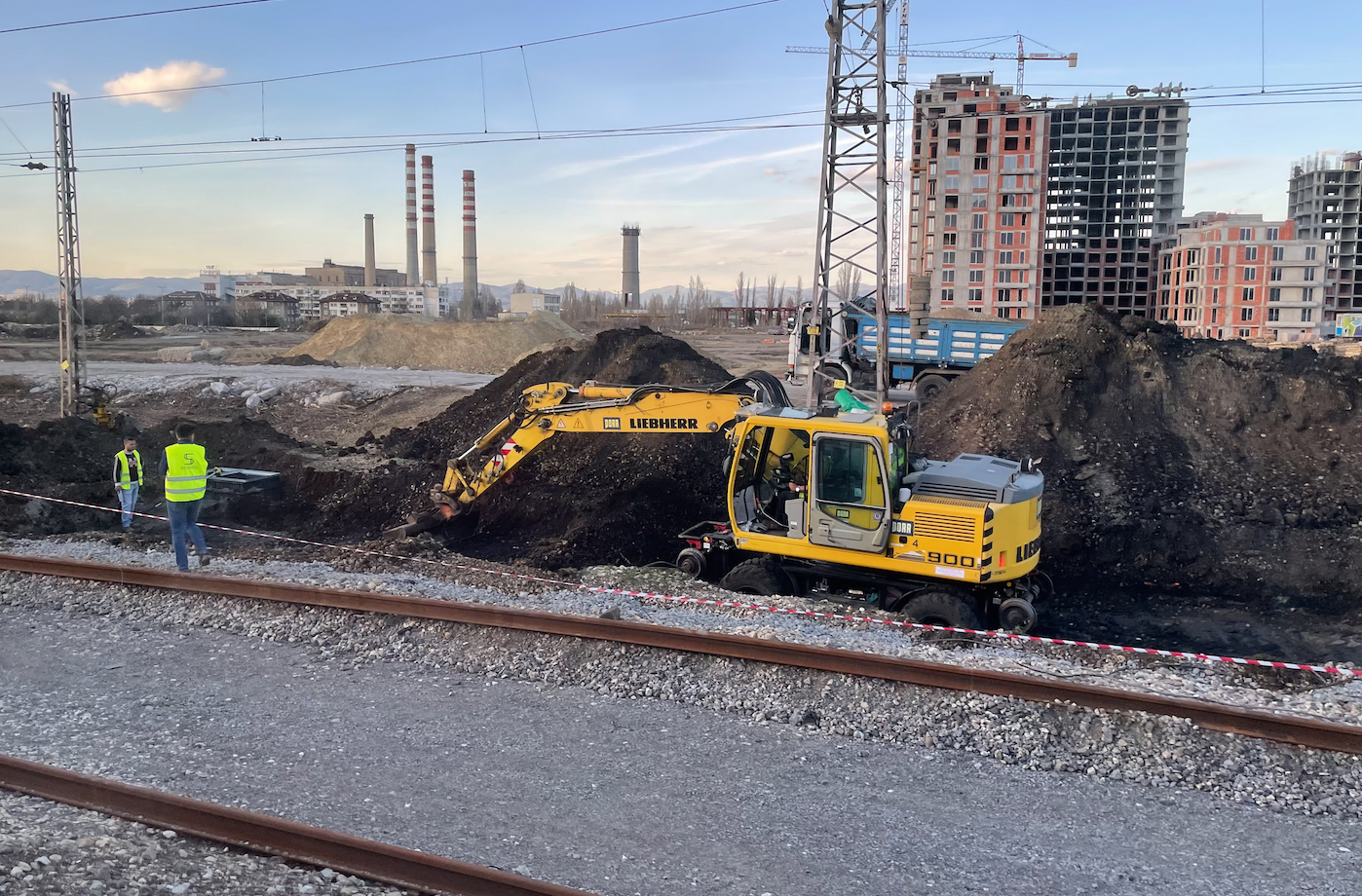
….. and the central station at which we arrived was something of a mix (considerable engineering work was occurring)
yet some symbols of the past retain significant positions
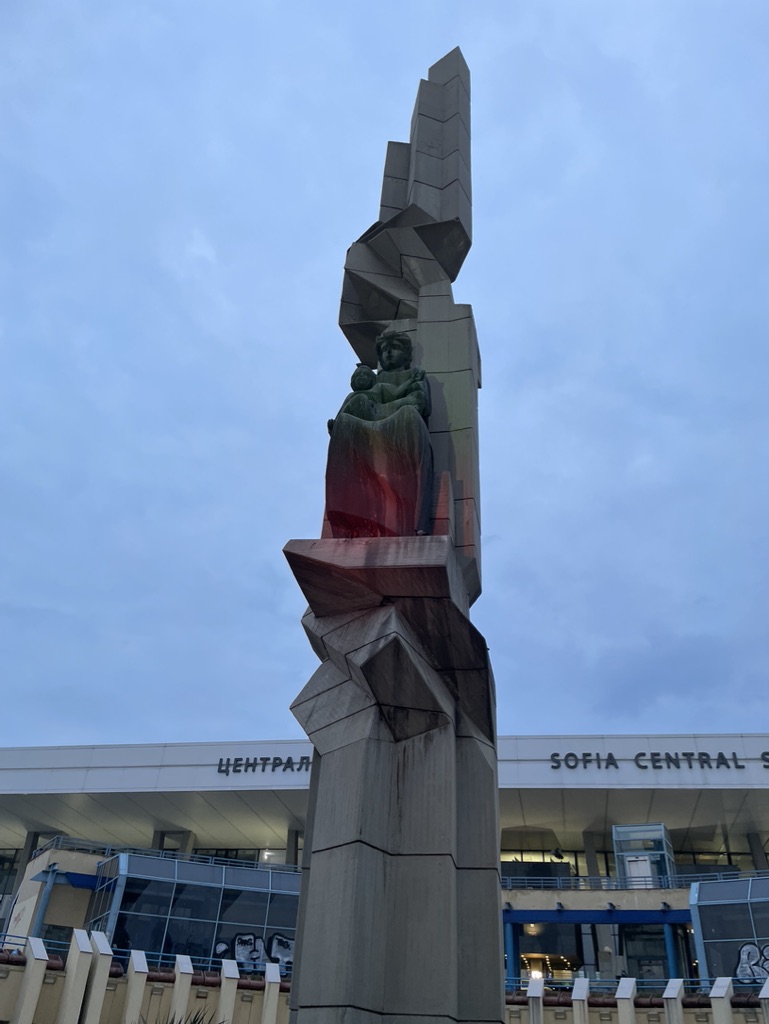
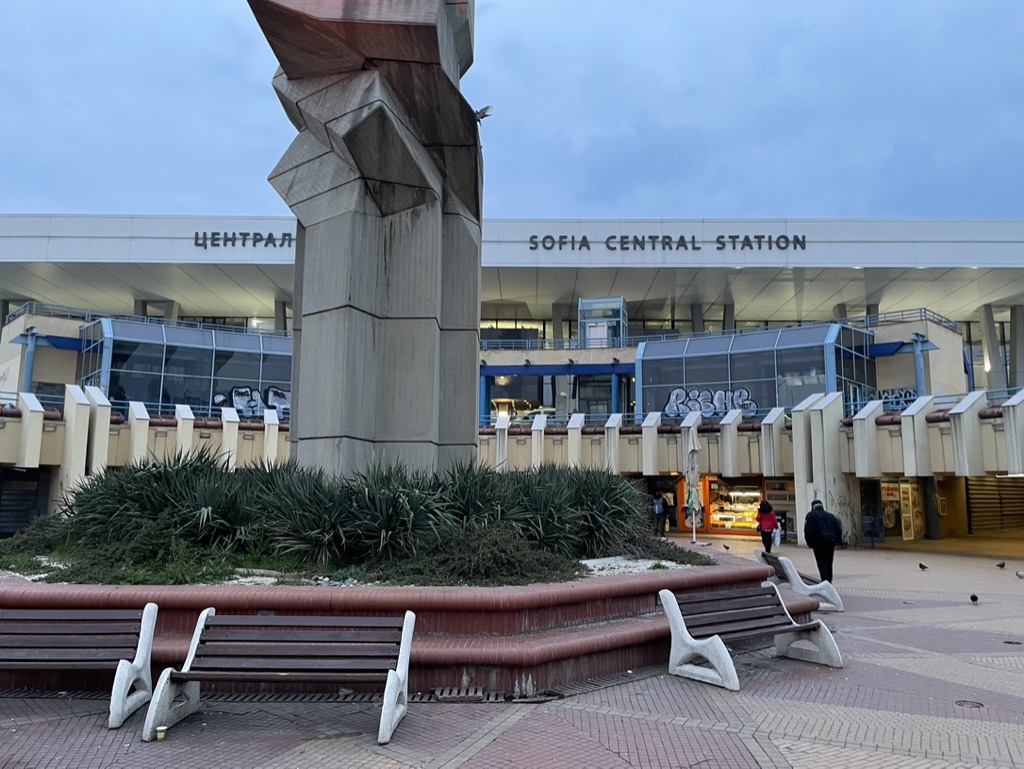
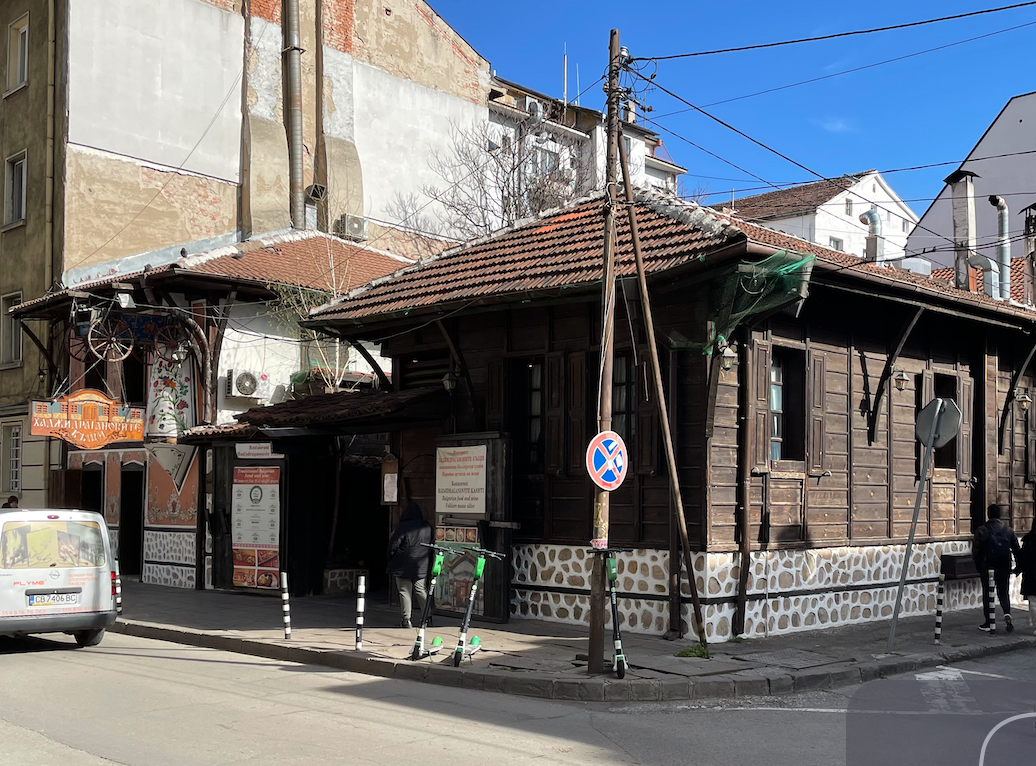
In amongst the jumble of modernities of the past century and almost hidden on a suburban side street near the station,….
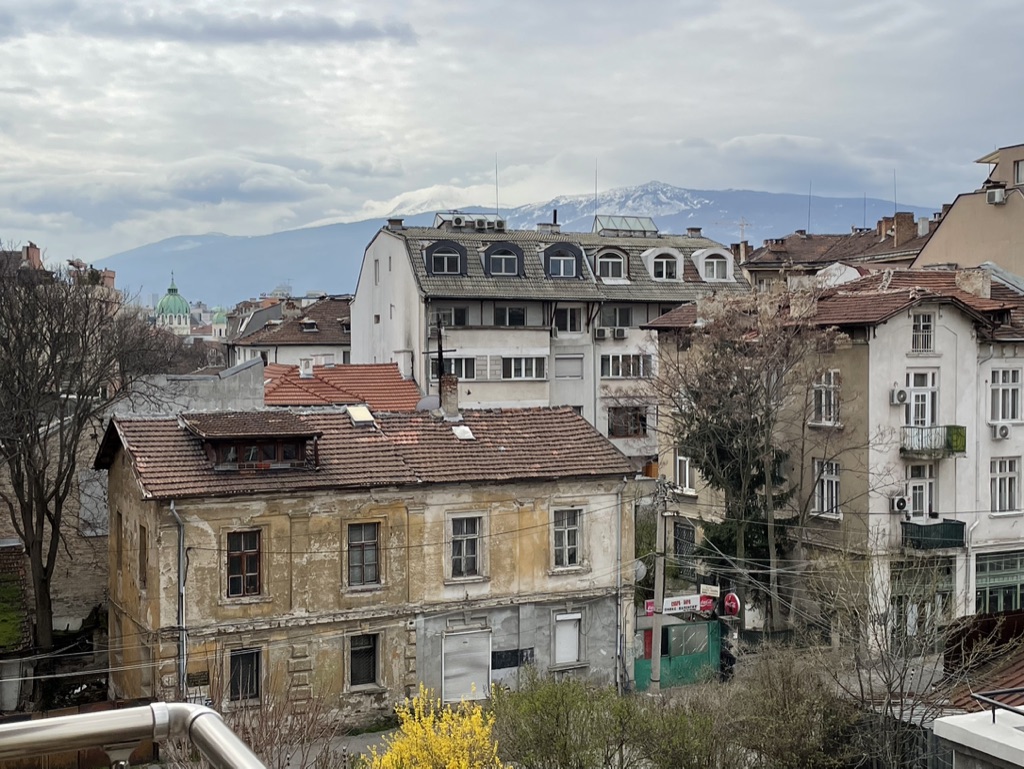
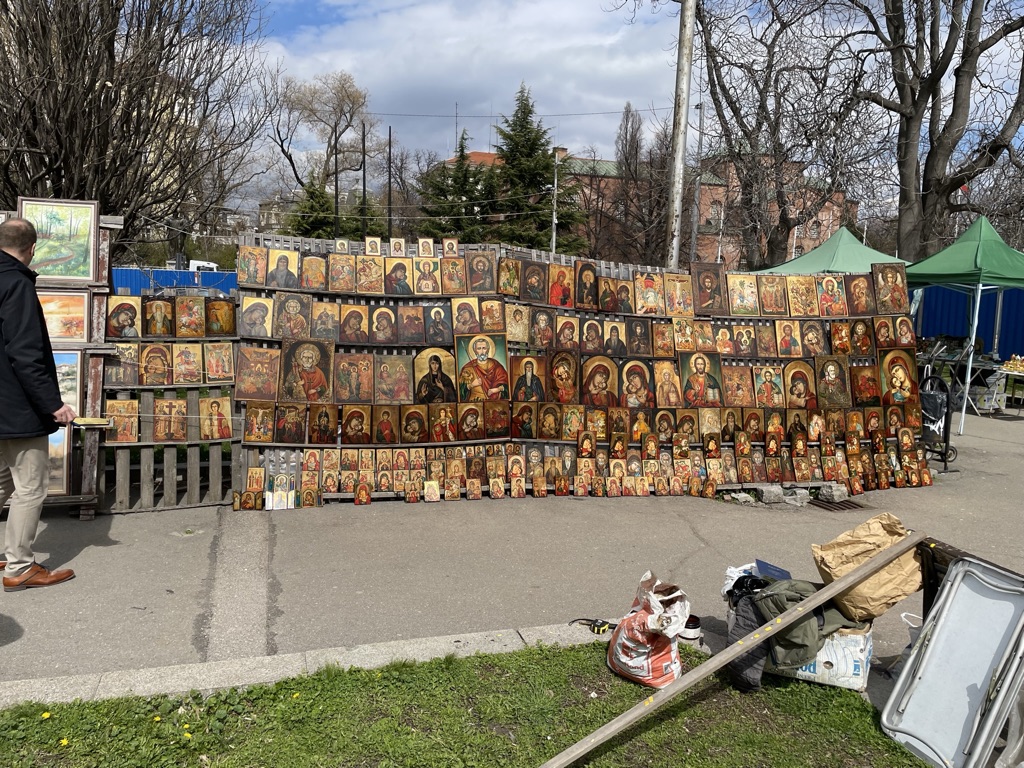
….older traditions are romantically marketed.

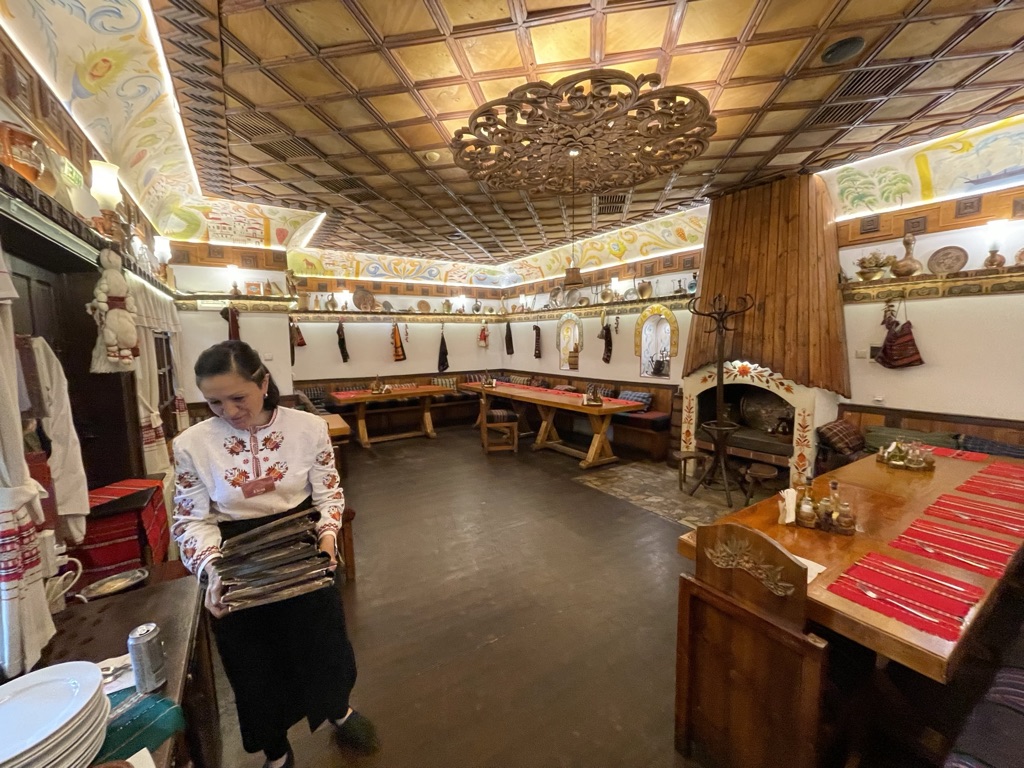
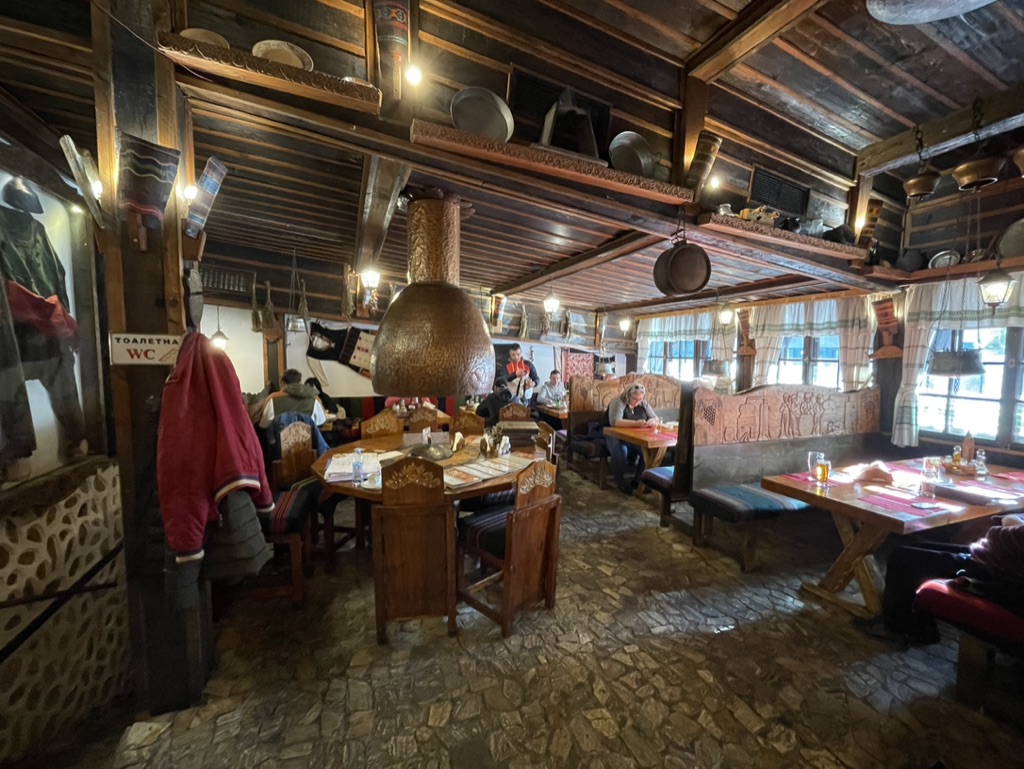
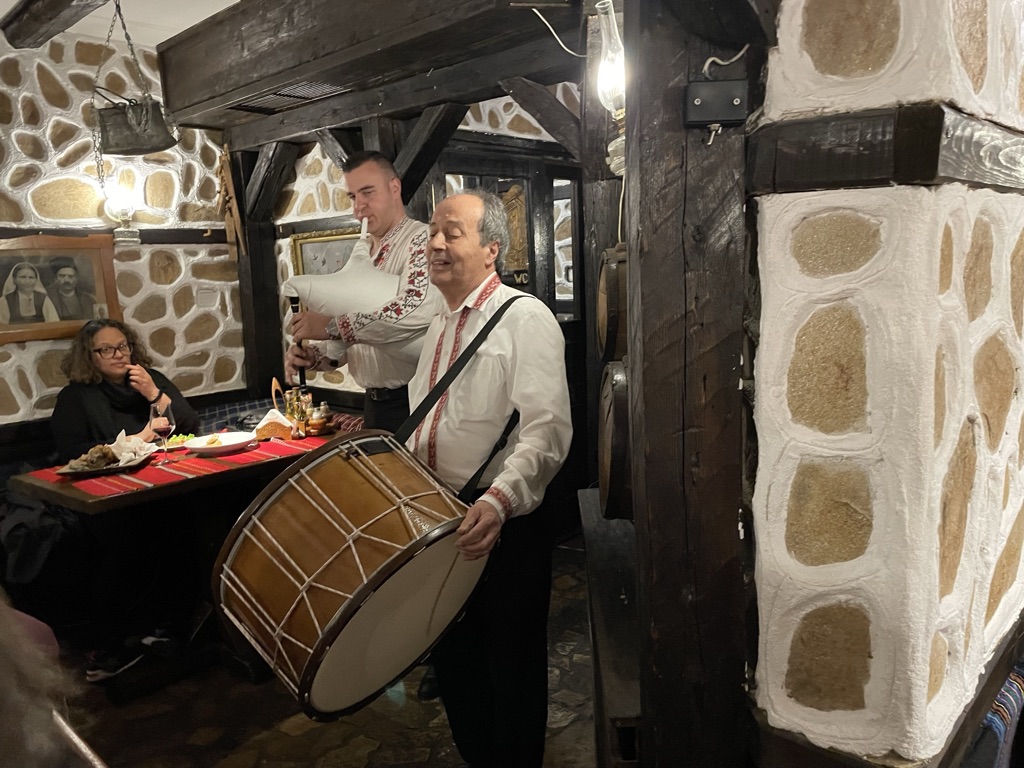
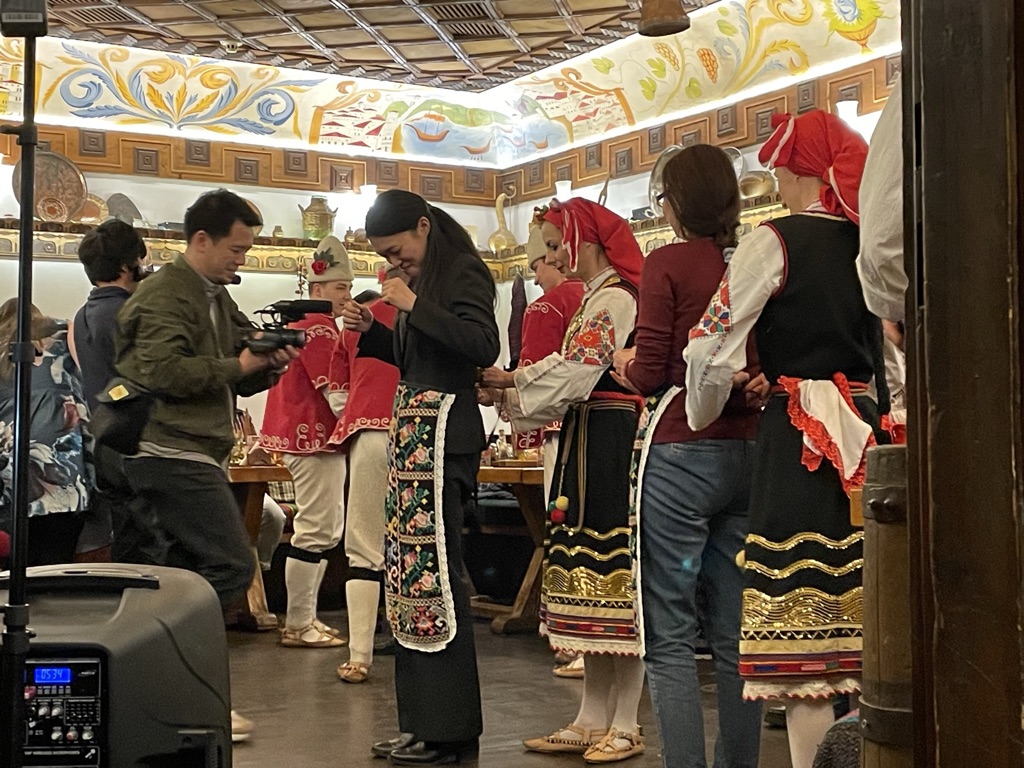
We were told that there was a special link between Japan and Bulgaria due to a shared cultural interest in Cherry trees – blossom & fruit.
Thursday 30th March
A day walking around central Sofia…. at the end of which we take the overnight sleeper to Istanbul.

Lions feature: They are
a symbol of the authority of the state and the courage and invincibility of Bulgarian warriors, who fought “like lions” during the wars of the last two centuries.
https://sosofia.com/en/sostories/the-lions-of-sofia/
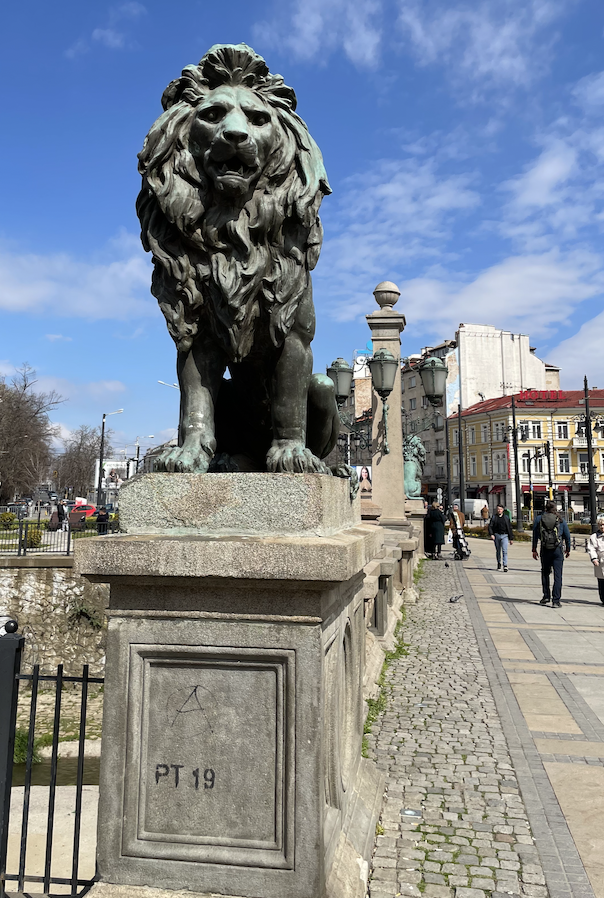
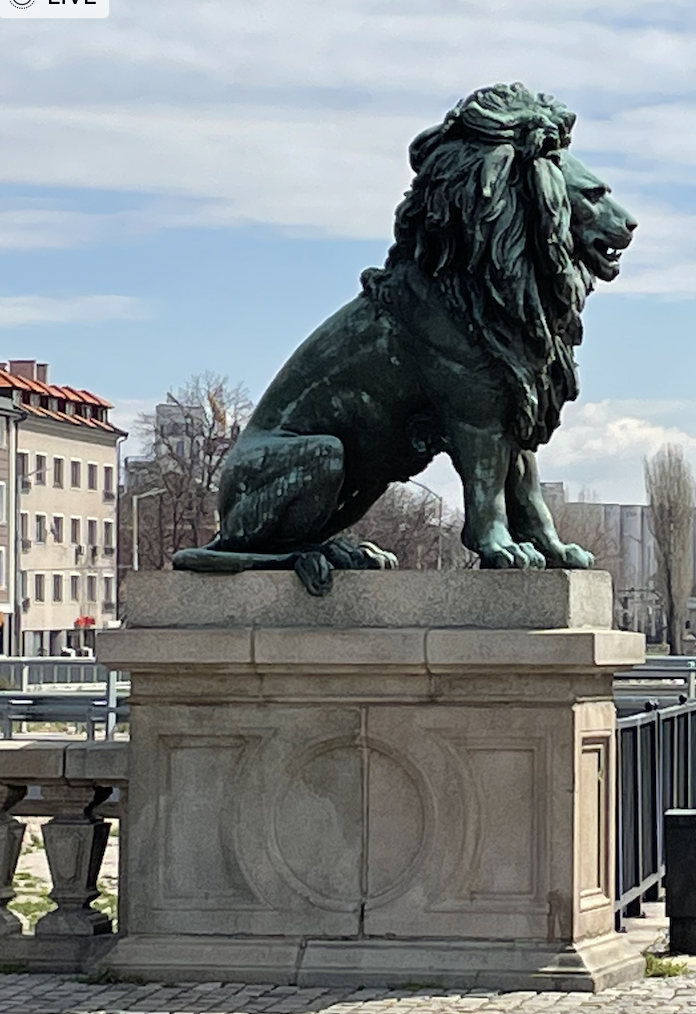
The most significant Bulgarian National Hero (a classic ill-fated C19th revolutionary), Vasil Ivanov Kunchev, known as the ‘Apostle of Freedom’ is known as Vasil Levski (‘the lion’).
Trams, new and ‘not-so-new’ have, sensibly, been retained…..
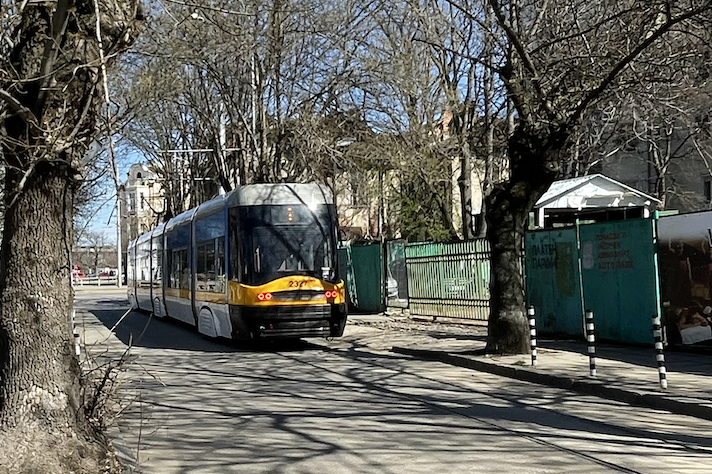
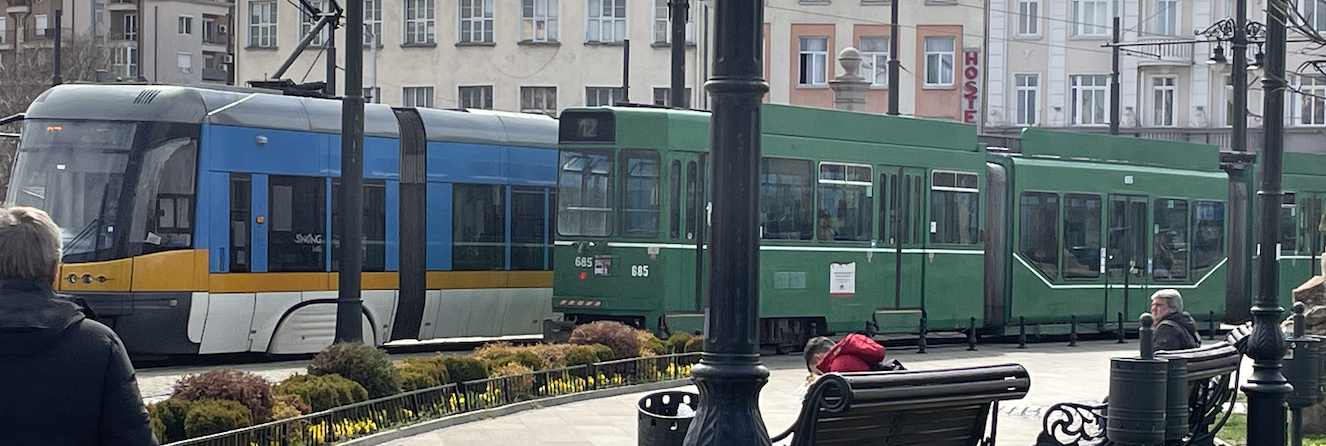
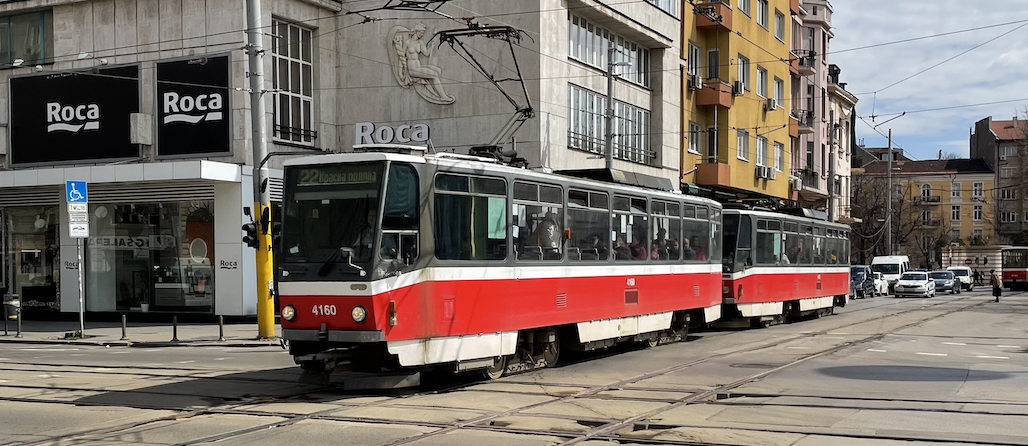
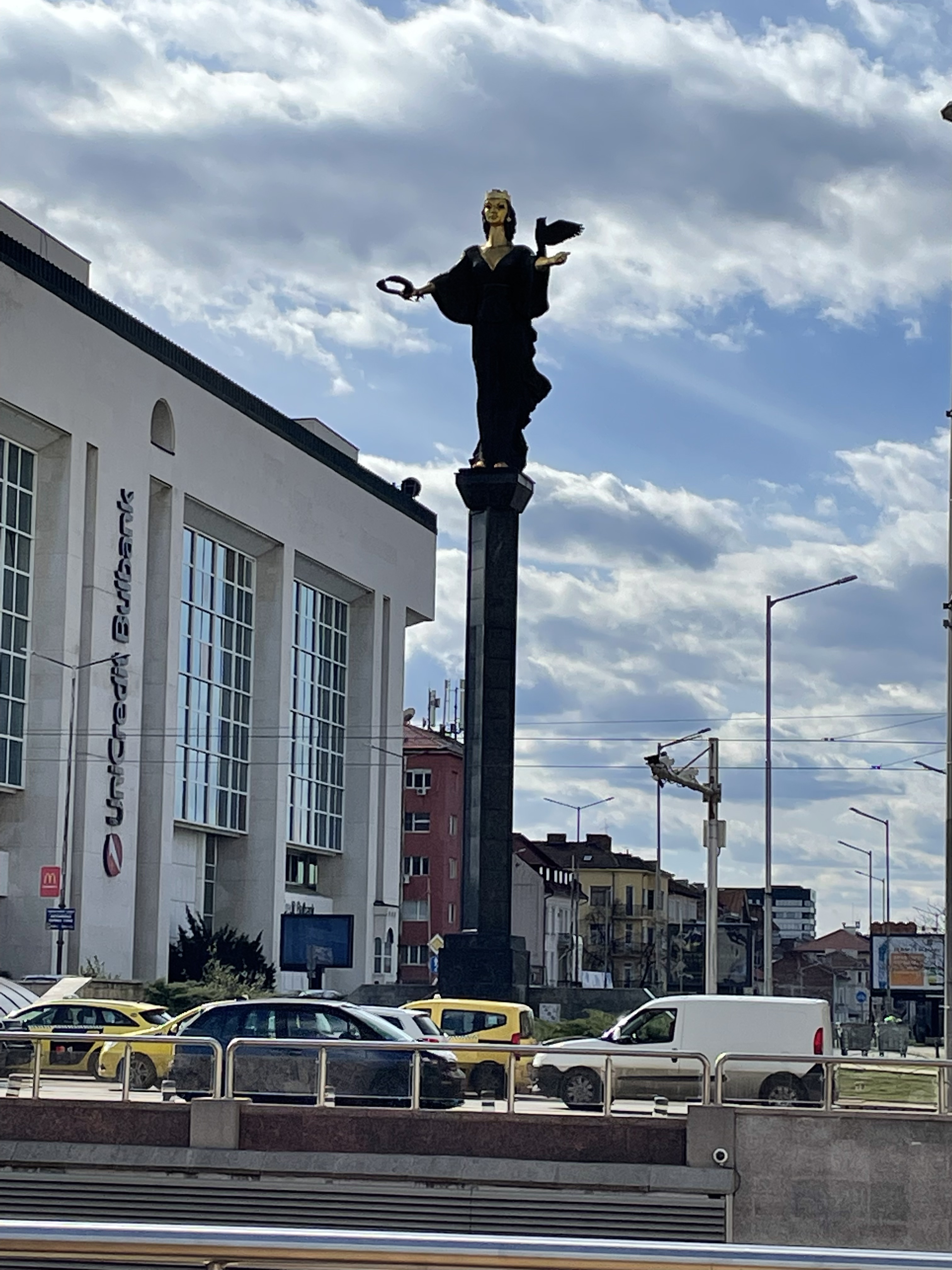
…. and the major monuments in the centre of the capital reflect the geographic position and historical complexities which modern Bulgaria is managing to negotiate.
Walking into the centre from the north the first significant building is the Banya Bashi Mosque. It was built in 1566 over thermal springs.
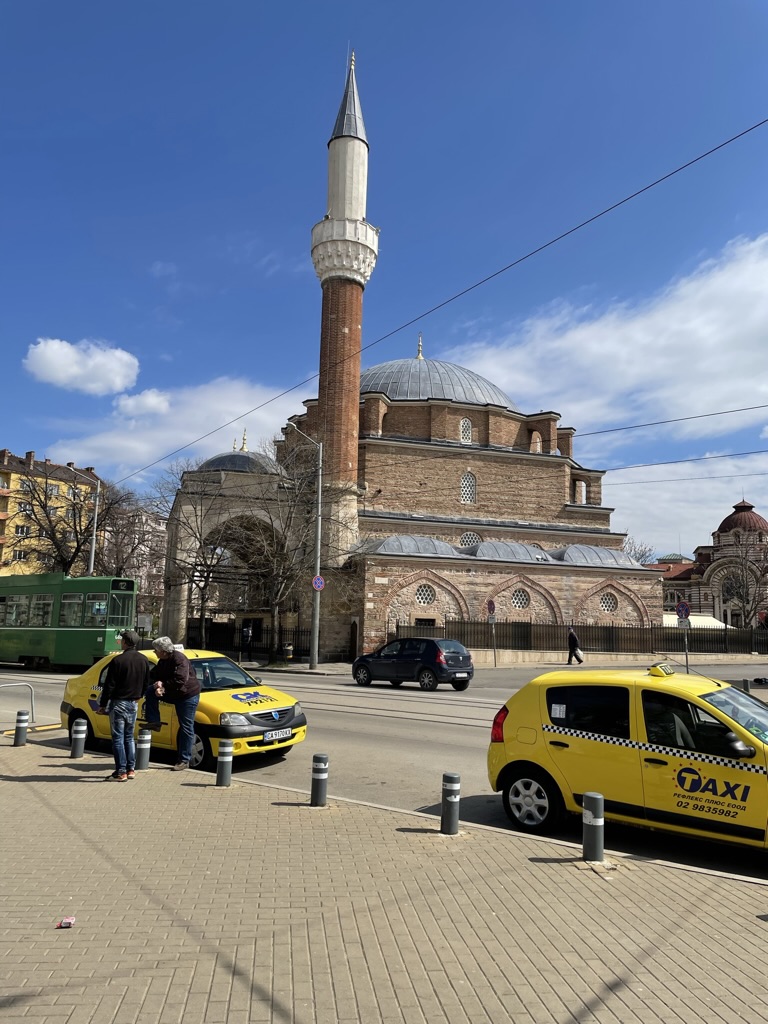
Since the time of the Ottoman Empire, Bulgaria has had a significant Muslim population. (presently around 10%). Buildings, in a style emblematic of a more recent controlling power are nearby
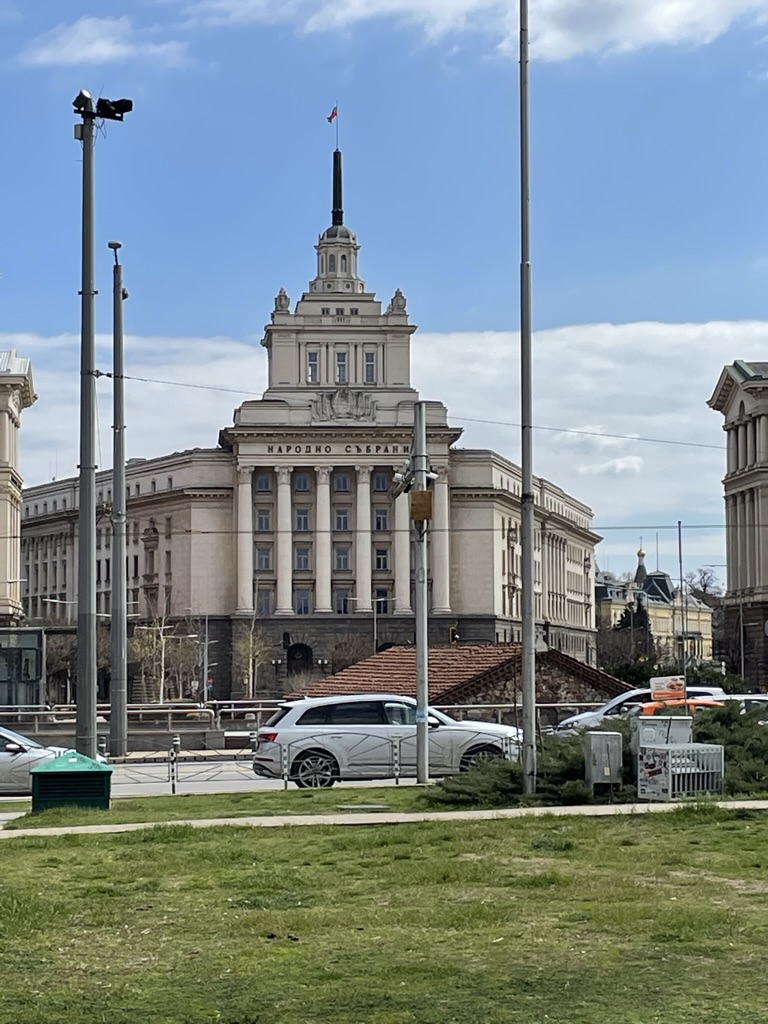
…. as are a range of others alongside evidence of a more ancient Empire.

In Sofia we became ‘Sight-seeing tourists’.
The word ‘tour’ originally applied to a duty – a period during which the duty was performed (a ‘turn’). In modern usage it came to mean a ramble or excursion. The word ‘turn’ has origins which can mean to ‘drill’ or to ‘rub away’
Our journeys are described as being a ‘Tour’ – in some places the ‘tour’ – the ‘turn’ around our partners – simply became (that frequently most shallow of touristic activities): ‘sight-seeing’
in Pleven and Sofia our ‘sight-seeing’ proved to be stimulating and part of a very valuable overall experience – in assisting our understanding of the continuing complexity of international relationships that Bulgaria faces.
The sites we viewed in Pleven and Sofia became revelatory – but only once we turned ‘sight-seeing’ into curiosity leading to further investigation, encounter & engagement.
The buildings in the central area of Sofia reflect (being ‘a product of’) the struggle of nationalists in the C19th to create a Bulgarian nation. Especially the ‘liberating Russians’ (who would, had been allowed, have created a new Bulgarian Empire… protected, naturally, by Russia).
As with other countries in this region there are many interlinked historical complexities, including religion.
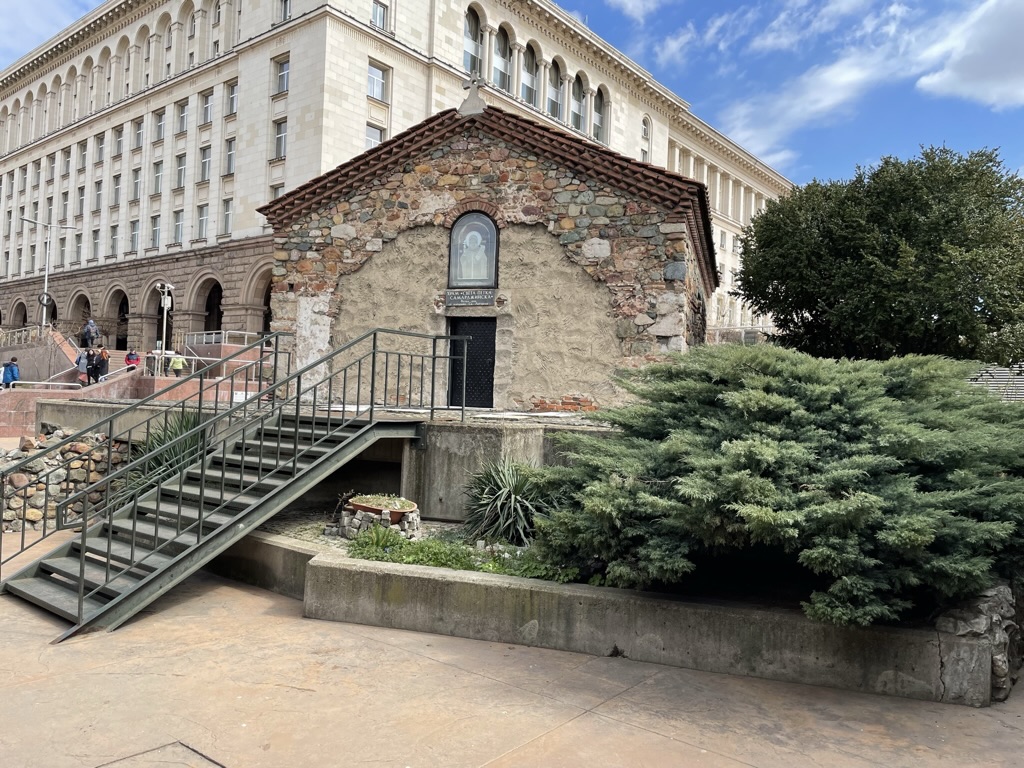
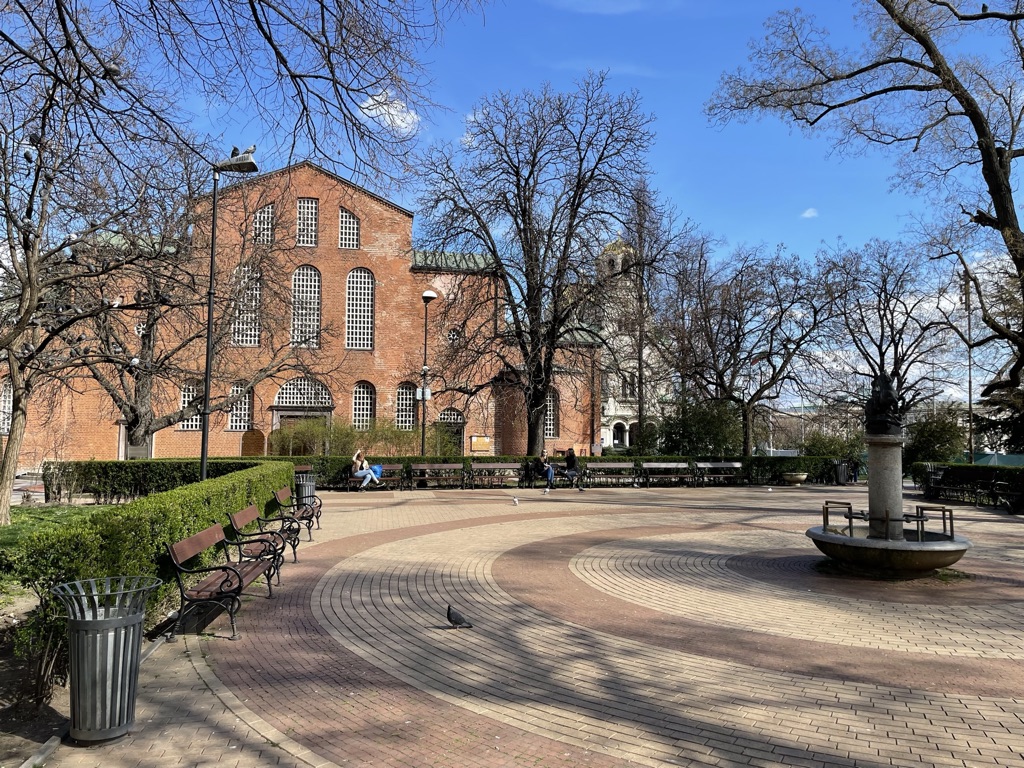
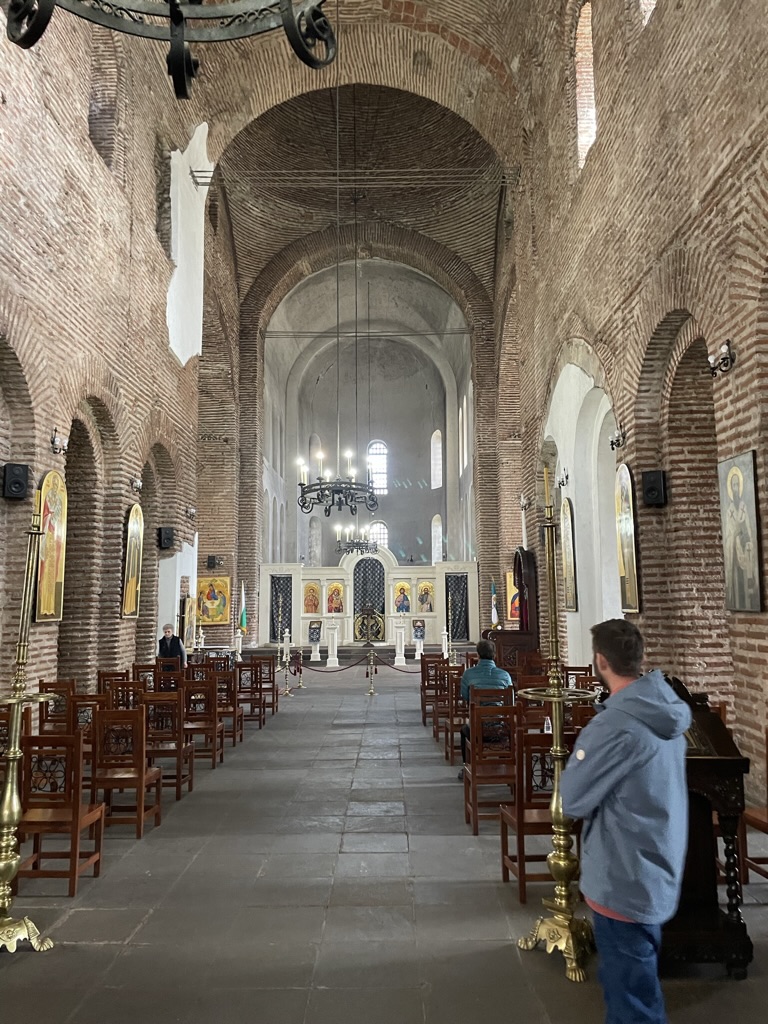
‘The Russian Church’
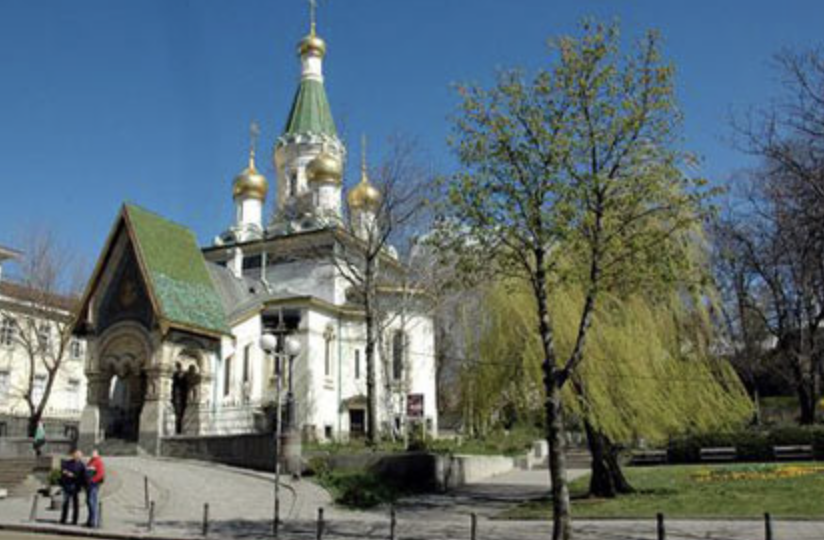
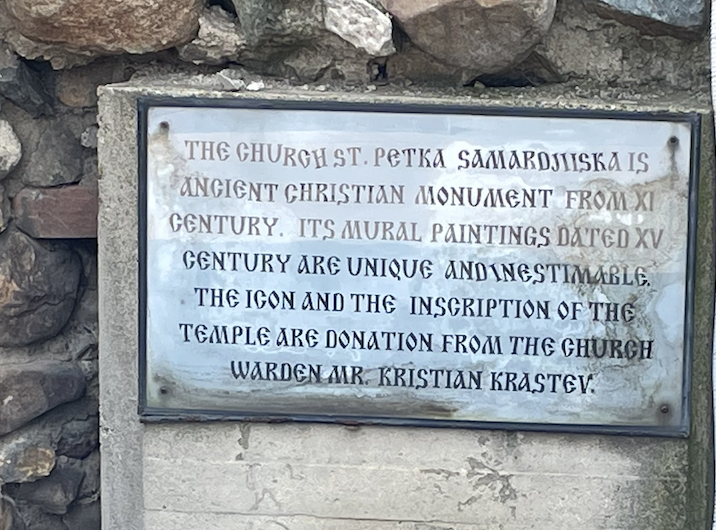
To understand the origin of the Church , provided on the faded information board, required ‘background’ knowledge, & reveal more of certain core elements of Bulgaria’s recent history.
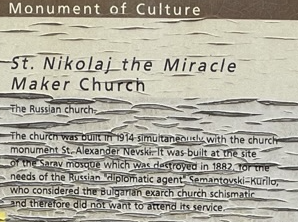
“The church was built in 1914 simultaneously with the church monument St Alexander Nevski. It was built at the site of the Saray Mosque which was destroyed in 1882 for the needs of the Russian ‘diplomatic agent’ Semantovski-Kurilo, who considered the Bulgarian exarch church schismatic and therefor did not want to attend the service.
The destruction of a mosque occurred following the creation of the de-facto independent (from the Ottoman Empire) Bulgarian Principality in 1878.
However Bulgaria had other limitations.
The Orthodox Christian Church has a series of independent national (usually) churches led by a ‘Patriarch’. They are of co-equal status & authority but recognise the ancient position of the ‘Ecumenical Patriarch of Constantinople’ as having seniority.
Since the defeat of the 2nd Bulgarian Empire by the Ottoman Turks (in late C14th) its ‘national’ Orthodox Church lacked independent status (‘autocephaly’). After the creation of the Bulgarian Principality (1878) there was a ‘national’ Bulgarian church. It was an ‘exarchate’, officially unrecognised outside its considerable boundaries.
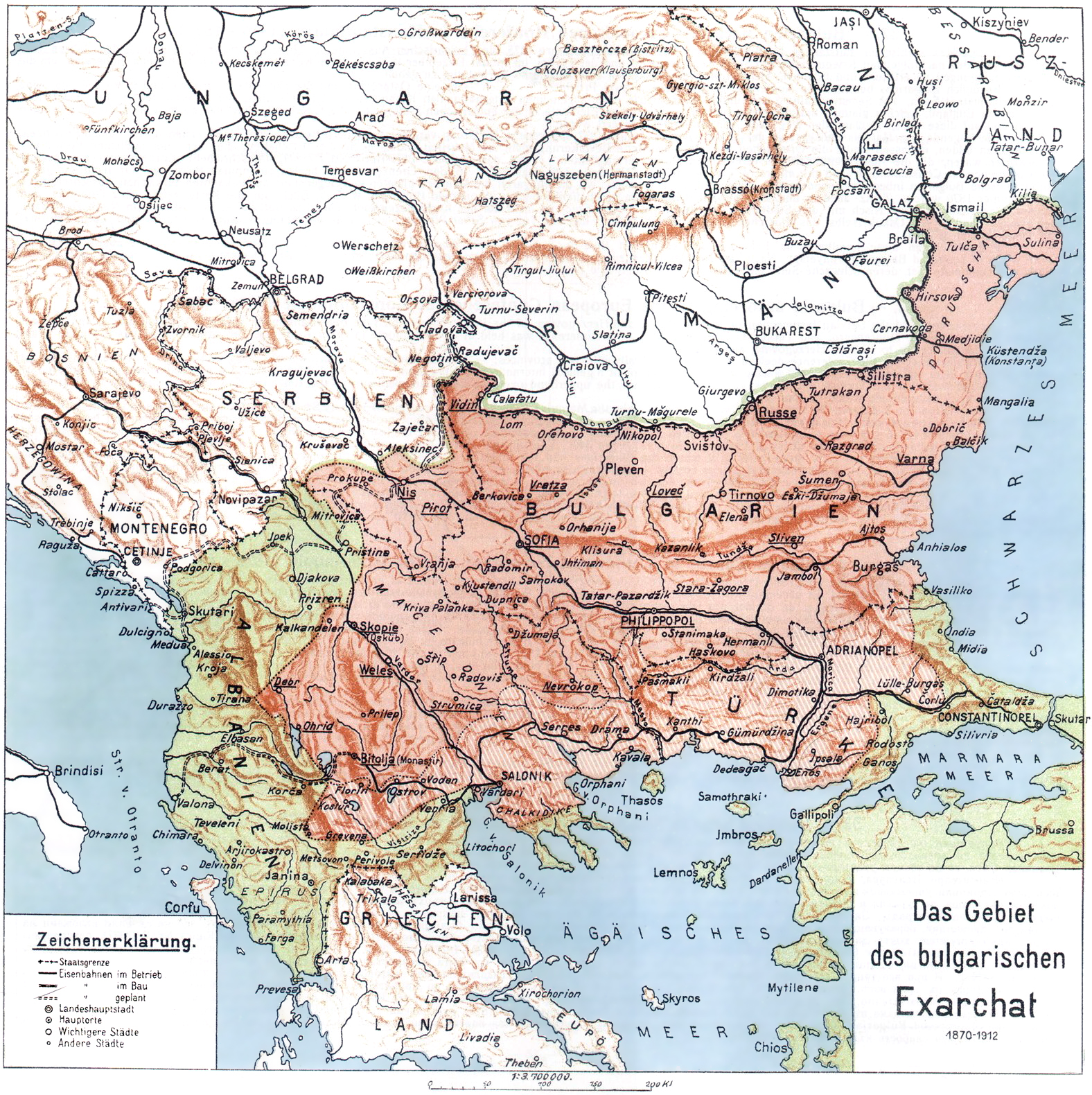
Lacking official recognition (by other Patriarchs, especially Constantinople) it was technically ‘schismatic’ & its adherents (ie the bulk of the population in which it was established) were ‘heretics’!
(The Orthodox Churches have never been shy of expressing strong views – and acting upon them…. and shifting quickyl when the ‘secular wind’ changed)
The Church eventually became officially recognised as a Patriarchate in 1945.
Russian views & influence (that the Bulgarian Orthodox Church in 1914 was an ‘error’ and thus schismatic) could not be ignored. Therefore whilst the huge Alexander Nevski Cathedral was being constructed, the Russians built their own church.
These complexities have been and probably still remain – Orthodoxy has traditionally been closely linked with ruling authorities & ‘The Church’ (in several ‘Orthodox’ nations) remains an important element in social and political affairs
A similar situation is developing in Ukraine where the national Orthodox Church is evolving away from the The “Patriarch of Moscow and all Rus’ ” due to the invasion & Patriarch’s support.
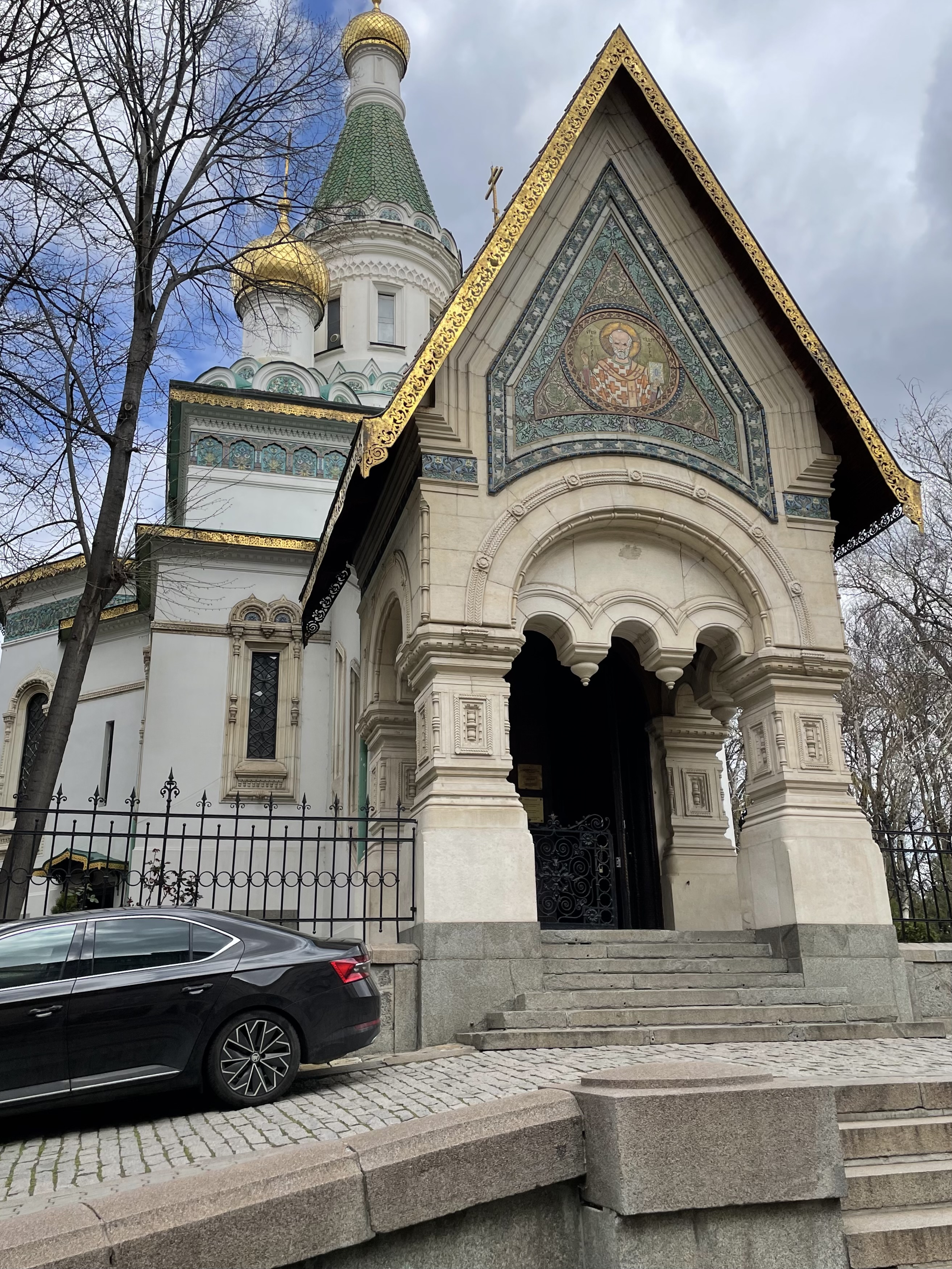
A more recent notice is also placed by the church…
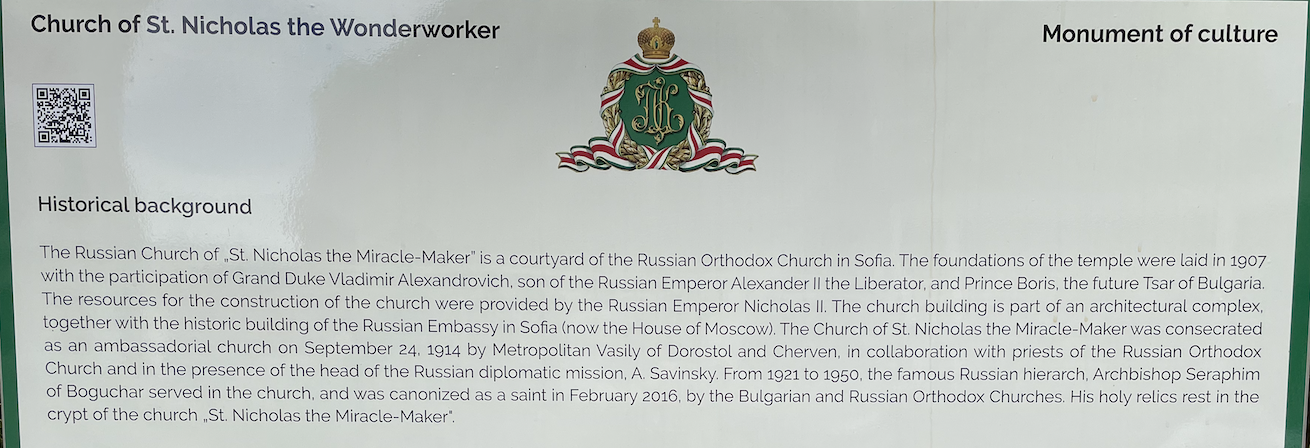
During the years of Soviet Communist led authoritarian control there was, as in other similar countries, no freedom to vary from the ‘official’ Party promulgated view – which included historical interpretation.
The Marxist-Leninist doctrine of ‘scientific atheism’ in Bulgaria required, for most people, an acquiescence (and for some, collaboration)……but the organisation & buildings, though neglected, survived.
Since 1990, Russia, having also ‘re-discovered’ its traditional faith (& tied it in, once again, with the secular structures) is now helpfully supporting Bulgaria with church restoration (as in this church). Friendship, even with a now ‘western leaning’ nation, is worth continuing…. especially with one that has been so recently beholden and close to its old friend.
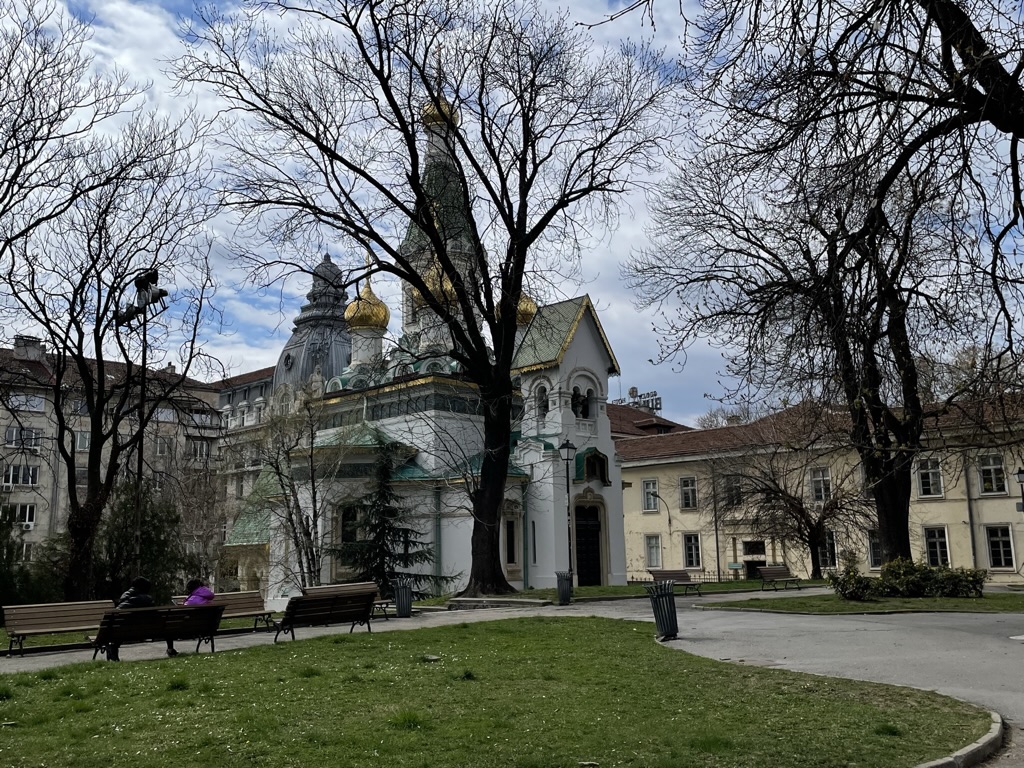
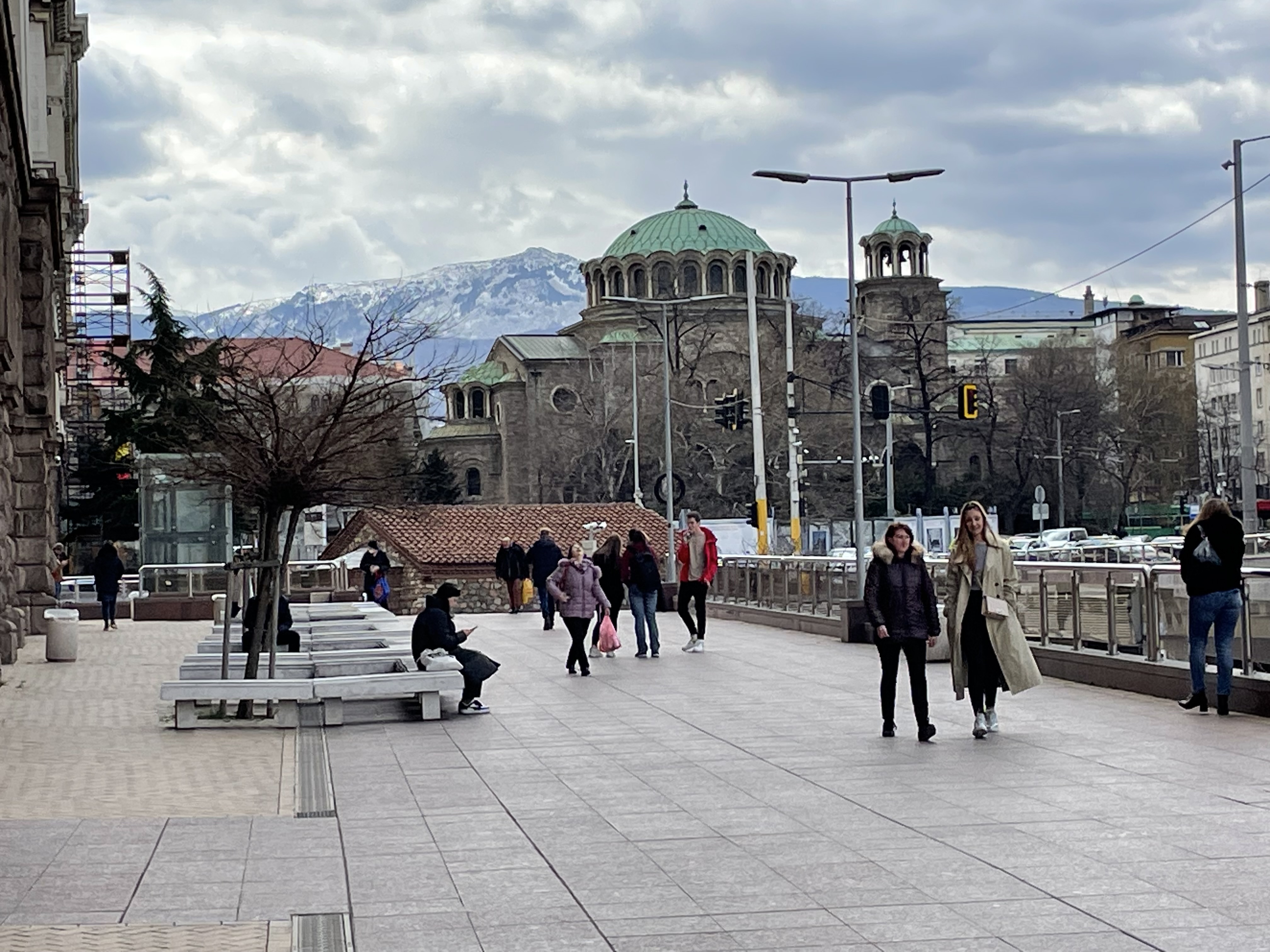
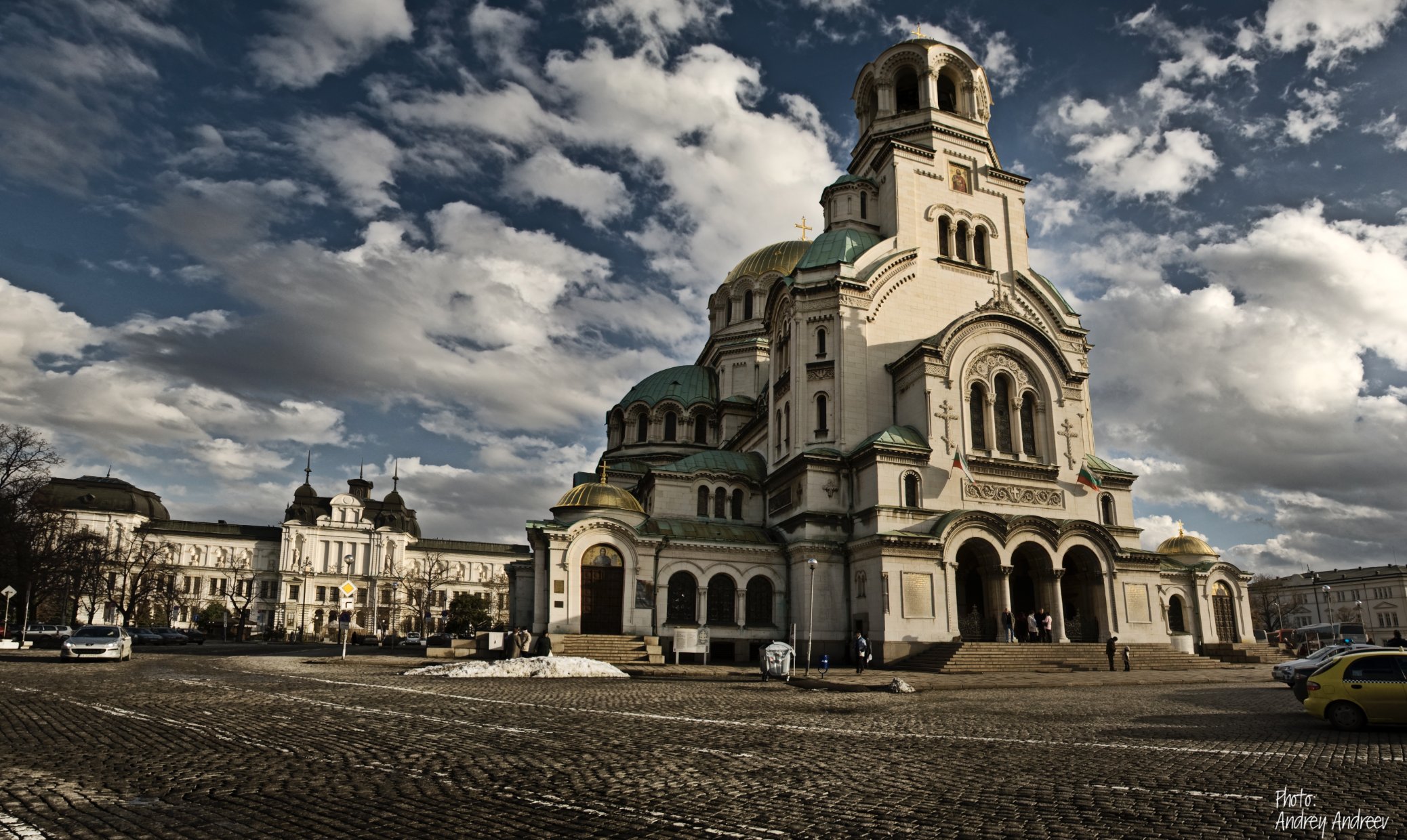
We strolled from the ‘Russian Church’ to the great monument to Bulgarian independence.
In 1970, whilst travelling (hitch-hiking) in a Mercedes bus described and formally labelled as a ‘Berliner Stadtrundfahrt’ we toured the centre of Sofia.
We may have toured but we did not see…. awareness of of the centre of Sofia was confined to my waking from sleep around 05.00 am and noticing that we seemed to be circling a very large white church.
Someone must have told me where we were and what it was because the words ‘Sofia’ and ‘cathedral’ were and remain in my memory.
I slept on……
This was our first and until 2023, only visit to Bulgaria.
A chance diversion on a hitch-hiking journey to Greece that, after joining a bus on the Austrian – Yugoslav border, led to Istanbul.
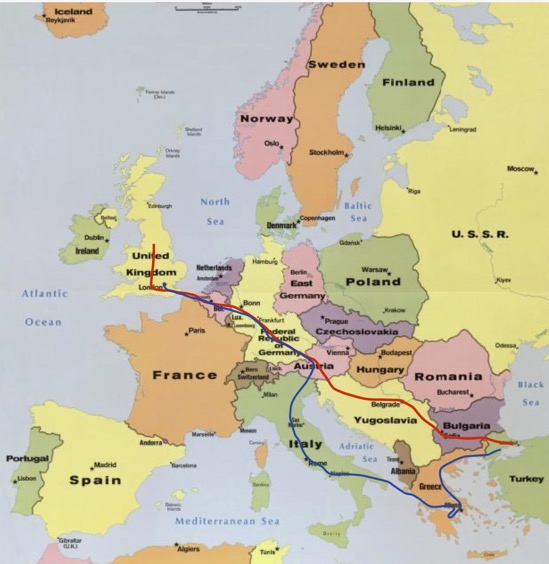
Here in Sofia we joined the route of that journey – and were able to take time to view what had been but a momentary interruption of sleep.
The cathedral is one of the largest Orthodox cathedrals (size matters – but Belgrade’s is larger). Apparently capable of holding 10,000 people (but would local, western influenced EU Health and Safety regulation permit ?… there are many exits)
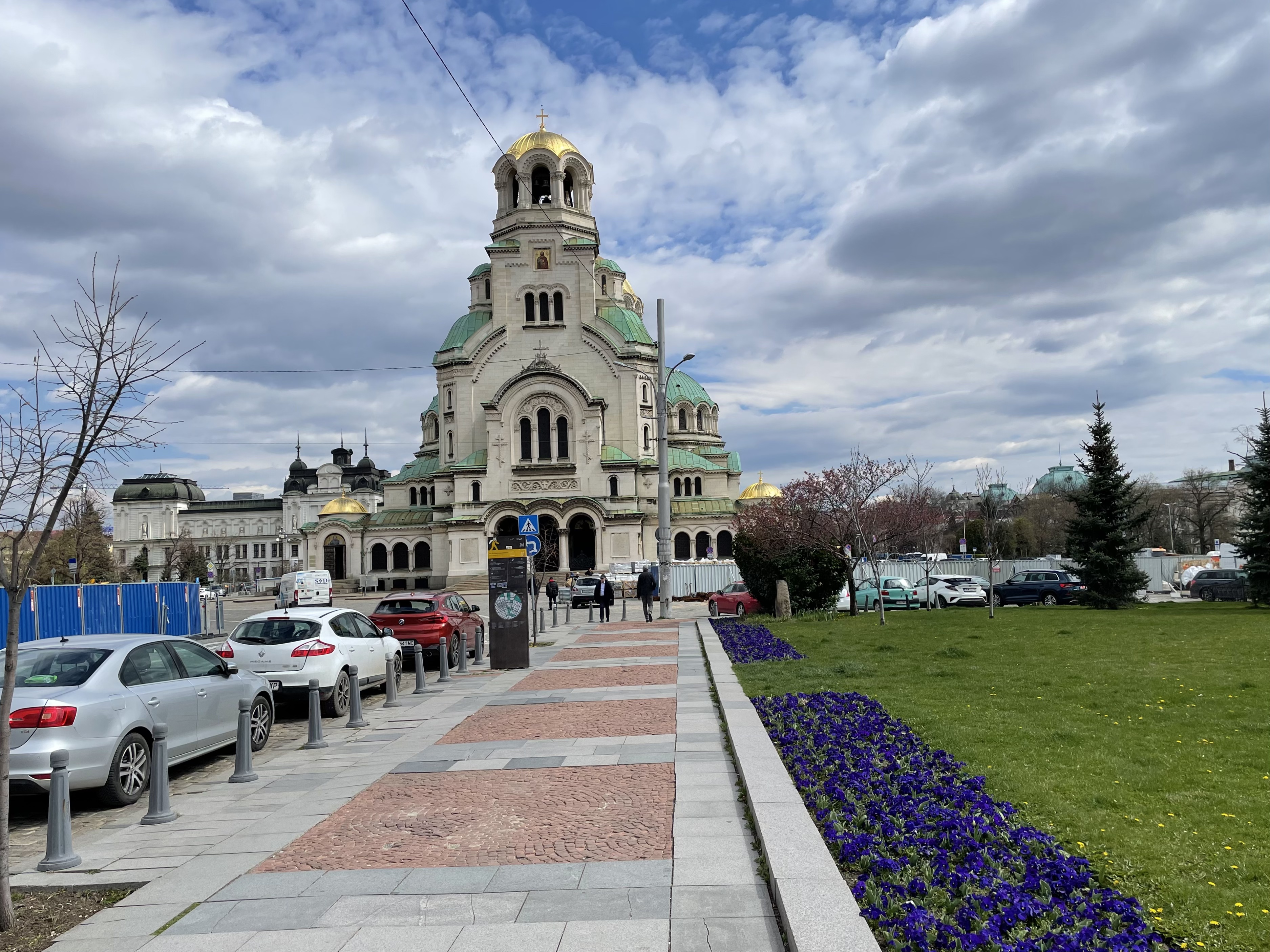
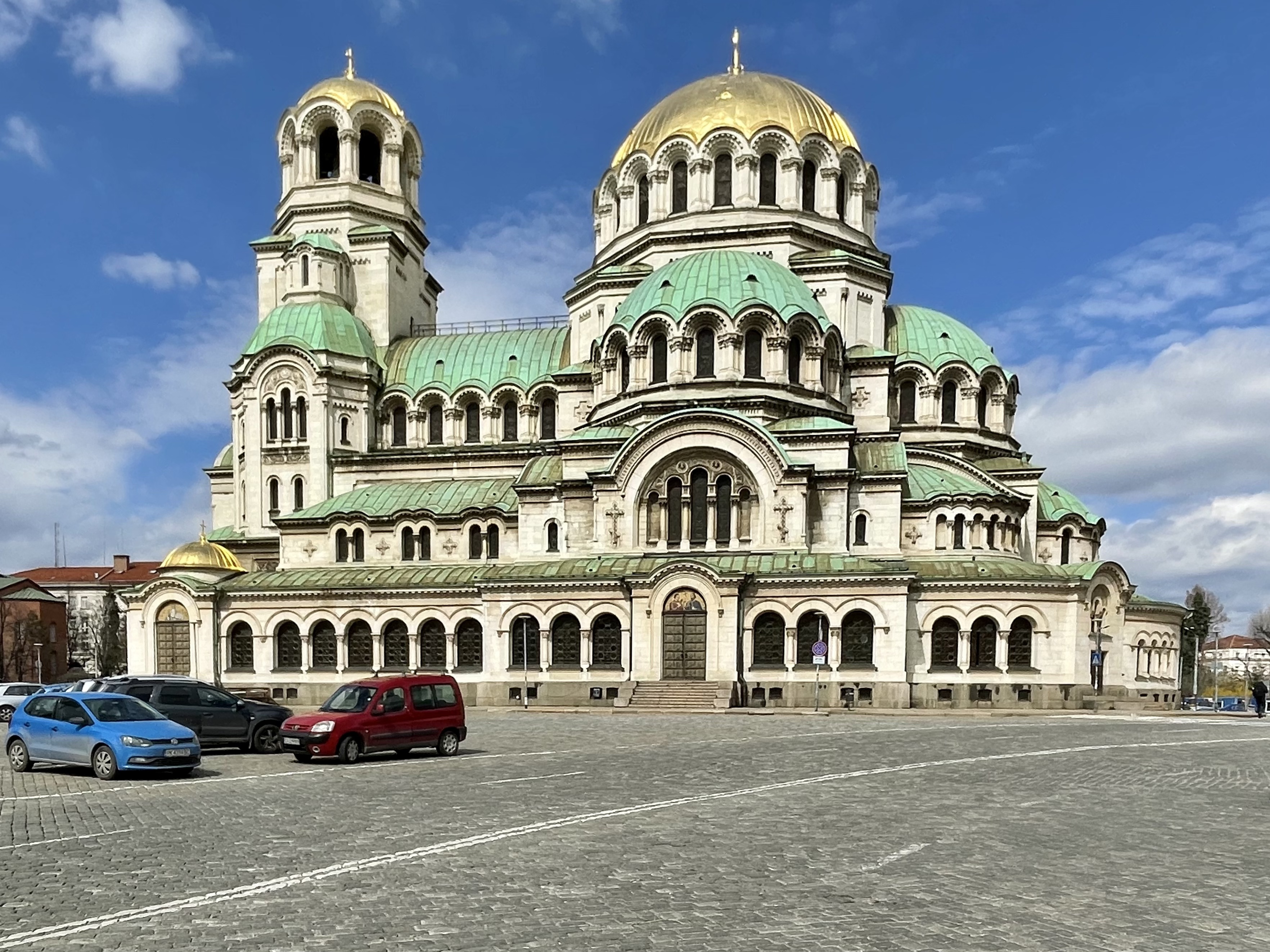
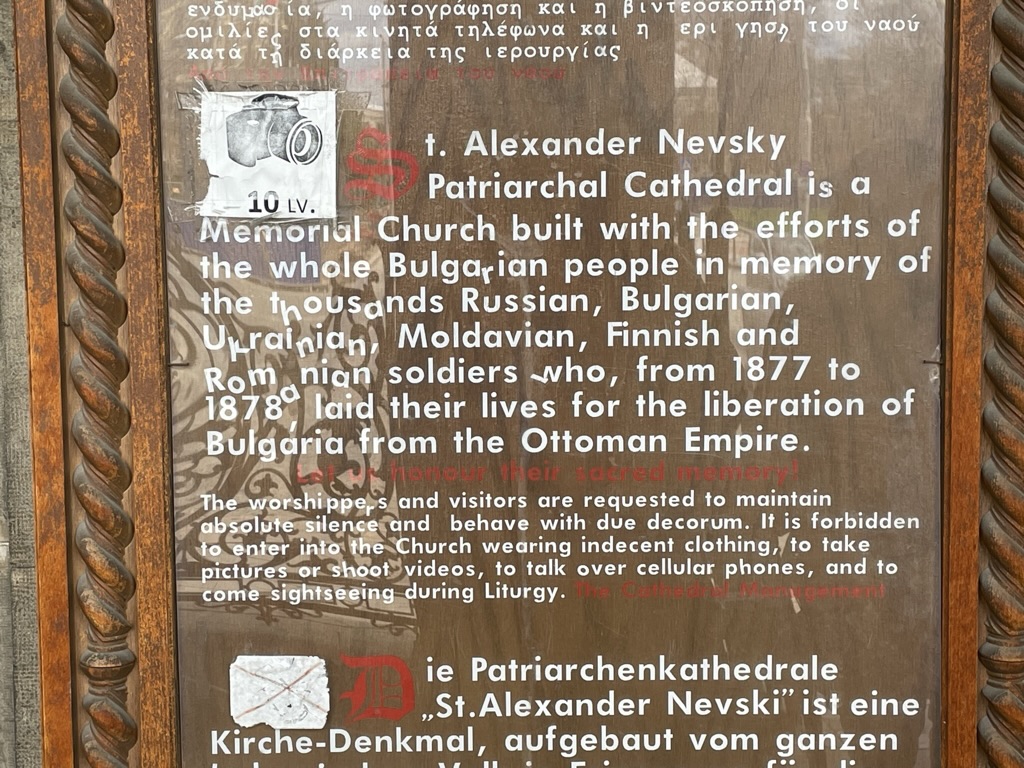
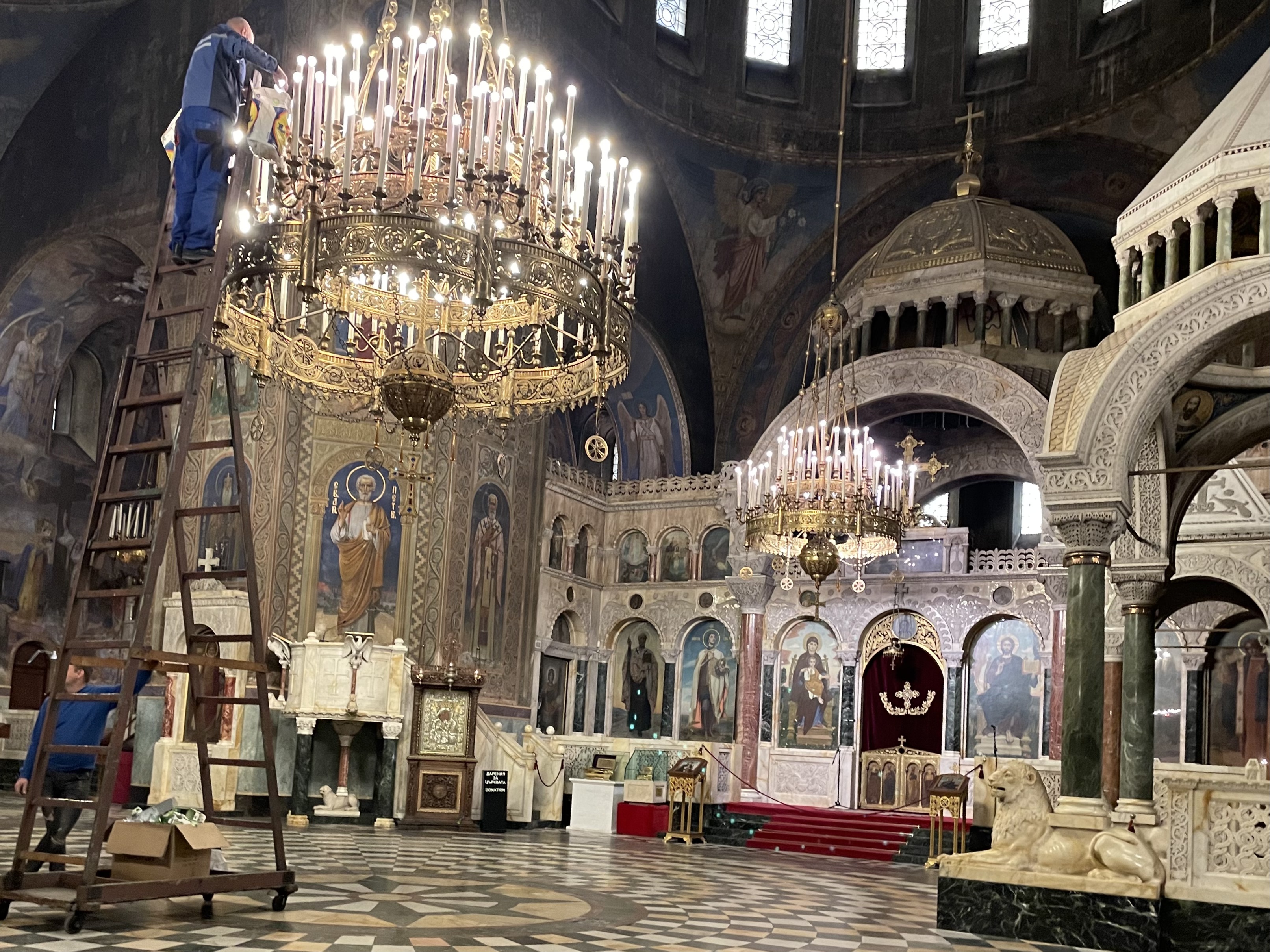
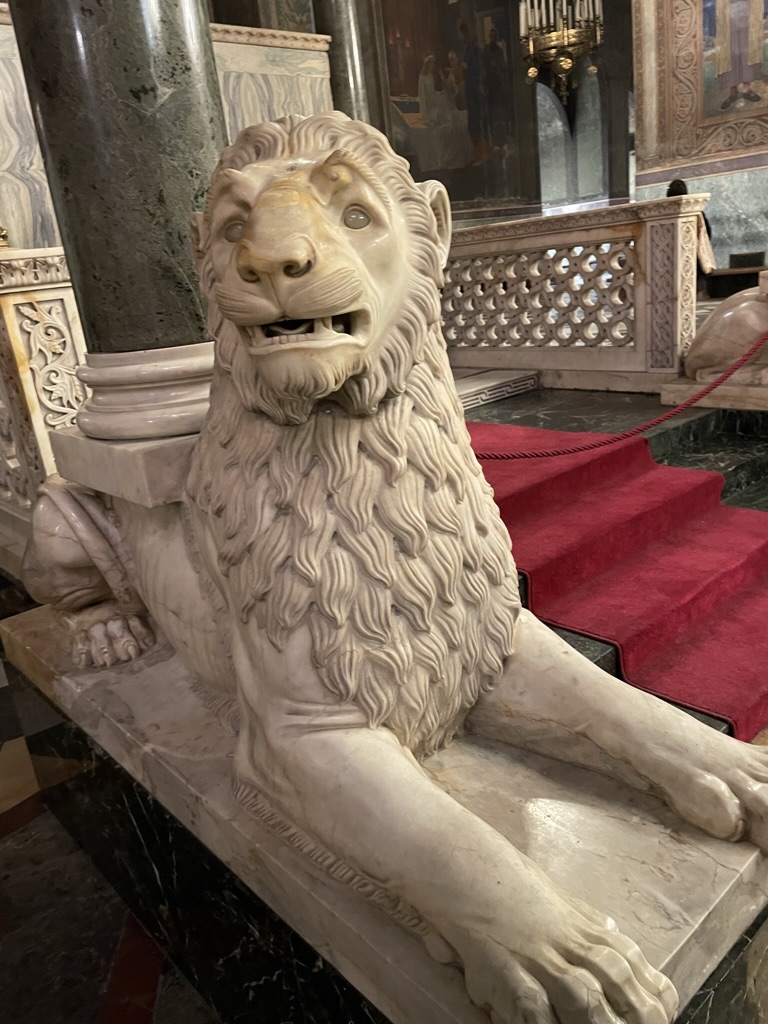
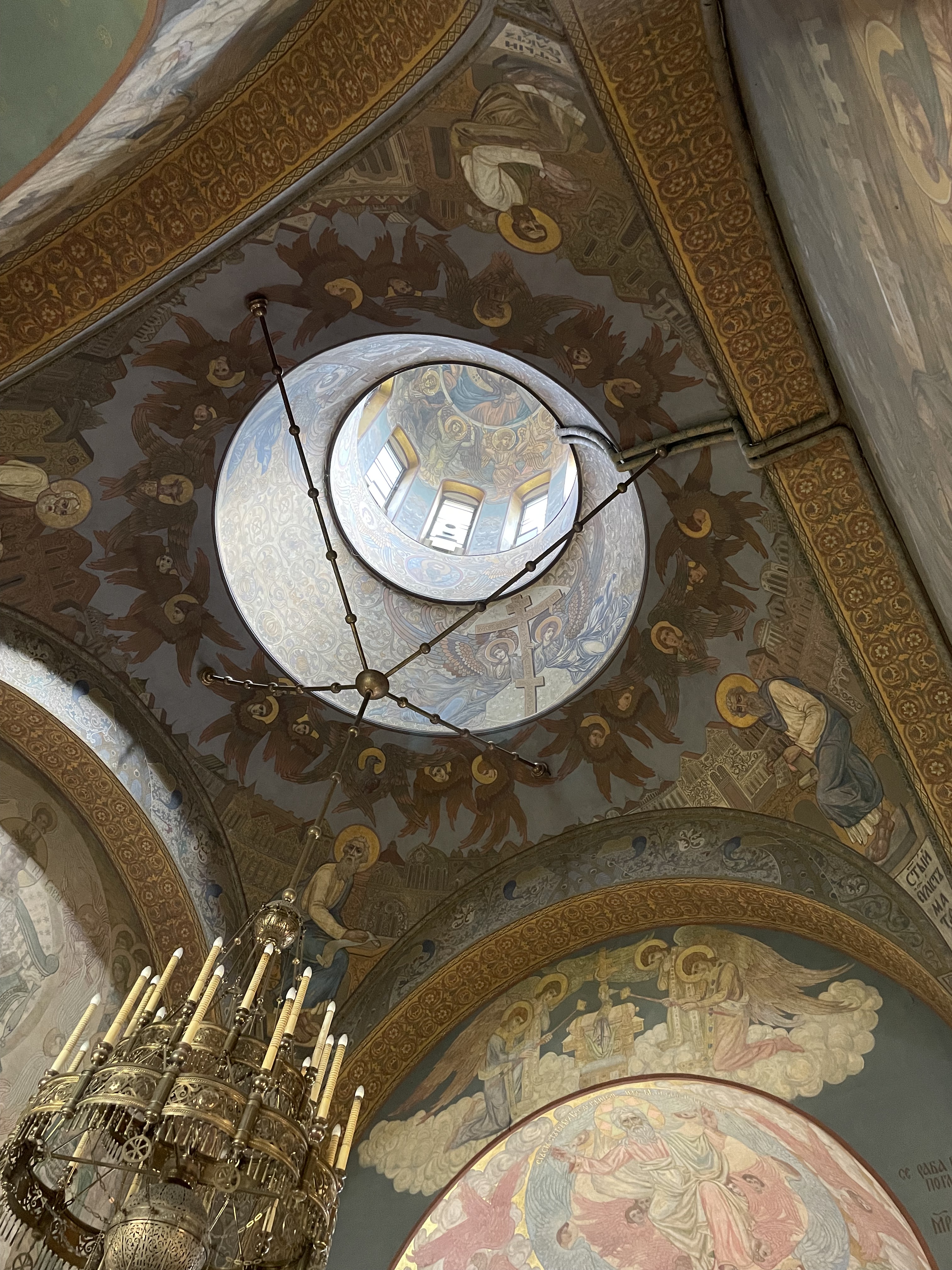
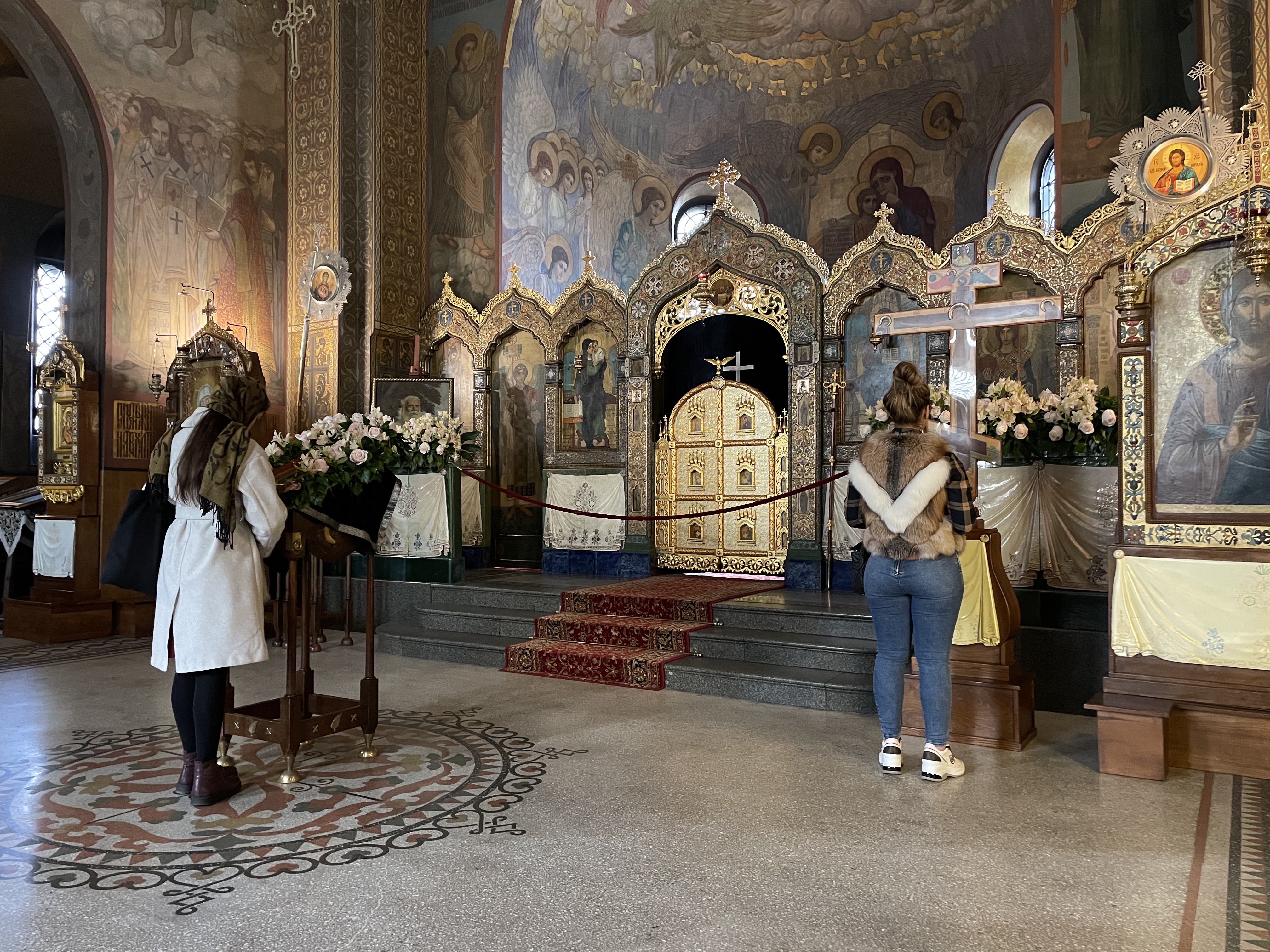
The Cathedral forms part of a complex of important national buildings, all set in open parkland.
There are other monuments nearby – one in particular presents the story (as in Pleven) of the ‘liberation’ of Bulgaria by Russian forces
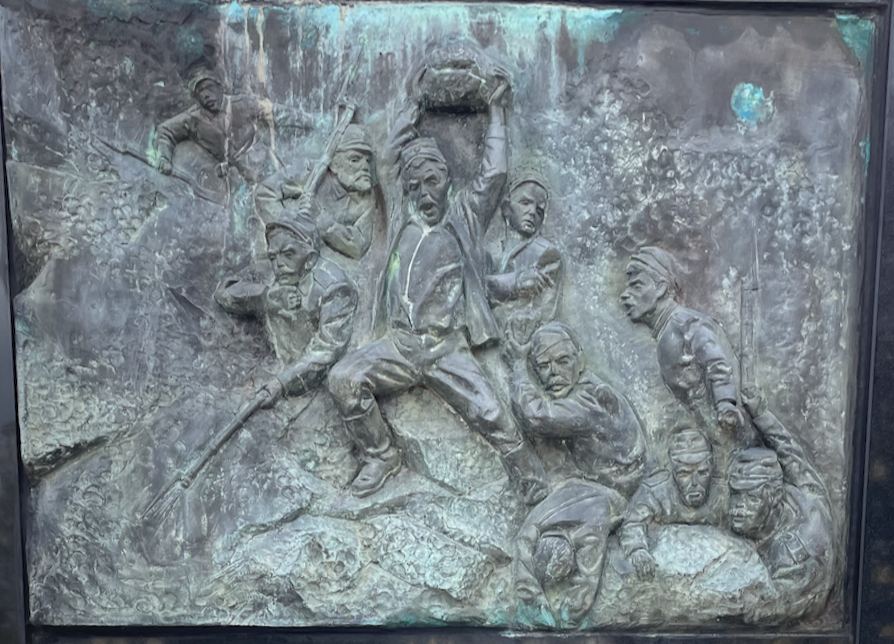
?The storming of Pleven
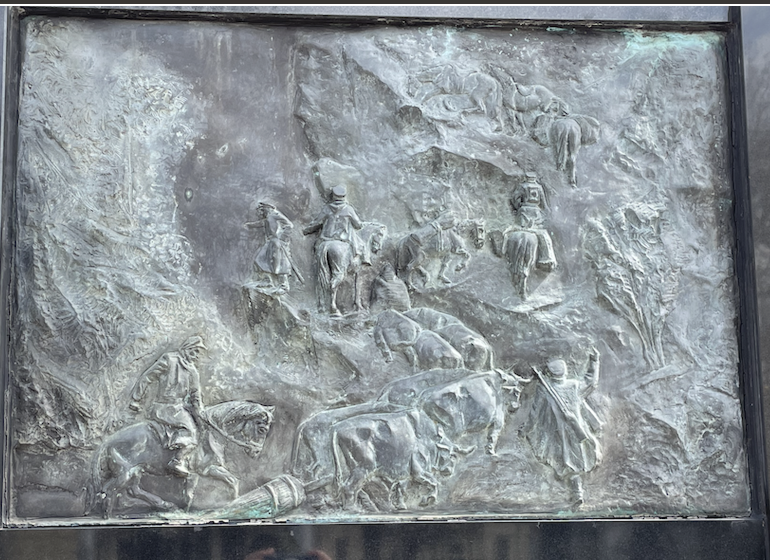
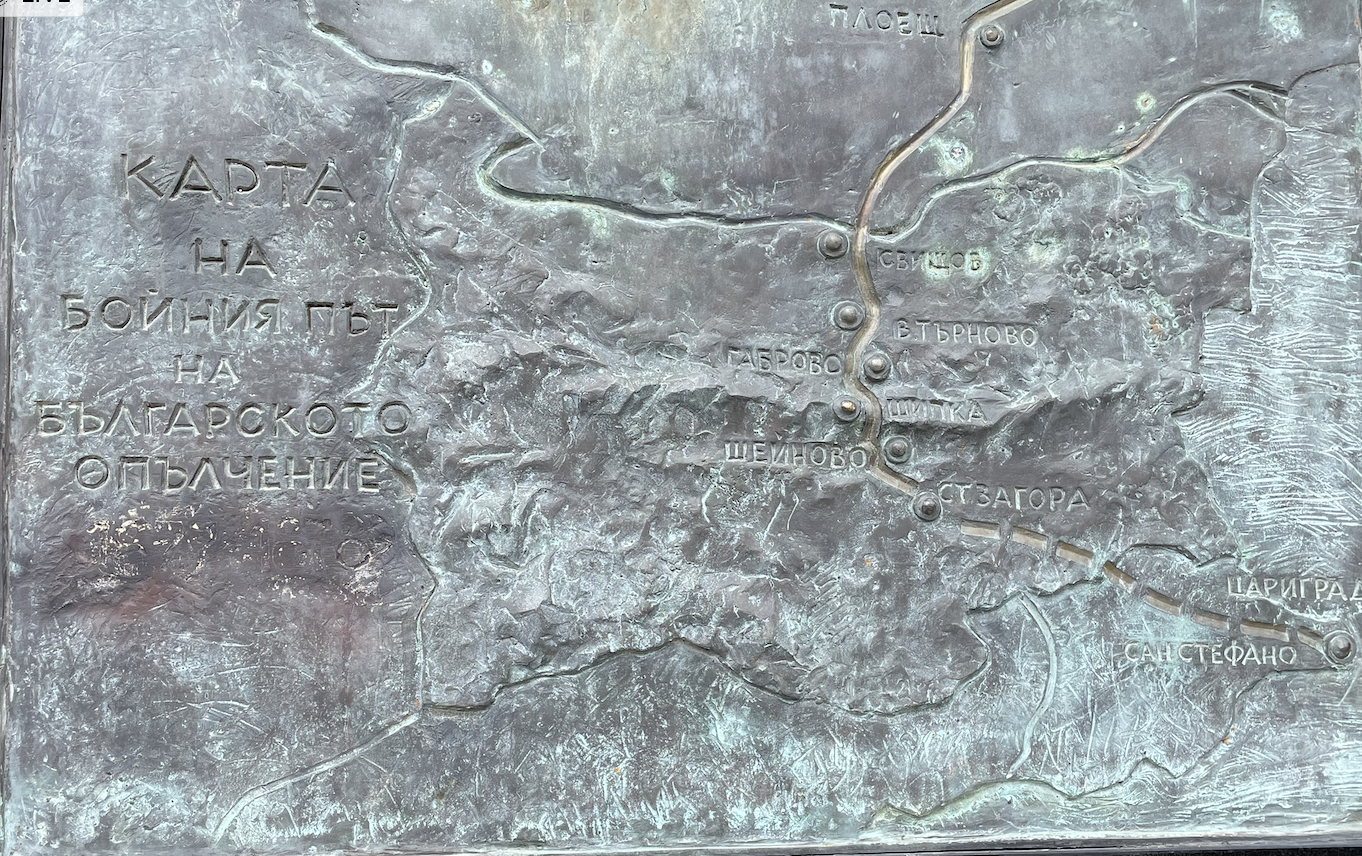
The Shipka Pass
The theme is constantly of another power (in this case Russia) ‘liberating’ Bulgaria and its citizens.
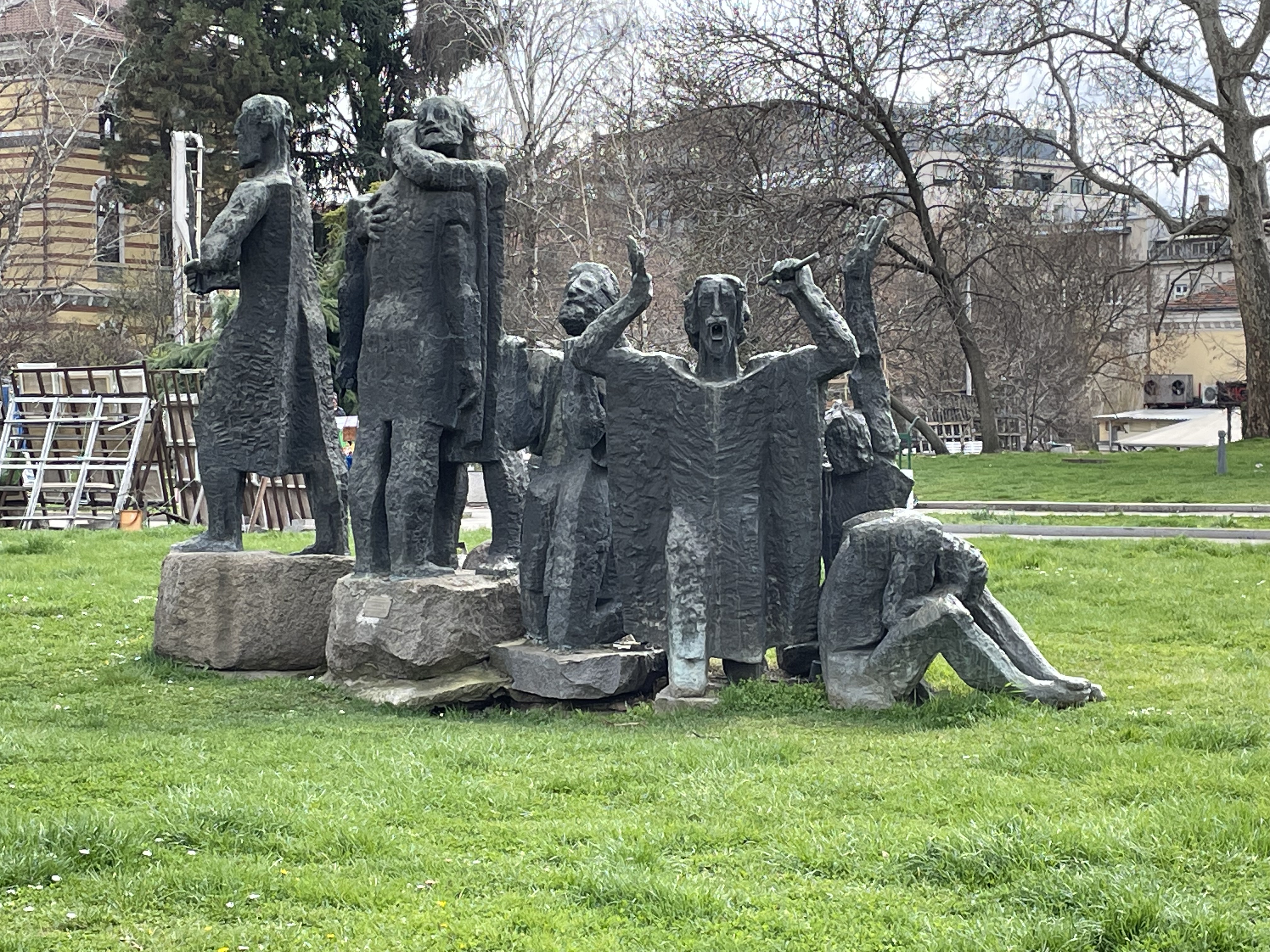
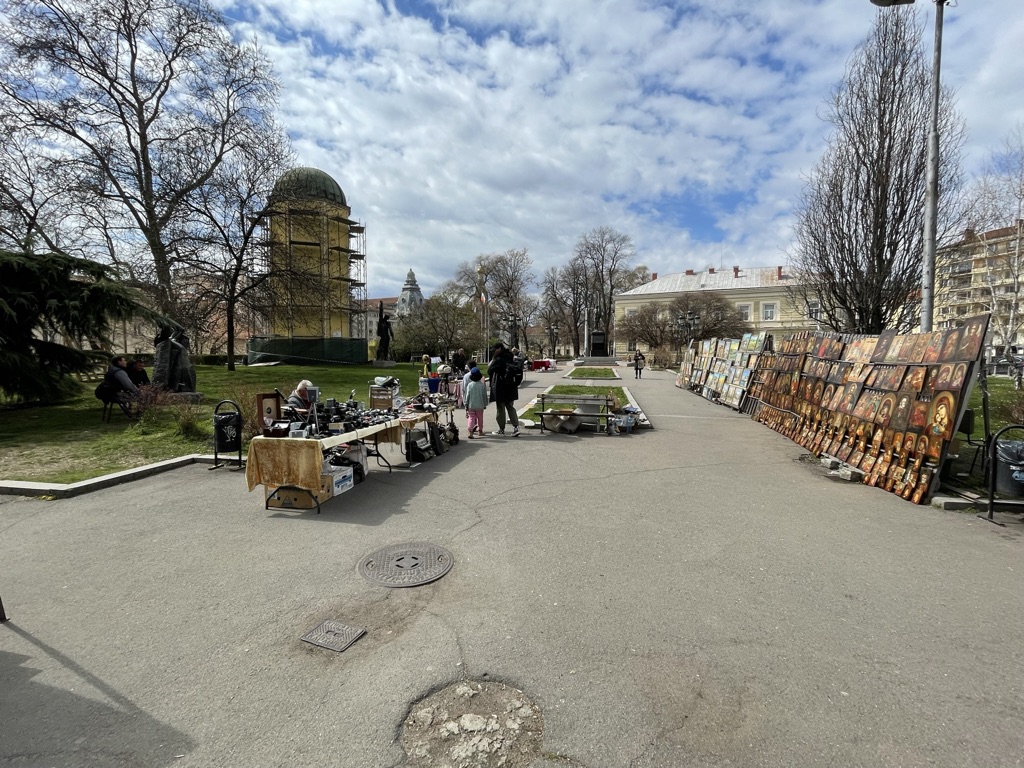
Beliefs developed during this period still influence attitudes.
The ‘No Kerosene’ tour, originally a partner ‘interloping visitation’ also became imbued with reflections on other times, other journeys. Relishing (and rejoicing) in (compared with hitch-hiking, driving & flying) the socially beneficial & relatively effortless, railway travel.
 Inspirational Pathways