Below the Castle and Fortress area is the Museum of Anatolian Civilisations

There are lions:
Back in the mists of my early childhood I learned (a little) about Hittite culture and particularly, its lions. In 1970 during my first visit to Istanbul I was surprised (and overcome with joy and delight) on having a chance meeting with one next to a museum.
Then in 2010 following a missed train connection in Ankara, we had the time to visit them in their present home…. The wonderful Museum of Anatolian Culture…. Where artifacts from some of the world’s oldest urban settlements are held.
Now, every time I visit, I go and pay my respects and listen to the judgements of the Hittite Lions on the state of the modern world.
The lions are always sensitive and consoling and after such a visit I leave rather ‘healed’ by the experience.
Patience is always required because the lions are almost always having to tolerate the coach parties who are being dragged round the museum by guides who completely ignore the fact that no one in their group cares or is listening to the (well informed) jabber that all guides are required to provide.
Patience is one of the virtues the lions have developed over the years since they stood as guards at gates to Hittite cities.
Approx 3,000+ years of experience…. But (as they have repeatedly told me when I visit) they know their time will come.
WhatsApp

As always, a highlight of any visit to Ankara. I am always reluctant to leave their enclosure.
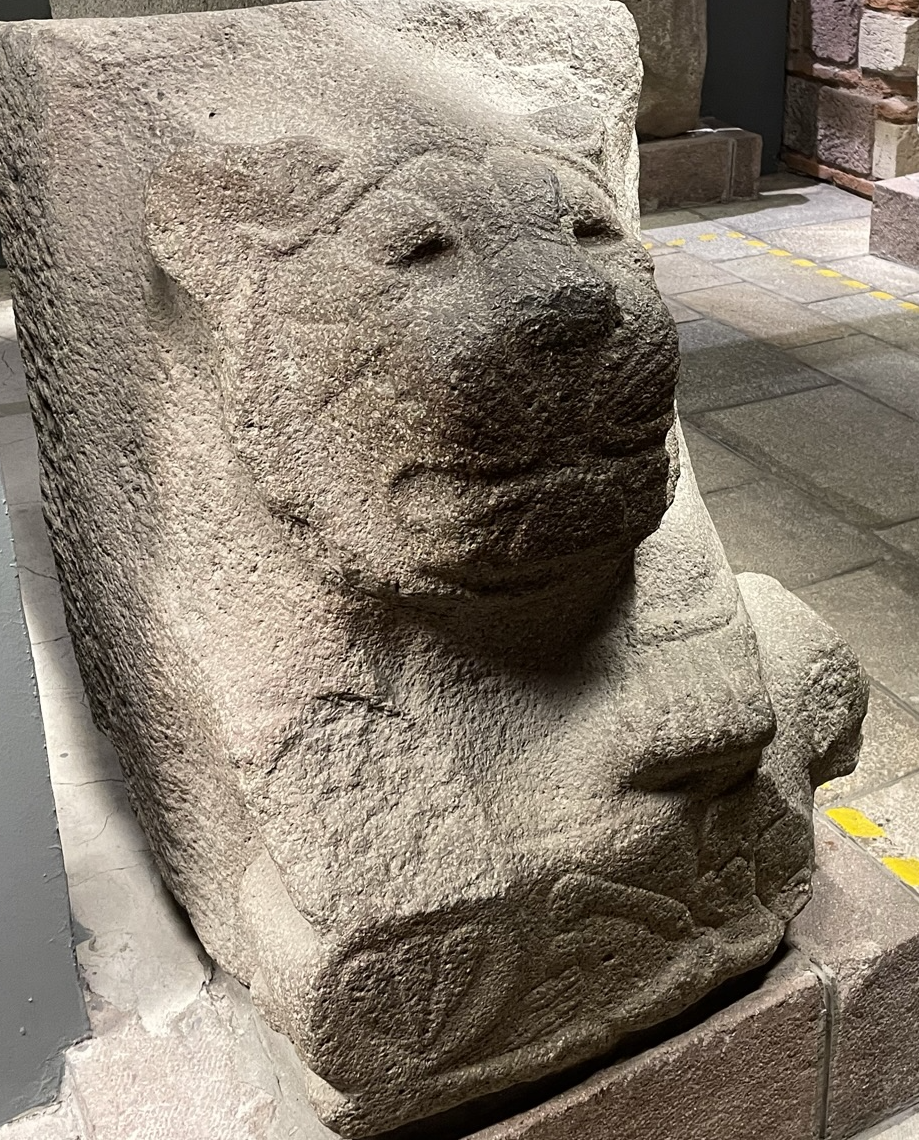
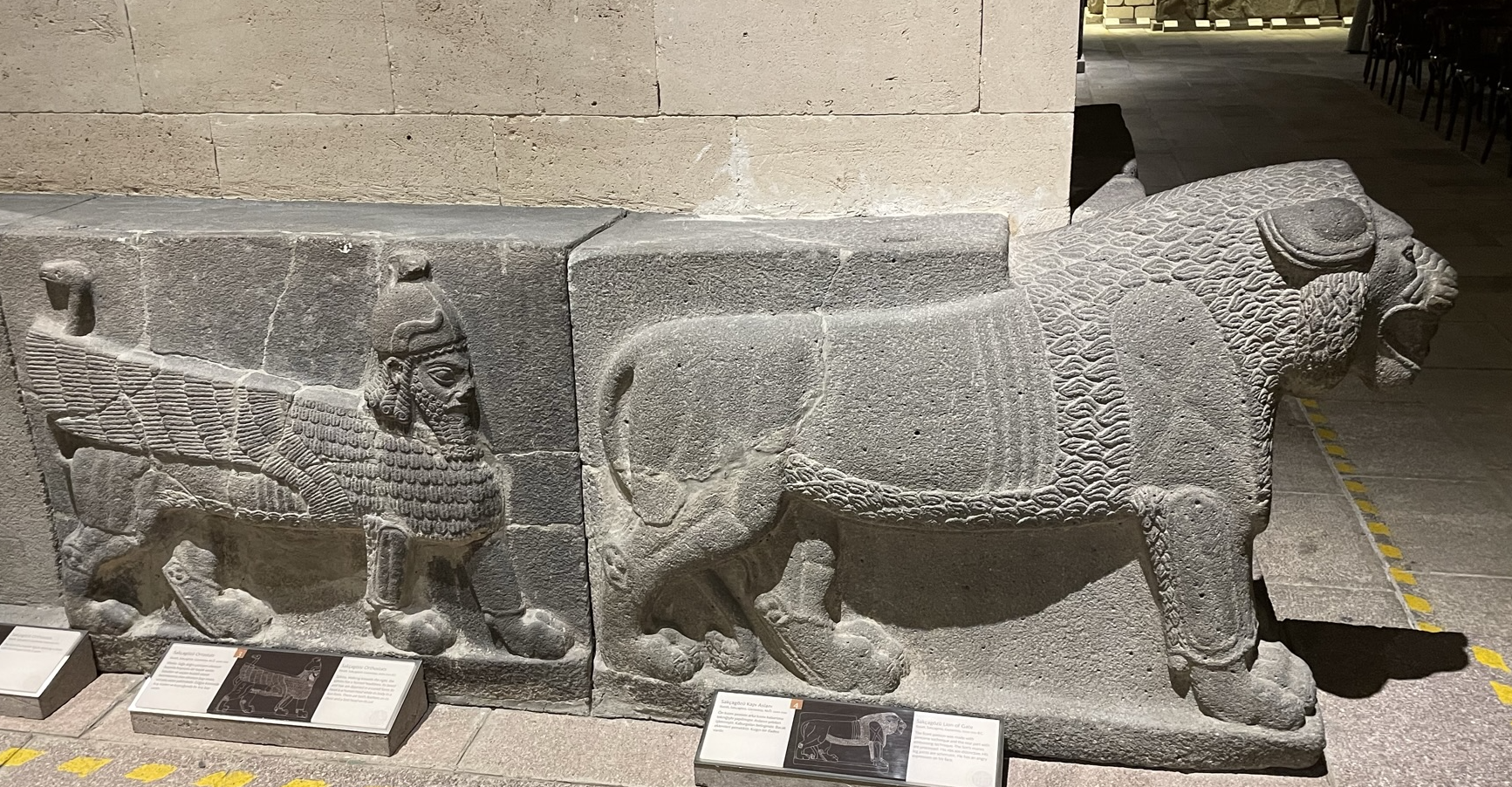
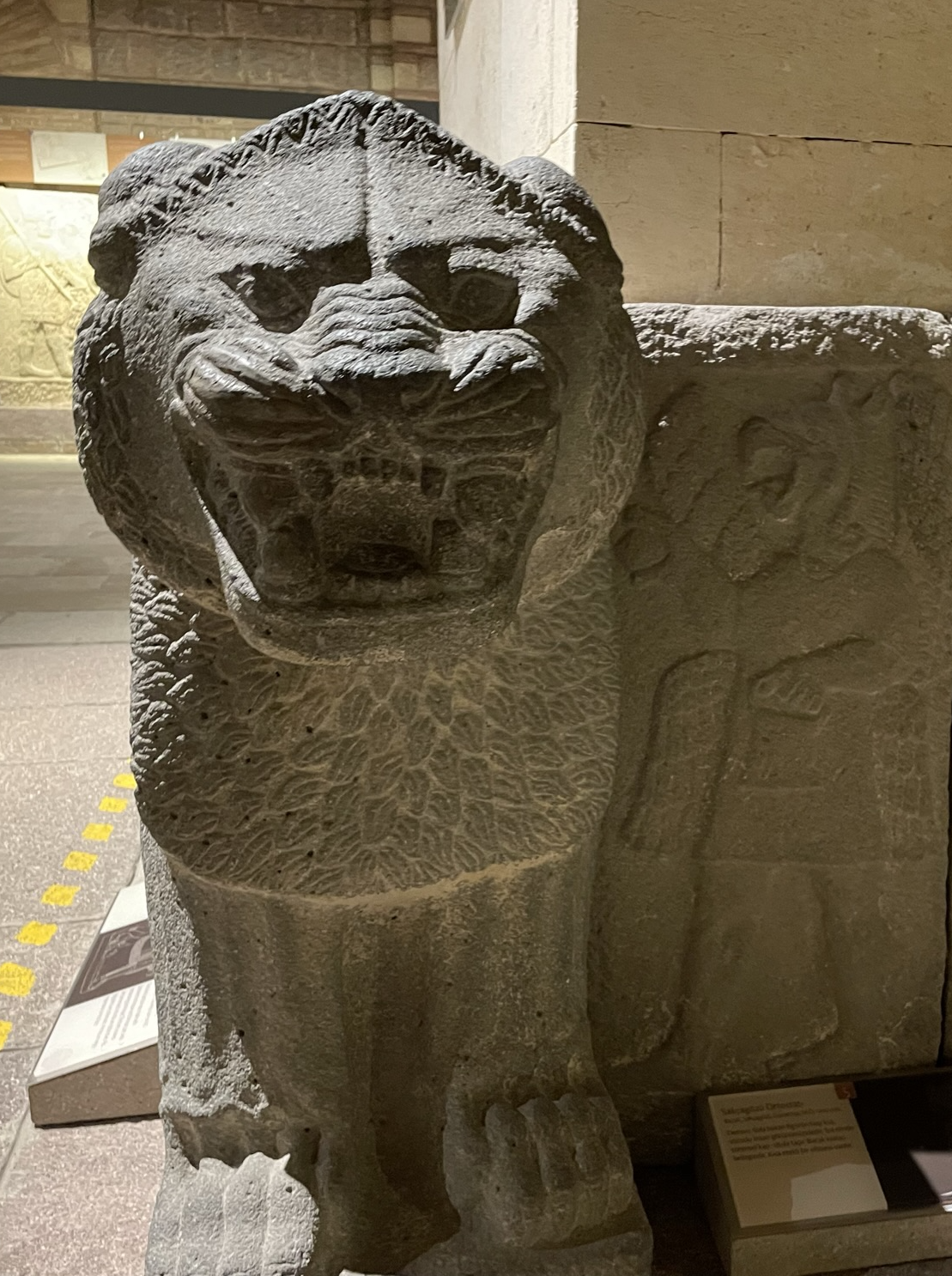
A ‘Lion of the Gate’
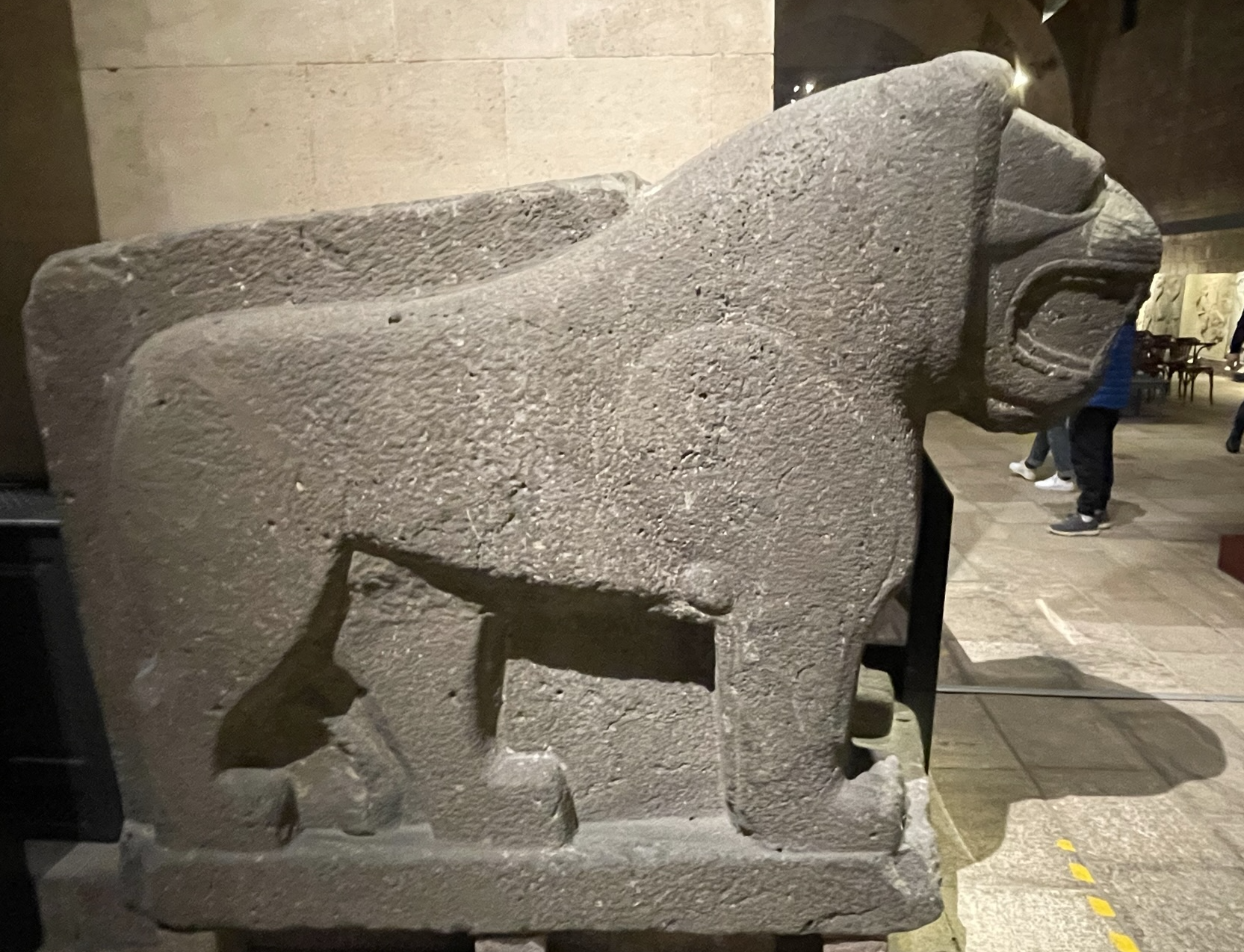
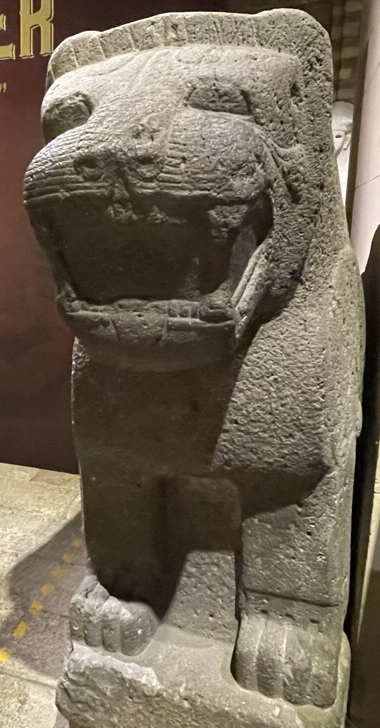
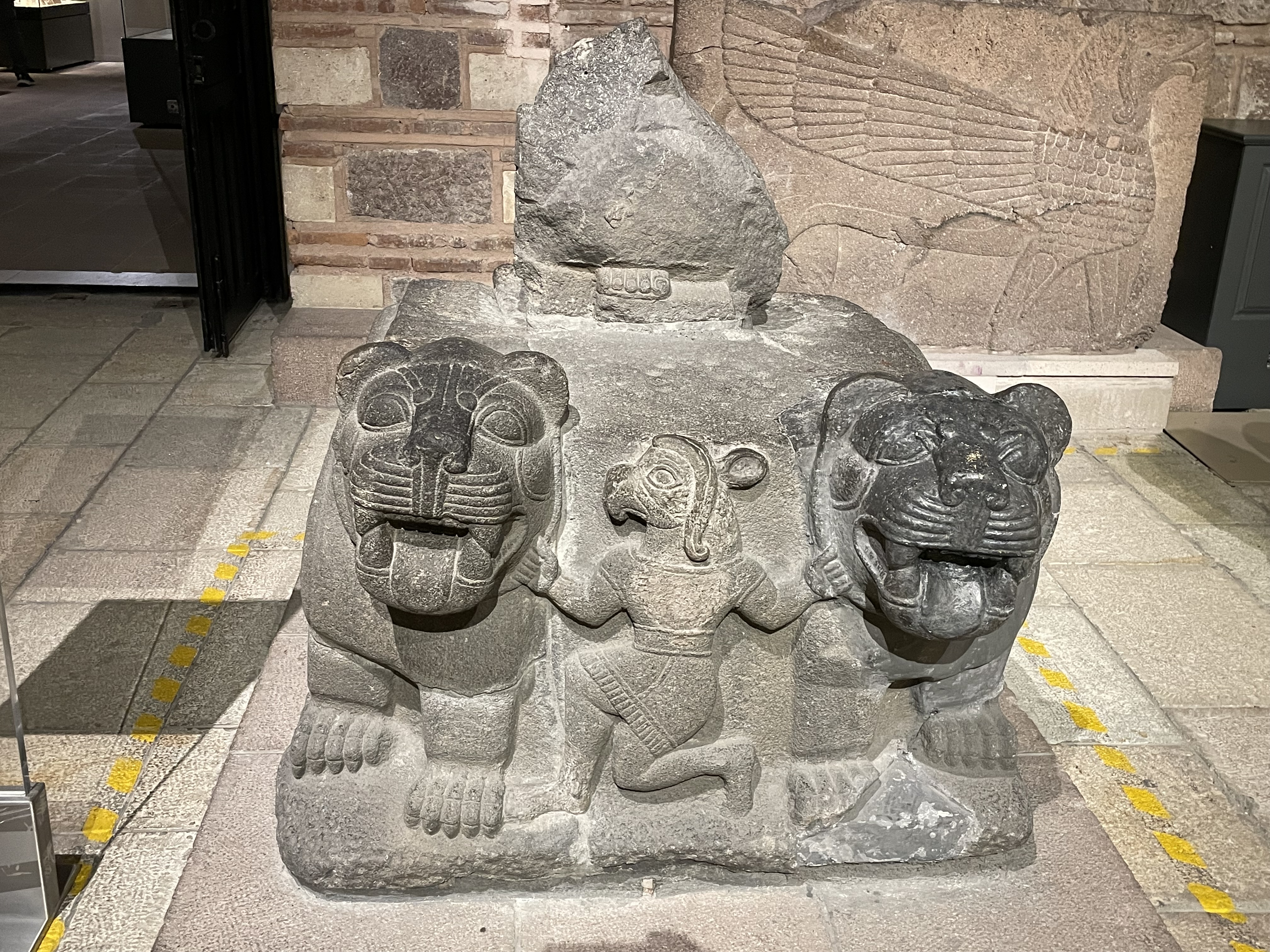
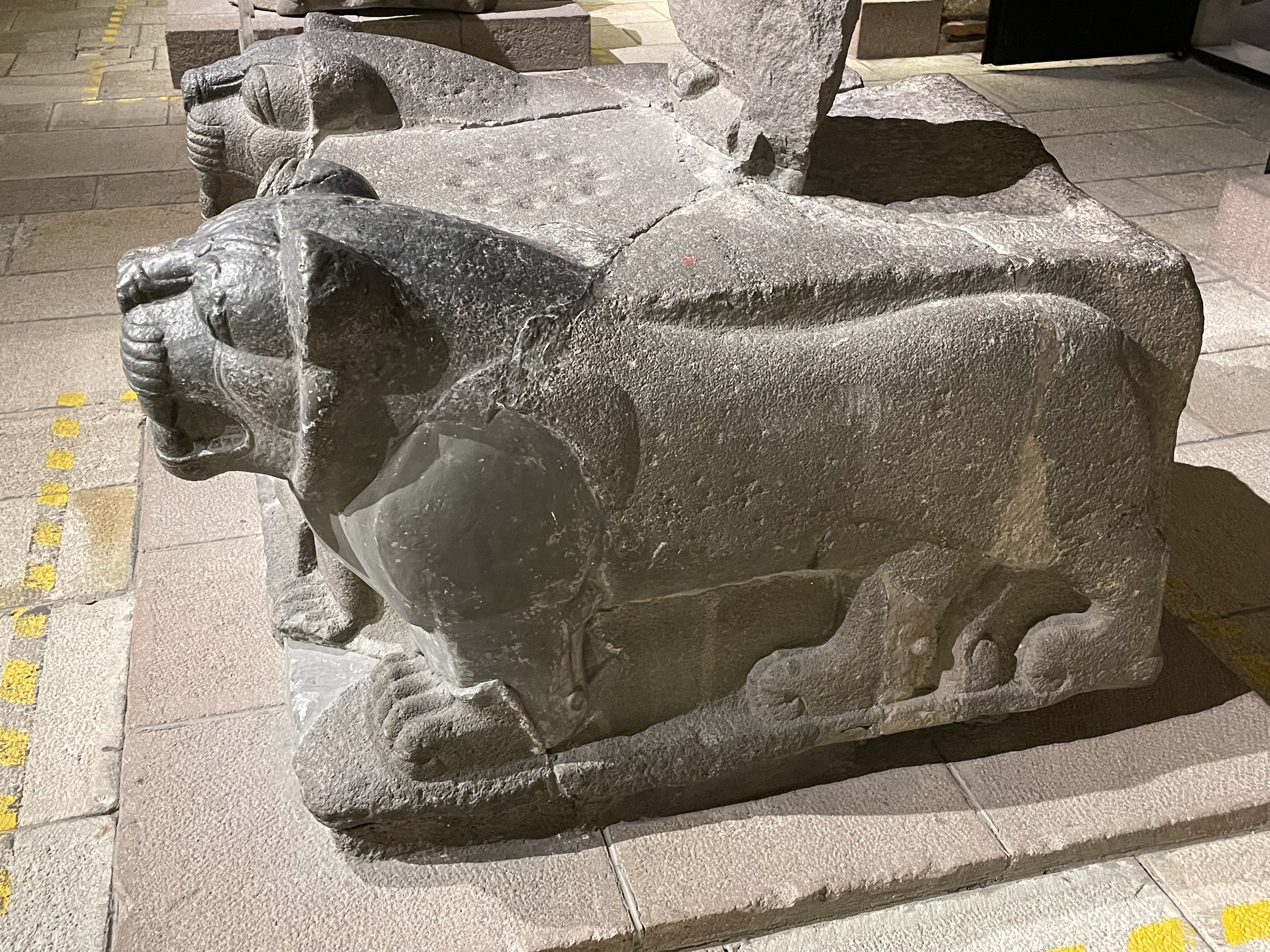
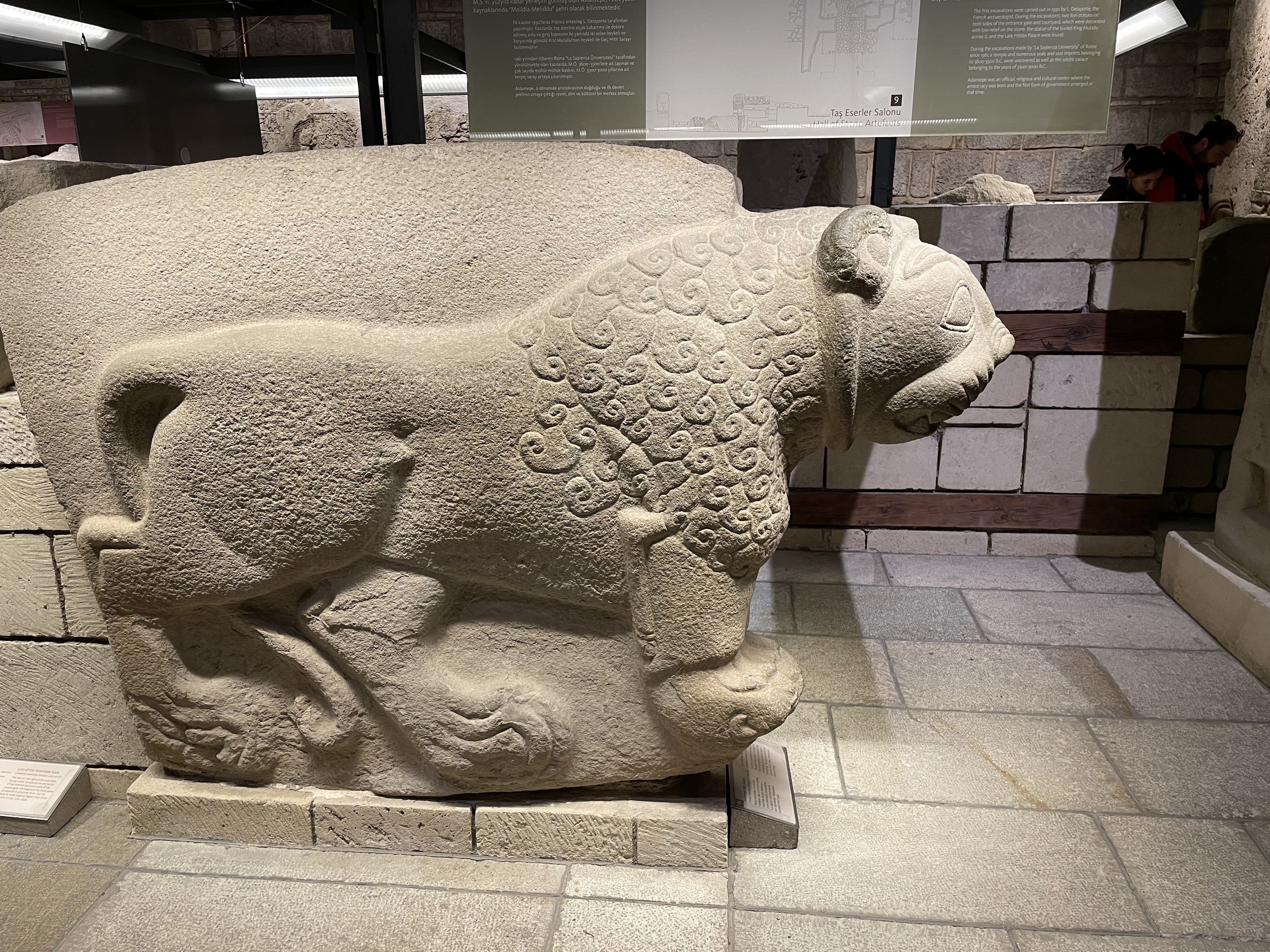
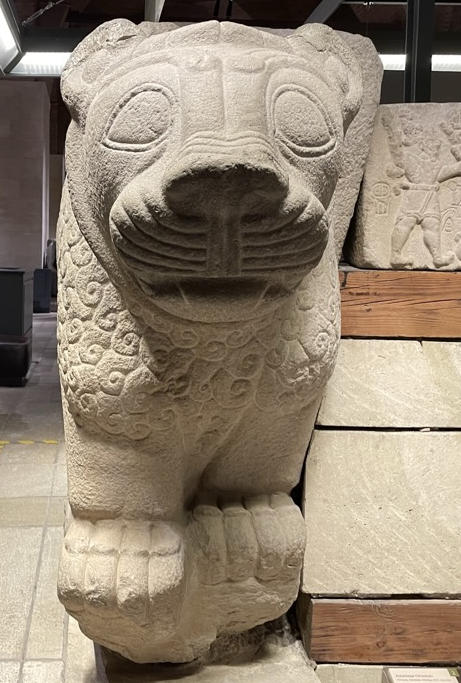
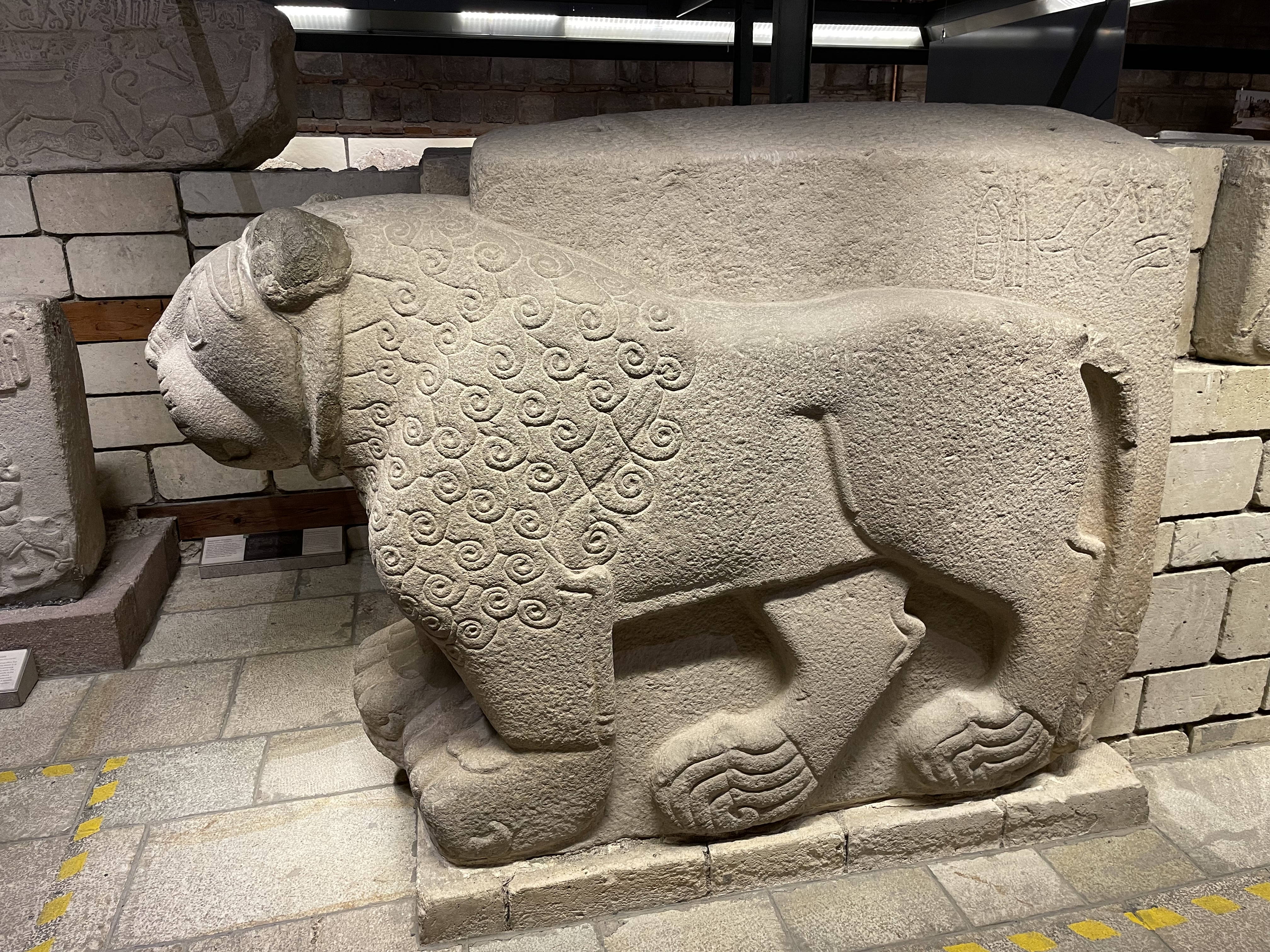
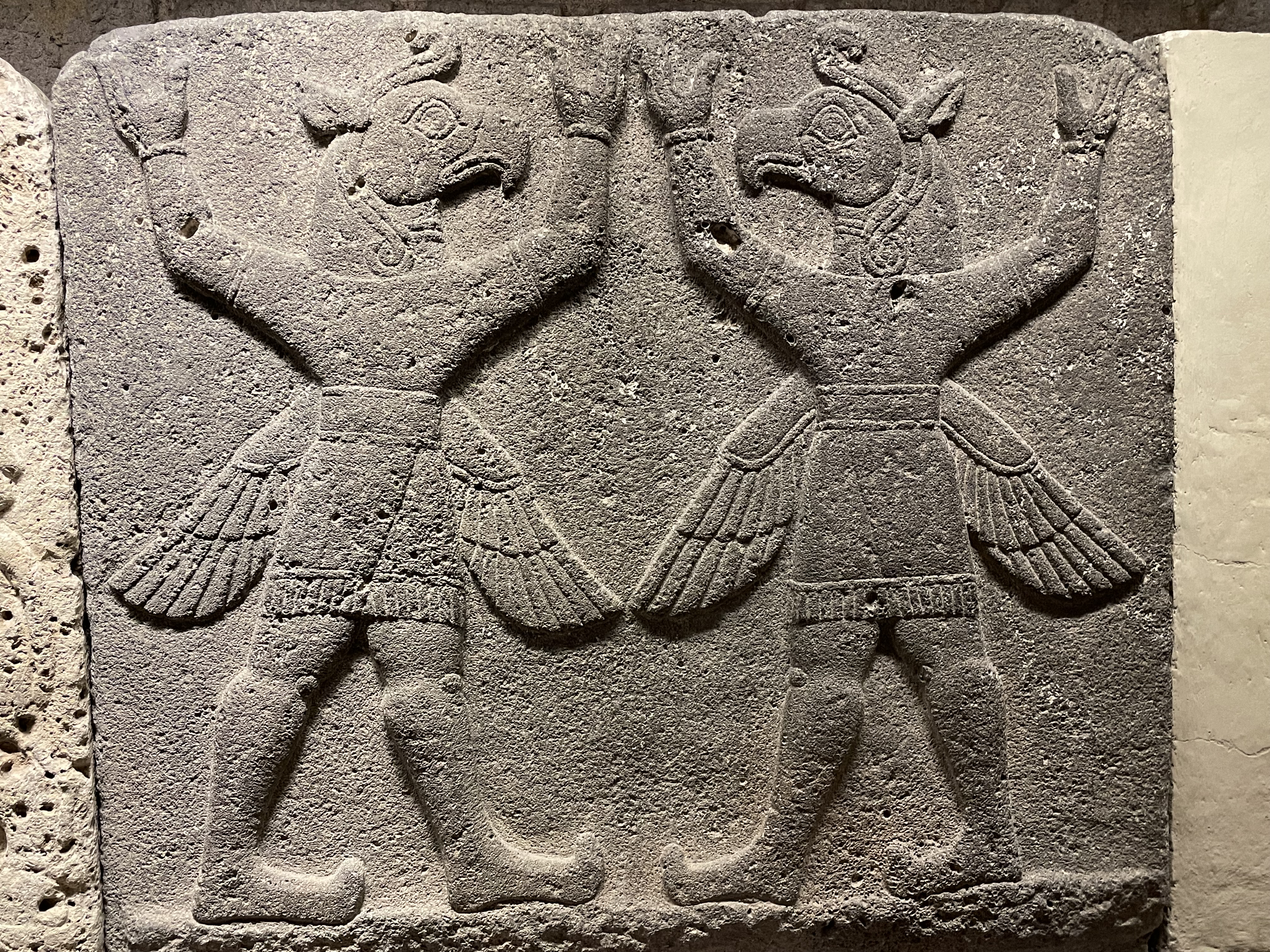
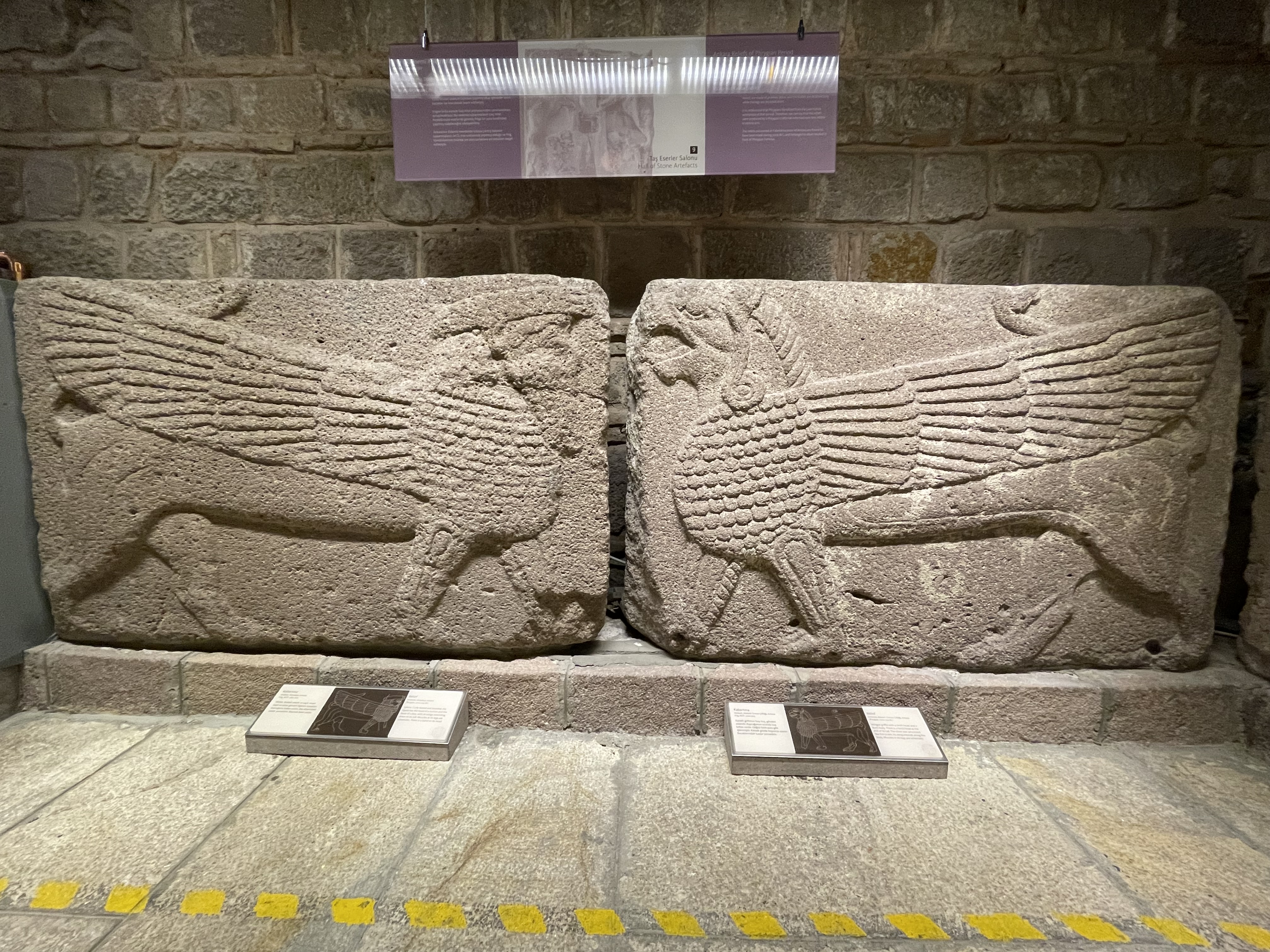
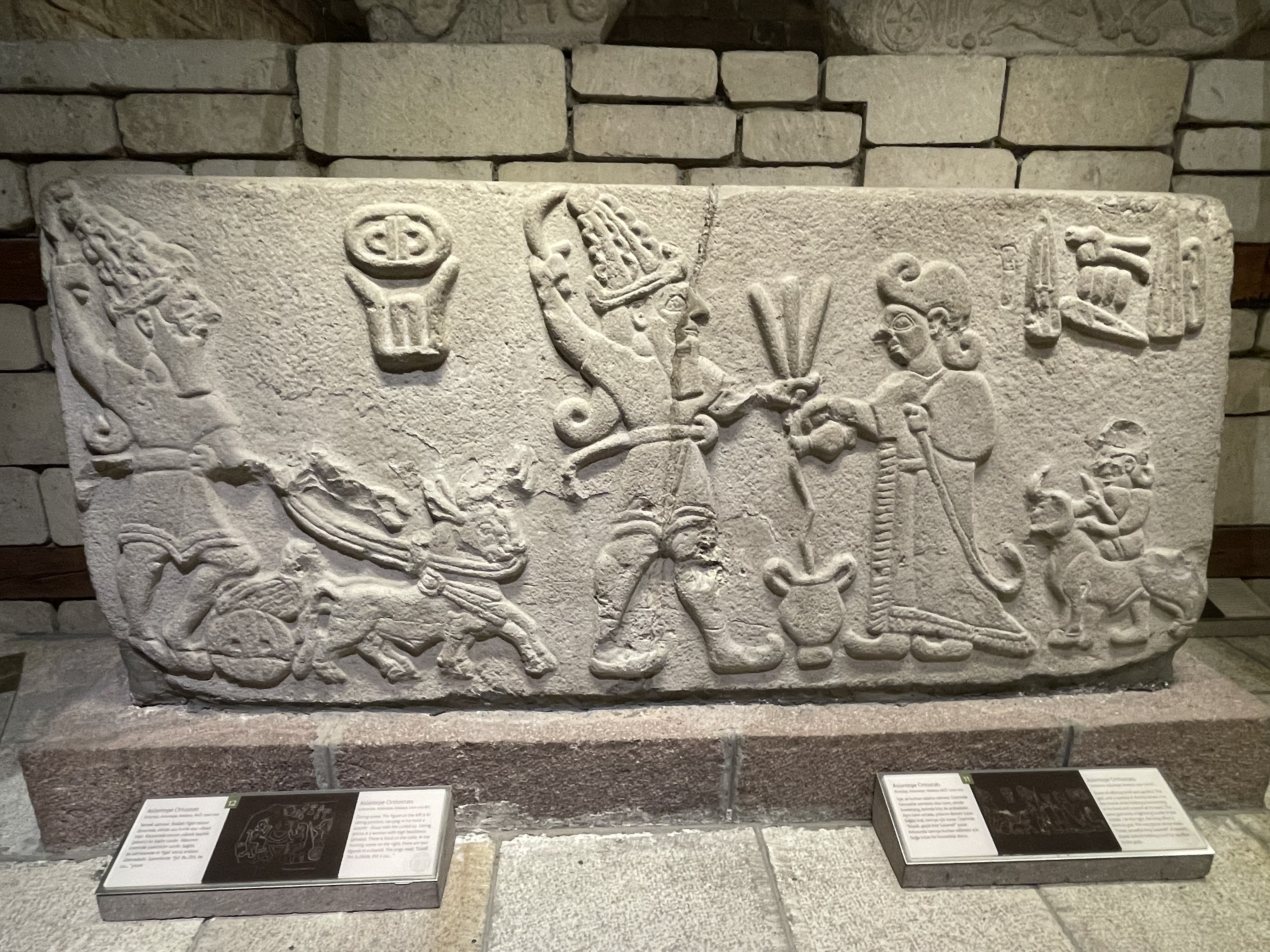
Some amusingly terrifying
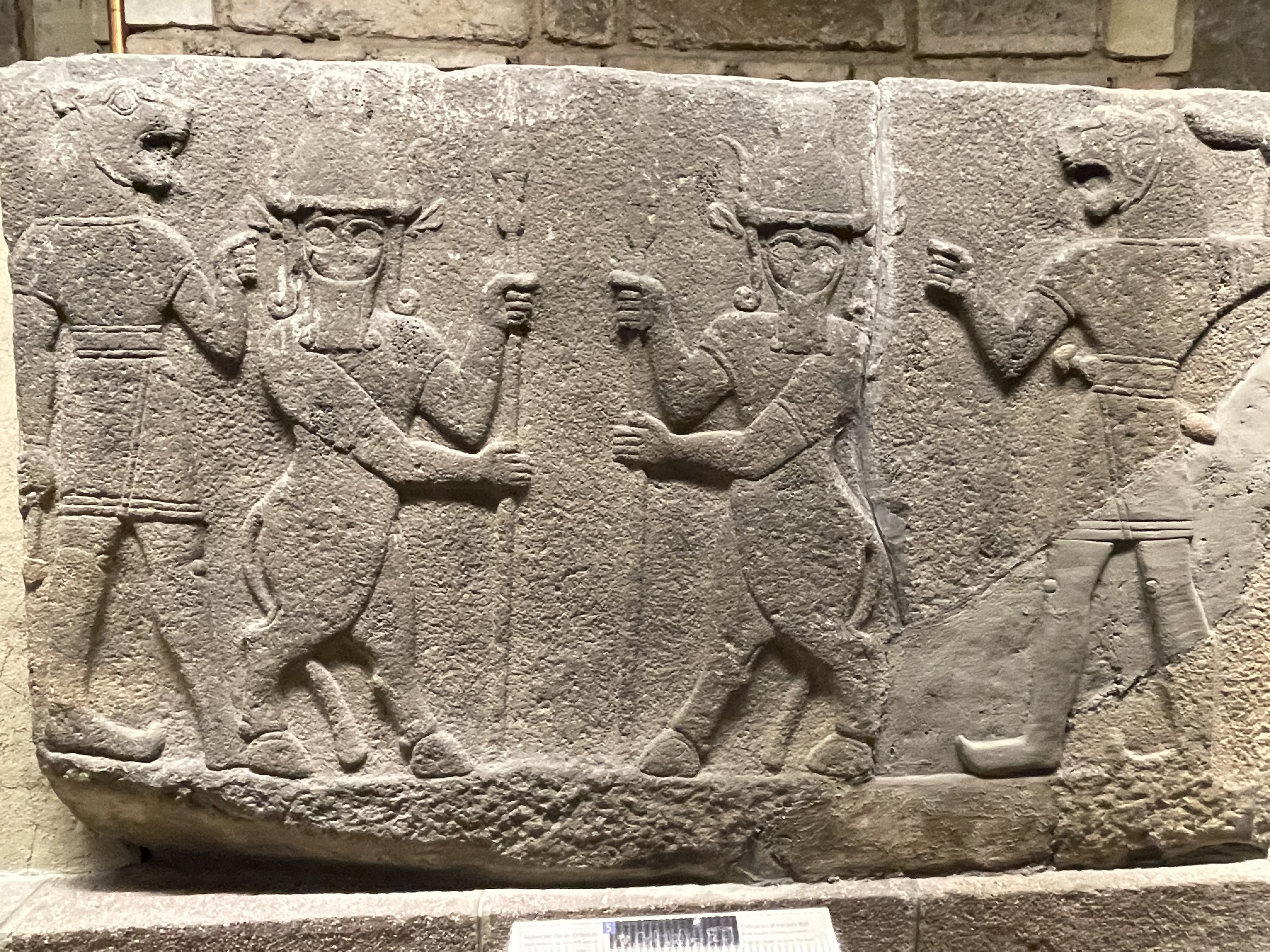
some not amusing but terrifyingly banal
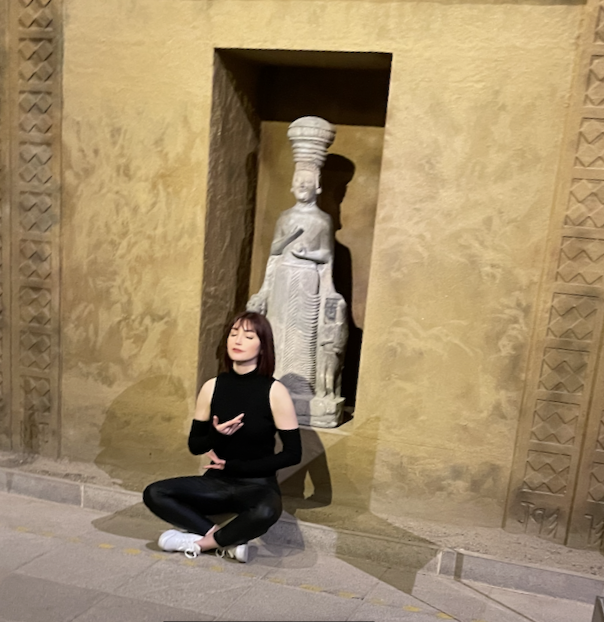
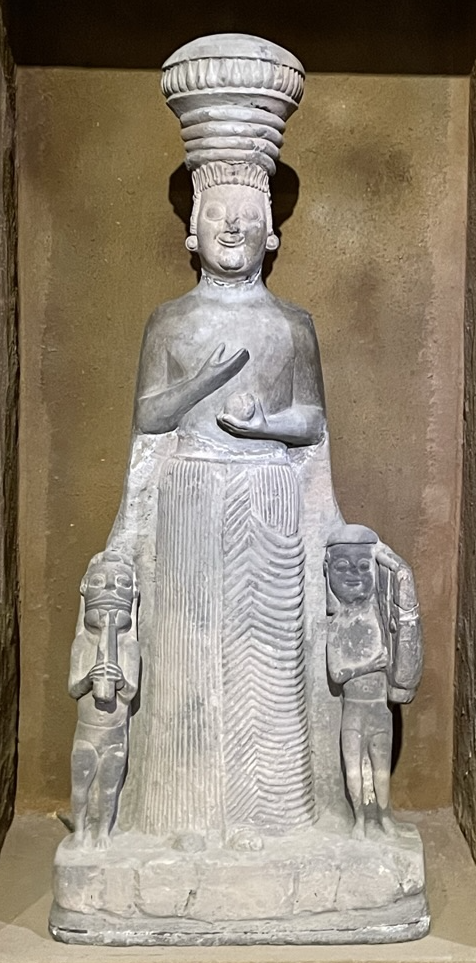
The Phrygian goddess Matar Kubileya/Kubeleya (whose descendants were major deities in Greece and Rome) has ‘seen it all before’ & has evolved her own ways of driving to madness those who, in her presence, proudly preen & self-glorify themselves.
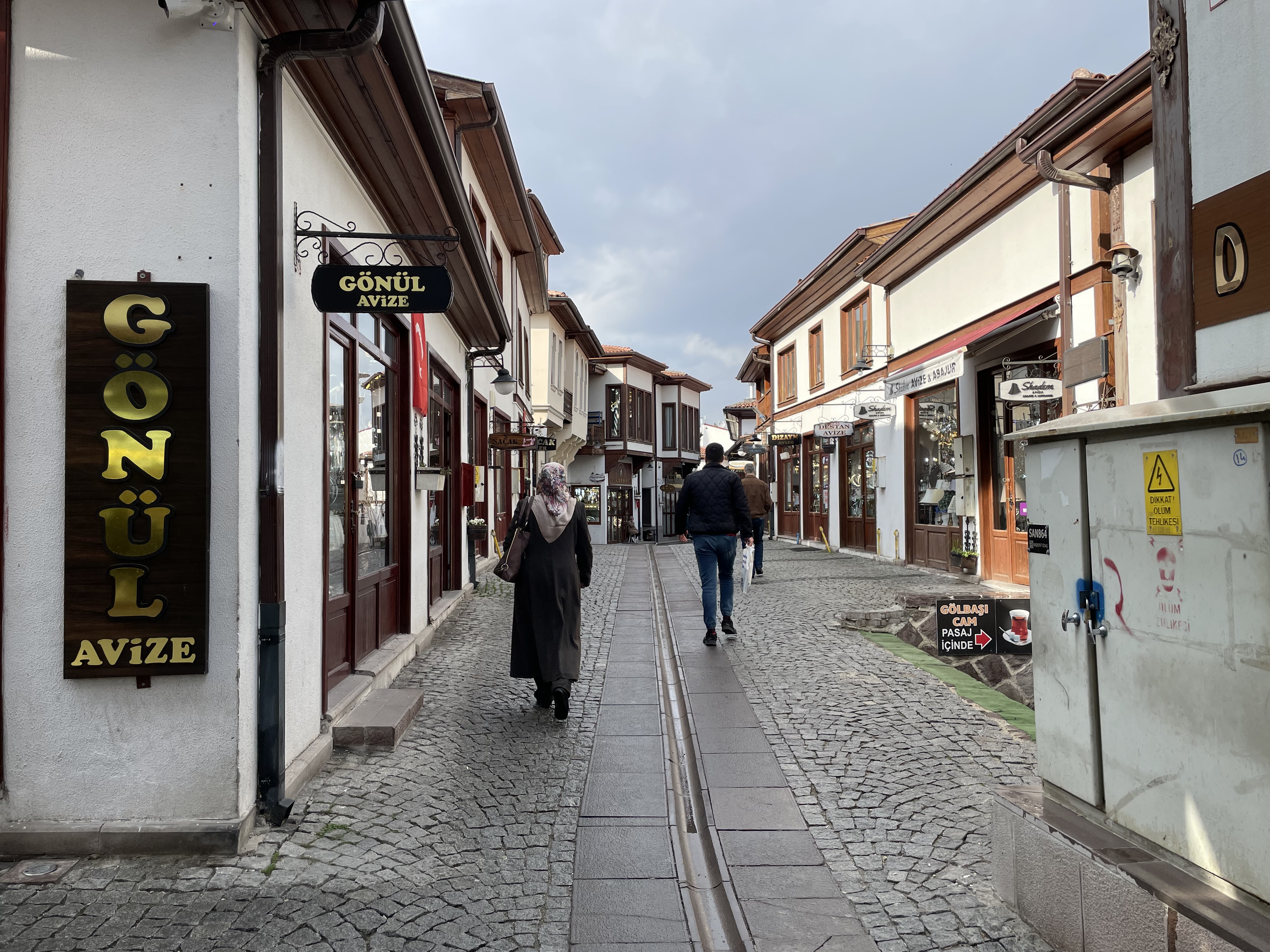
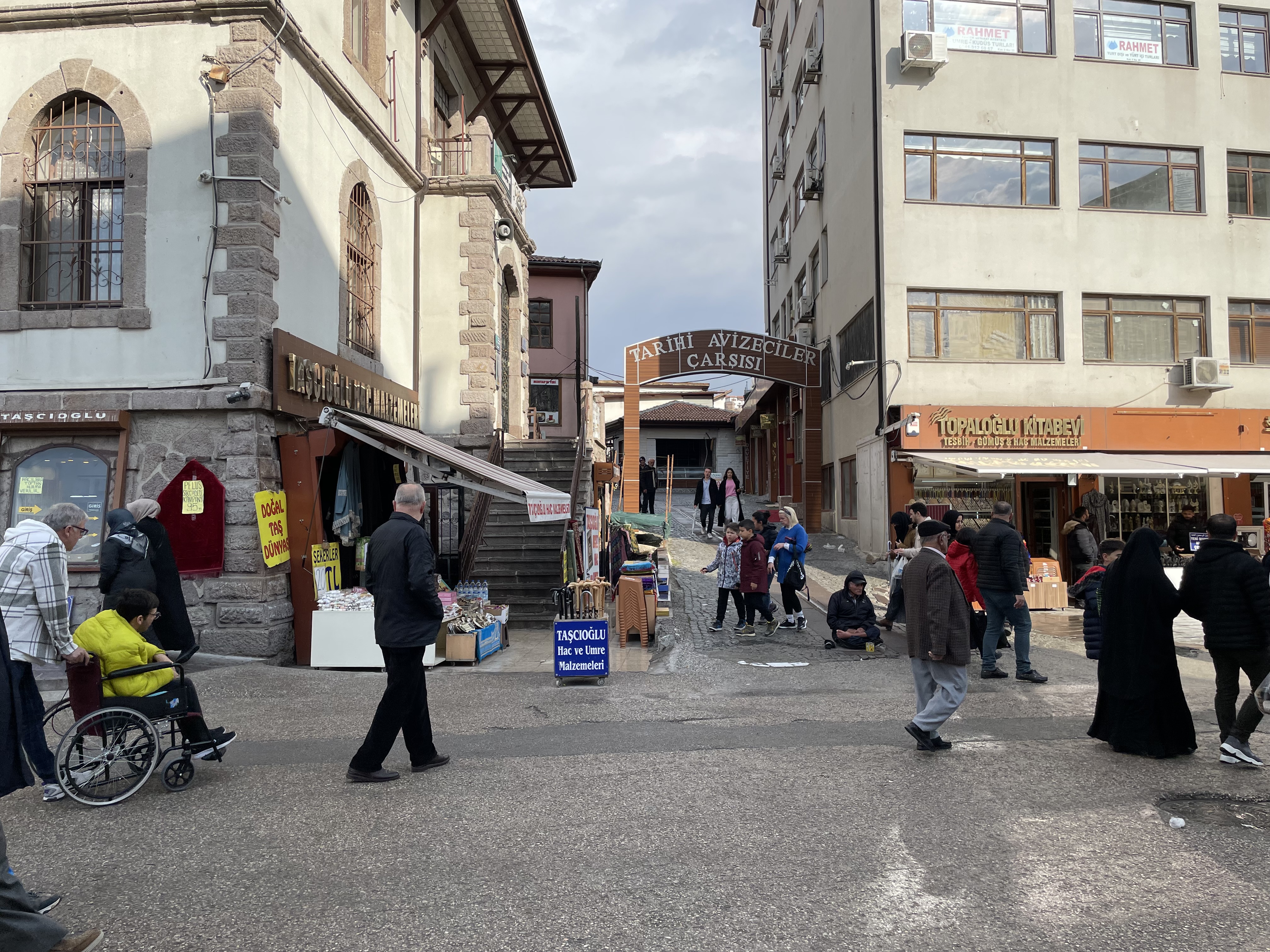
Returning to our hotel we pass through another area in which traditional building style is being developed.
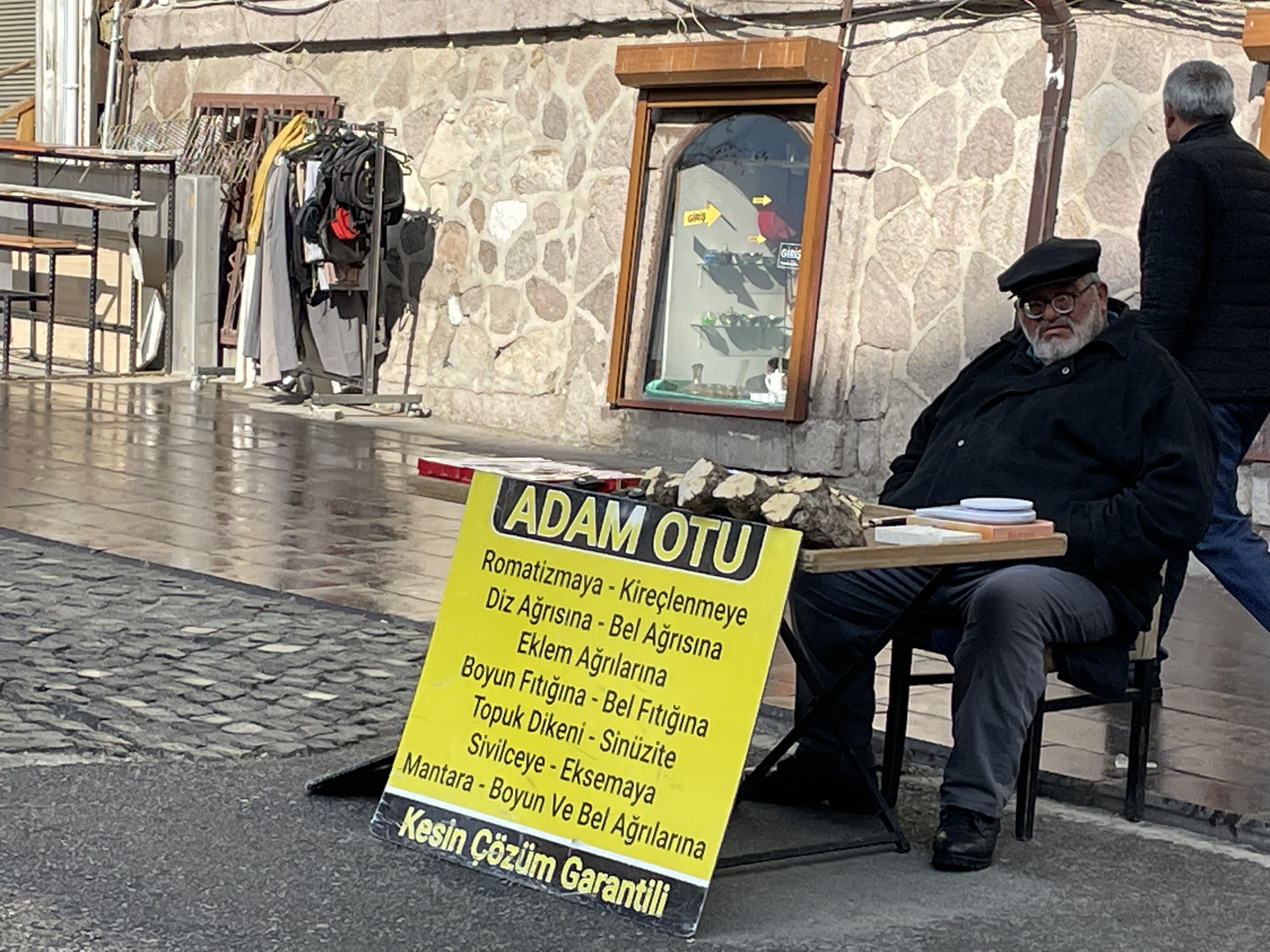
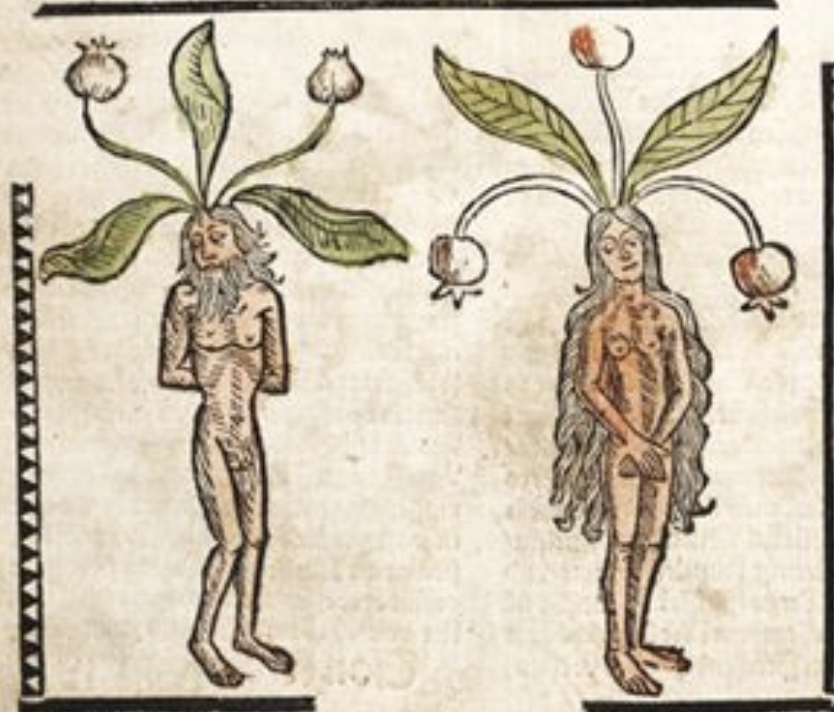
ADAM OTU: ‘Man Grass’
…..we were wandering back to our diggings and Jacqui notices the stall shown in the picture above.
For me a ‘WOW’ moment.
It is one of those historic ‘folk-lore’ moments that had occurred previously but which I’d not expected to encounter again.
‘Discovering’ a plant that has famous in traditional and popular beliefs from ancient times, which, from the evidence of the stall, is still is in use.
In 1970, in Istanbul we unexpectedly saw a similar but busier, stall in a market and in realising what it was took great interest (and purchased & still have, laid on a mantelpiece)…. the result was that we drew a Great Crowd (and presumably increased sales).
I have no Turkish but in struggling, largely unsuccessfully, with Dr Google’s translator, have realised what some of the words may well be
Rheumatism (the first), eczema and Sinusitis, others.
In 1970 the sales pitch had a somewhat different emphasis (paralleled with that in Genesis 30: 14 – 19)…. & due to the ‘manikin’ nature of the plant
ADAM OTU: Mandrake
A wonderful plant due to the complexity of the traditions associated with it. It has (and was used due to) narcotic properties
Quotes below from::
“A Modern Herbal” by Maud Grieve, originally published in 1931
“the object of so many strange superstitions,…
… Mandrake was much used by the Ancients, who considered it an anodyne and soporific. In large doses it is said to excite delirium and madness. They used it for procuring rest and sleep in continued pain, also in melancholy, convulsions, rheumatic pains and scrofulous tumours….
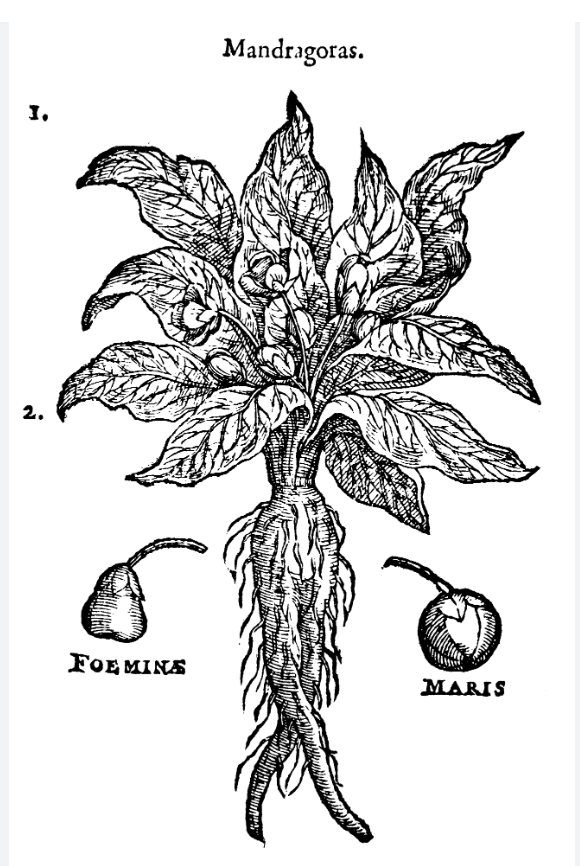
… The roots of Mandrake were supposed to bear a resemblance to the human form, on account of their habit of forking into two and shooting on each side…..
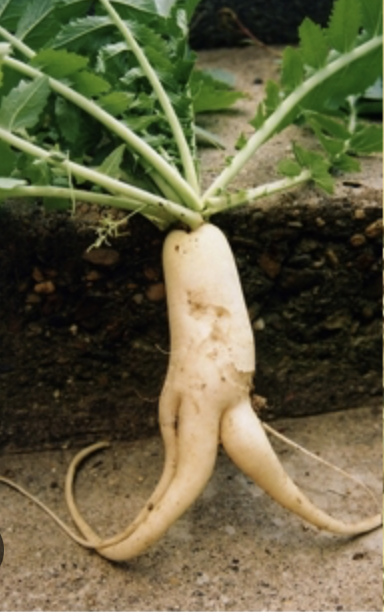
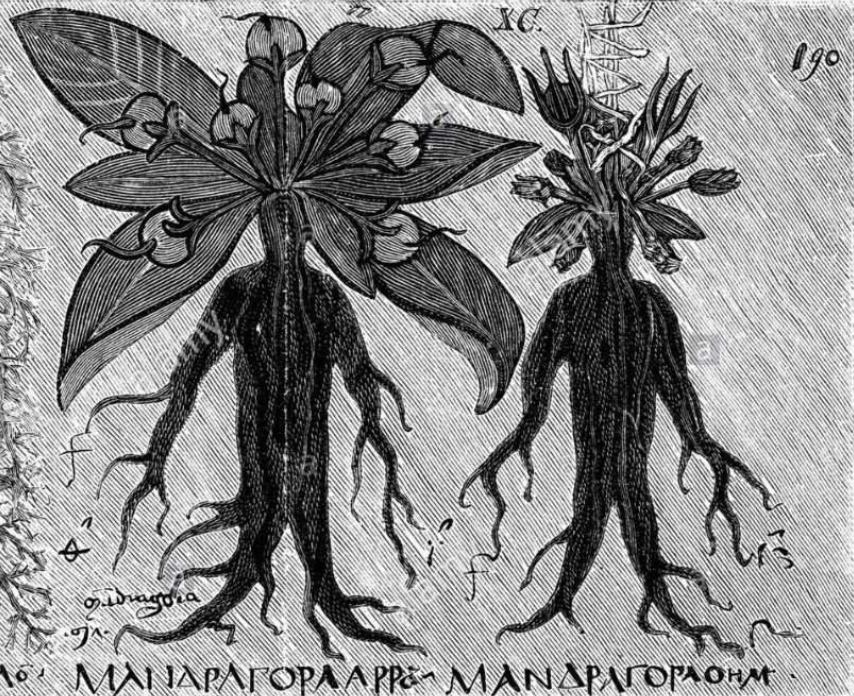
… The plant was fabled to grow under the gallows of murderers, and it was believed to be death to dig up the root, which was said to utter a shriek and terrible groans on being dug up, which none might hear and live. It was held, therefore, that he who would take up a plant of Mandrake should tie a dog to it for that purpose, who drawing it out would certainly perish, as the man would have done, had he attempted to dig it up in the ordinary manner….
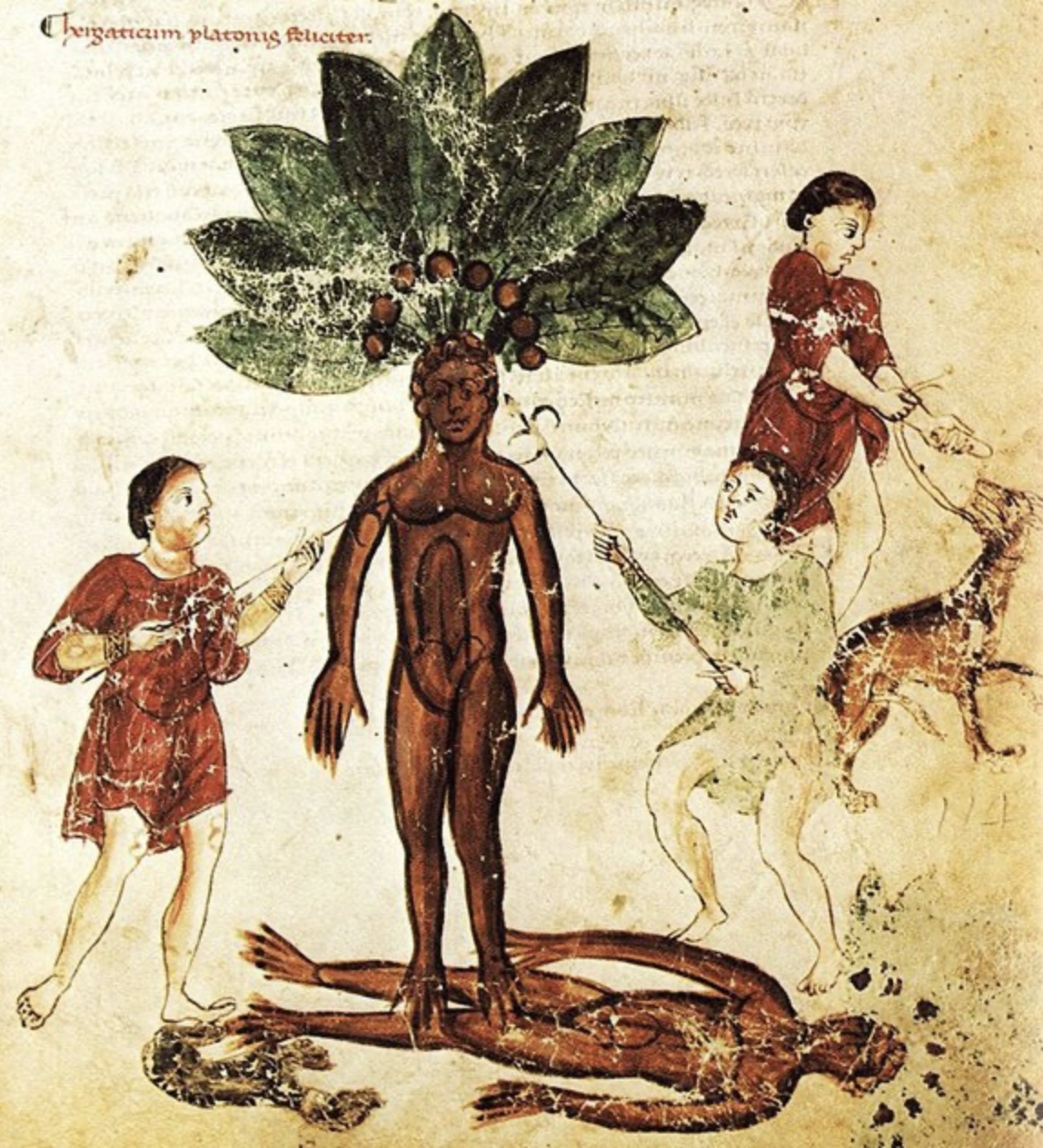
… There are many allusions to the Mandrake in ancient writers. From the earliest times a notion prevailed in the East that the Mandrake will remove sterility
And Jacob came out of the field in the evening, and Leah went out to meet him, and said, Thou must come in unto me; for surely I have hired thee with my son’s mandrakes. And he lay with her that night.
17 And God hearkened unto Leah, and she conceived, and bare Jacob the fifth son.
The Bible: Genesis chapt.30 v 16
“Let us get up early to the vineyards;… There will I give thee my love. The mandrakes give forth fragrance”
Bible: Song of Songs Chapter 7:12-13
Shakespeare mixes the soporific & sexual desire
Falstaff alludes twice to its effects on sexual performance in Henry IV Part II – first he addresses his page as ‘Thou whoresom mandrake’ and then condemns Justice Swallow as ‘the very genius of famine; yet lecherous as a monkey and the whores call him mandrake’ (Act I, Scene 2, and Act III, Scene 2 respectively).
https://www.rcpe.ac.uk/journal/issue/journal_36_3/W_Lee_2.pdf
In Anthony & Cleopatra:
“Give me to drink Mandragora, that I might sleep out this great gap of time my Anthony is away.”
from email conversation with Valerie Whately
A final comment from The Royal Botanical Gardens at Kew, London
The mighty mandrake has lost a lot of its mythological wonder but the idea of plants with aphrodisiac qualities persists to this day, with people wearing botanical perfumes and giving their lovers roses and chocolate on Valentine’s Day.
https://www.kew.org/read-and-watch/the-love-potion-mandrake

We are not so different from those who came before us
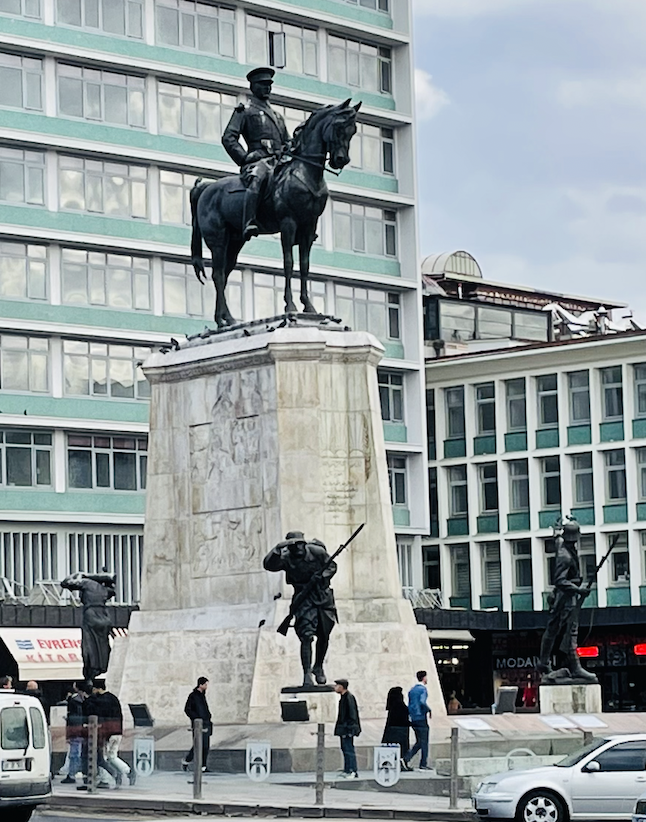
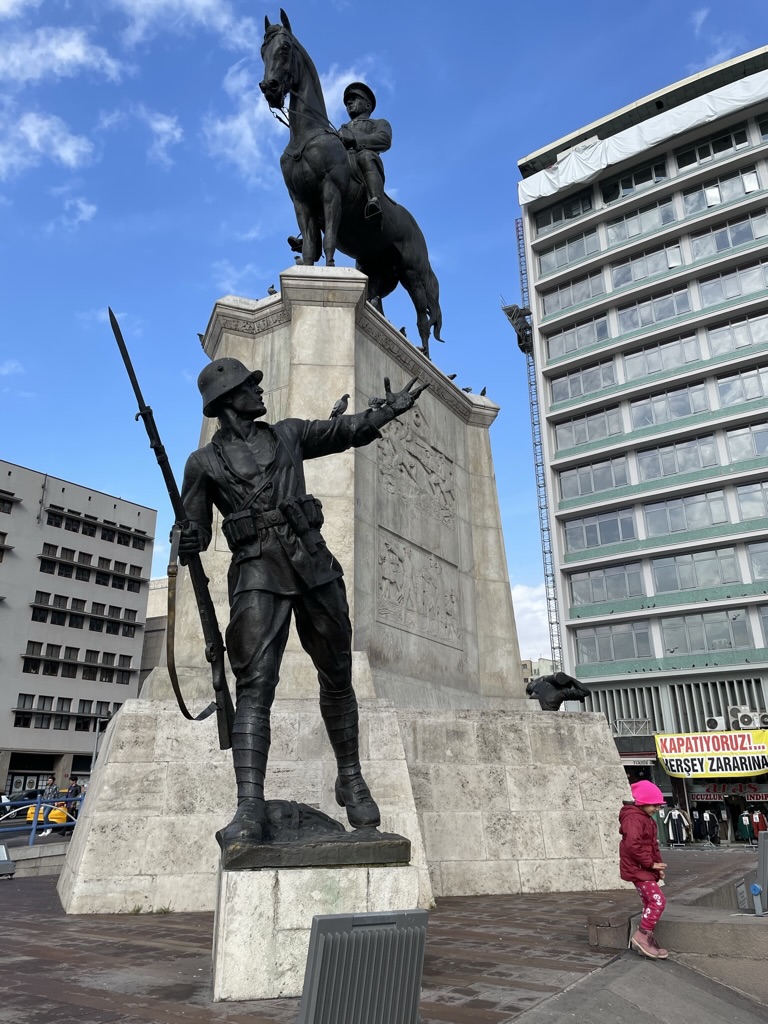
Beyond all of this…. the great monument to Kemal Ataturk in Ulus Meydani (the centre of Ankara unitl the 1950s)
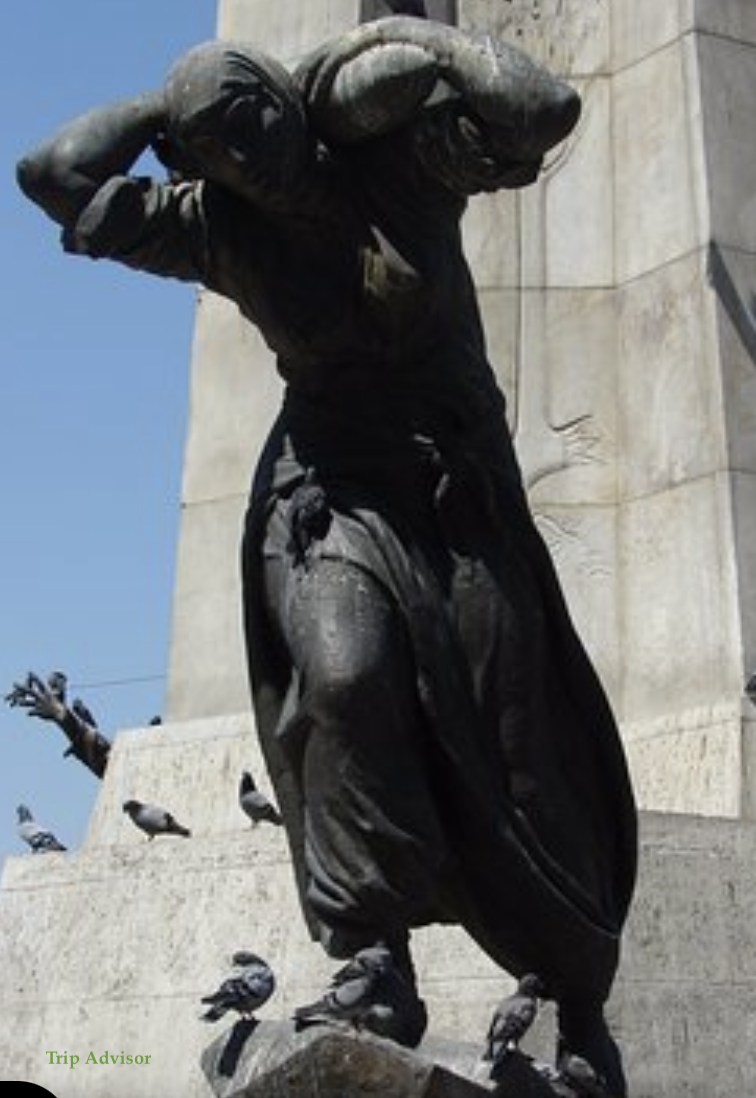
A mounted Ataturk sits on the plinth. One soldier is calling his friend to the battlefront and the other one is observing the front. The woman is carrying an artillery shell, as a reference to the contributions of the Turkish women during the Turkish War of Independence.

3rd April 2023: Return to Istanbul.
Travelling from the vast empty space of the new railway station
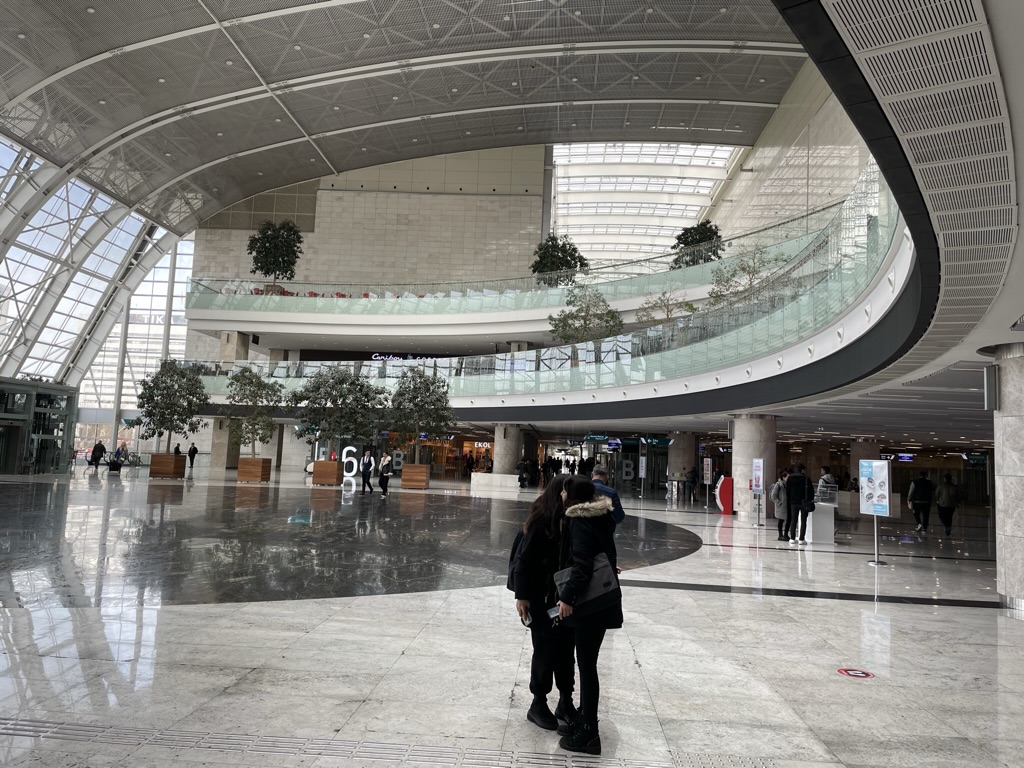
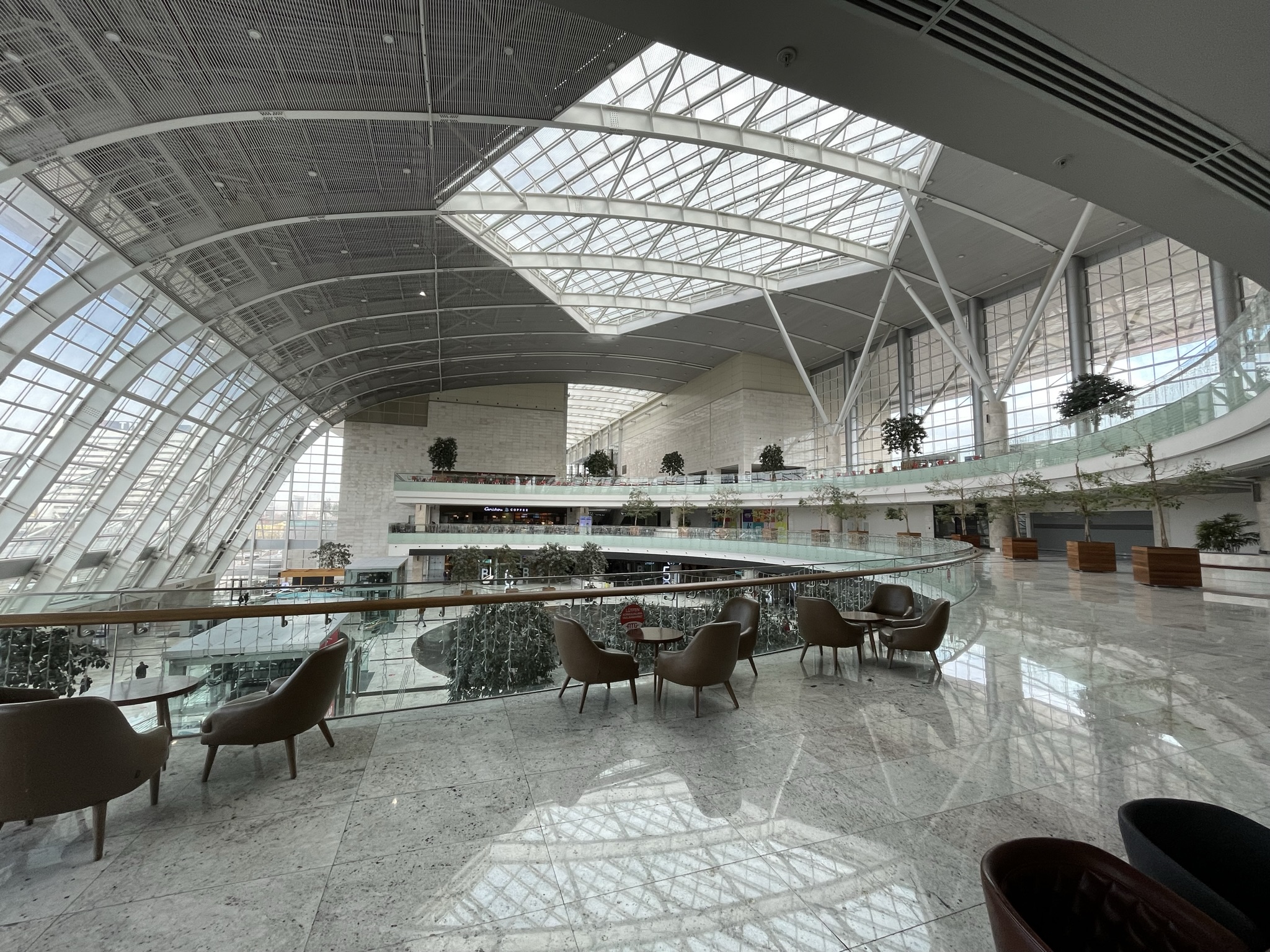
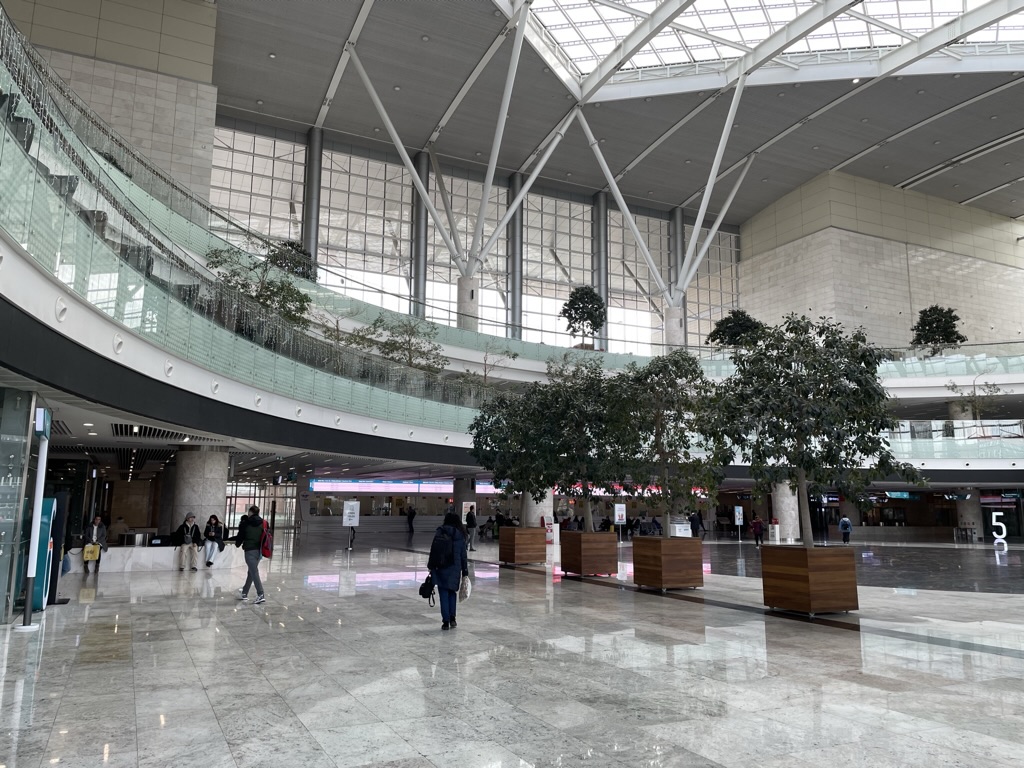
Progress is marked by the removal of physical obstructions and the increase in human comfort:
“Prepare ye the way … make straight in the desert a highway…. Every valley shall be exalted, and every mountain and hill shall be made low: and the crooked shall be made straight, and the rough places plain”.
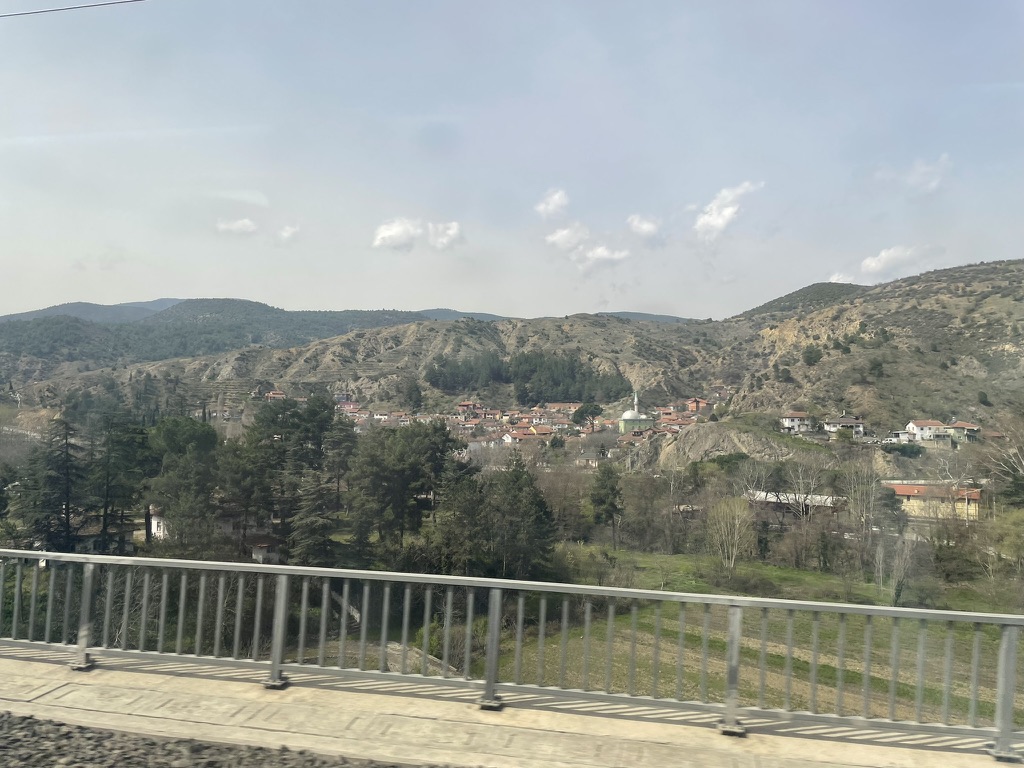
A consequence of this is that for the routes of modern highways and High Speed railways there is very little of scenic value as travellers delve into cuttings & tunnels and follow routes that are high fenced by barriers.
For the railway traveller however, there is the opportunity of human encounter.
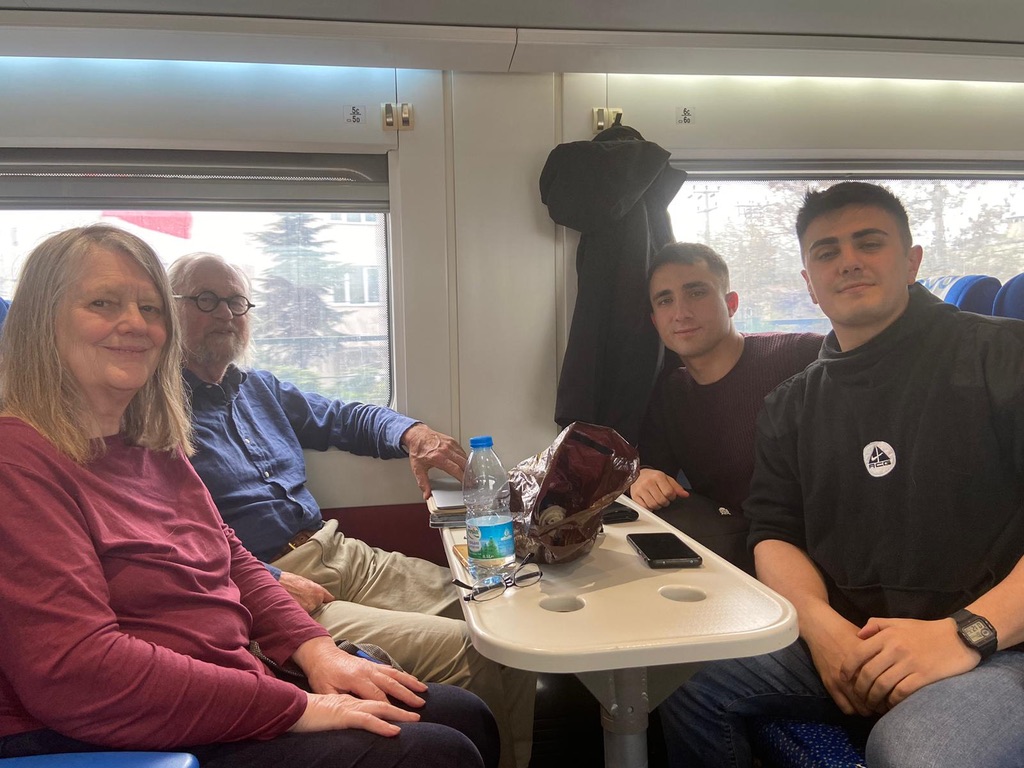

generosity….. We met people from a wide range of countries…. All taken into the country and making a living (as best as possible)… Afghanistan, Syria, Tadjikistan, various parts of Africa, … almost all speak better English than the locals!
This is a continuation of what we ‘discovered’ in our first visit in 1970.
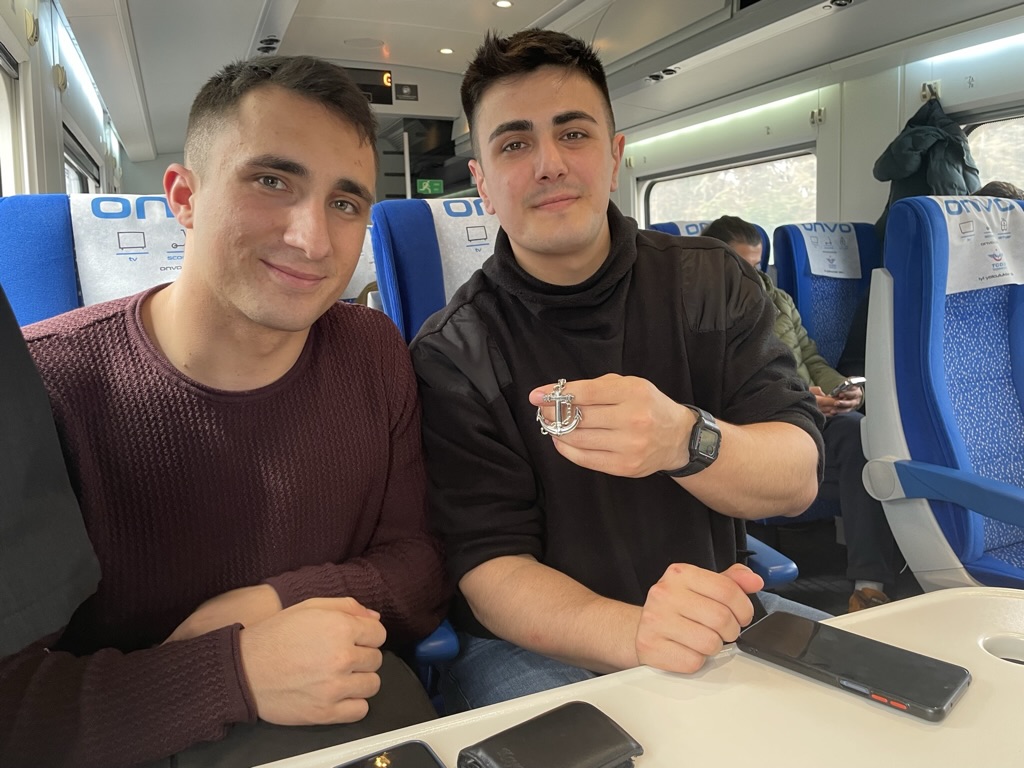
On our return from Ankara we travelled with 2 students in the Naval Military University…. Wrestlers returning from a completion. They gave us gift.
WhatsApp
Generosity of spirit
The gift of an Anchor – symbol of their profession.
It is difficult to explain the significance of that gesture – both to us and the donors… but the photo captures their genuine warmth of feeling that we all shared at having spent an enjoyable journey together.
We were surprised at the gesture – and the way they had quietly managed to find something so appropriate to our meeting & treasured the gift
 Inspirational Pathways