28th April
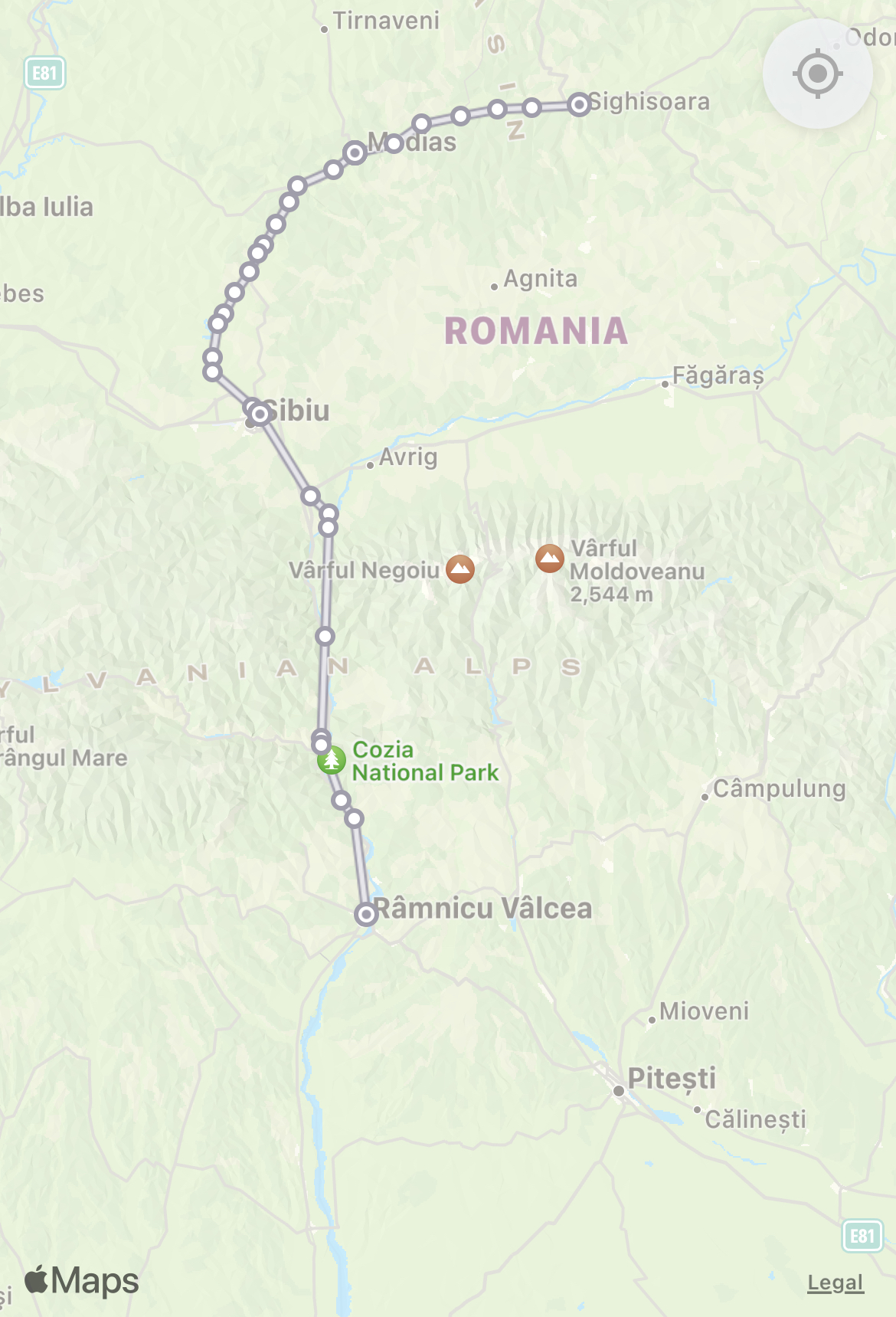
To Râmnicu Vâlcea
The railway journey follows the same route we drove in 1990
Journeys by train in Romania and Bulgaria are marked by the ruins of previous industries. One lesser known example victim of the changes was the loss of local beer production (associated with the ‘Saxon’ inhabitants).
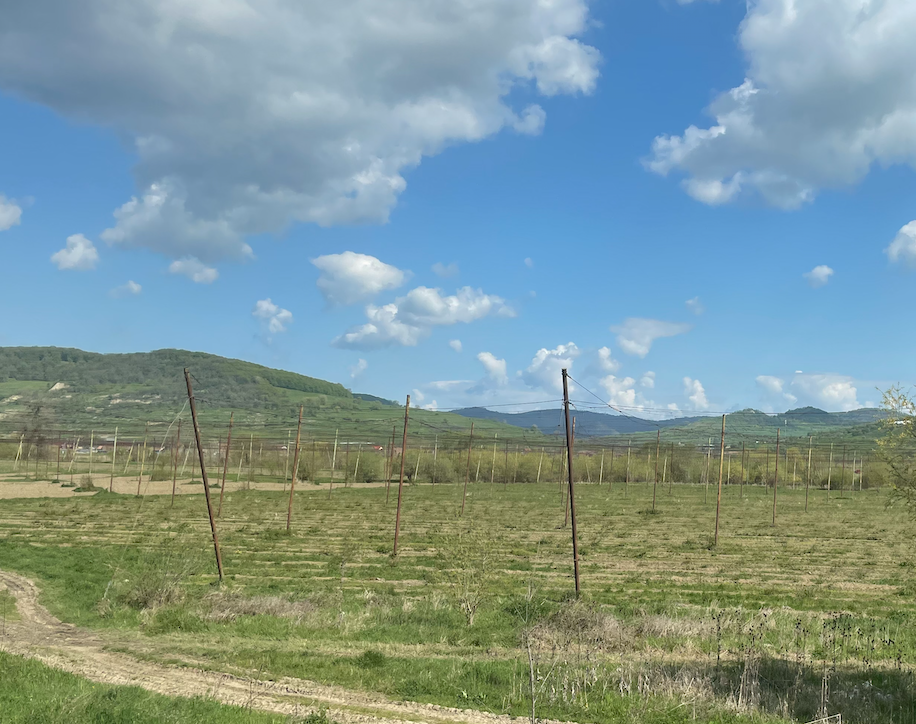
The poles of a former hop field. In 1990 small scale traditionally produced lager beer was considerable. The big international brewers became the main producers but in recent years small-scale production of traditional and ‘craft’ beers has been revived.
Changing train at Mediaș (‘Mediash‘) was required – and exploration of the town was made during the wait
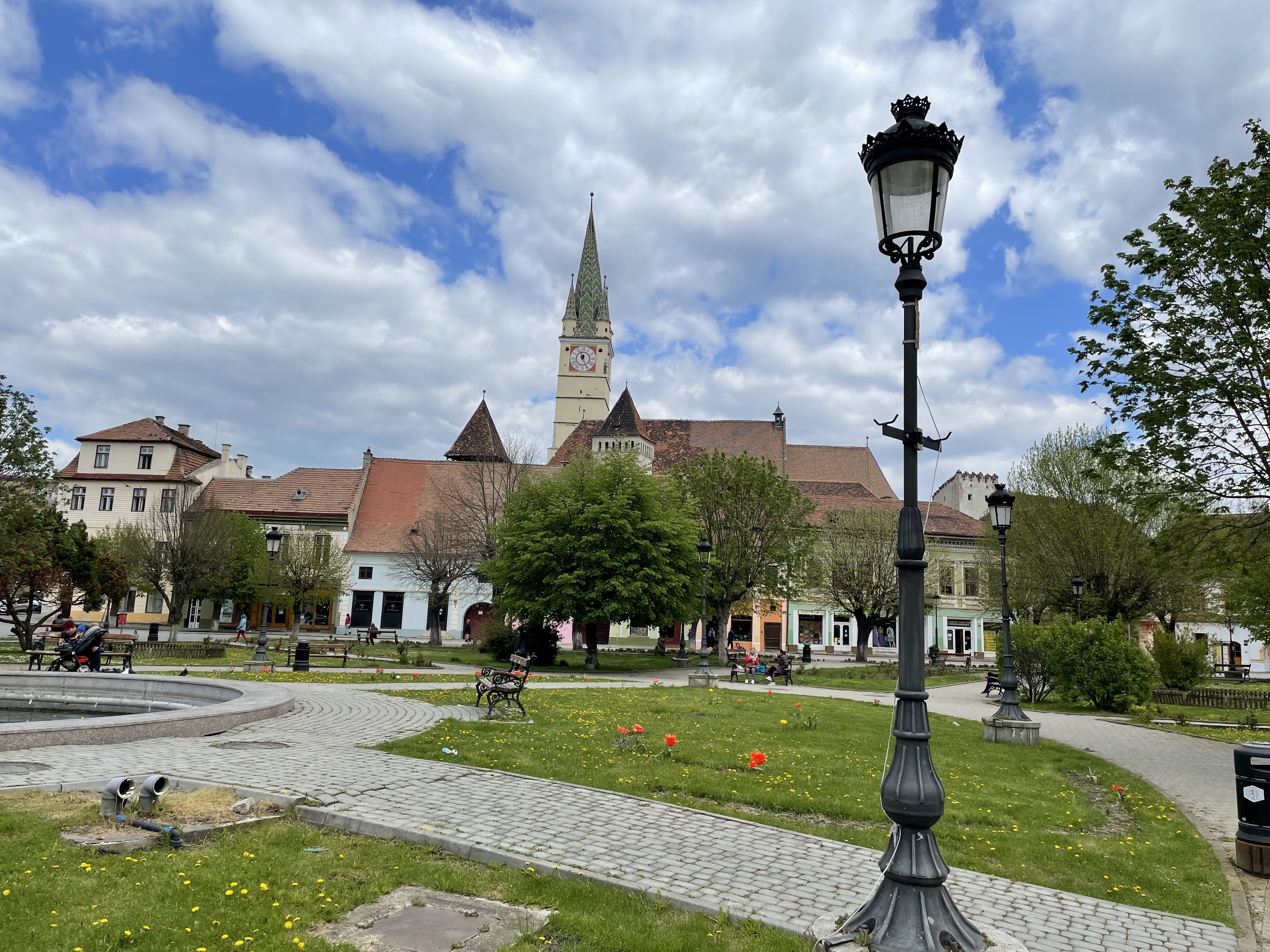
The church is placed in the centre of the original fortress. This was common in the Saxon villages but not in the mediaeval towns
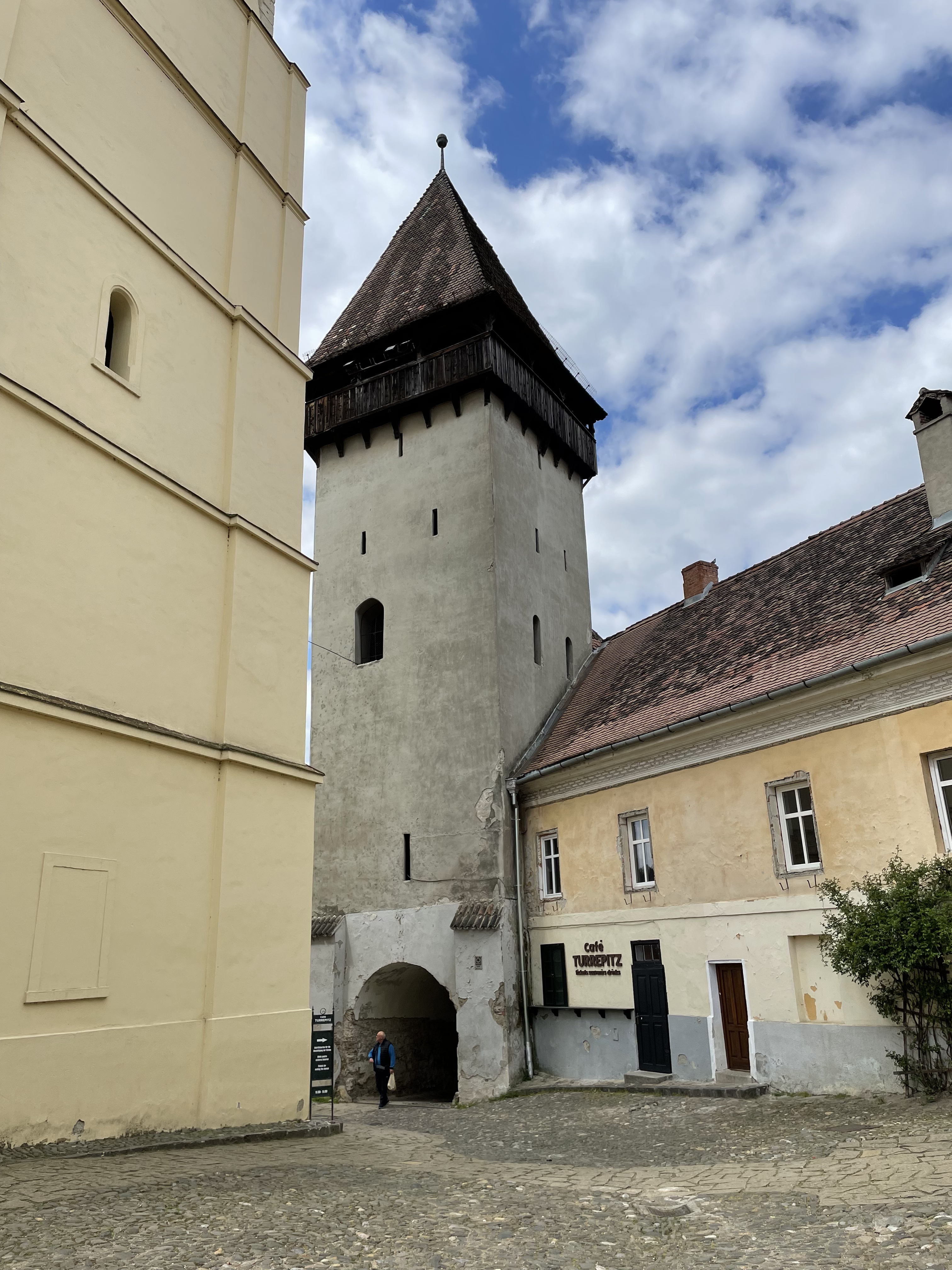
Present access to the church requires entry through on of the original defended gates & passages
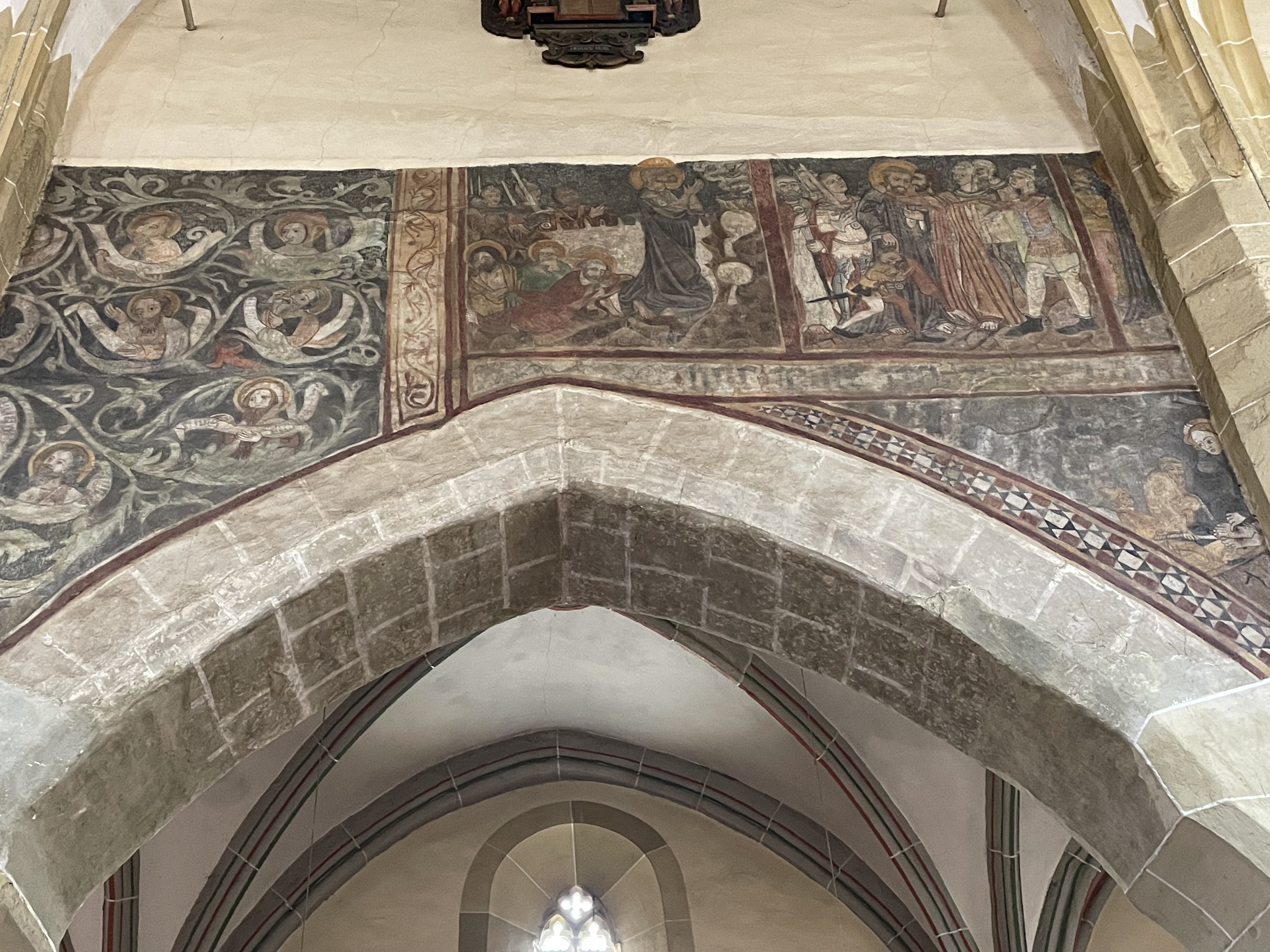
As with many other town churches in Transylvania the church contains many valuable works of art and culutrue
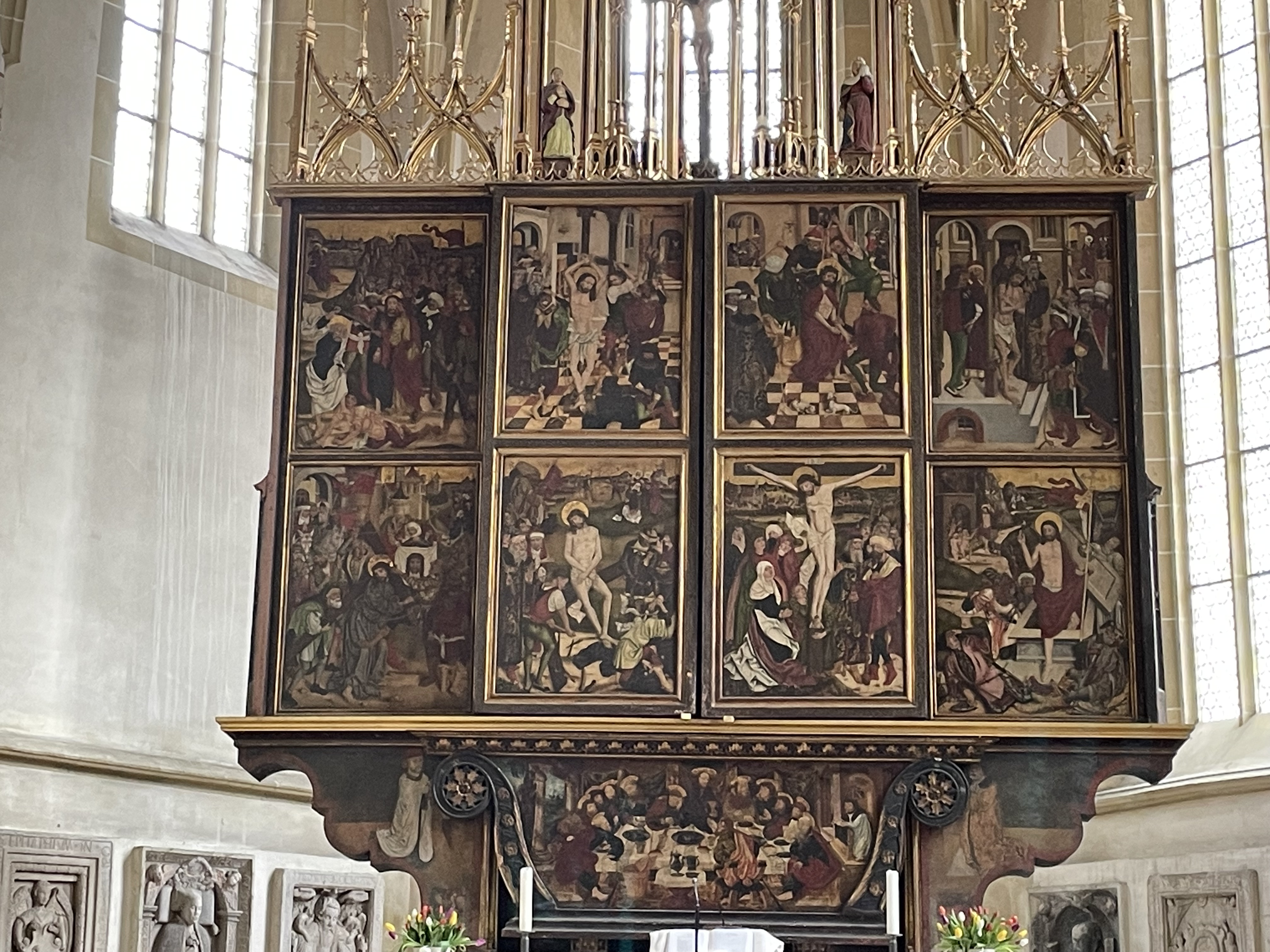
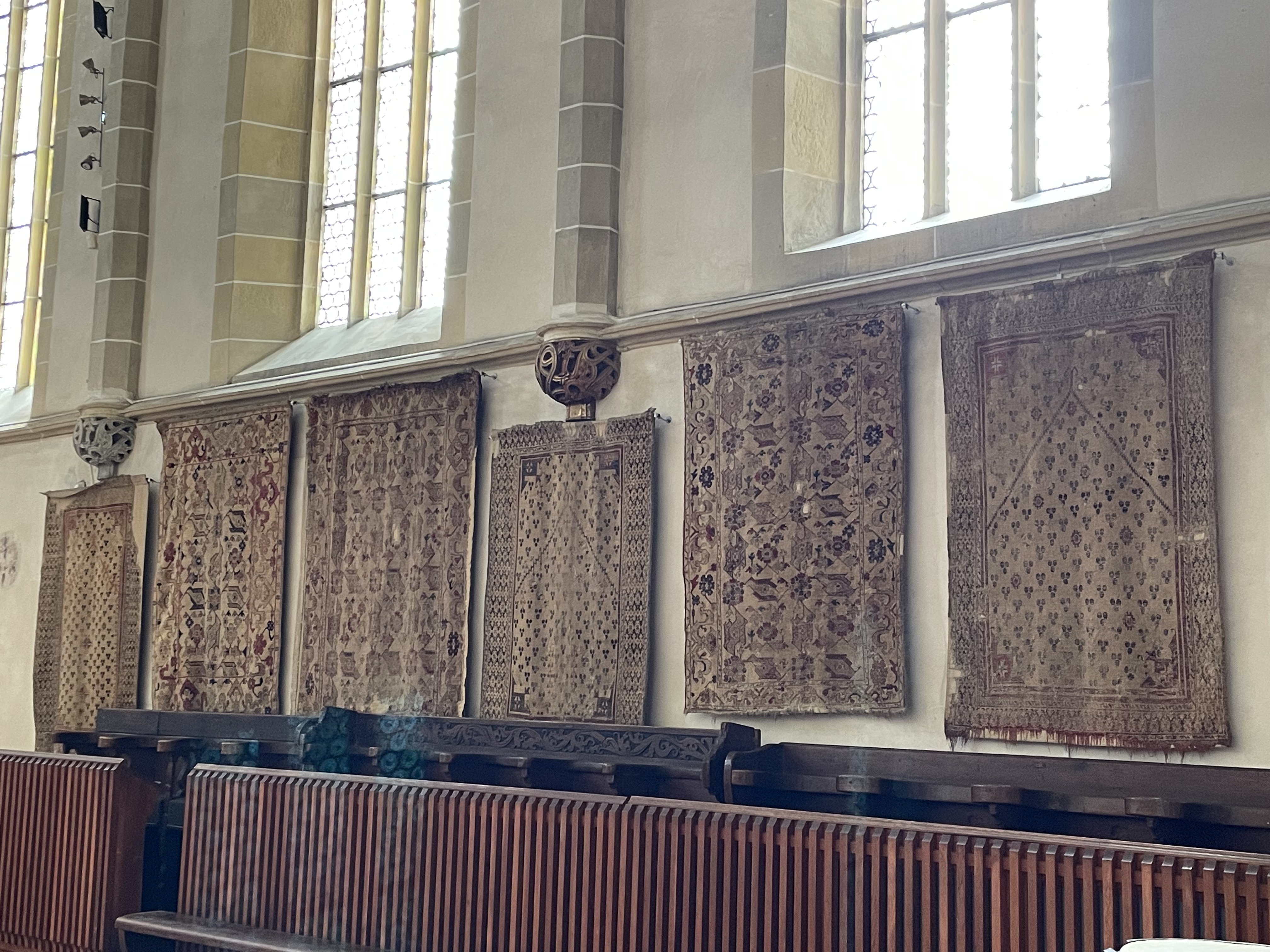
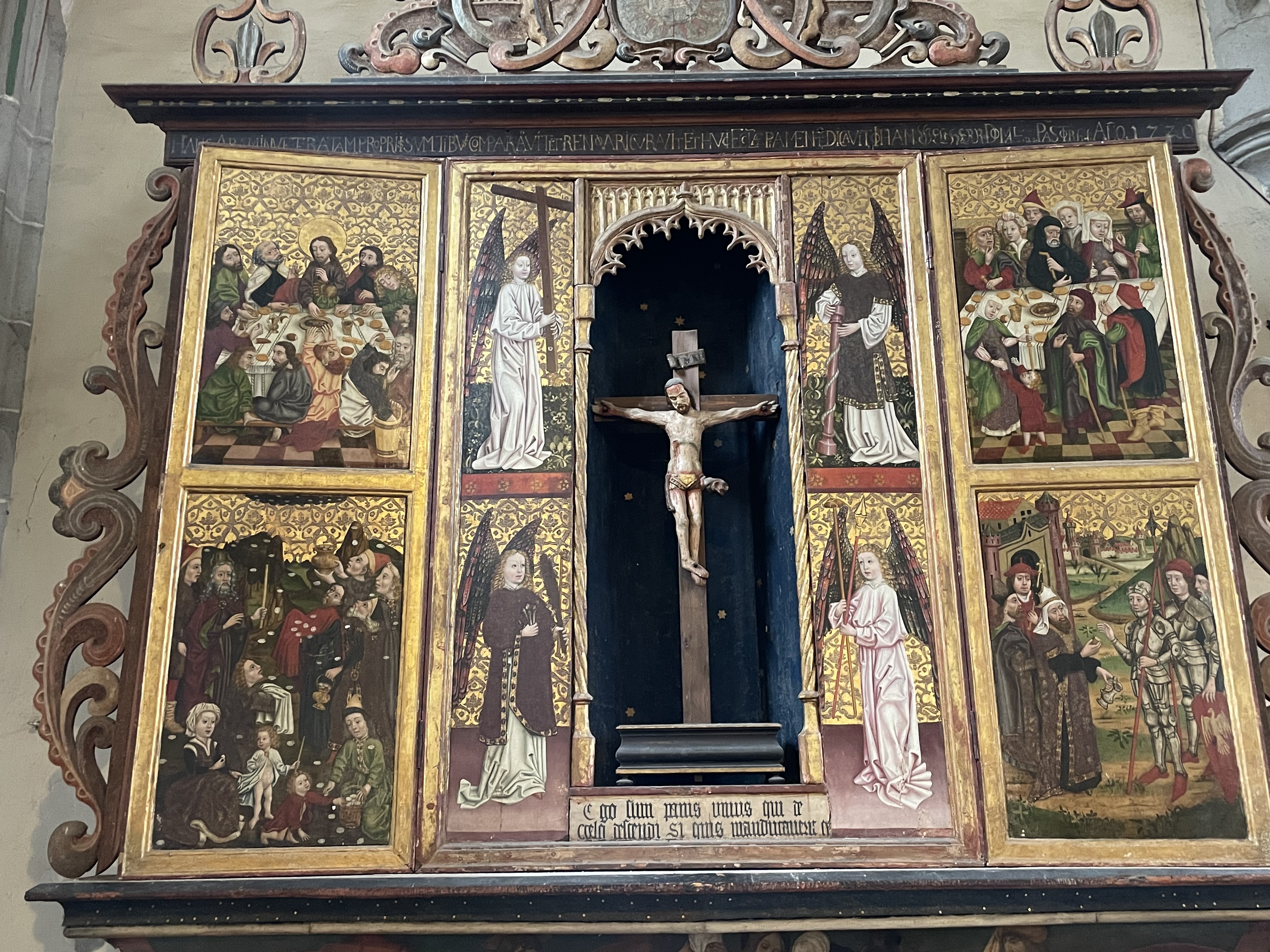
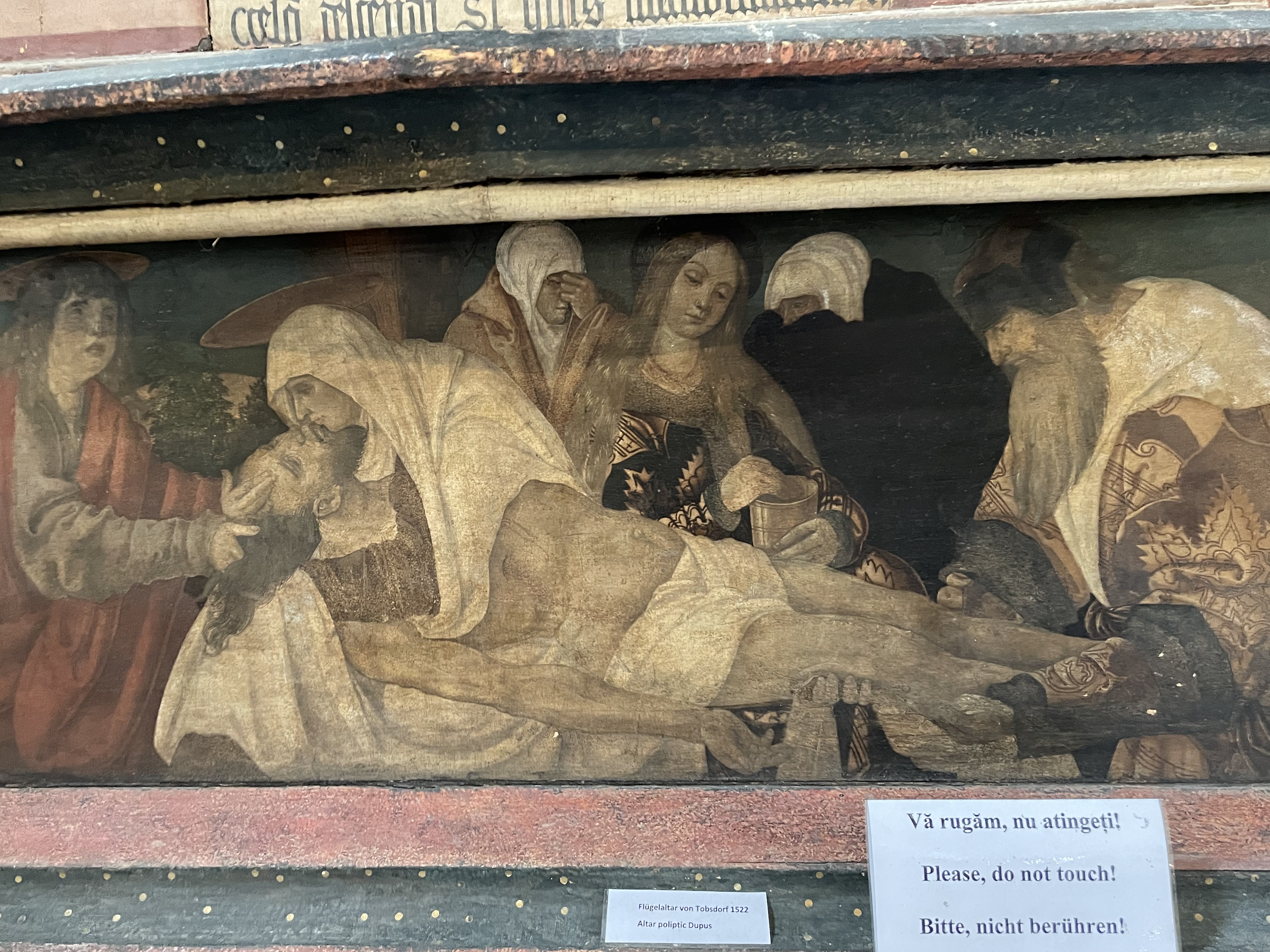
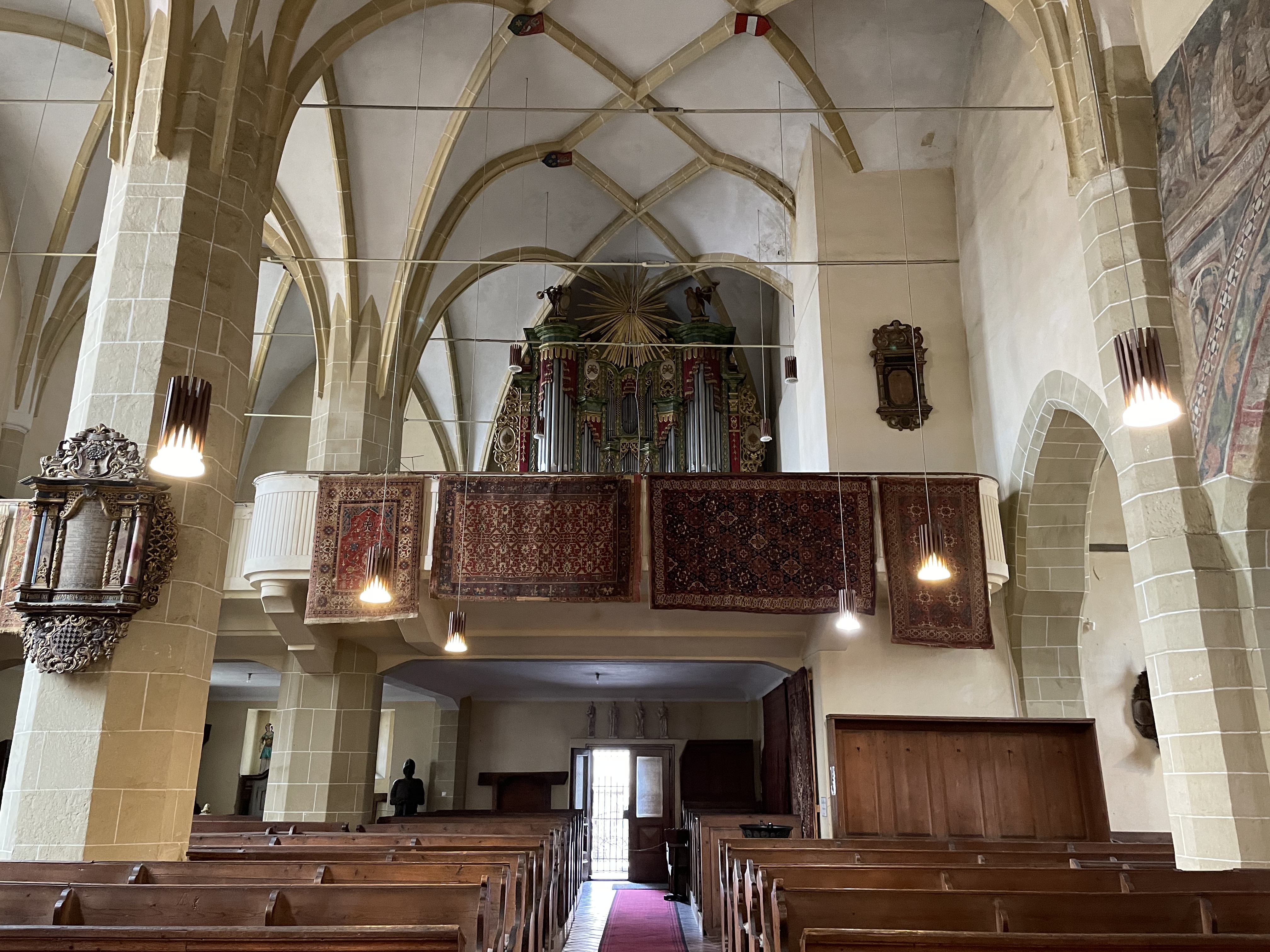
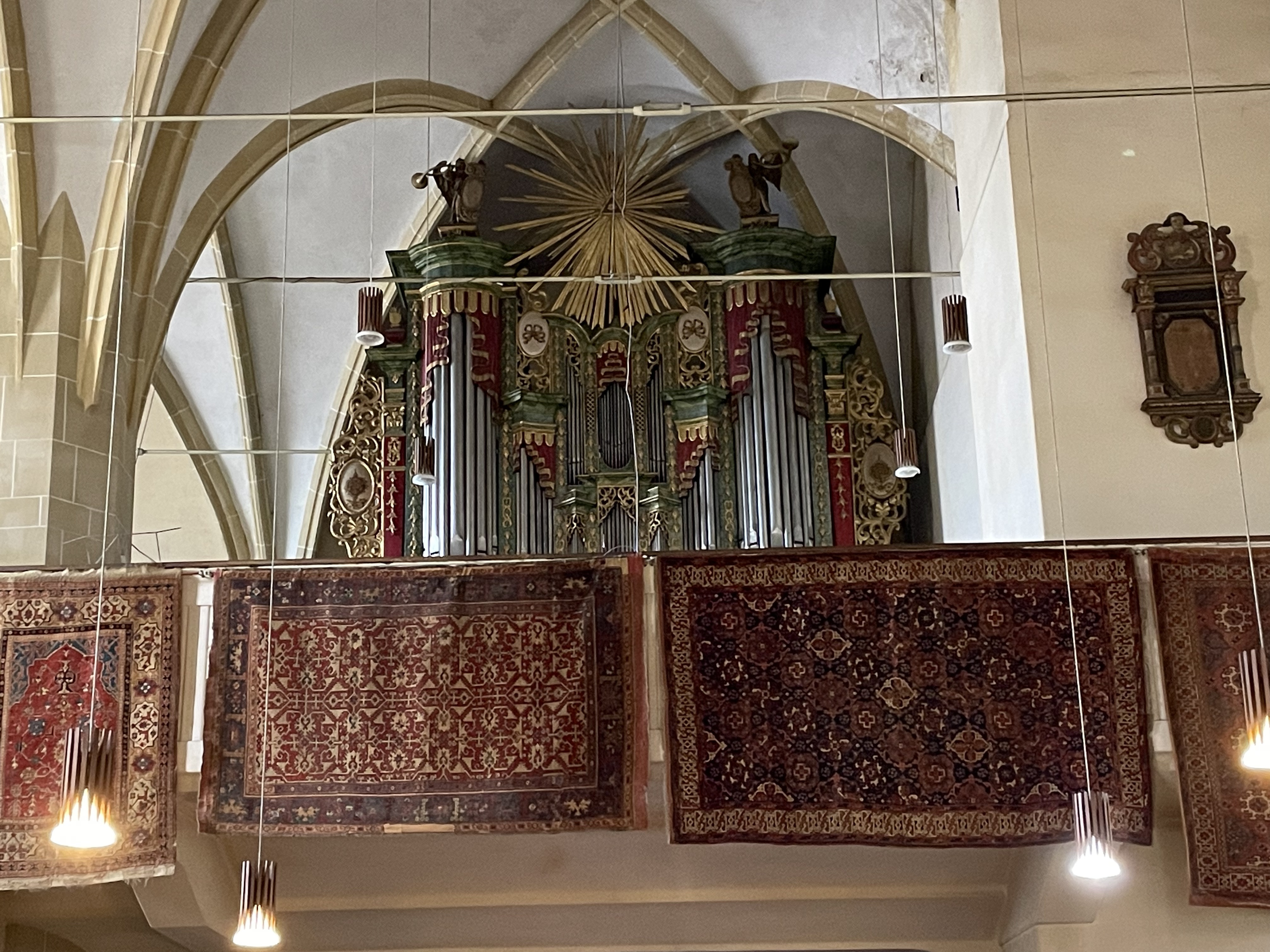
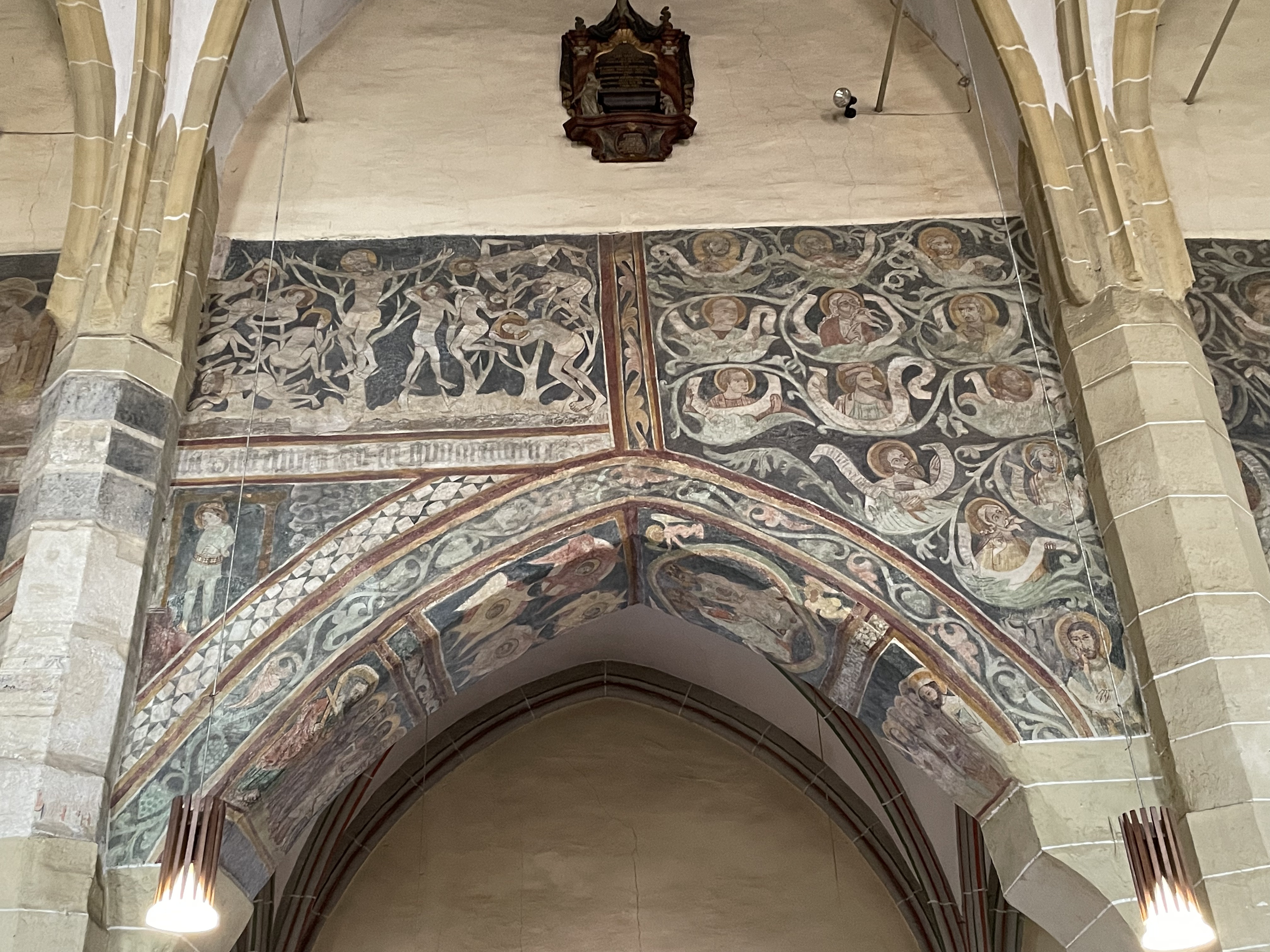
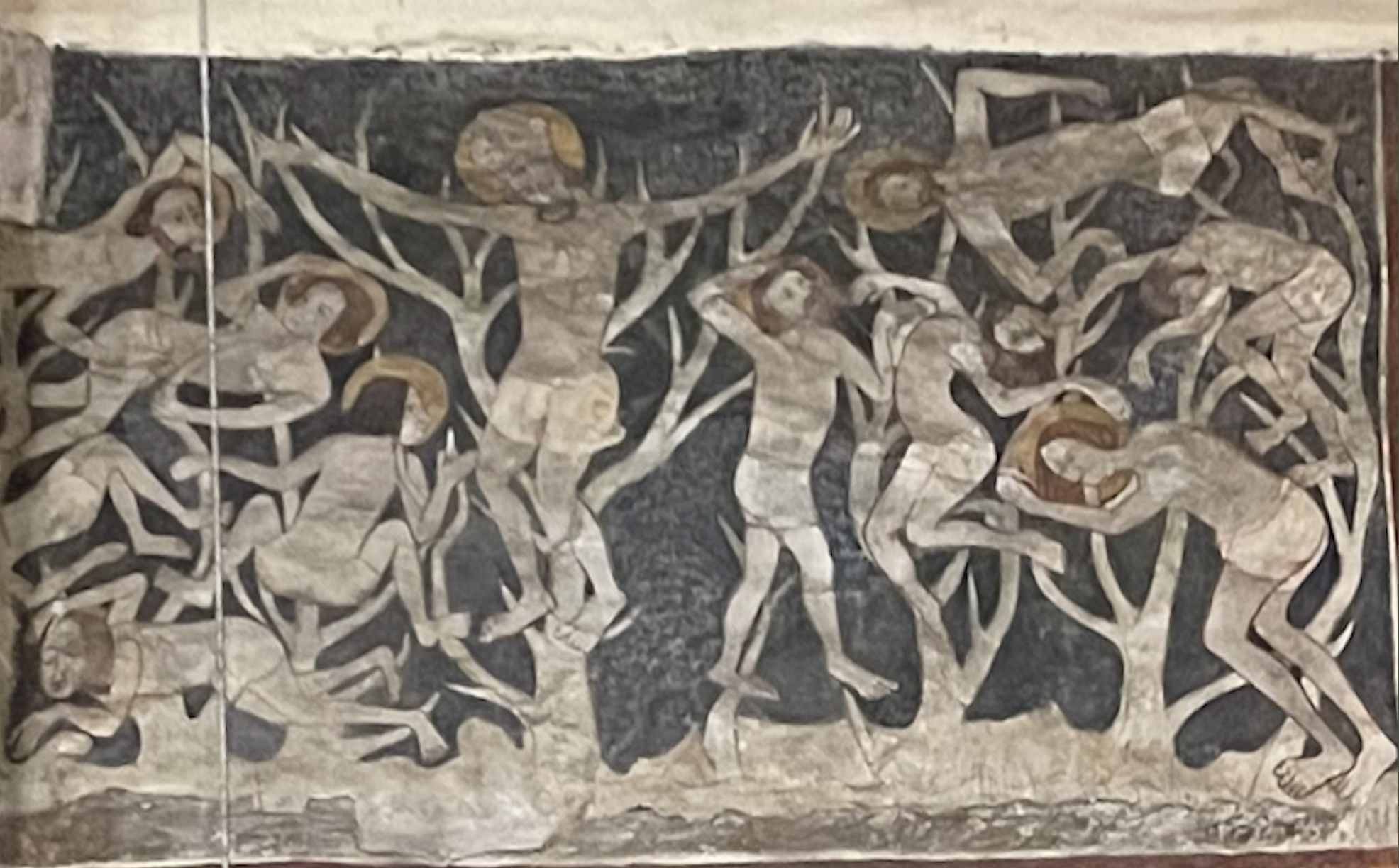
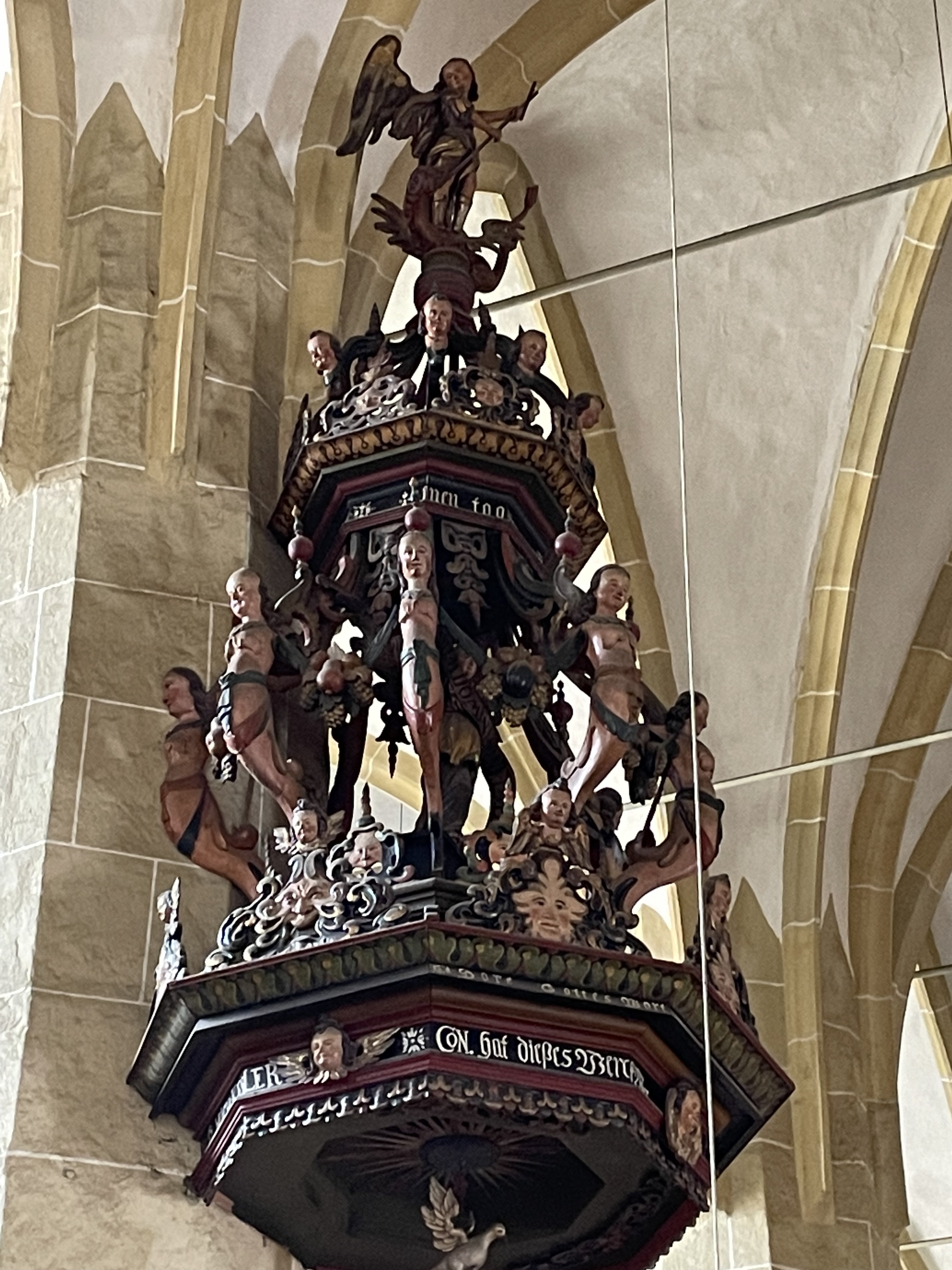
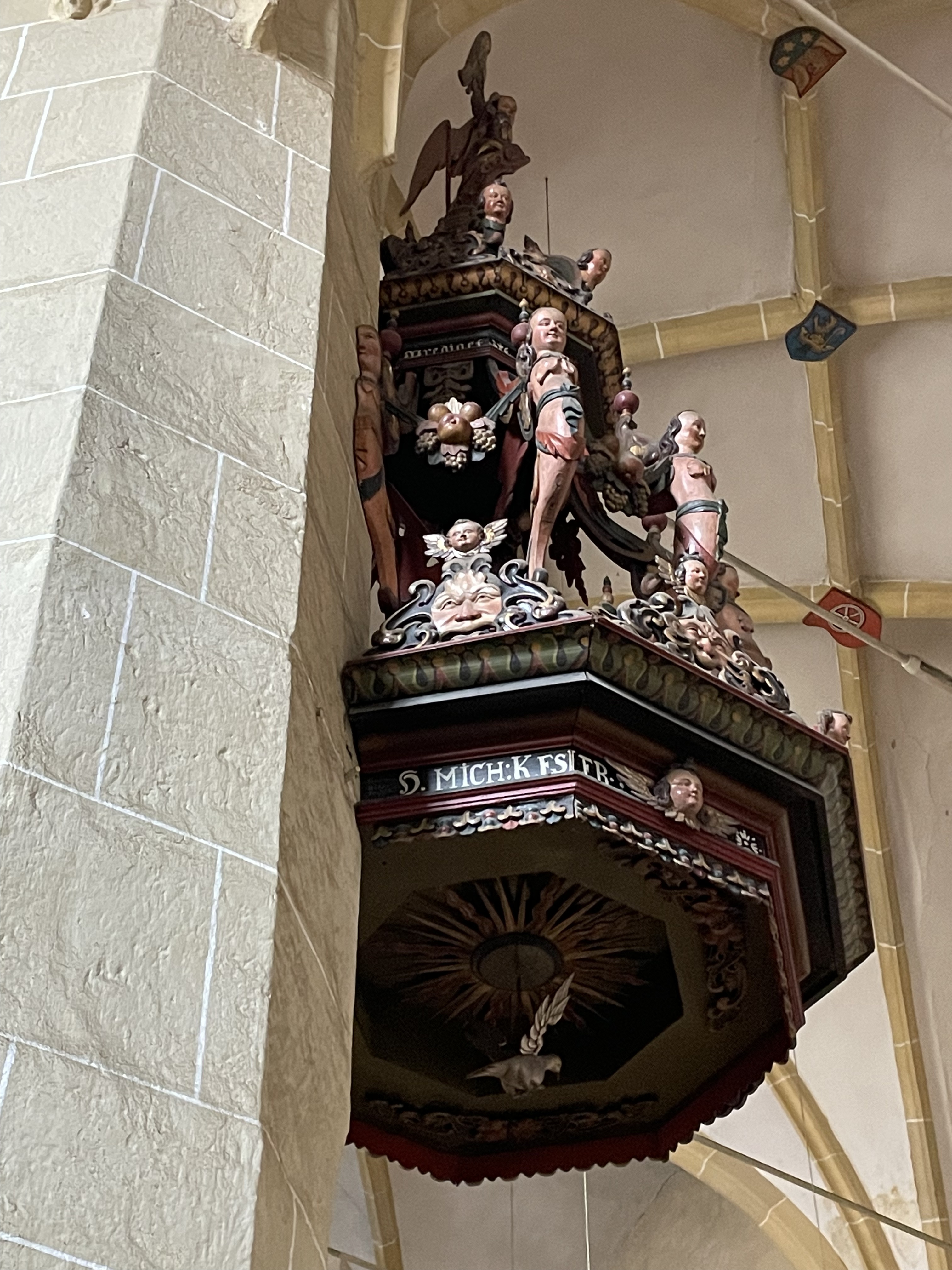
The pulpit cover – and presumably a distraction for generations of people when bored by tedious sermons.
Beyond Medias was Copșa Mică, once regarded as the most polluted town in Europe.
Now just 2 chimneys standing over a largely ruinous series of buildings.
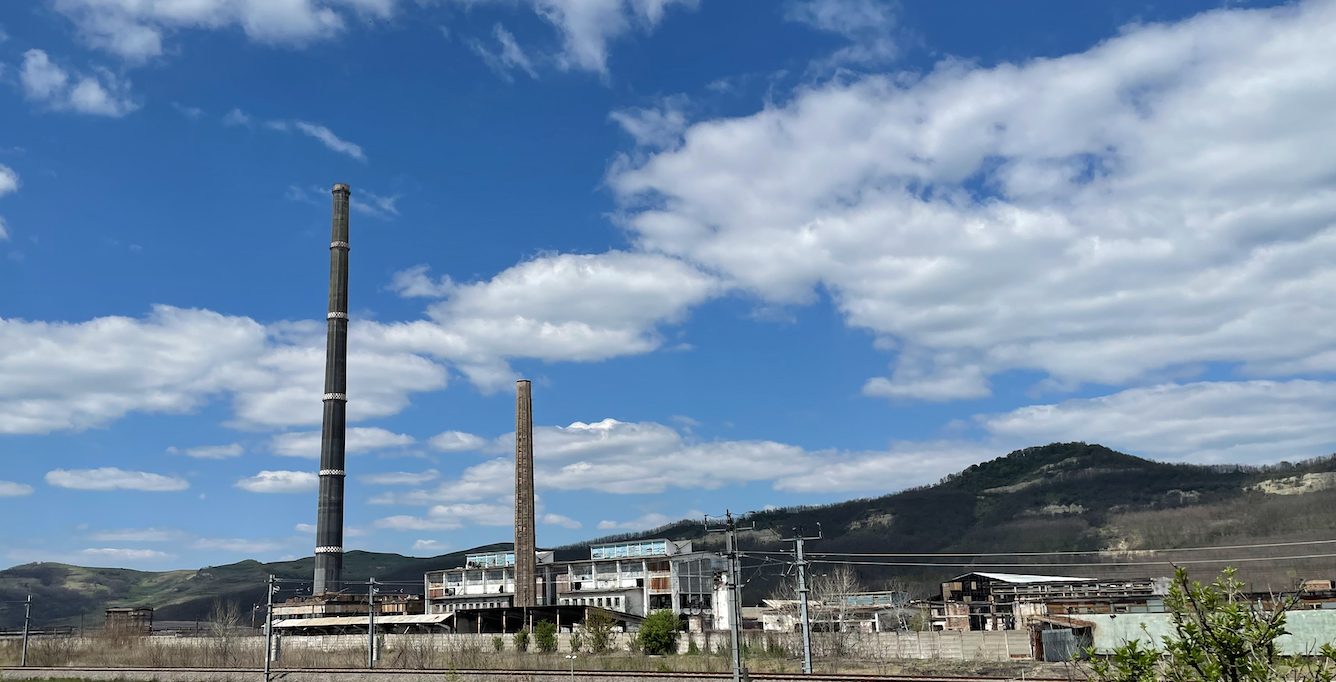
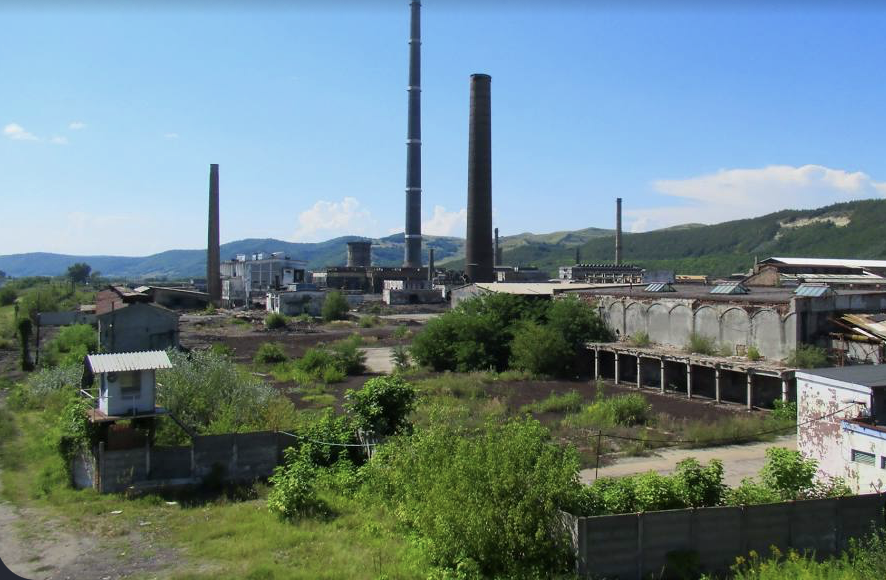
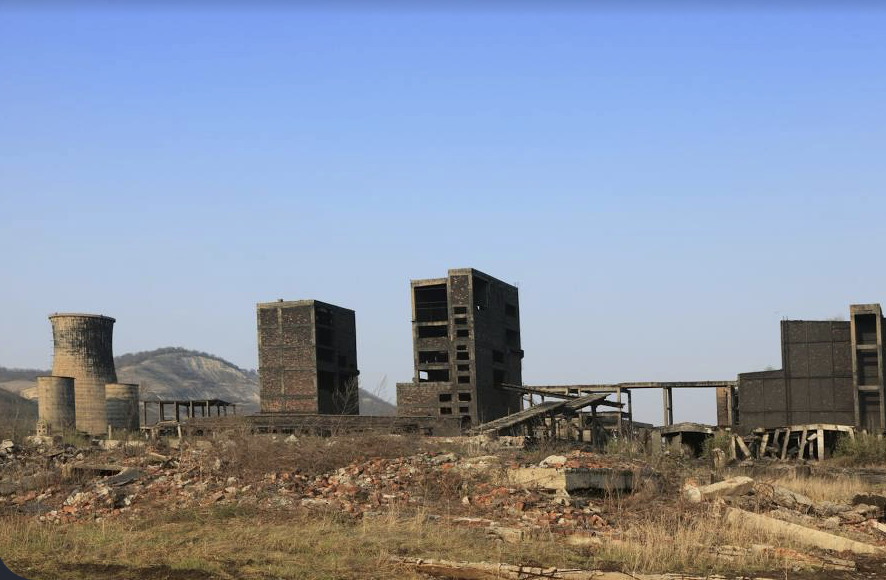
There were 2 factories
One (Carbosin) produced ‘carbon-black’ an important strengthening constituent of vehicle tyres. The smoke produced in the production damages lungs and is carcinogenic.
The other (Sonemin/Sometra) produced Zinc, Lead, Sulphuric Acid & other products.
Carbosin had failed by 1993 and since 2009 Sometra (shown in the picture above) has suspended production.
https://en.wikipedia.org/wiki/Copșa_Mică_works#
We stopped there (briefly!) en route to Râmnicu Vâlcea. The plants in the fields were covered in black spots…. physical soot that had been spewed into the atmosphere from the chimneys & literally dropped onto them from the sky.
1990
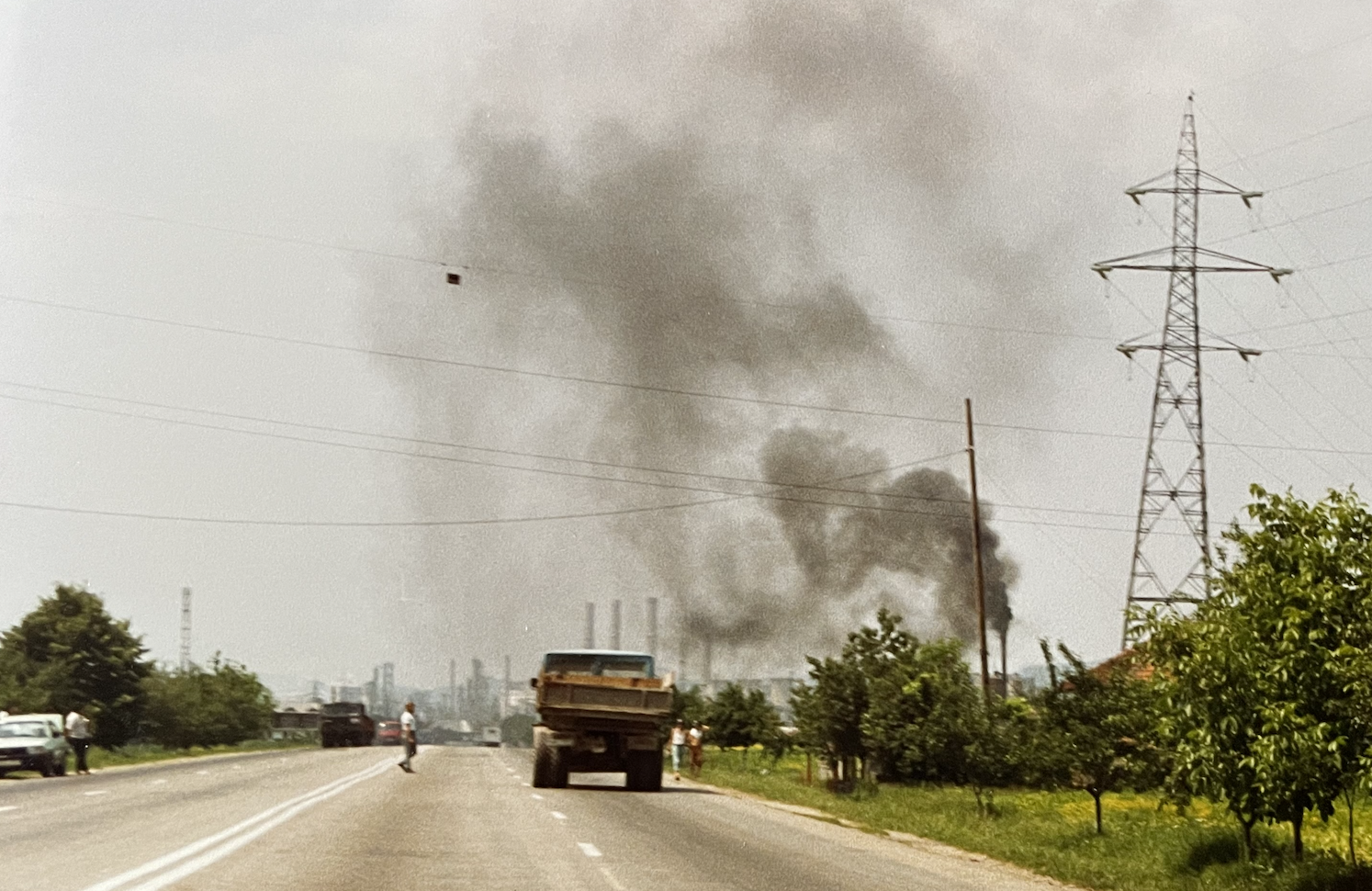
Children were blackened by the effect of the smoke, plants were covered in large black soot deposits.
1992

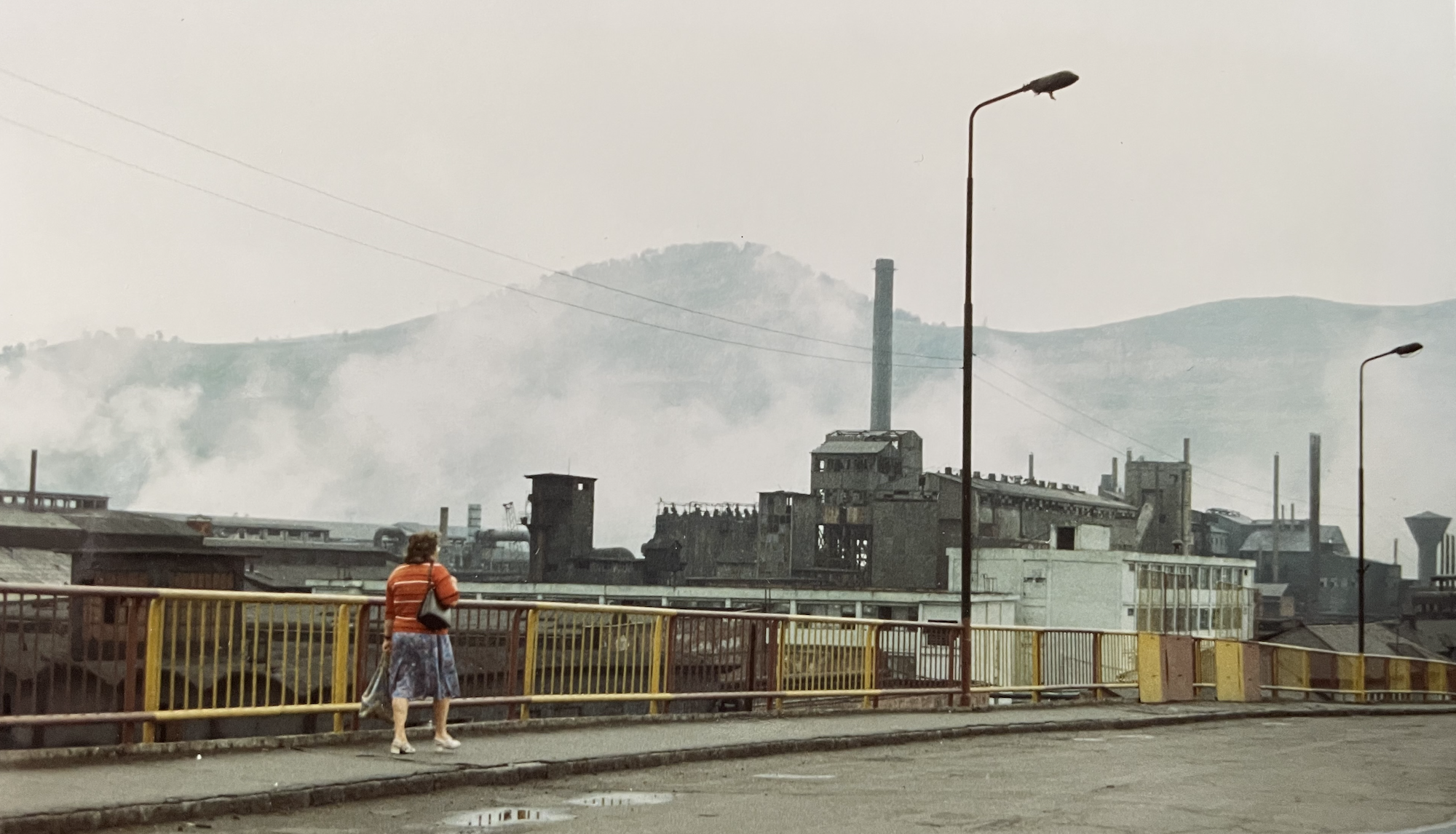
The white haze in the background was from the white smoke of the lead smelter. It combined with smoke from other metallic & sulphuric acid products to produce high levels of pollution that continues after the closure of the Carbosin factory.
In 1992 I had to change trains there & had what was probably the best glass of lager beer that I’d ever tasted. It had been traditionally produced, stored and saved….. unfortunately all that process was lost to the commercialisation of beer production.
An excellent carefully written article on Copșa Mică is at
https://alexharford.uk/photos/romania-copsa-mica-most-polluted-town-europe
Difficult to date precisely – maybe 2015?
As with most other journeys in Romania and Bulgaria the ruins of the previous pre-1990 regimes are glaringly apparent. The lack of ‘tidiness’ in clearing & cleaning areas such as industrial sites may relate to a wider sense of lack of social/community concern (explaining concepts such as ‘social & community development’ is still difficult) … BUT ….. everywhere is considerably better than in the past and the efforts to keep towns clean and tidy is impressive… more than than might be experienced in UK.
Discussions with Radu Alexandrescu in Râmnicu Vâlcea about these issues were very valuable.
Our train from Mediaș also felt to be something of survival from a previous Age. It was a ‘pre-loved’ vehicle from another country but not well maintained
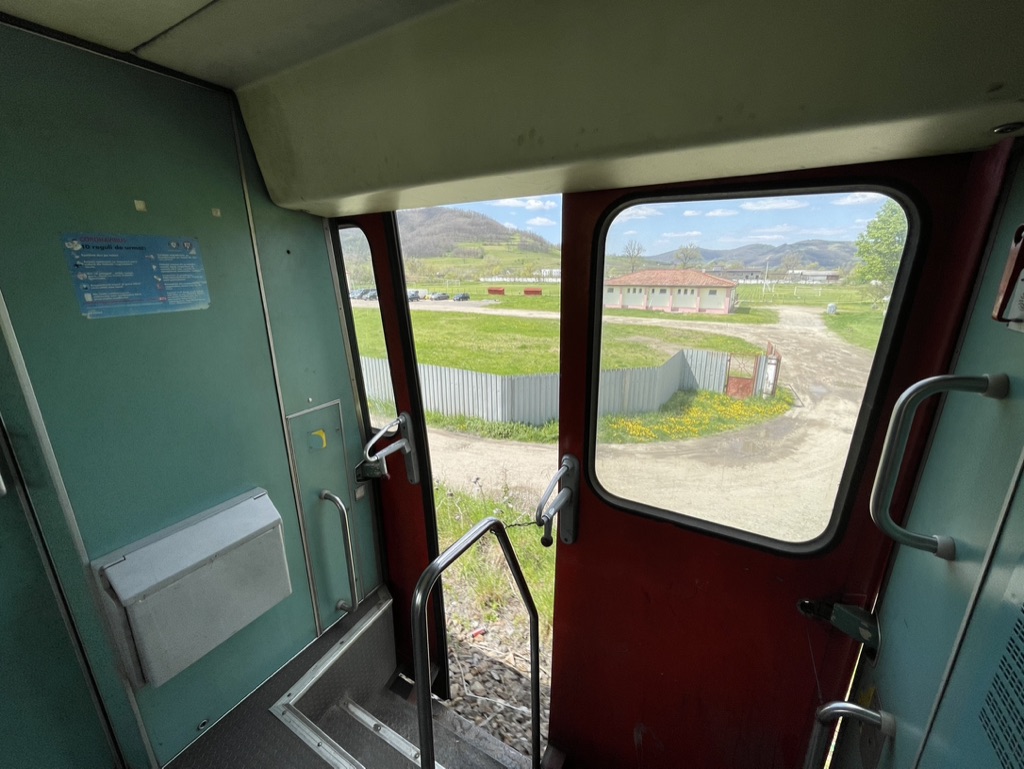
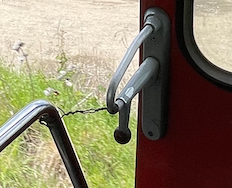
One door was held – the other just stayed open
The train passed over a low range of hills to Sibiu (Hermannstadt/Nagyszeben). Before taking the train to Râmnicu Vâlcea there was time to visit the central square of what has been an important ‘Saxon’ town.
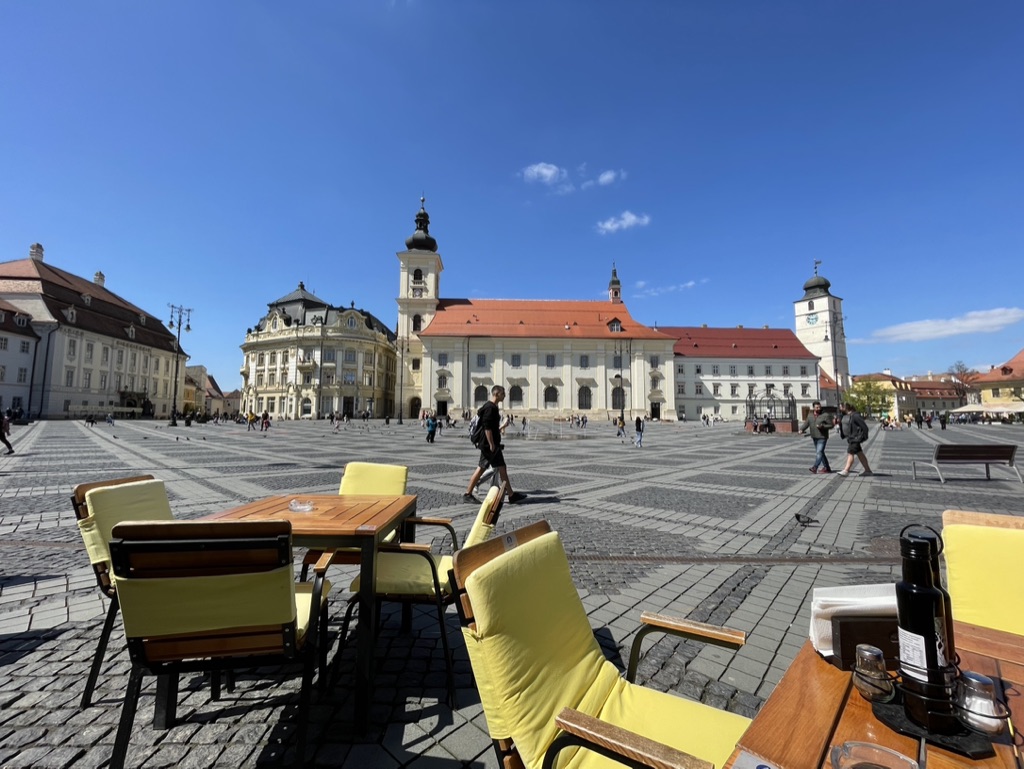
A brief stop – then on, in a very busy train, to
Râmnicu Vâlcea
In 1990 visiting Sighișoara & Râmnicu Vâlcea together stimulated a personal ‘shift of movement’.
Starting points, for me, of a major change in life.
Meeting Radu Alexandrescu.
…and (this opportunity to use one of the my favourite phrases)
the ‘Concatenation of Circumstance
’It’s not places or nations or committees that make changes… it’s people, individuals.
Meeting & then working with Radu in 1990 & 1991 changed my life.
Like him, I was also seeking change.
2 years later one of Radu’s wise & fluent, English speaking friends, sat across the table from me…. Asking me questions about the aims and purposes of what I was attempting.
He then almost formally looked hard at me and stated
’Ah…now I understand. You are helping us escape from our prison’
‘Yes! Yes!’ I enthusiastically respond (it was a rare moment because (1992) others in Romania still did not understand or grasped that point)
‘Meanwhile’, continued Tudor,……….. ‘we are helping you escape from yours’
I explode with laughter…..
This person really, truly understood…. A wonderful moment, as from such perceptive analysis and agreement, effective working friendships can be built.
In 1990, Romania provided the context. It had been a place which had raised my curiosity as a child, after seeing on a map, the words ‘The Iron Gates’.
This name was first seen around the time I first heard, on a radio broadcast a reading of Tolkien’s ‘Fellowship of the Rings’ (apparently its first broadcast).
The name 'The Iron Gates', set on a great river passing through a mountainous region, seemed to have come from that epic. The desire to visit remained but could not be realised until after travel into eastern Europe was 'opened'.
Immediately after the fall of Ceaucescu in early January 1990 we started planning the journey.
Now we travel to Râmnicu Vâlcea to meet the person, Radu, who, 33 years ago had been instrumental in ‘setting in motion’ the processes that changed my life… and which subsequently dragged others along with the movement.
Radu was a teacher with the skills of an entrepreneurial opportunist. Immediately after the doors of Romania were thrown open in early 1990 he used the links he had acquired previously to look for ways to develop his role as an English teacher.
His desire: to the ‘open the eyes’, develop the knowledge & understanding of those with whom he worked – school students and adults to whom he taught English.
Whilst he was in England & following a chance conversation I had with a local radio broadcaster, I was directed to the house in Shrewsbury in which he was staying.There was an instant invitation to visit Râmnicu Vâlcea & provision of the necessary Romanian currency required for our forthcoming visit (the currency was not then trade-able outside their country & with, as was usual communist currencies, vastly over-rated in value).
A quick phone call & the next day Radu was on-stage at the Community College in Bishop’s Castle addressing the whole school – and telling them never to accept Communist dogma (a somewhat unlikely event in the very conservative local community…. But the telling was a significant indicator regarding the social and economic differences that then existed).
Following that visit plans were laid and at the end of July our family drove across the Continent first to Sighișoara then to Râmnicu Vâlcea.
A different Romania to Transylvania: Wallachia.
Our brief time in Râmnicu Vâlcea was spent in local exploring, visiting, meeting & planning.
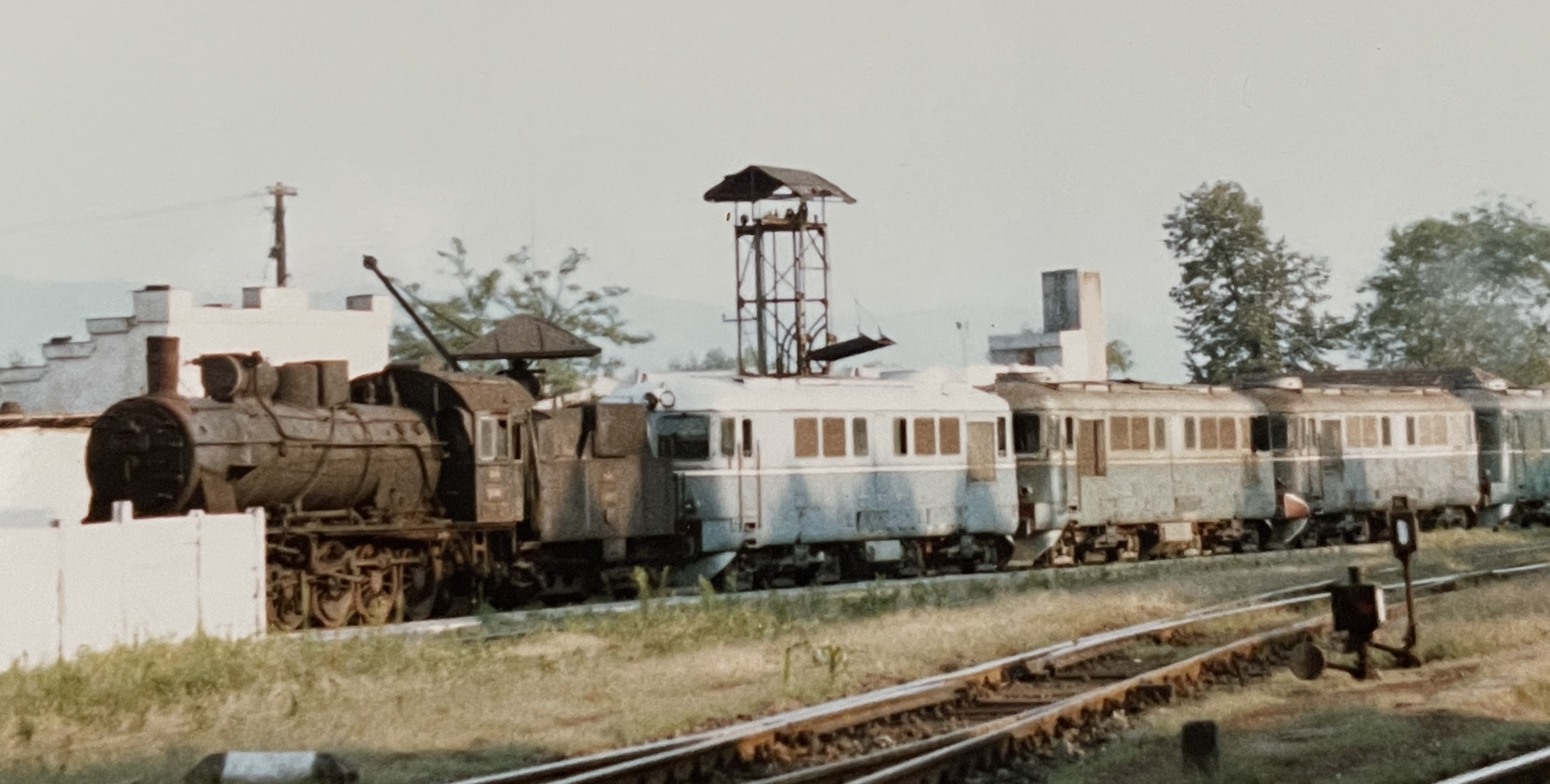
Radu made sure we had a very comprehensive sense of what was occurring.
This was a time when the international response to the poverty of Romania, a deeply damaged nation lacking societal interactions & structures, was considerable.
Under Ceaușescu, both abortion and contraception were forbidden…. In October 1966, Decree 770 was enacted, which banned abortion except in cases in which the mother was over forty years of age or already had four children in care….By 1977, people were taxed for being childless. … This increase in births resulted in many children being abandoned in orphanages… also occupied by people with disabilities and mental illnesses…. these groups suffered institutionalised neglect, physical and sexual abuse, and drug use to control behaviour.
Wikipedia: Romanian orphans
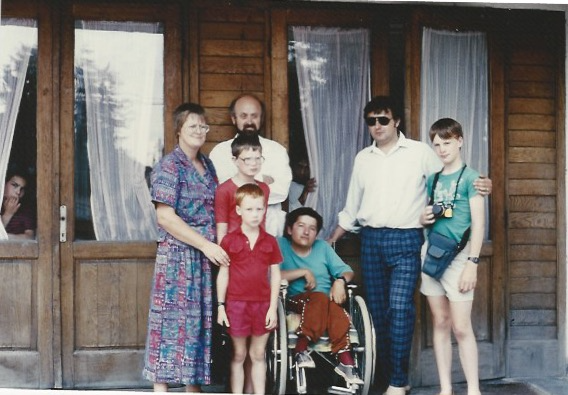
As the Casa de Copii (Children’s Homes) had received considerable attention Radu arranged a visit in which efforts had been made to provide rehabilitation. The reality was very disturbing largely because the staff were managing without almost any resources.
I have photos from inside but it would be inappropriate to use them. Some memories of individual children remain very clear & painful.
The needs of such sectors stimulated external individual and small group actions – but these were often made without any real sense of the complex local realities.
For example people (across Europe) were (understandably) sending toys & medical equipment to the ‘infamous’ Children’s Homes but without realising that it was not just the Children’s Homes that lacked such equipment. The result was that many items were taken by staff.
The needs of such sectors stimulated external individual and small group actions – but these were often made without any real sense of the complex local realities.
For example people (across Europe) were (understandably) sending toys & medical equipment to the ‘infamous’ Children’s Homes but without realising that it was not just the Children’s Homes that lacked such equipment. The result was that many items were taken by staff.
So rare were good quality toys that they often were simply hung as wall decorations. It was also an illustration of the enforced principle of adherence to received theory (‘saying’ the correct words) rather than practise (‘doing’ the correct thing).
The same ‘honour’ applied to used Coca-Cola cans – often placed as trophies in a home… exemplifying personal need for connection?. This practise ceased after 1992 when Coca-Cola, previously prevented in Romania, launched nationally.
In 1992 I witnessed the mayor of Sighișoara come to the Children’s Home and almost beg the UK agency (that had fitted a new children’s high quality playground in the home) to provide one for general use of town children.
On that visit:
– I watched a large UK wagon delivering vast quantities of Rice Krispies. The home already had its own small farm, used for feeding the kids & also to engage them in practical education.
– was invited to witness abortions being carried out in a room – on a walk-in, walk-out basis. There was queue outside.
As well as the above offer (which I refused) the sharpest lessons I received regarding this general deprivation were through 2 visits in 1991 with Luiza, at that time Romania’s best young pianist:
- Visiting the National Music School in București. The residential conditions were as bad as those in the Adolescent Children’s Home in Sighișoara – and in many ways worse because there was no effective oversight in the overcrowded, decaying residence & students stole from each other.
- Taking a hospital tour conducted by a doctor. In the operating theatre (no hygiene concerns or protection, some key equipment, second-hand, supplied from Airedale Hospital, near Leeds in UK) Luiza quickly left in a panic. Outside, she explained. Her previous visit had been for an operation in which, due to failure of anaesthetic, she was held down by staff.
There were other visits in 1990
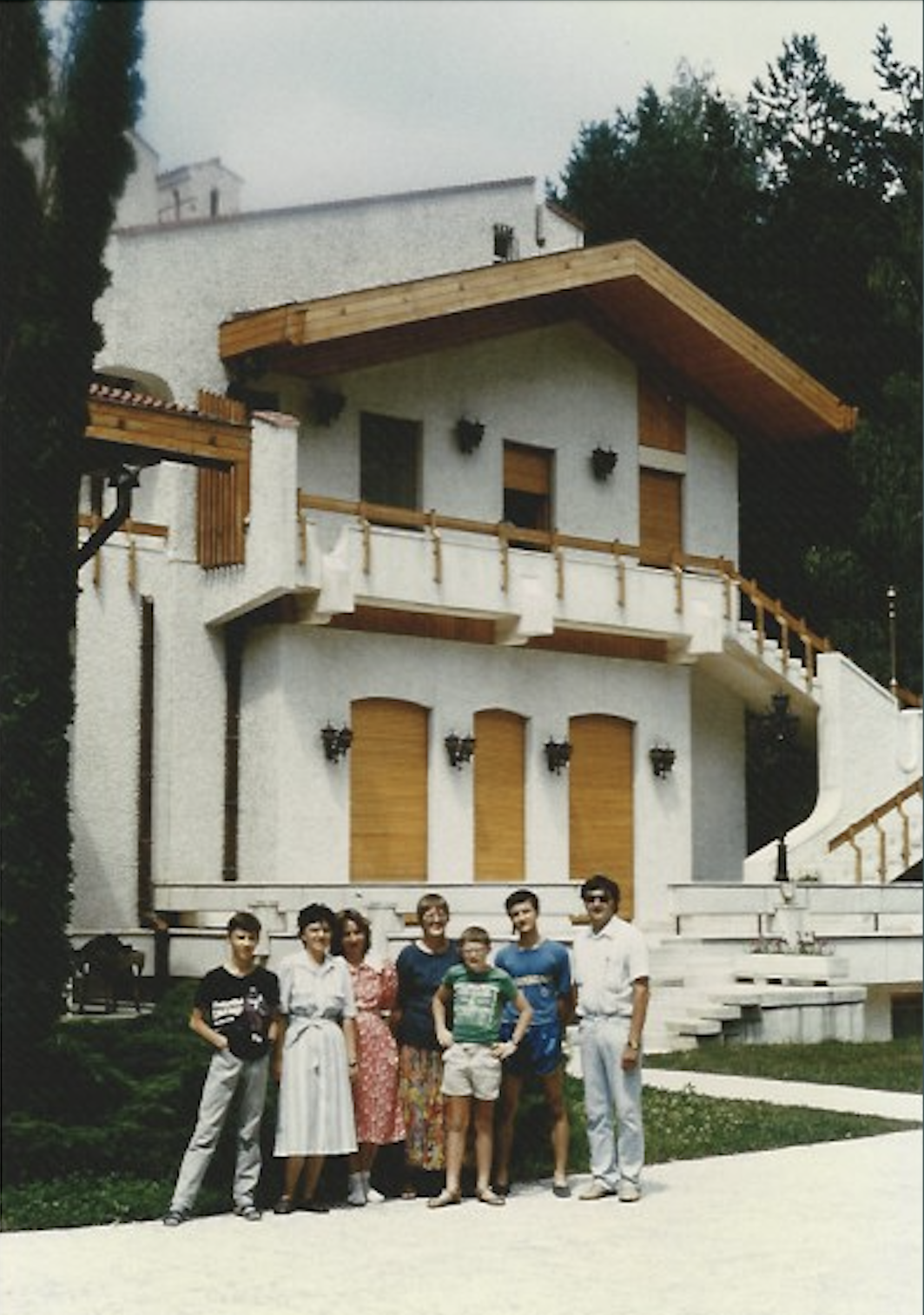
Ceaușescu had built, for himself & family, a series of ‘palaces’ (22?) – one was near Râmnicu Vâlcea & which our families visited.
There many other elements about life in Romania in 1990 that had impact on us.
2 of which have changed (and of which present Romanian citizens under 40 years of age are probably unaware).
- many people walked the streets with their heads held down.
- There was a real fear that oppression would return. In discussing this with friends they agreed that was how many felt.
- In June 1992 Russian troops (stationed locally) engaged with local Republic of Moldova troops in the Transnistrian War. I was in Romania where, with great concern, it was interpreted as an ‘invasion’.
How correct have the concerns of people in Eastern Europe proved to be!….. The presence of Russian troops in part of Moldova has become a more significant issues since 2022.
Everyone was serious, careful & cautious – nobody, especially children, played naturally.
A relaxed & playful attitude is now normal though there is still a formality & cautious approach underlying many relationships. Building easy & effective communication can be difficult.
Without intention we introduced our own variety of playfulness…. when seeing the old steam engines resting near the railway station. These were specially protected – and include ‘no photographs’ markers nearby
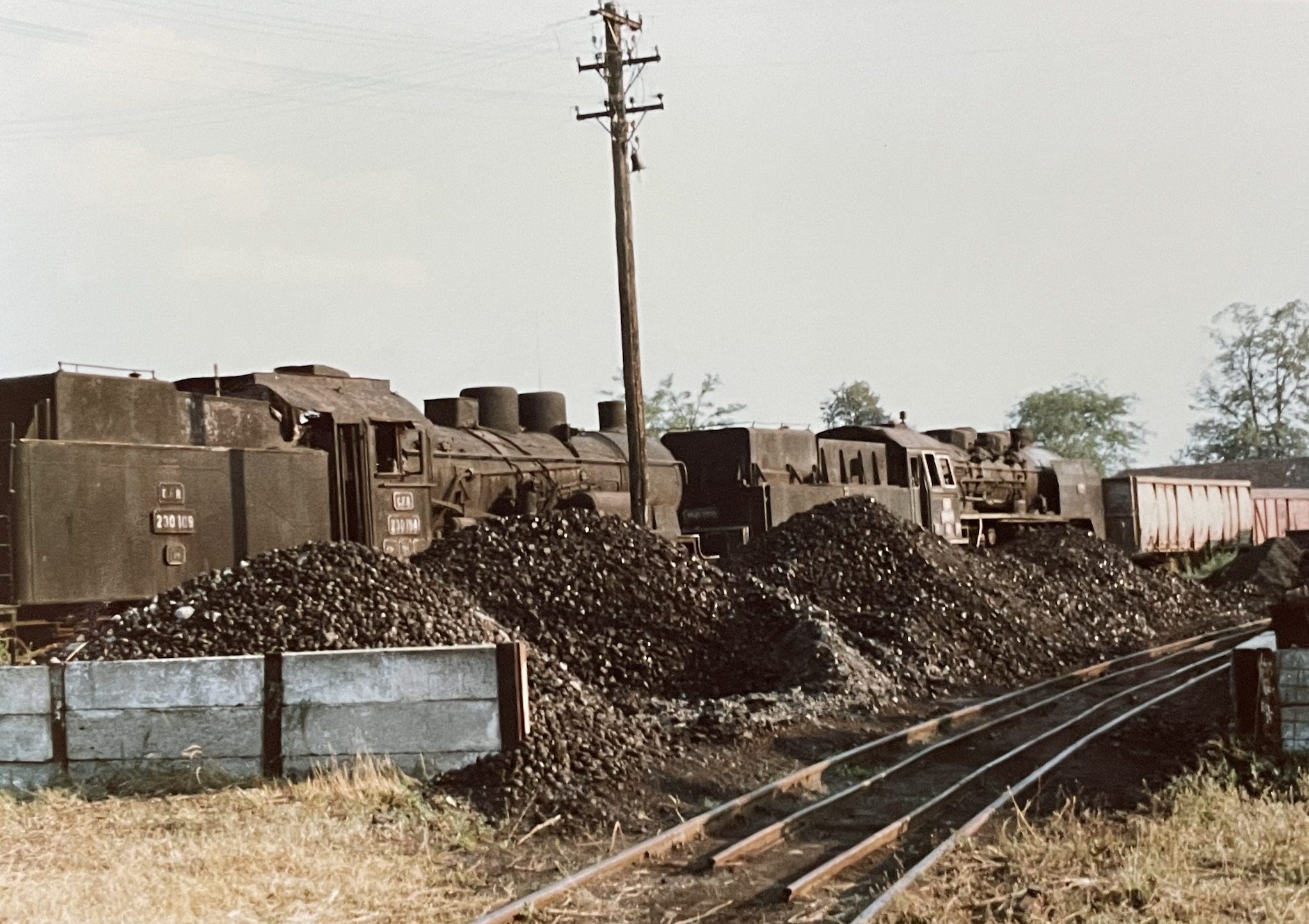
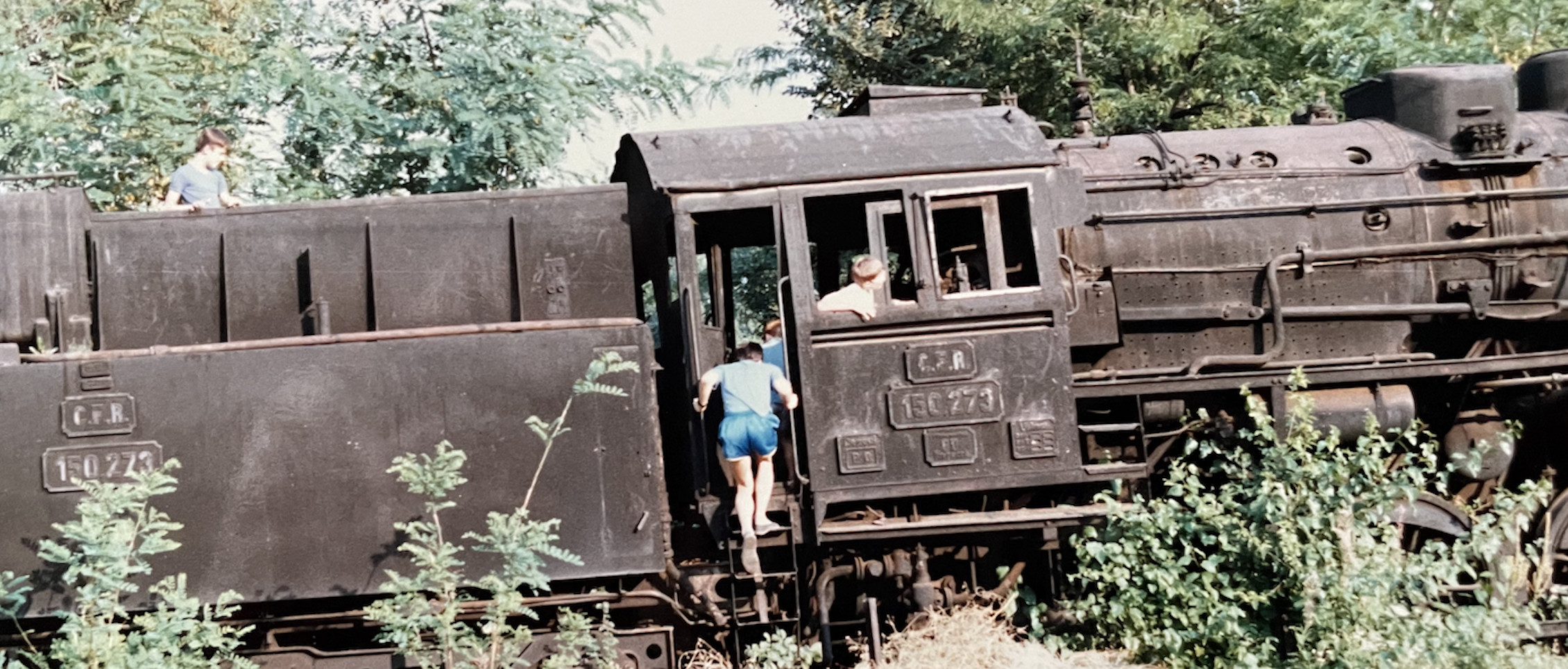
They were kept in case of military emergency (invasion – but by whom?… Bulgaria?): ‘We can have them working within 2 days’ stated a genuinely (unusually) relaxed railway engineer whilst our kids enjoyed themselves on the engines.
We returned to UK with a list of actions to perform – the only one in which we failed was the request from the Bishop of Râmnicu Vâlcea to provide bibles (but church links later became important in other ways). During my visit he honoured me by opening a bottle of (in those days, rare) Johnny Walker Red Lable.
Within the year Radu and I had organised & ‘delivered’
In the Spring,
– a 2 week visit to the UK of senior personnel which including formal meetings in the Shirehall Shrewsbury & Ironbridge
– A Community College hosted visit of 20 school students
– A concert tour for one of Romania’s best young pianists
– Family links (which still continue) including placement of 2 students at the Community College studying A levels
– An autumn 1990 visit of student representatives from Bishop’s Castle to Râmnicu Vâlcea
Then in 1992 Radu
– brought together other teachers in the town and started the first community association – primarily for young people. It had a huge membership & (as can easily be understood now) struggled due to the lack of experience amongst all involved Communist governments never allowed independent or community initiatives or volunteering’.
‘Volunteering’ was a formal requirement organised by the State. It required people to work, without payment, on (usually) physical maintenance activities. Again this provides an example of the way communism corrupted people and language.
– Arranged for the core management of the group to attend a Weekend Workshop in the Biserica Anglicană din București Anglican Church in Bucuresti
– Developed opportunities for the company Fair Trade Links. These included creating contacts with icon painters in local monasteries. This proved to a very valuable part of the work of the company.
…. And all of the above actions occurred just before the easier communication of email & the ‘Internet Age’ was initiated.
(in 1990/91/92 it took approximately 2 weeks to receive a reply to a letter sent from UK to Romania. Initially, 1990, phone conversations, if a connection could be made, were almost inaudible)
Once regular contact was established there were other informal activities, visits, hosting etc that occurred over the following years.
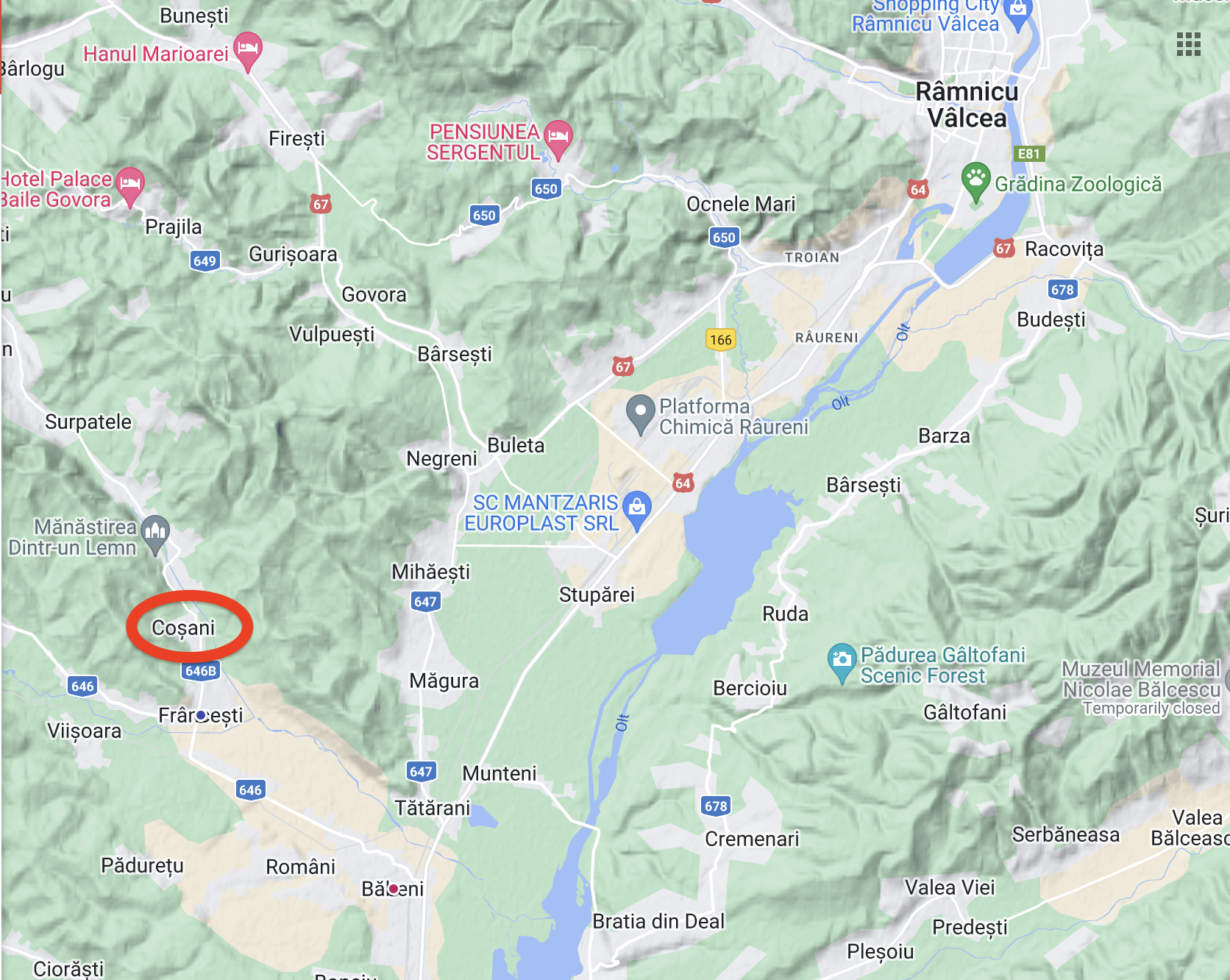
Monasteries were important – but so were other ‘naturally occurring’ encounters when meeting the traditional life of rural Oltenia.
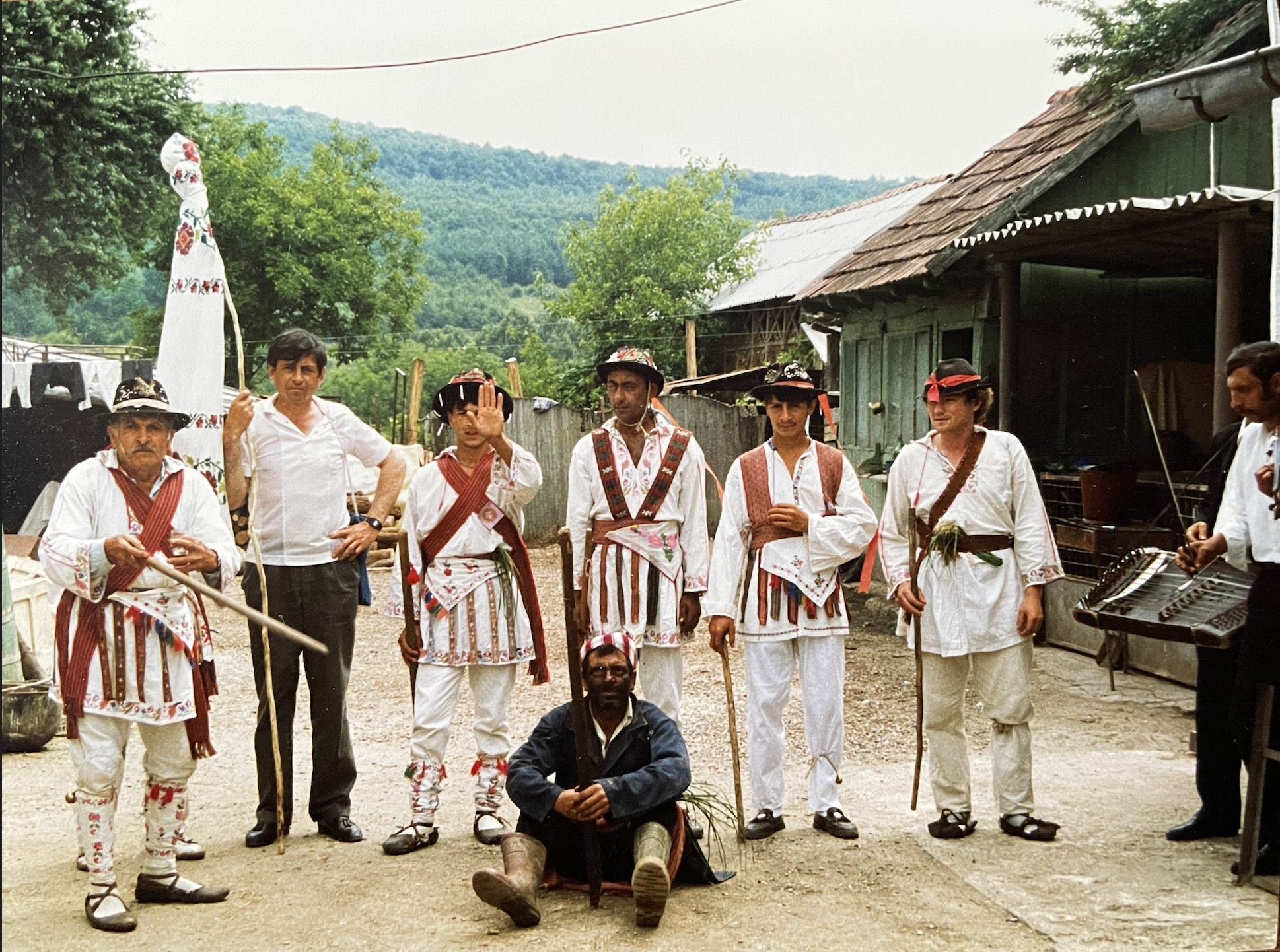
These guys were performing their traditional Călușari dance on 24th June (Midsummer day: Festival of St John the Baptist). They offered to ‘sacrifice’ & cook a chicken on our behalf…. but we had to excuse ourselves as we were expected at a local monastery to meet nuns.
The black-faced guy in rubber boots performed as ‘the fool’, making shrieking noises, whilst others danced. He was clearly an expert dancer as, without interference, he cleverly wove in and out of the patterns being made by the dancers. He may have represented the traditionally ‘mute’ figure that Călușari dancers traditionally included.
In retrospect (of 30+ years) maybe we should have stayed and eaten chicken and drunk their local ‘fire-water’ called Țuică (a highly potent form of plum brandy). These traditional dancers seemed to be as nearly ‘authentic’ as any imaginable (ie an informally managed local group engaged in performing a received local tradition around their villages in ways they had been taught by previous generations).
The dance is often presented on stage in a choreographed form (a process which began in the mid C19th: “The choreographed dance for the ballroom”) and thus a suitably ‘perfected’ formalised fashion useful to Communist authorities.
Călușeri as national emblem post-1851
Fortunately it continues in various forms, as a dynamic ‘living tradition’.
A detailed description with interactive map showing distribution (and many video links) is at
https://eliznik.org.uk/traditions-in-romania/traditional-dance/ceata-mens-group-dances/ritual-stick-dances/southern-romanian-calusari
where there are many lively examples that
https://www.youtube.com/watch?v=WqT3etcDXJk&t=217s
https://www.youtube.com/watch?v=MsPeg0rG9FQ
https://www.youtube.com/watch?v=XwyYdz9Dfqg&t=122s
Babeni
https://www.youtube.com/watch?v=4yUxPeSN_X4
…………………………………………………………………………………………………………………
We were met on arrival –
and it was amusing to ride to the hotel in Radu’s Jag…… a rare treat…..not something I’ve experienced in the UK!
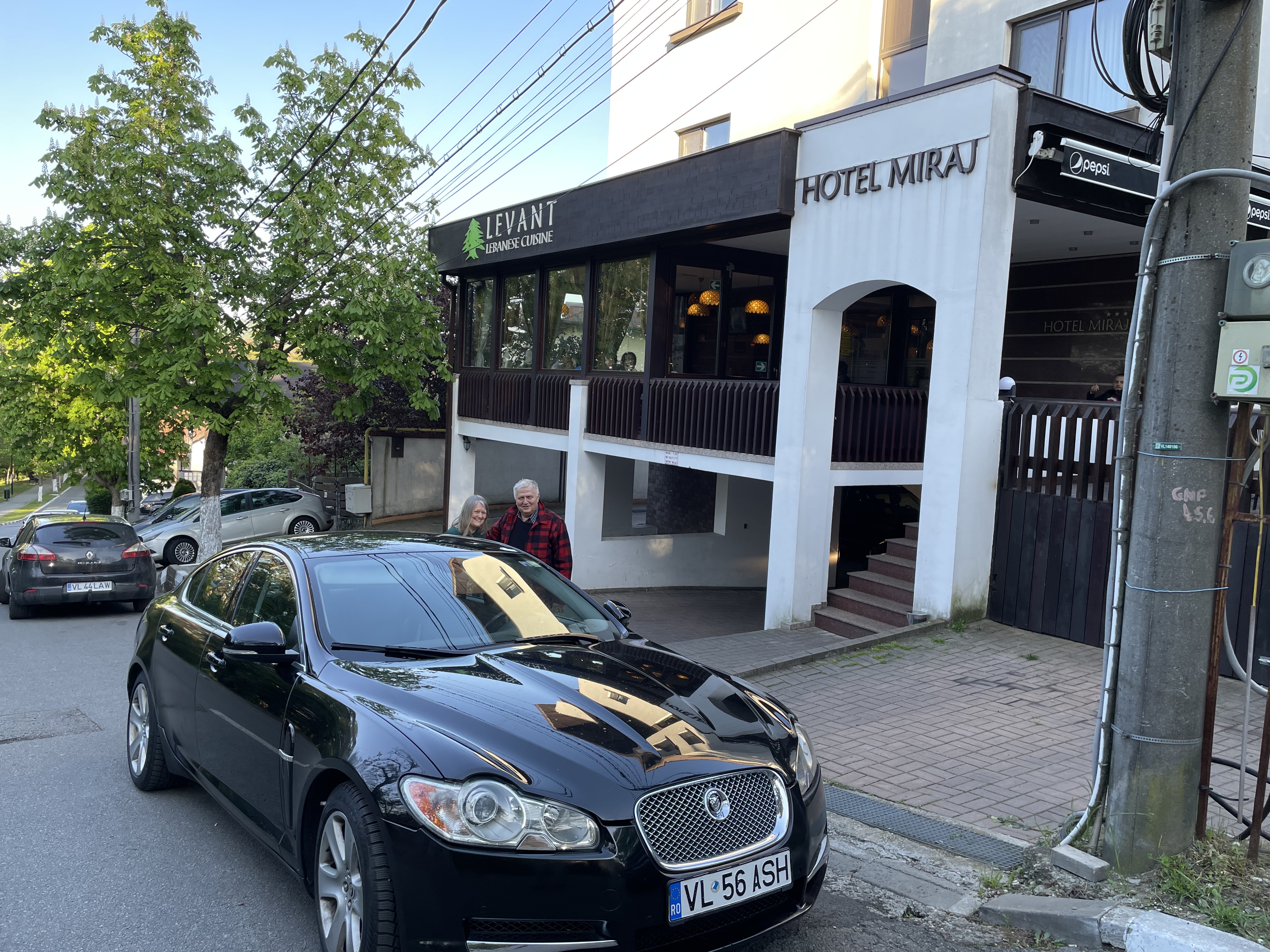
The evening provided us with a chance to ‘catch-up’ on our recent stories – especially those of Radu who seems to have visited most countries. He had specific targets in his ‘globe-trotting’ and now feels that he has achieved those and also published accounts of his travels. He had always stated that he was comfortable with life in his own country – and his business acumen seems never to have faltered.
Discussion also related to families – and the impact of Brexit. His son, working in finance, had been required to move from London to Paris. Radu though felt that for a country such as the UK the impact of Brexit was, when compared with the struggles of others, ultimately a minor concern. His thoughts were the more valuable than many because, as we both knew, Romania had been denuded of resource by 1989.
On our first visit Radu and family lived in an apartment above the central square (see below). The poorly lit supermarket contained almost nothing but rows of dusty glass jars containing something called ‘compot’, which may have been bottled fruit or vegetables.
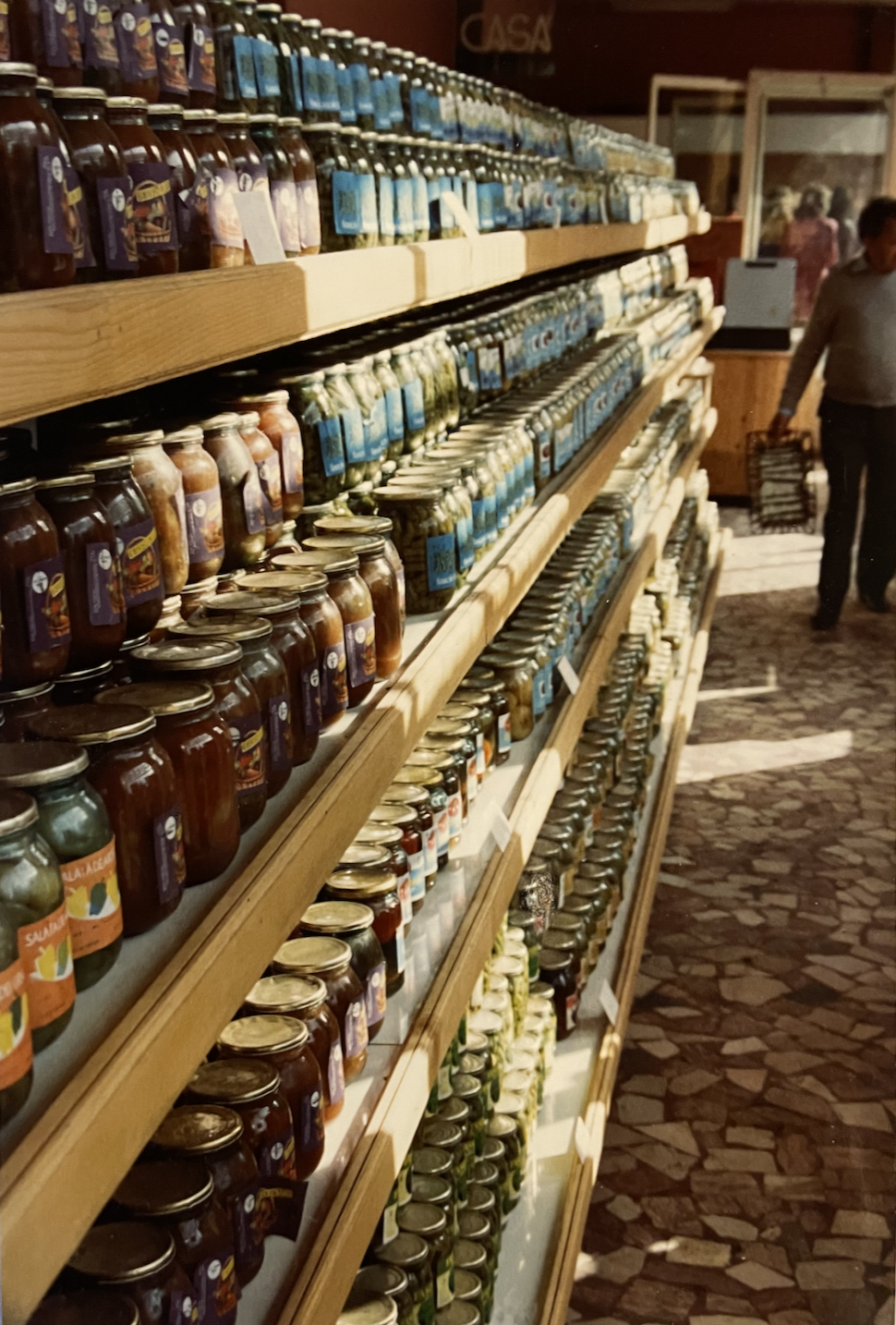
Early on our final day I noticed a wagon had pulled up at the back (delivery area) of the supermarket and was unloading crates of beer. I also noticed that people were emerging from the same doors carrying or with loaded trolleys, crates of beer (it was impossible not notice to given the numbers engaged).
Understanding the situation – that not much, if any, of what I was seeing being delivered would become available for sale – I dashed inside, told Radu who quickly disappeared, returning with his own supply of crated beer. He gave one to us suggesting we take it home.
We did.
Some was stored in the pantry.
Spring 1991:
… Luiza, the pianist, was staying with us….. in the afternoon…..there was suddenly a loud explosion in the pantry. We enter and discover glass and beer spread over most the area.
On telling Luiza she simply said ‘Oh, yes, the beer always explodes in the summer’.
We moved the other bottles outside – carefully removed the caps and watched the foam spread itself over the garden.
29th April in Râmnicu Vâlcea
We spent the morning touring the town. Having, over the years, acquired more experience of the varieties of Romanian domestic architecture enabled our appreciation of what we saw.
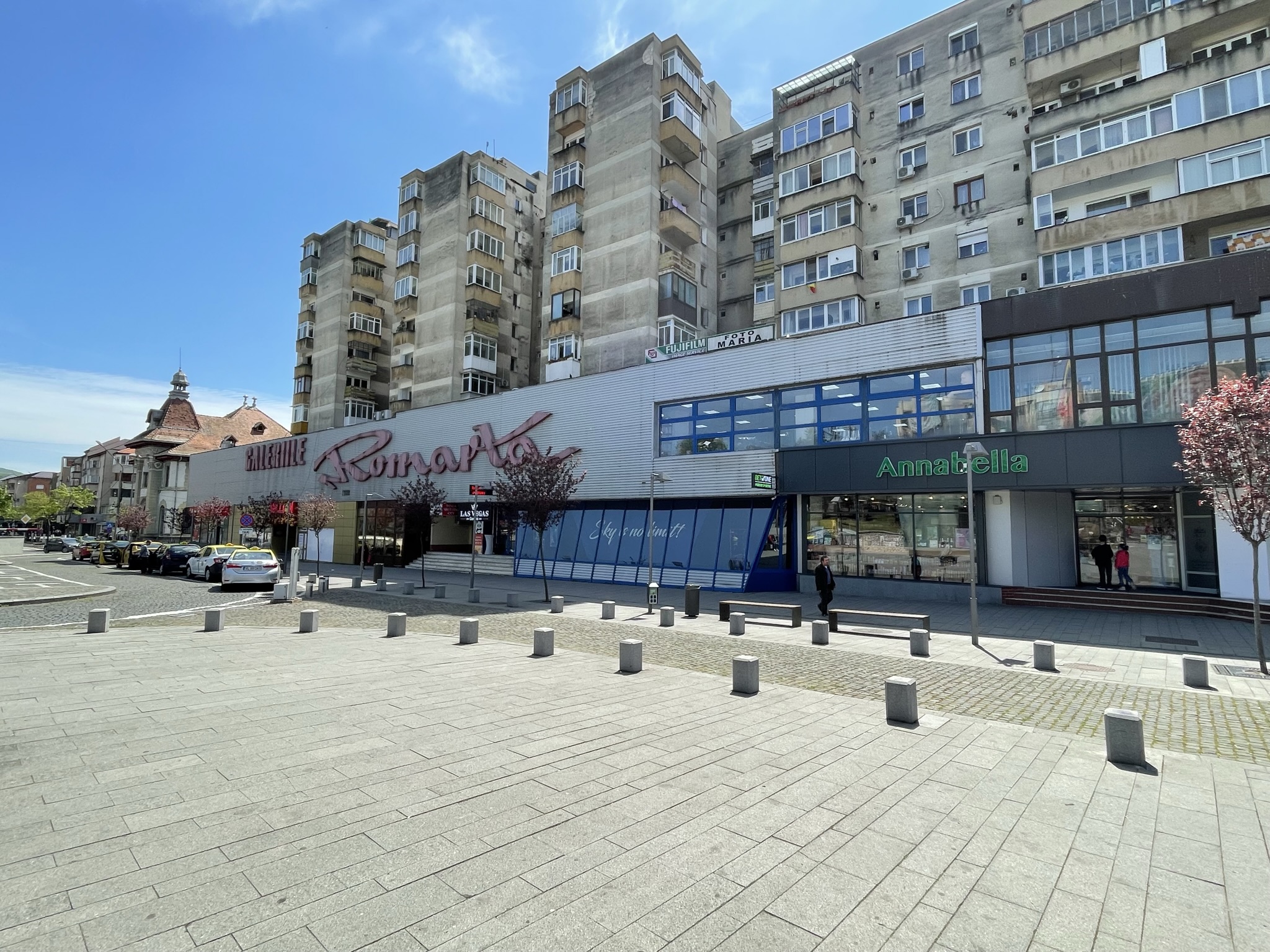
Râmnicu Vâlcea provides, through its domestic architecture an example of the impact of Communist Authoritarianism – and of the ways that has developed in the 33 years since it was rejected.
There is a regional style – now being revived in a form – but the centre of the town is still dominated by the imposed style.
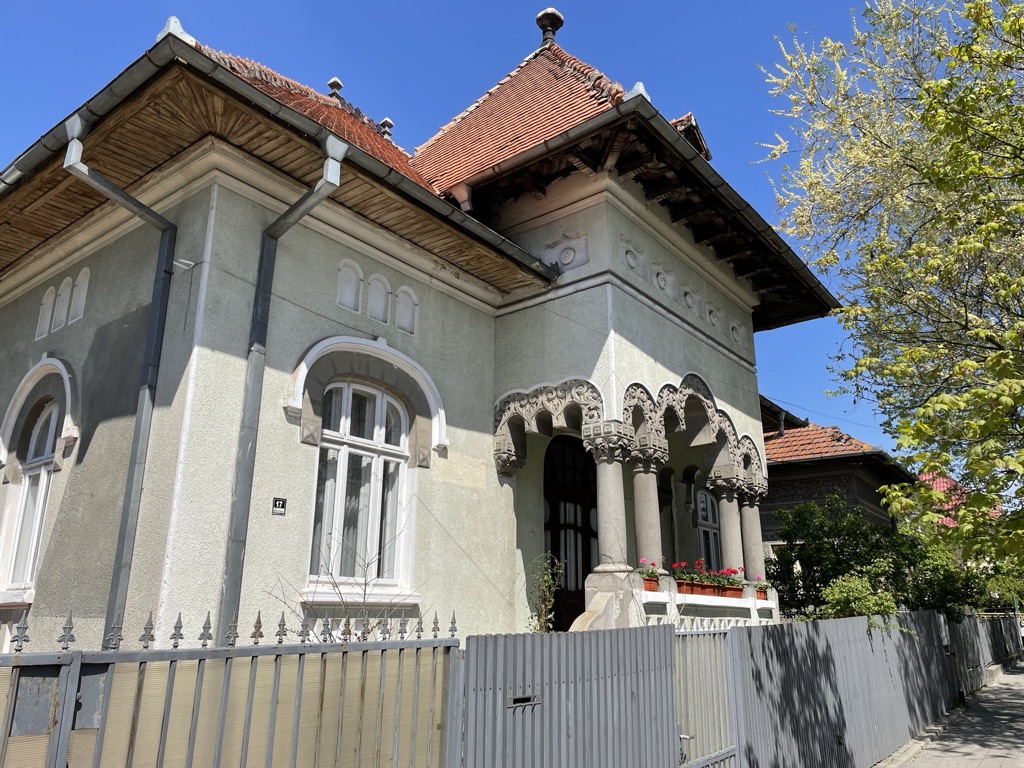
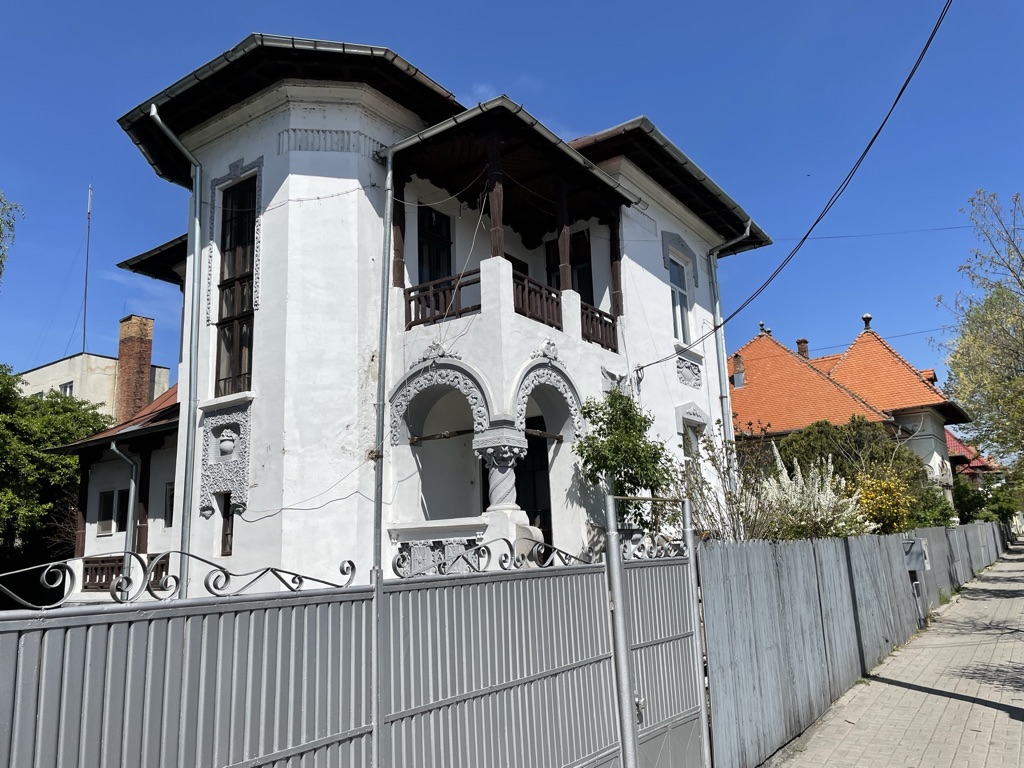

The communist era produced buildings with ‘hints’ of tradition – but not much more. Similar comments can be made about most modern UK domestic architecture – houses especially.

Shop & apartments (in which Radu and family lived) fronting the main square. The frontal has been renewed & the condition of the square greatly improved…. but the appearance is not very different from 1990.
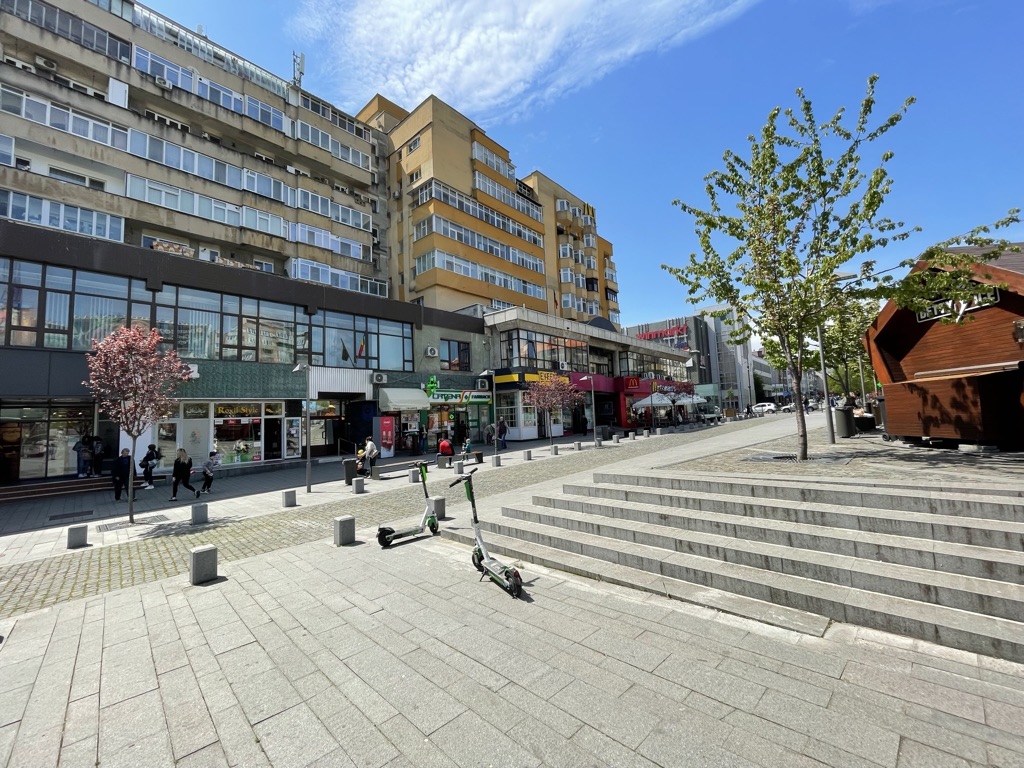
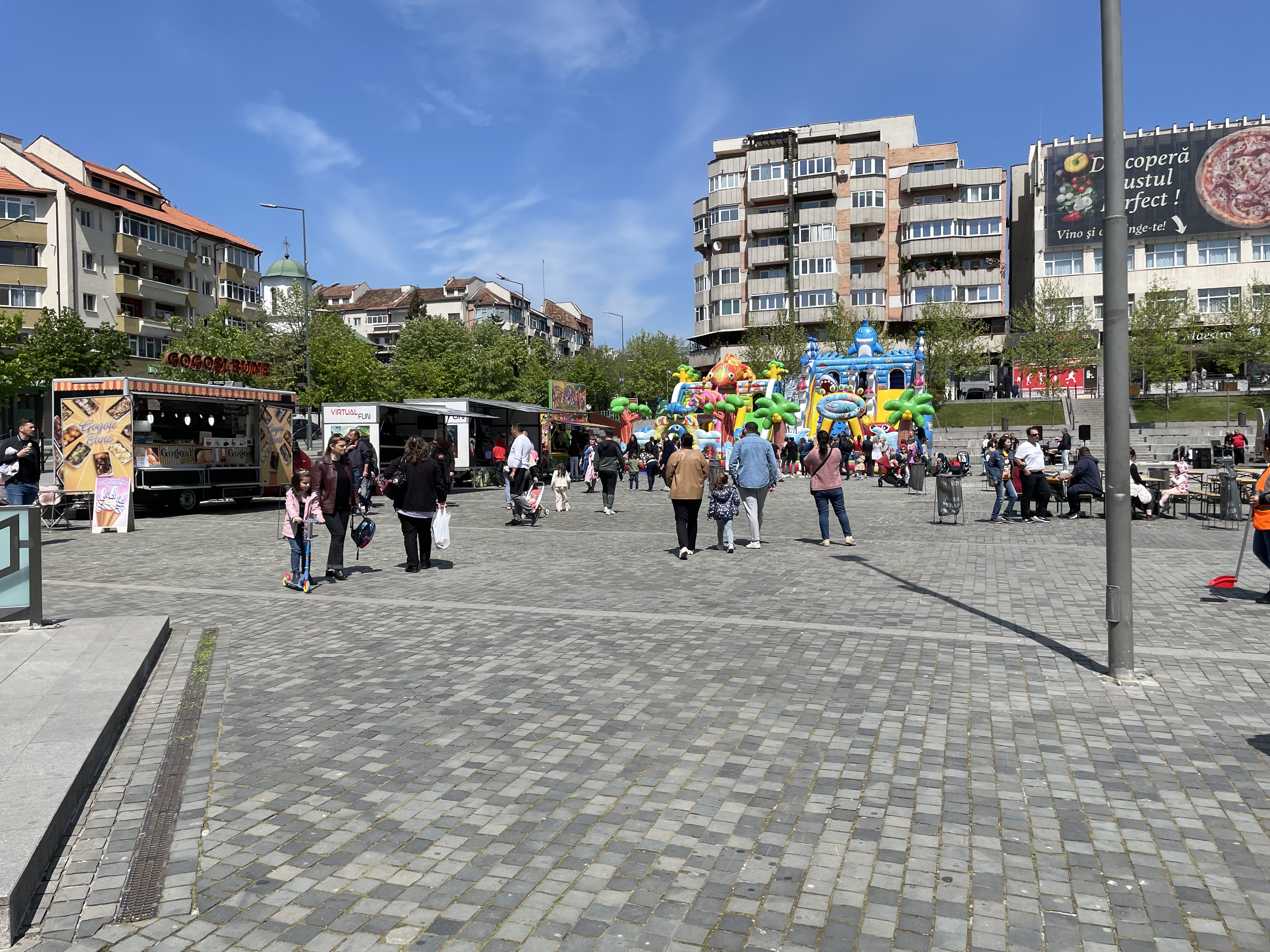
Its a May day weekend and preparations are being made
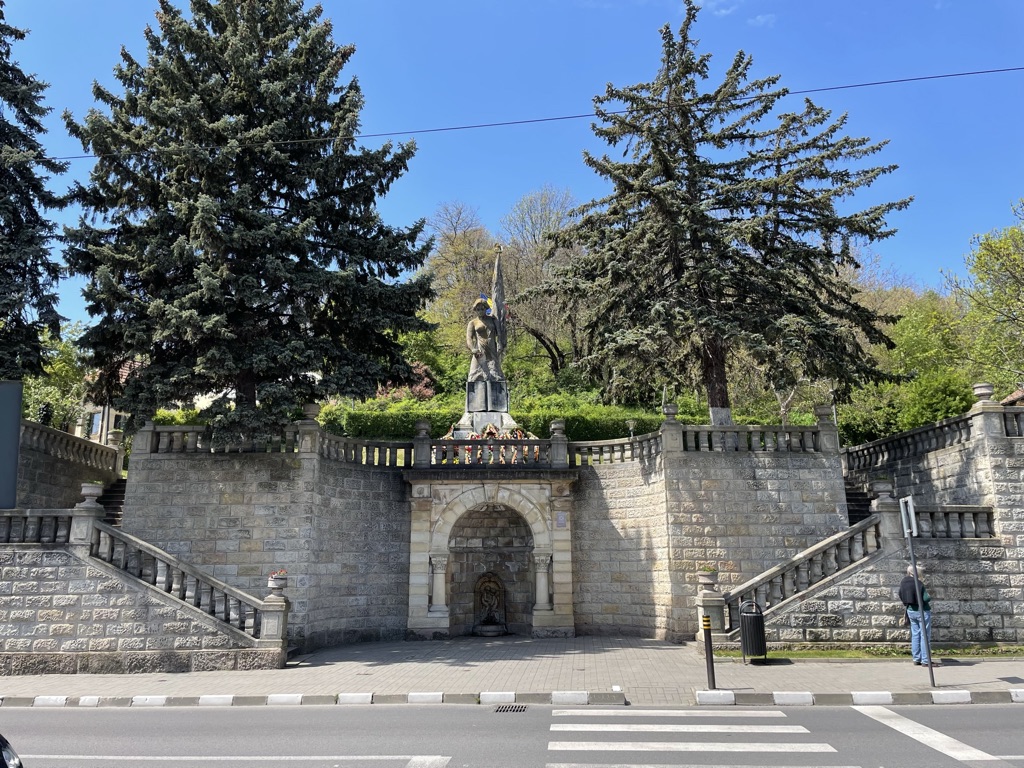
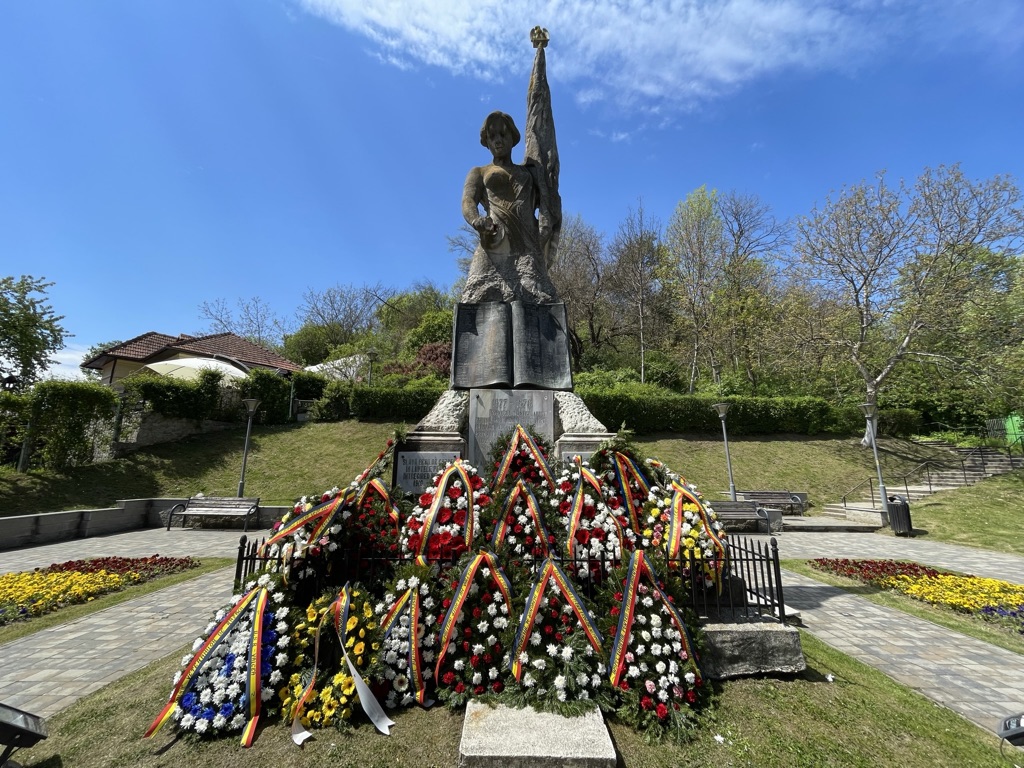
The monument below, which celebrates Romania’s independence, made little sense when I first saw it – until I understood that whilst Wallachia and Moldavia had joined together in 1859, the establishment of a fully independent nation of Romania did not occur until 1877/78.
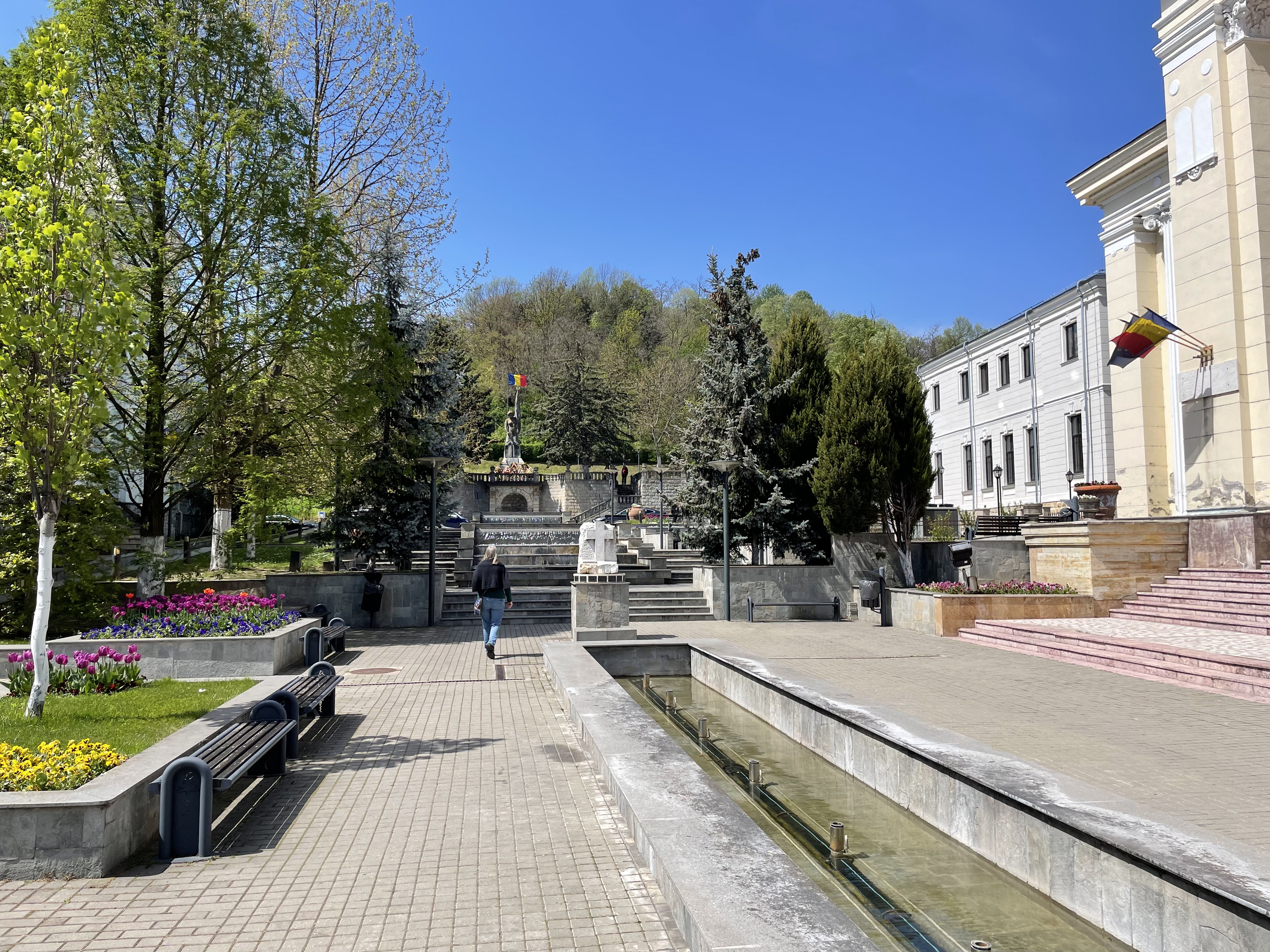
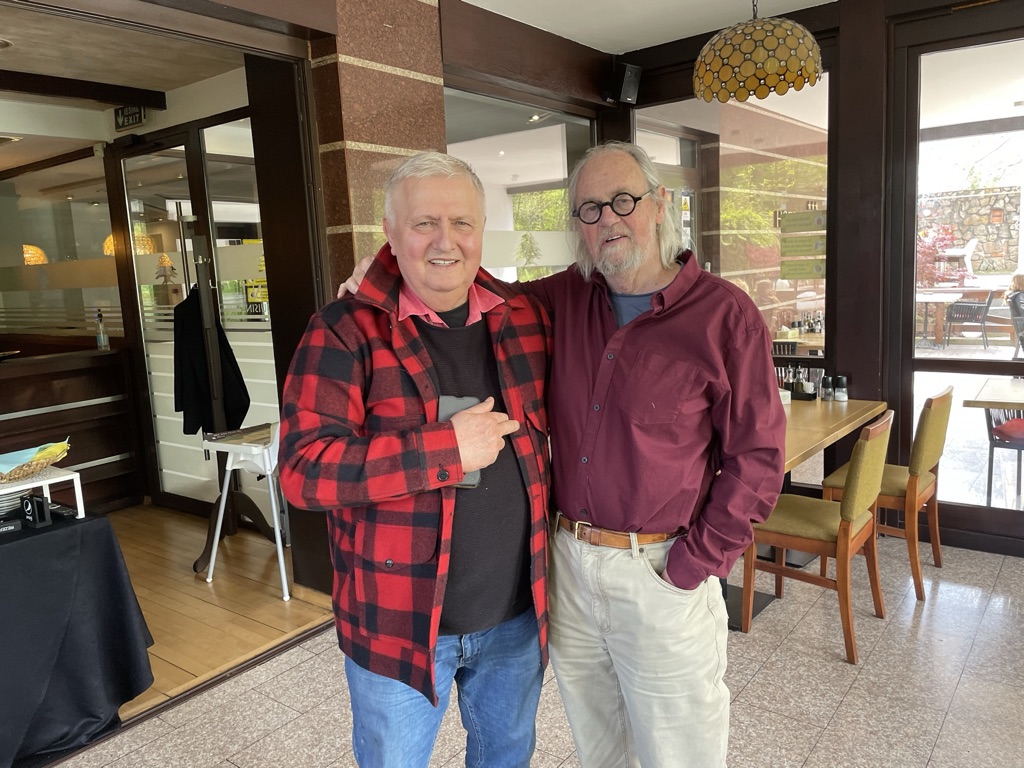
We lunched with Radu – yesterday evening had been our first meeting for some years…. our lunch continued being a very relaxed affair.
Back in 1990 Radu set things off…. and the movement continues.
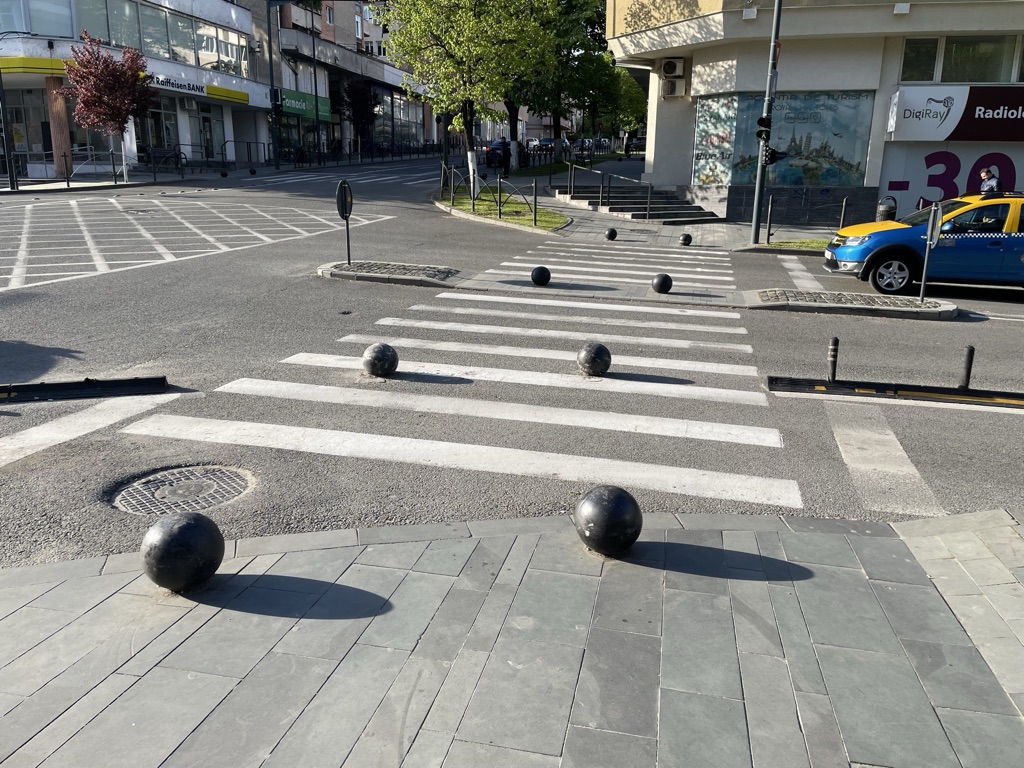
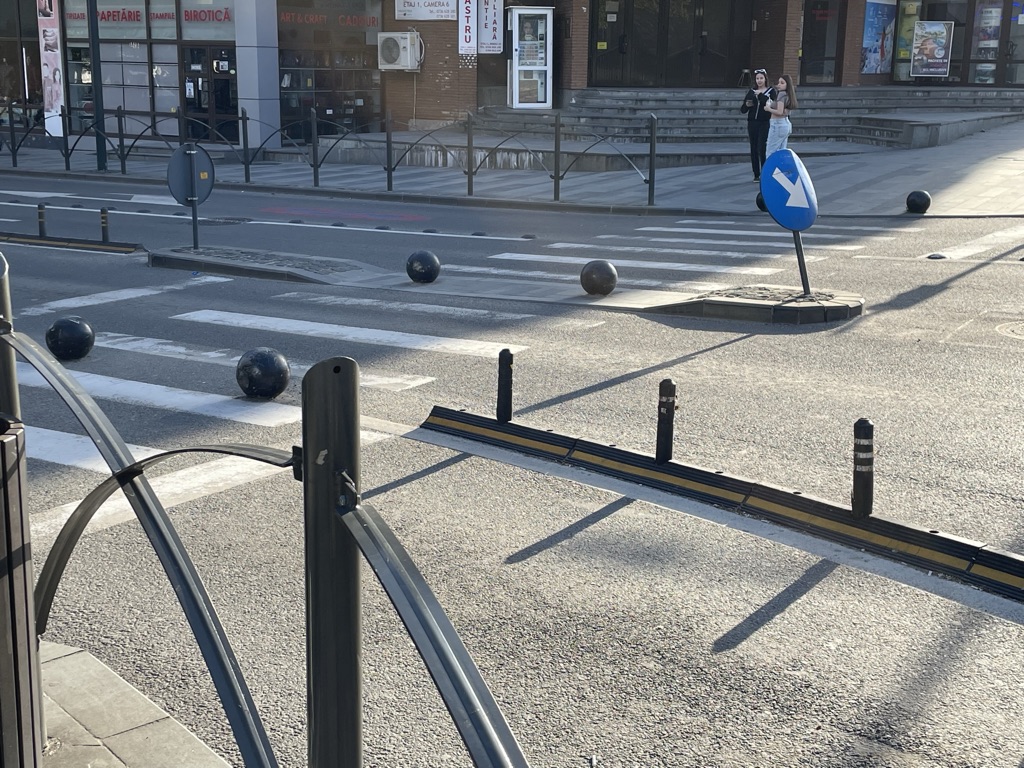
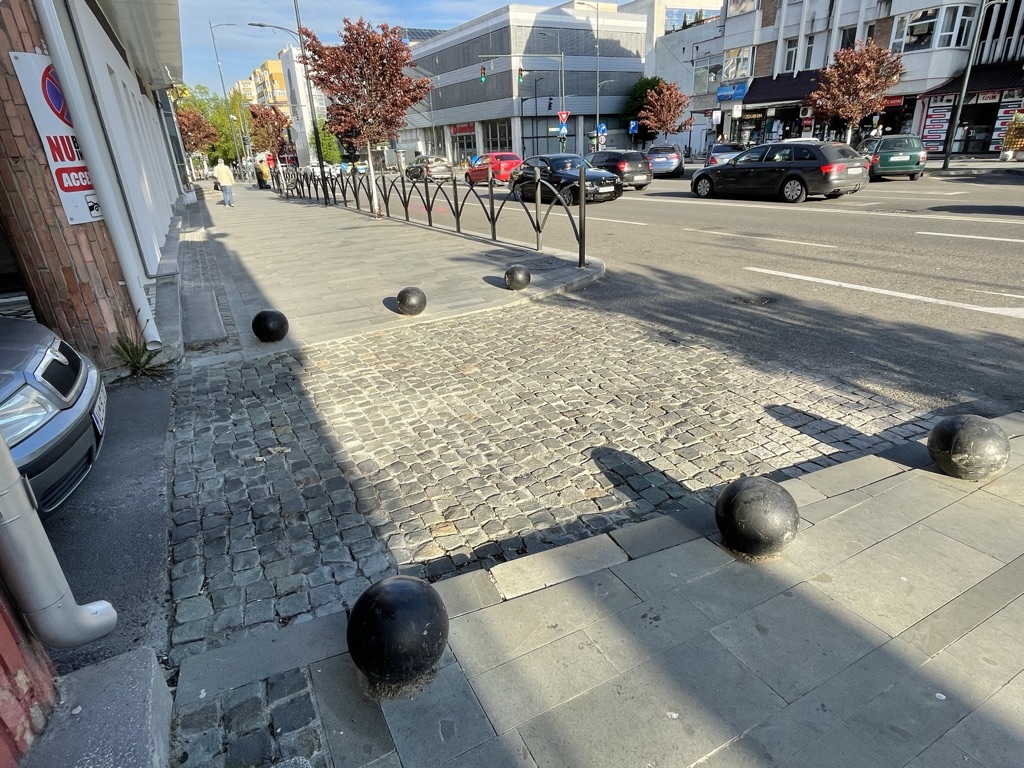
The town seems to have adopted a rather strange way of preventing traffic – whilst creating stumbling blocks for pedestrians.
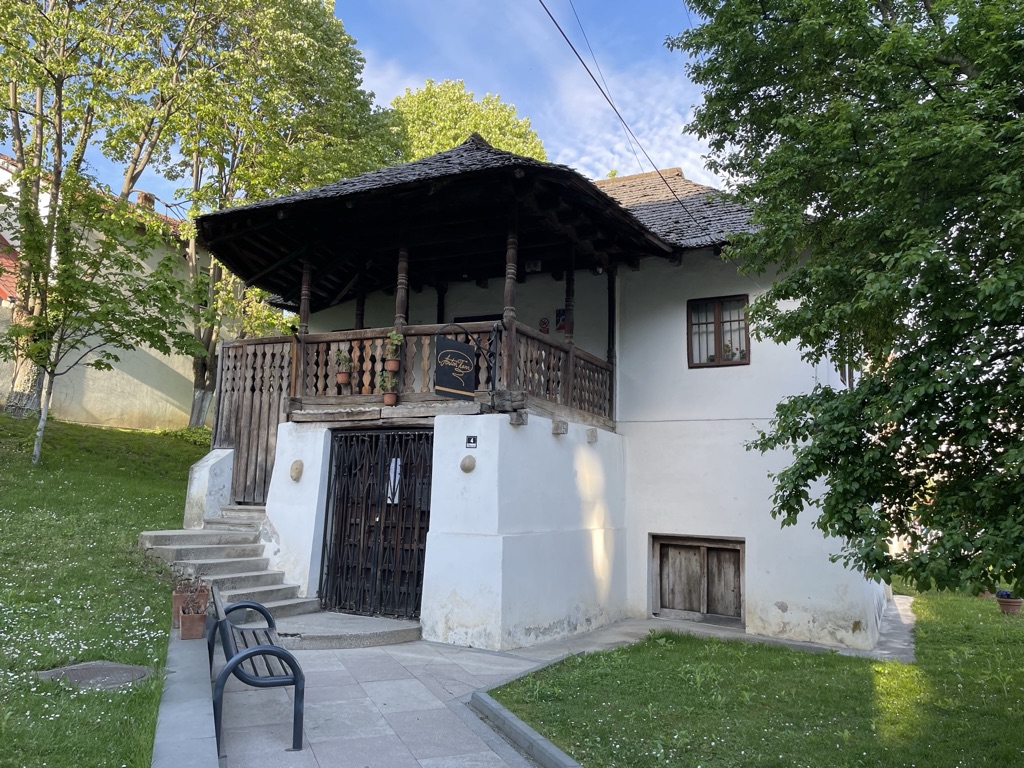
he house of Anton Pann – moved to this position when flood protection work was occurring.
Antonie Pantoleon-Petroveanu a fascinating character:
Ottoman-born Wallachian composer, musicologist, and Romanian-language poet, also noted for his activities as a printer, translator, and schoolteacher. Pann was an influential folklorist and collector of proverbs, as well as a lexicographer and textbook author.
https://en.wikipedia.org/wiki/Anton_Pann
 Inspirational Pathways