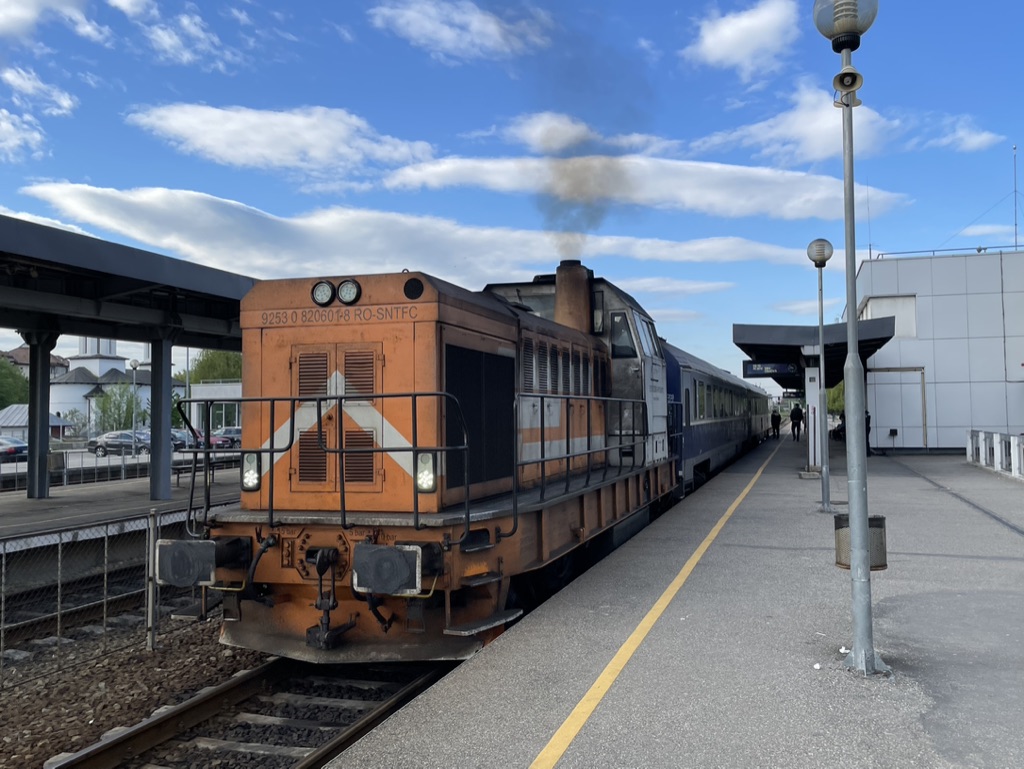
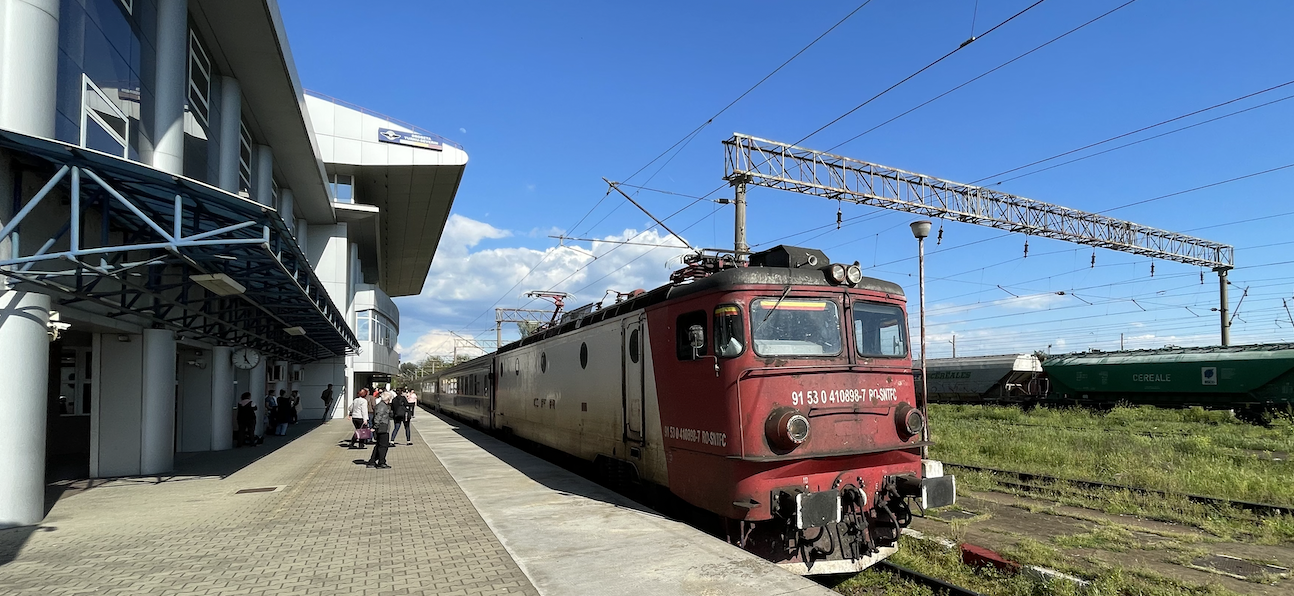
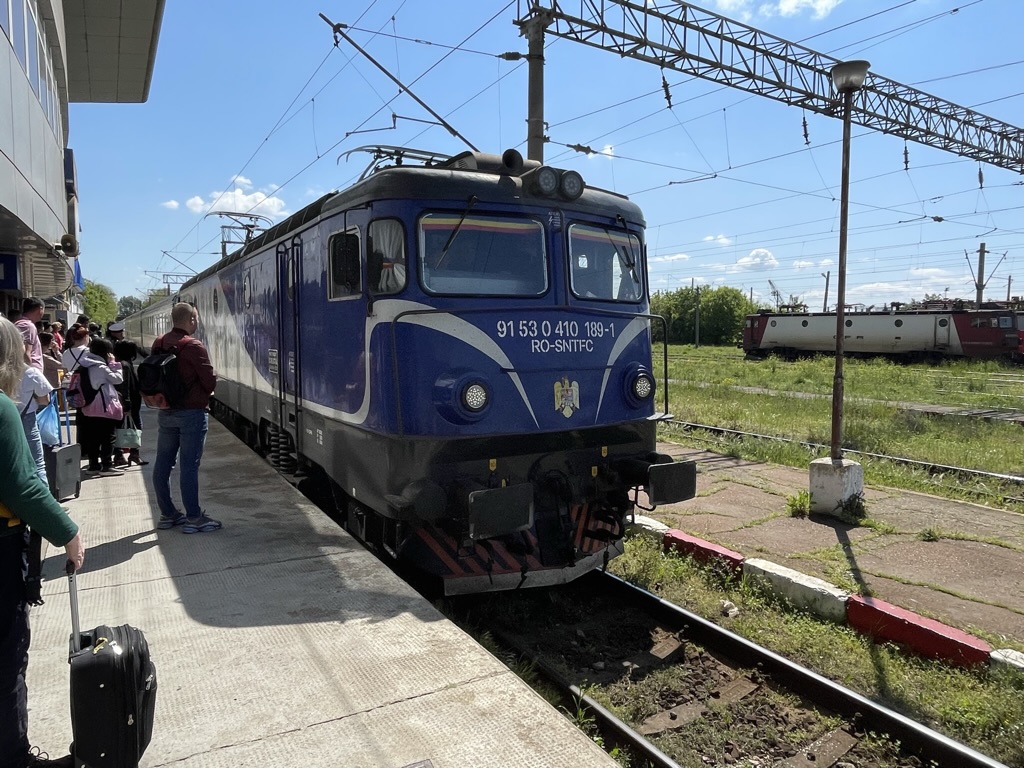
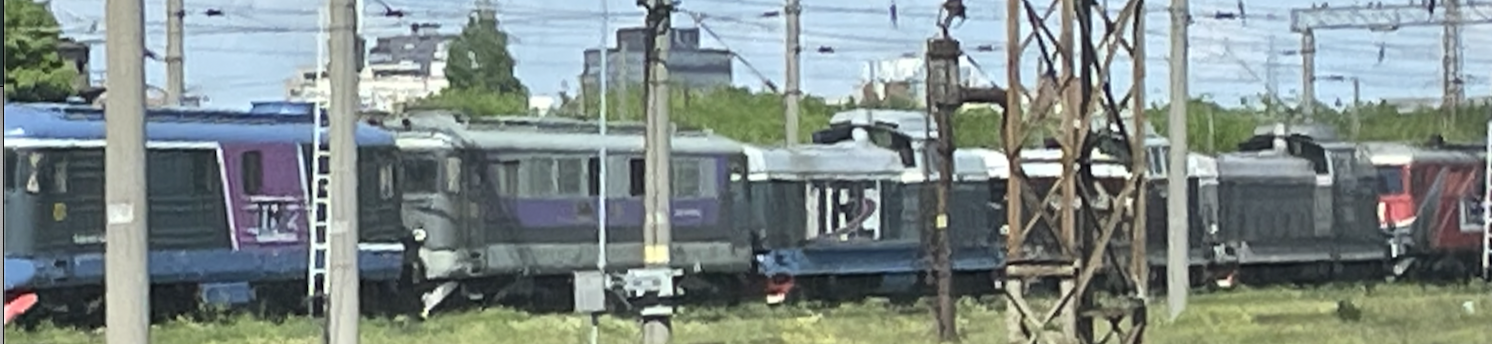
Before our train heading south a hefty, noisy, smoking diesel stops on its way north.
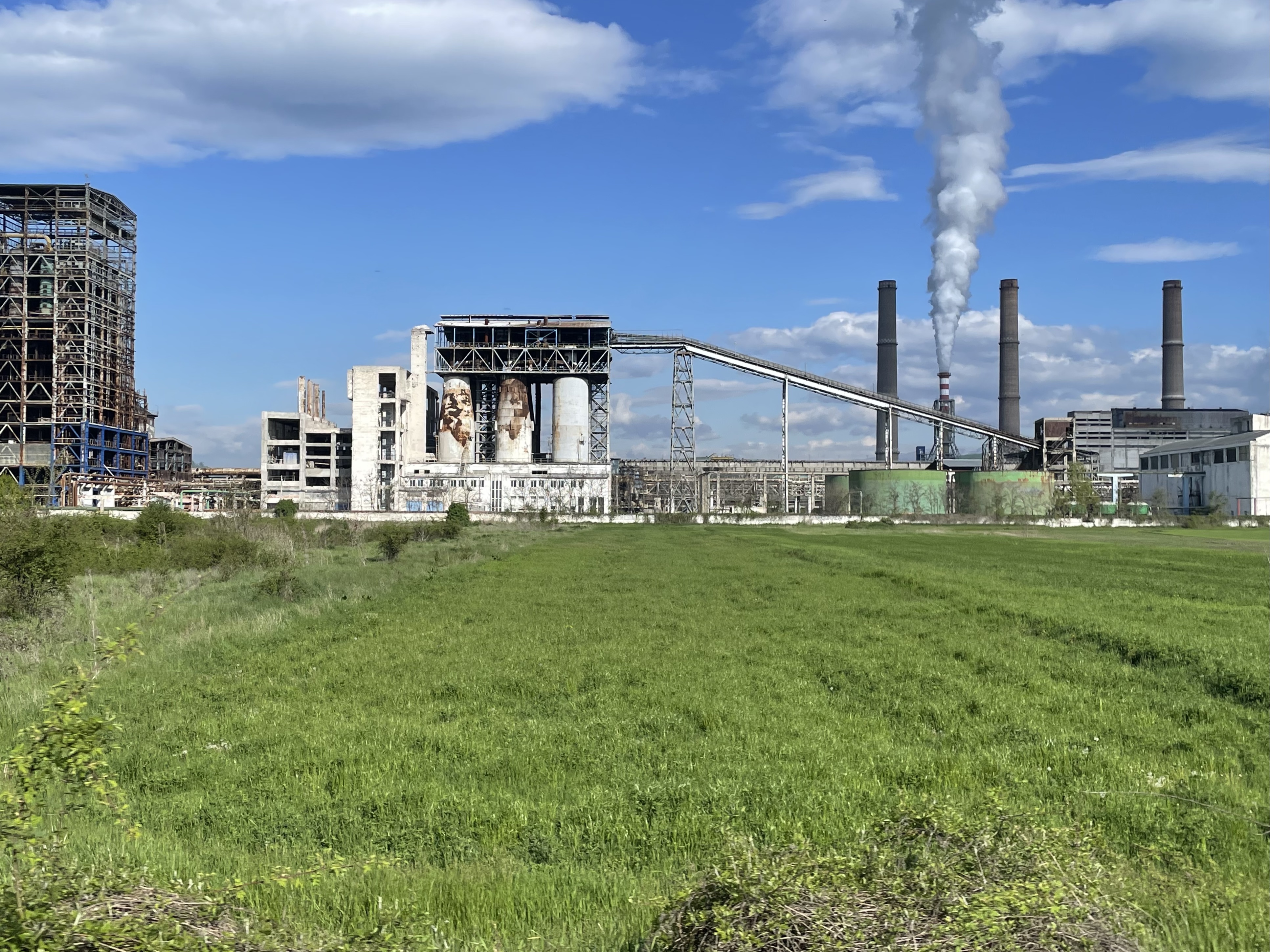
Oltchim chemical works – once a landscape dominating, large State run ‘enterprise’ that produced, as well as its official products, a very high level of pollution.
Since the company failure in 2018 it has been owned by Chimcomplex who intend to develop new activities on the site.
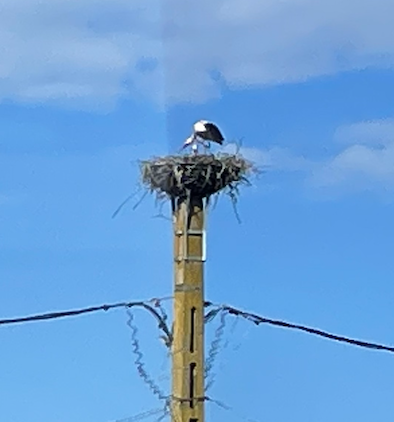
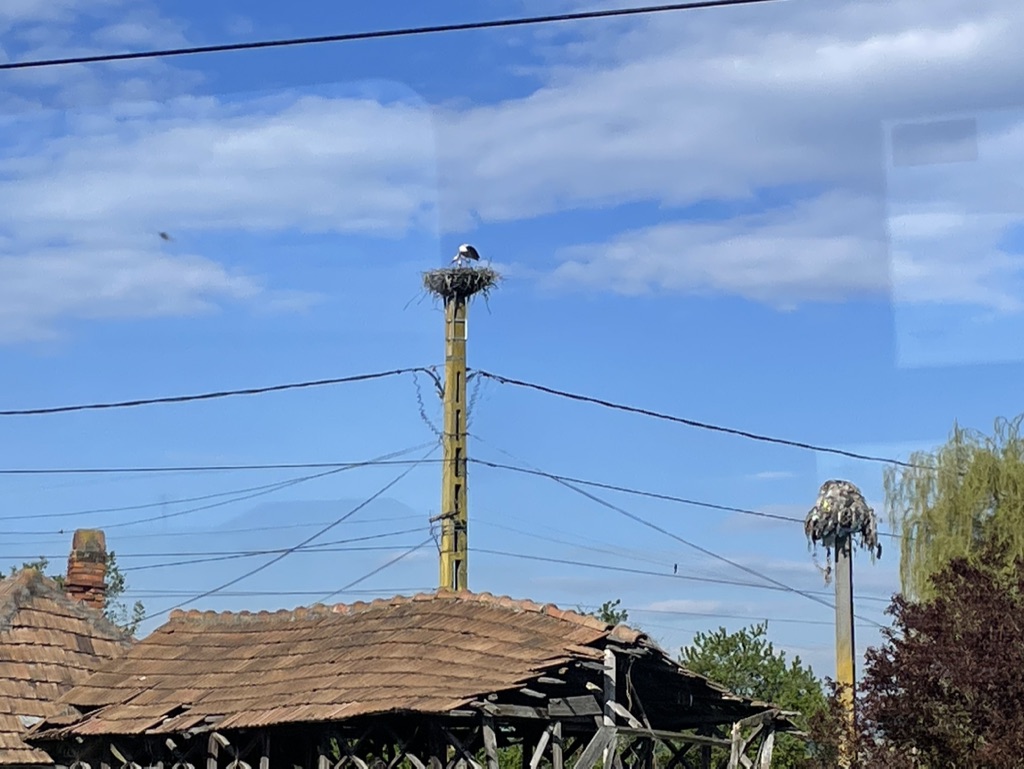
the image of the stork rising each year above the decay – some of which is its own
The home of our well loved kitchen spoons – produced in lime wood by local crafts people. First visited in 1992, occasionally we still meet them in Iași.
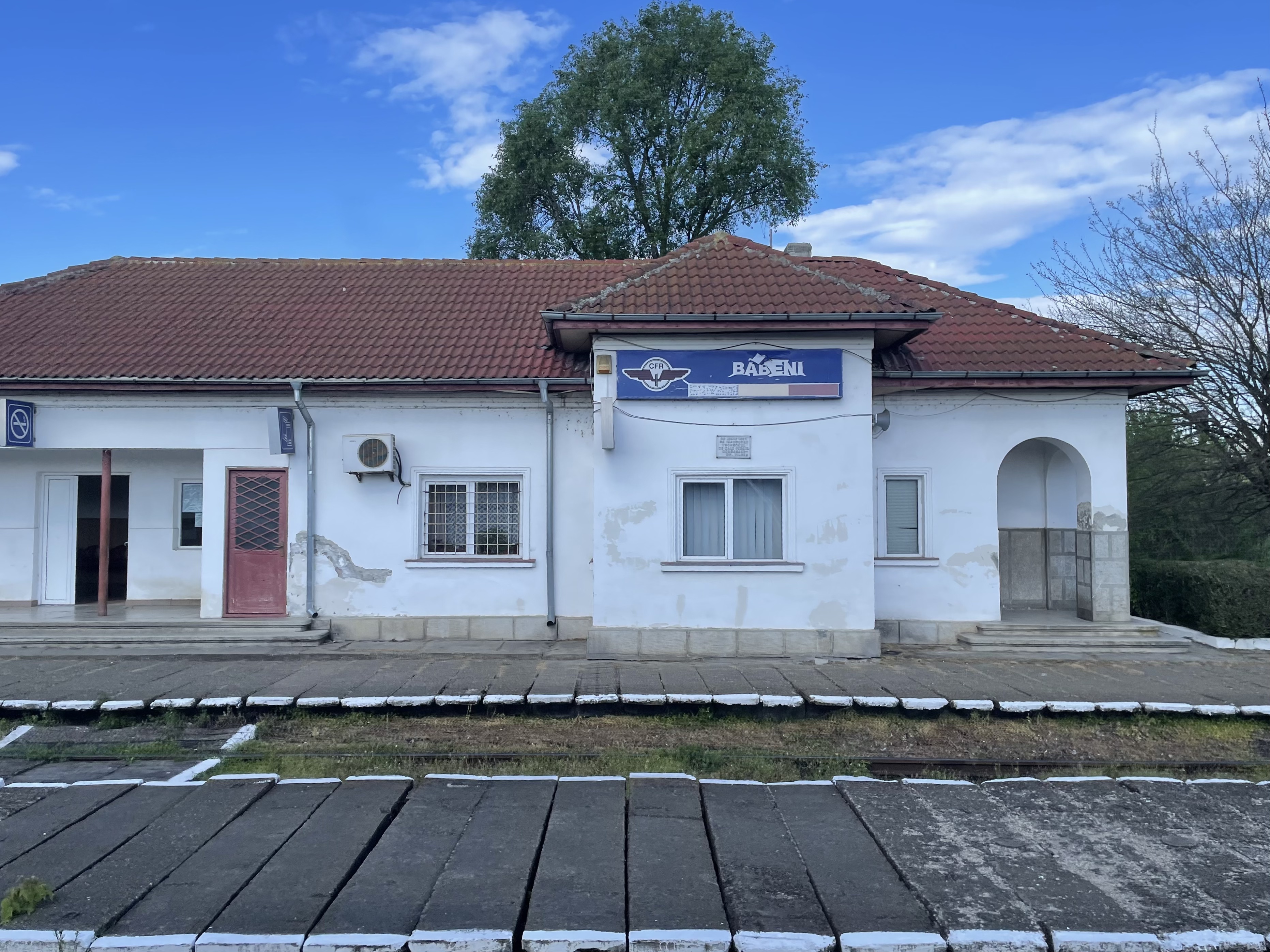
Gradinari
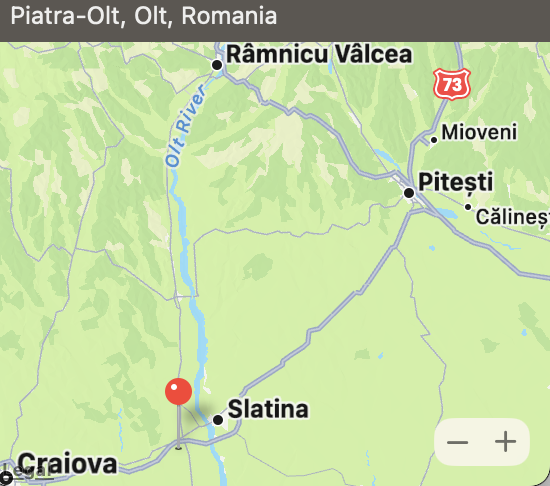
Piatra Olt
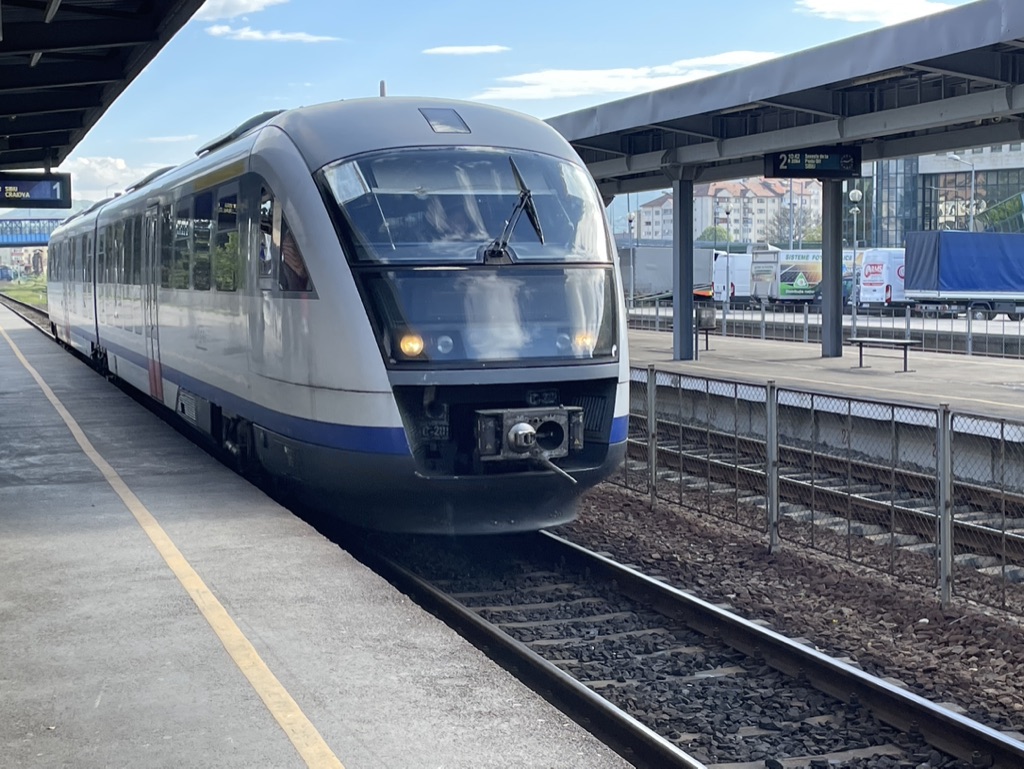
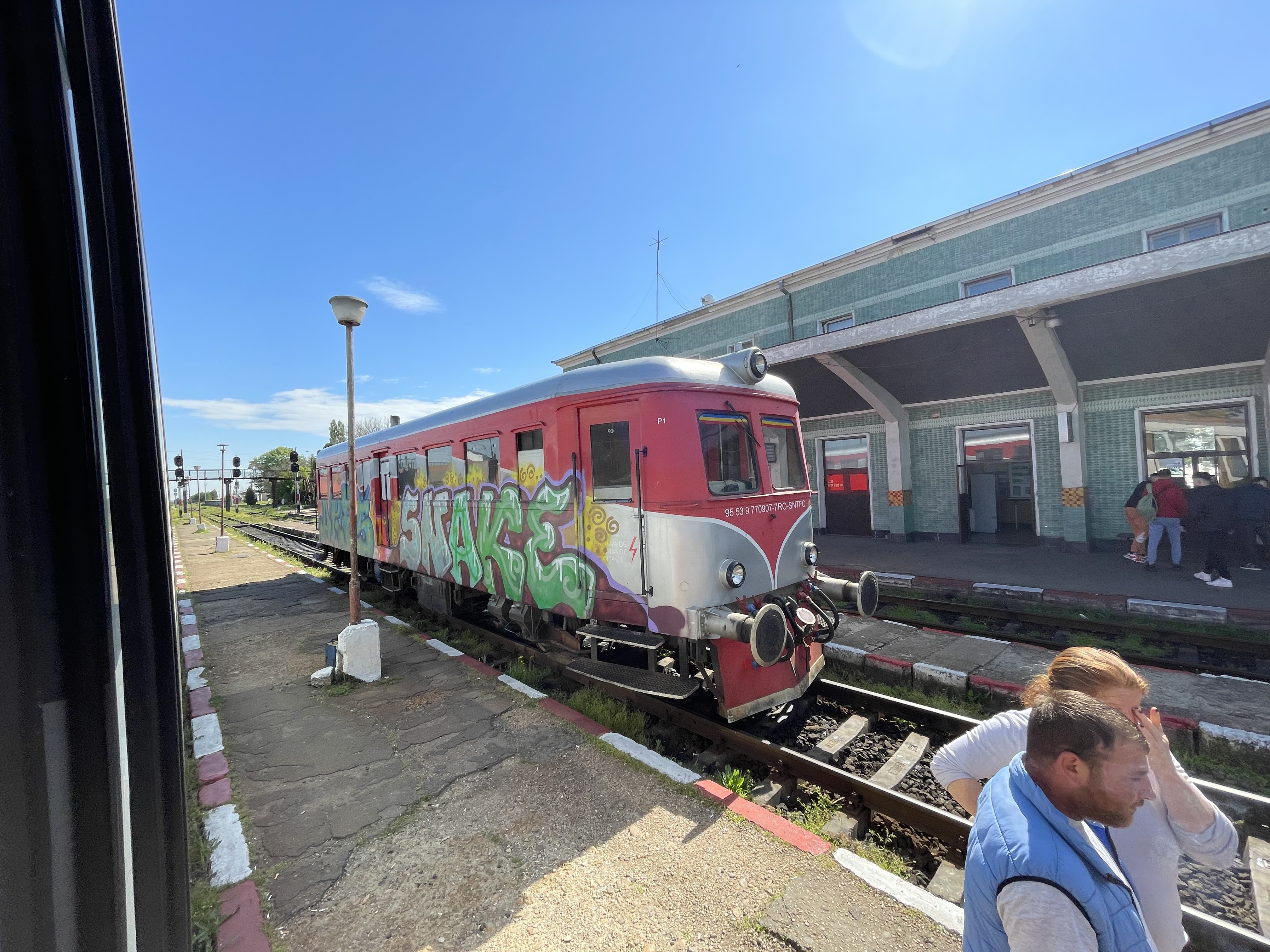
At Piatra-Olt there was a local train (‘railcar’) connecting to towns further south..
The diesel railcar was from a series built between 1936 – 1942. It is the oldest ‘train’ that is still in full public service that we saw (but renovated ?several times). Maximum speed 70kms pr hr
88 kW power. Archaic railbus used mainly on rural routes in Banat and Bukovina. Some of them were phased out but the last ones left in service have been refurbished multiple times.
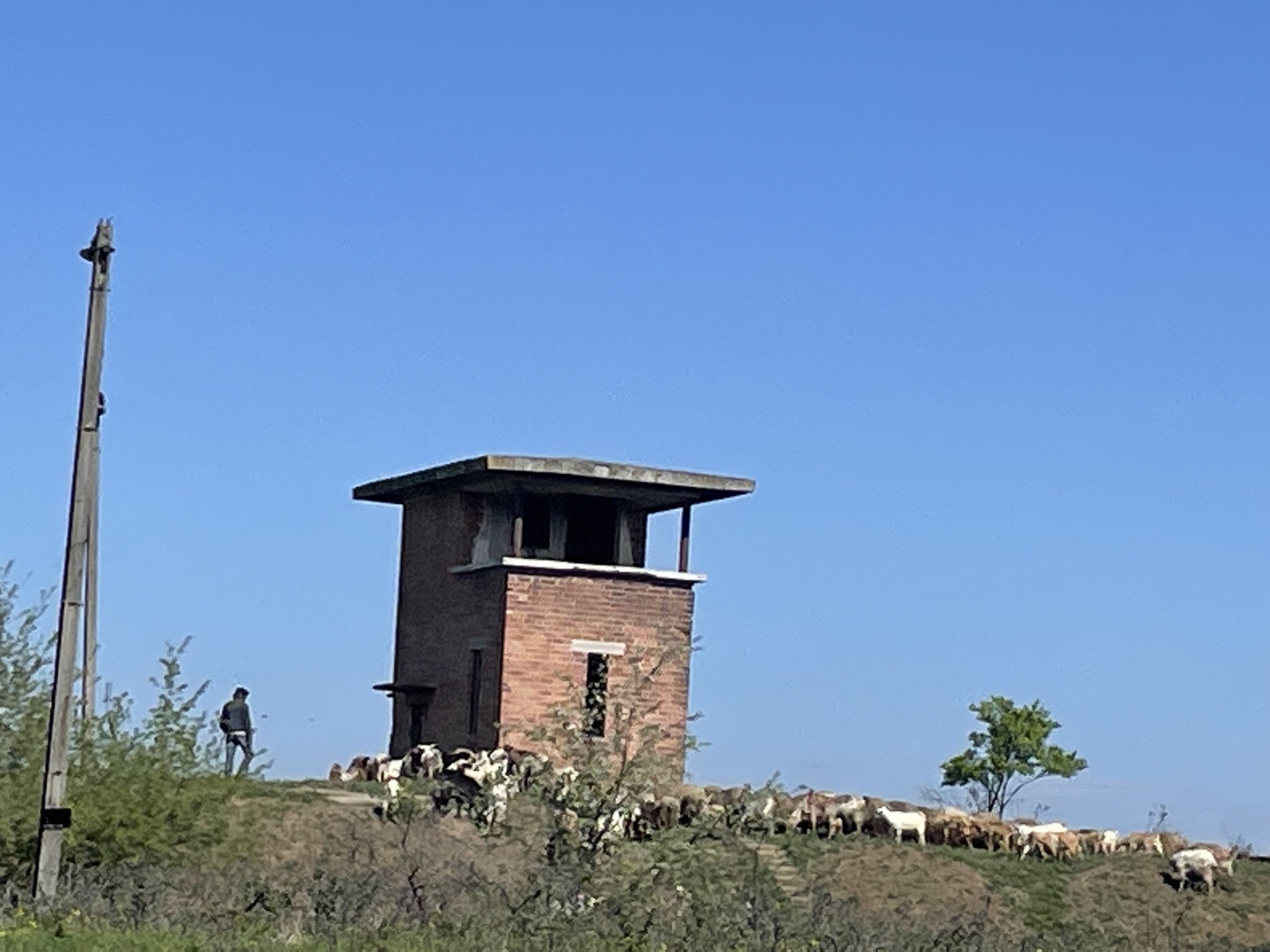
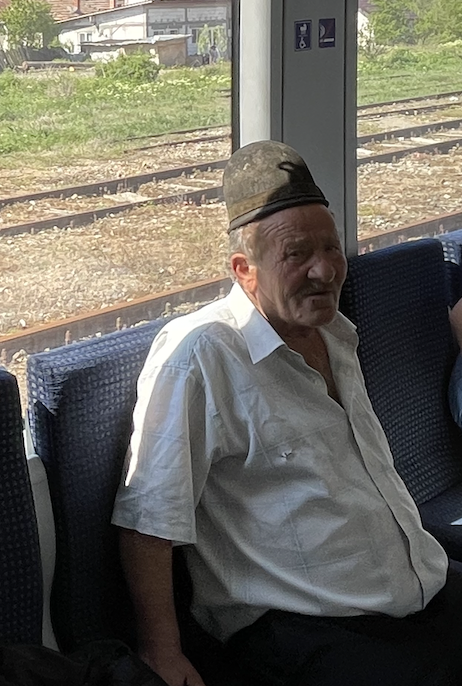
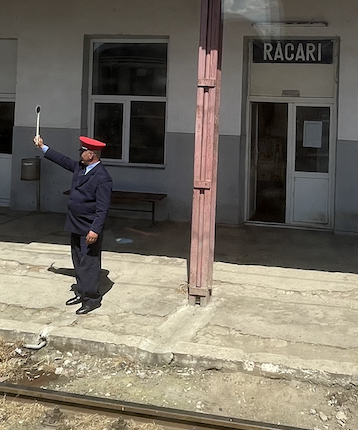
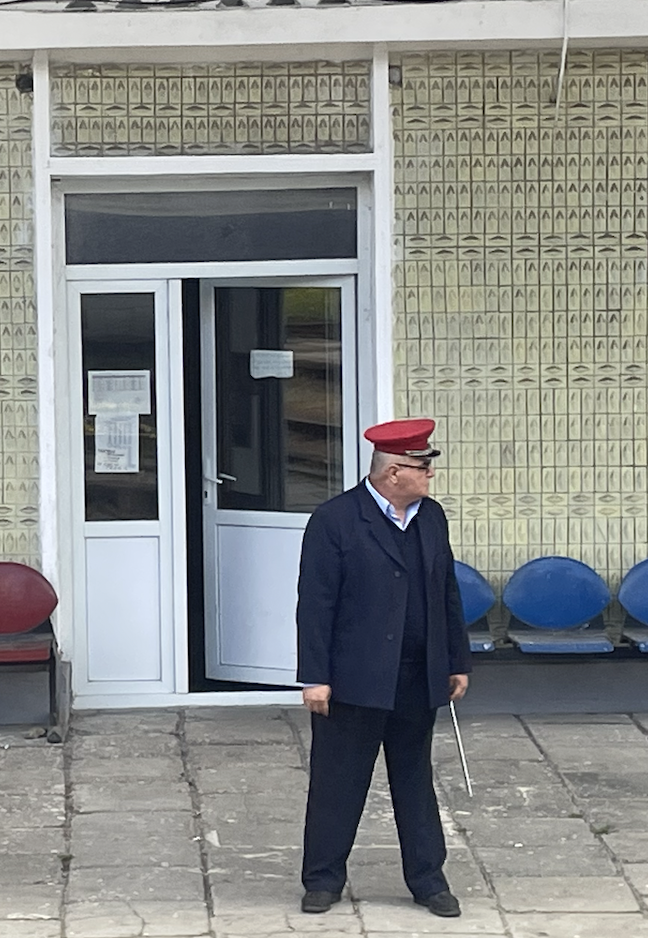
The hat of the gentleman pictures above is traditional cap (?a cuşmă ? style) – now uncommon as a daily item
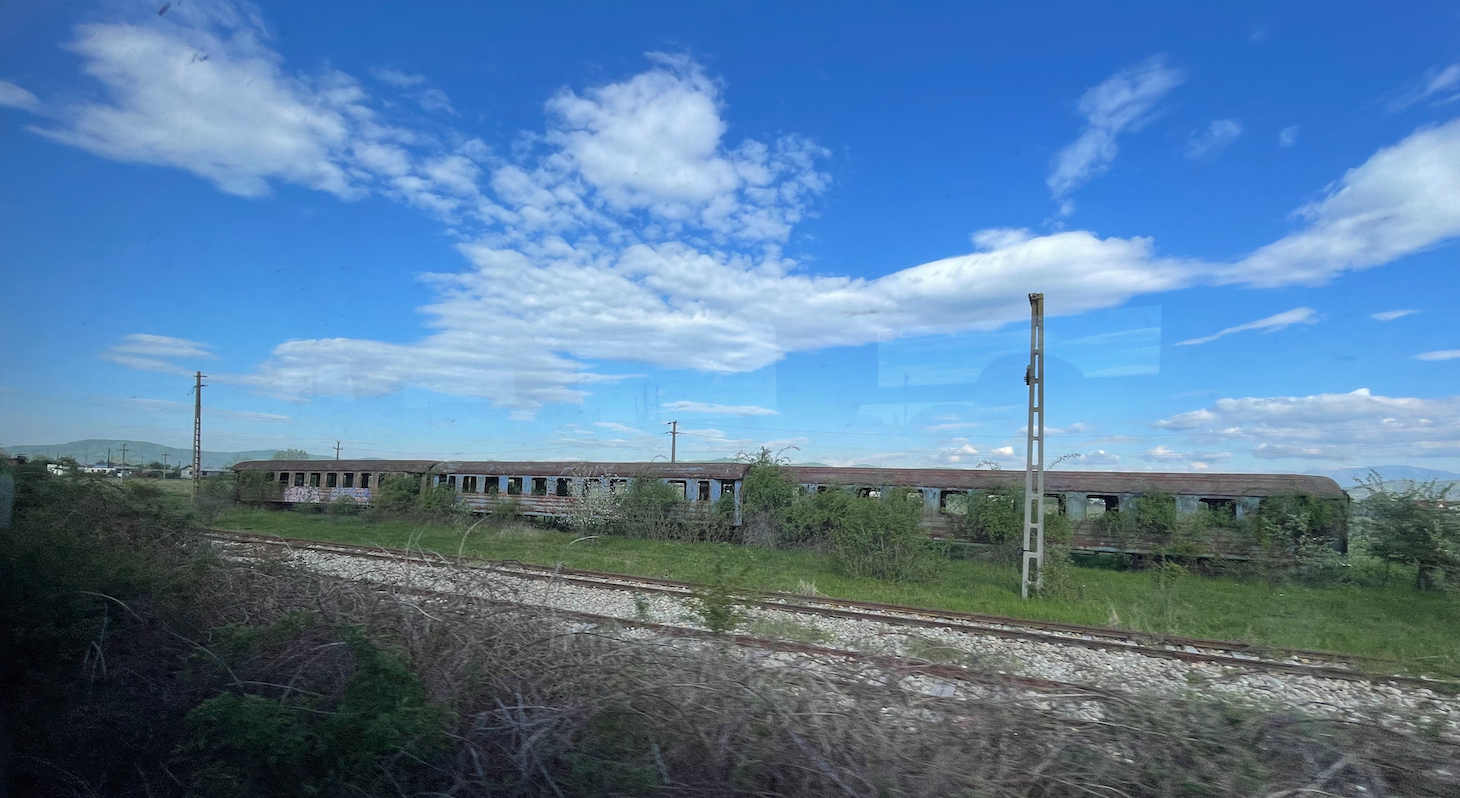
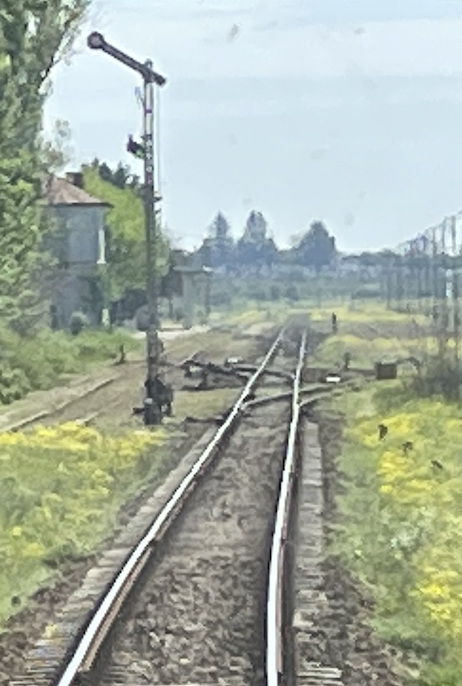
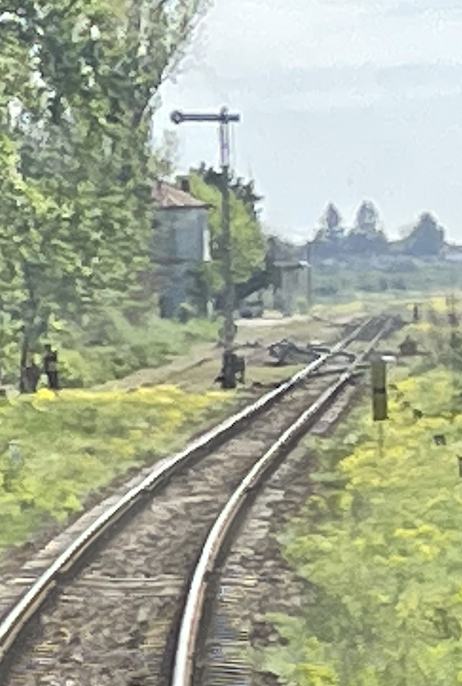
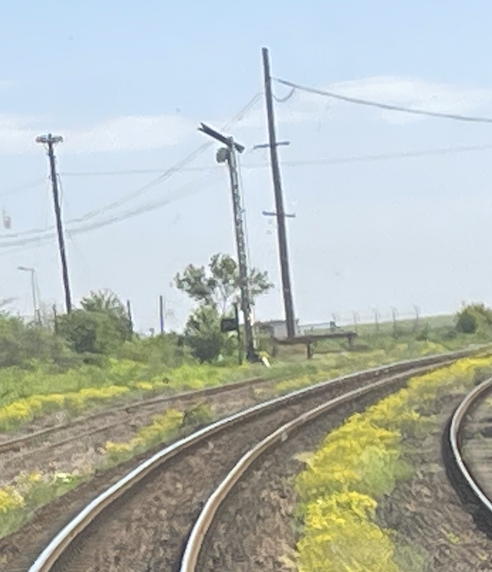
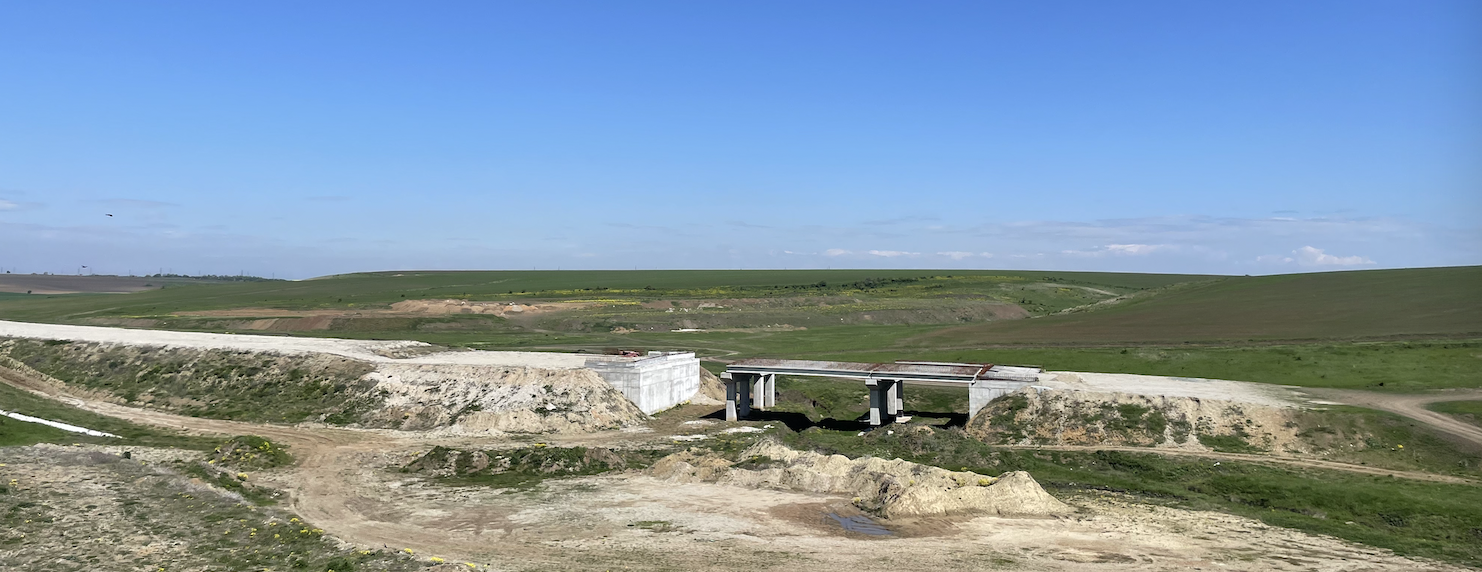
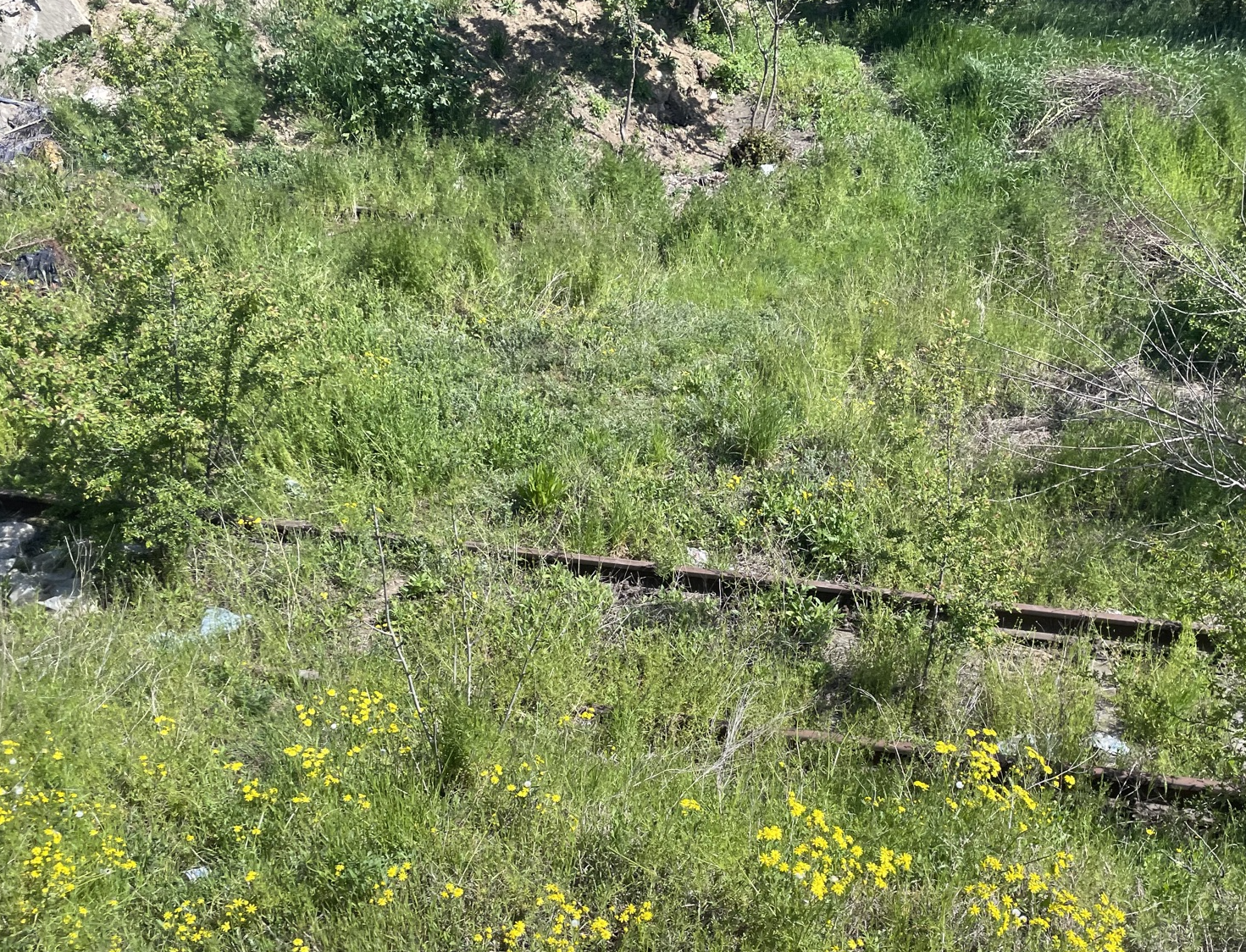
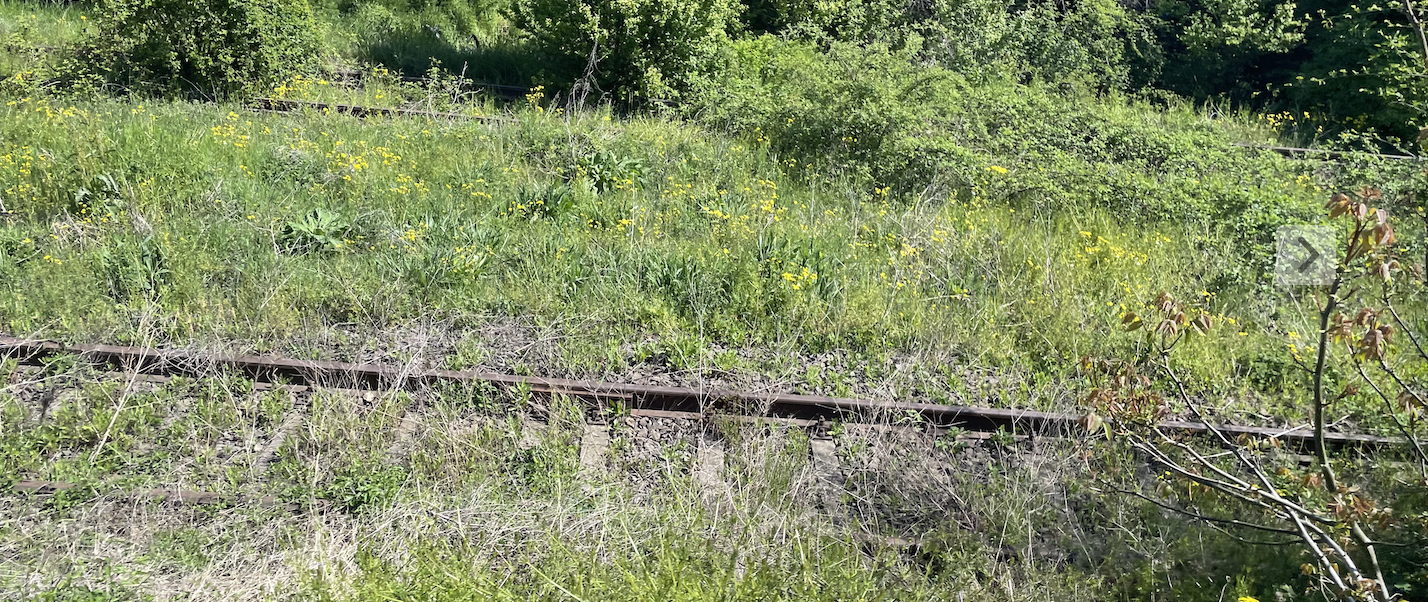
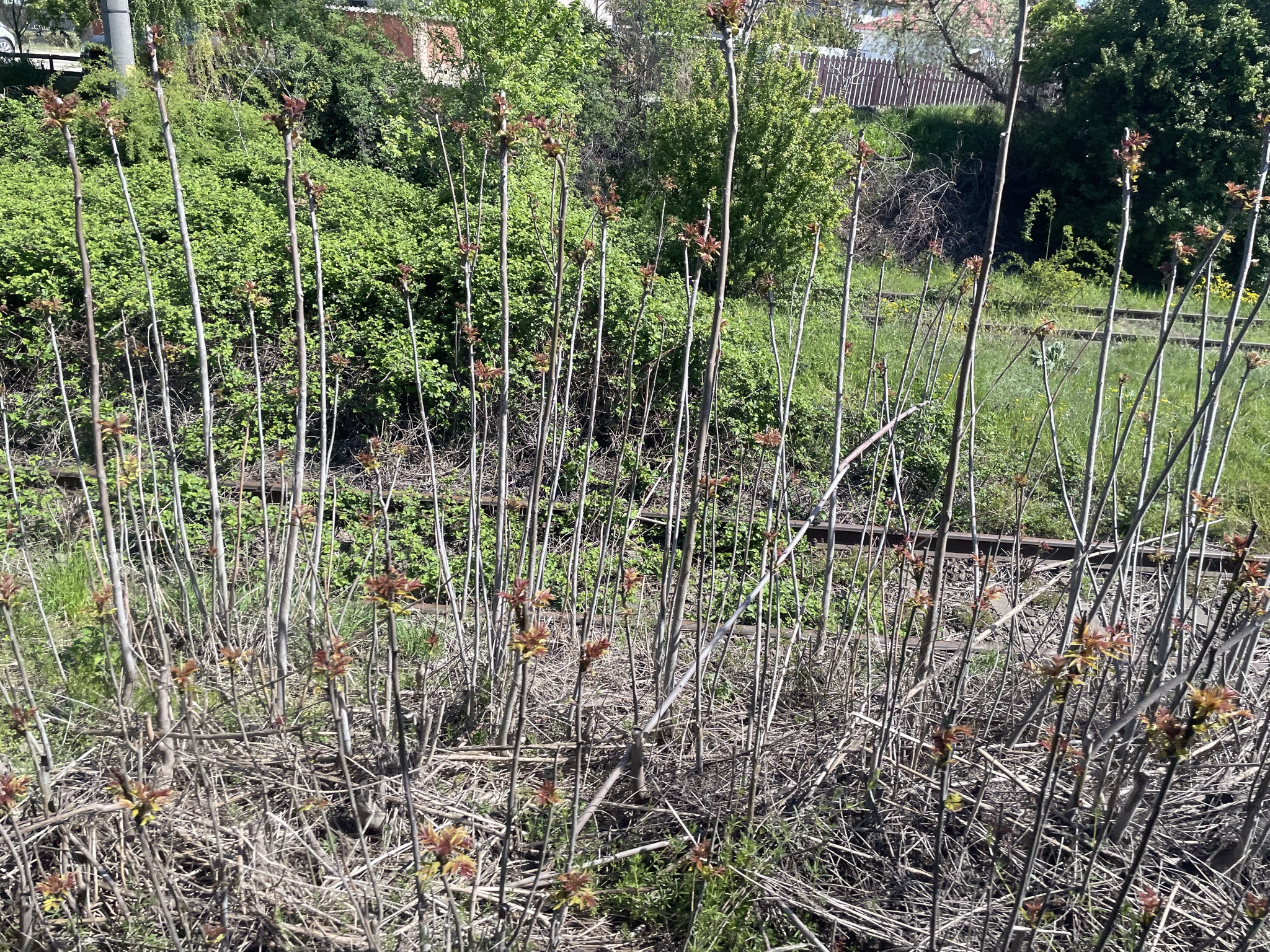
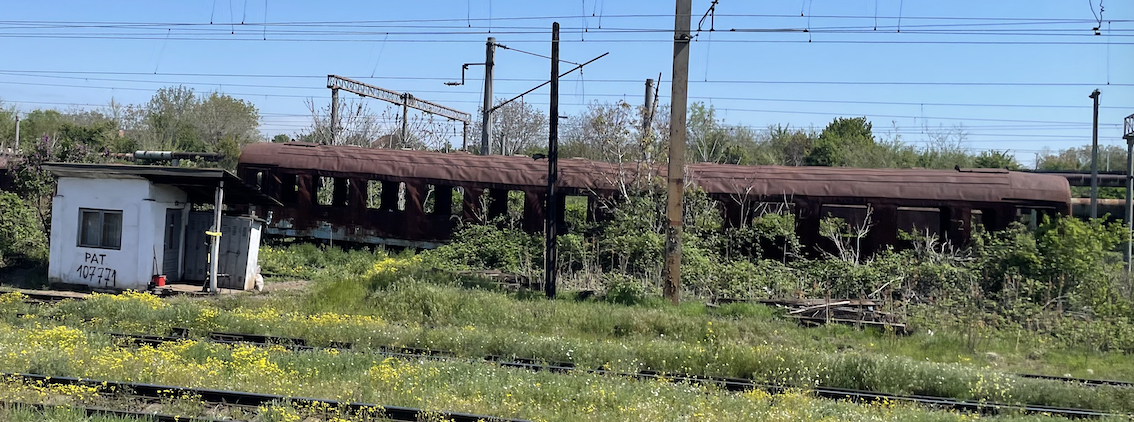
Ghost lines….. one that never seems to have been completed
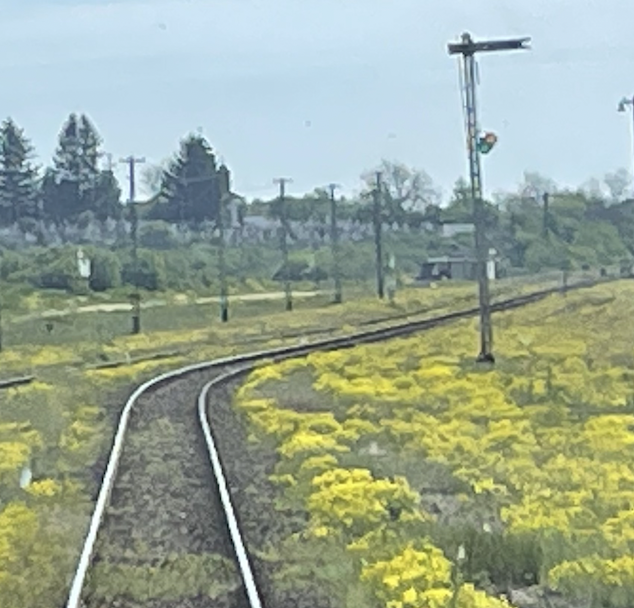
approaching Craiova – în amongst the ragwort (Senecio)
…. the honeysuckle (lonicera)
a Creosote Bush (Larrea tridentata)
Trumpet Creeper
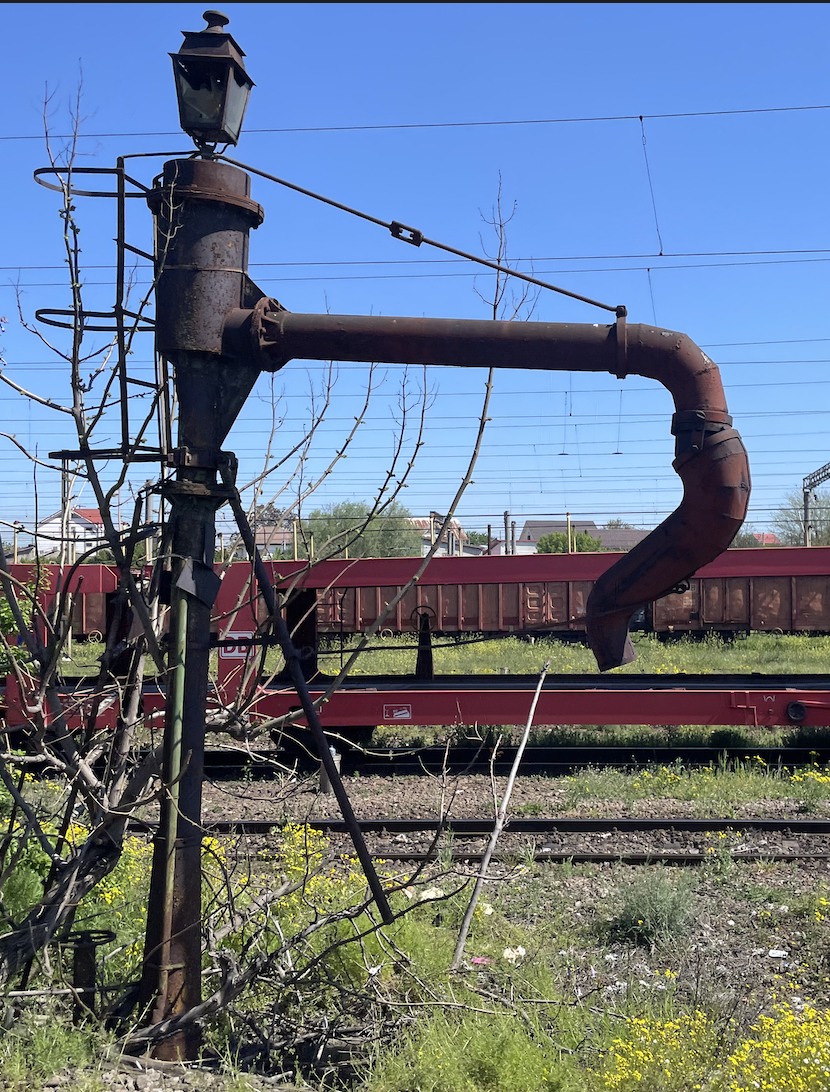
other survivals appear
Craiova
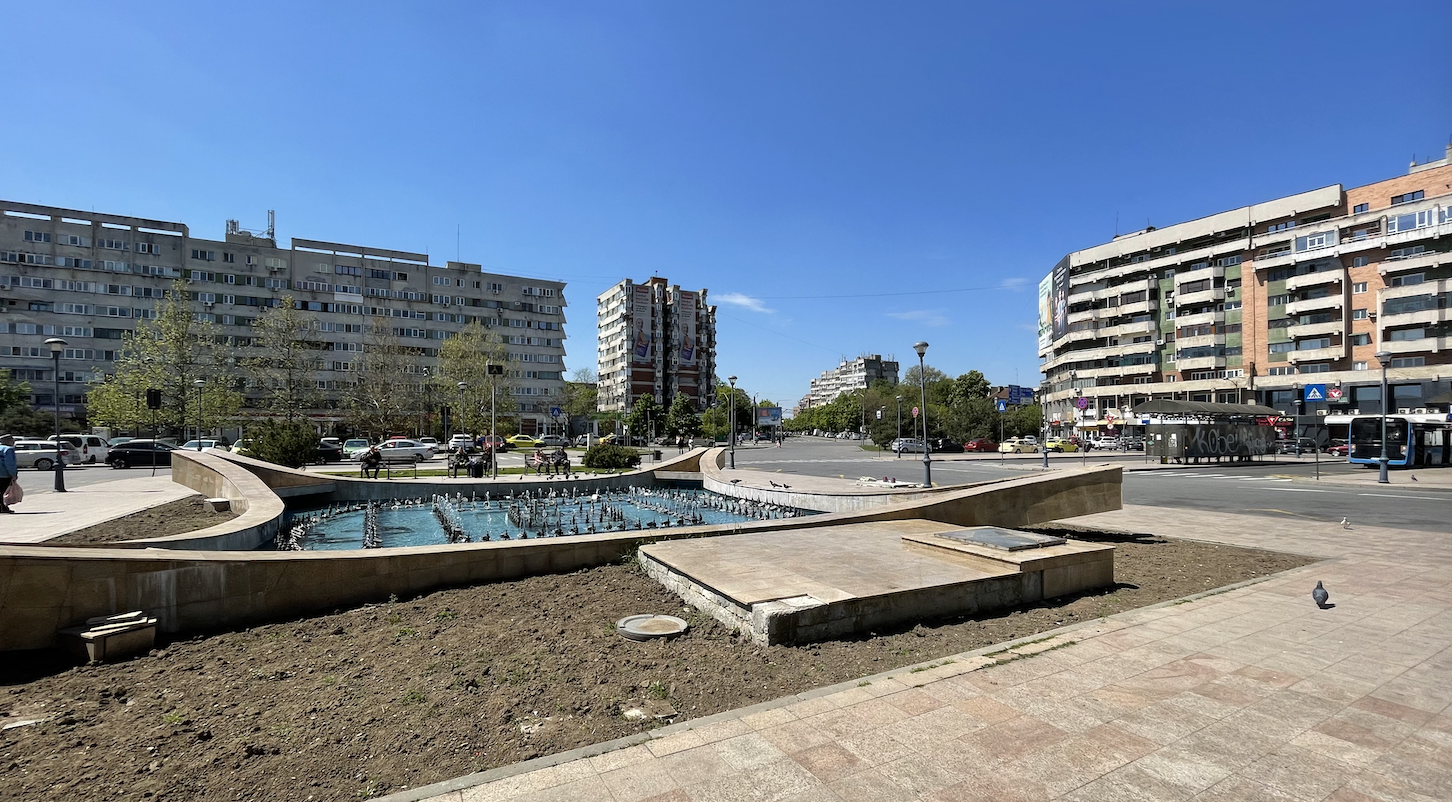
The Station Square Piața Constantin Brâncuși
On to Severin…..
Jean Jacques Rousseau & Jean Paul Satre
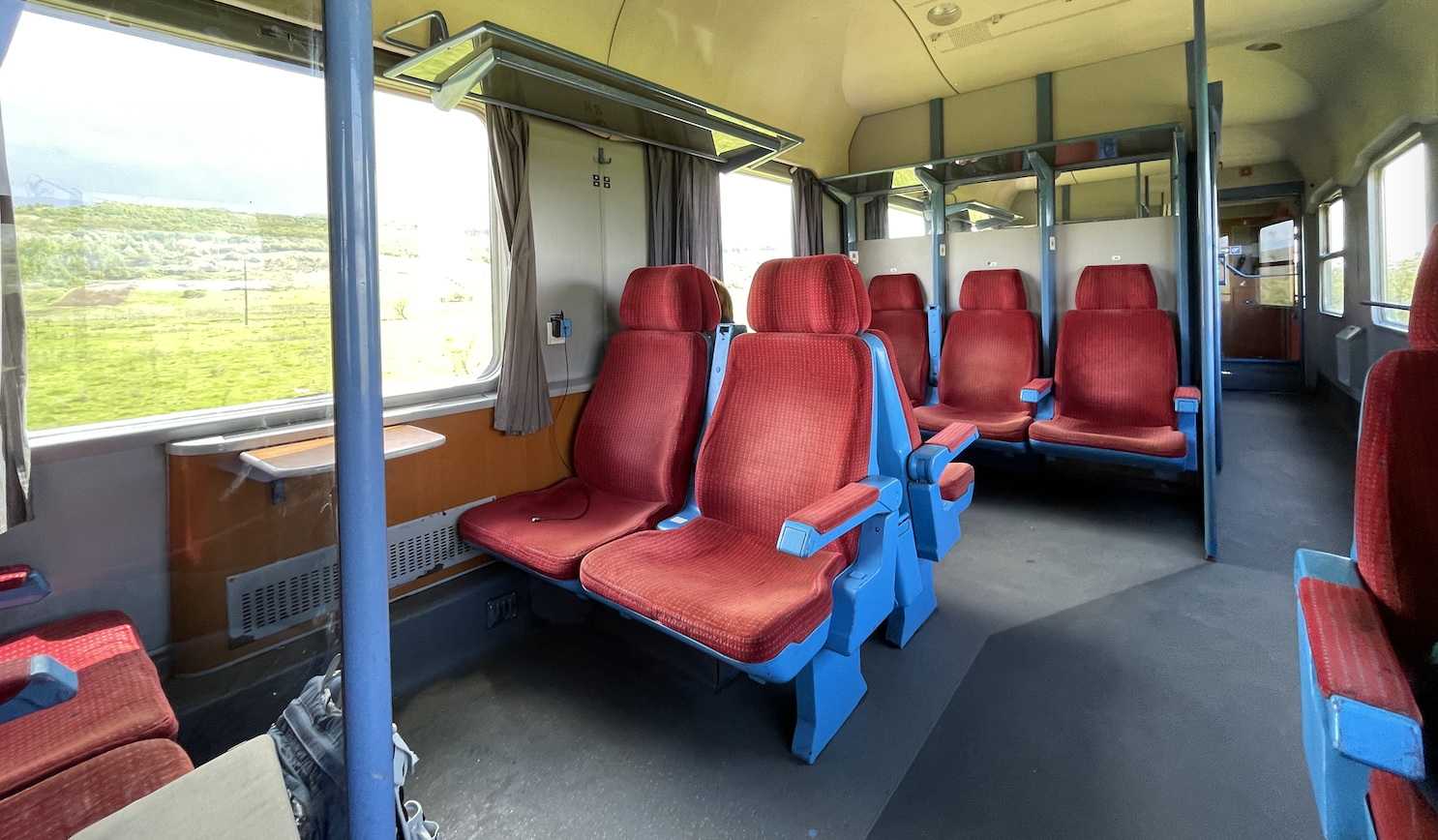
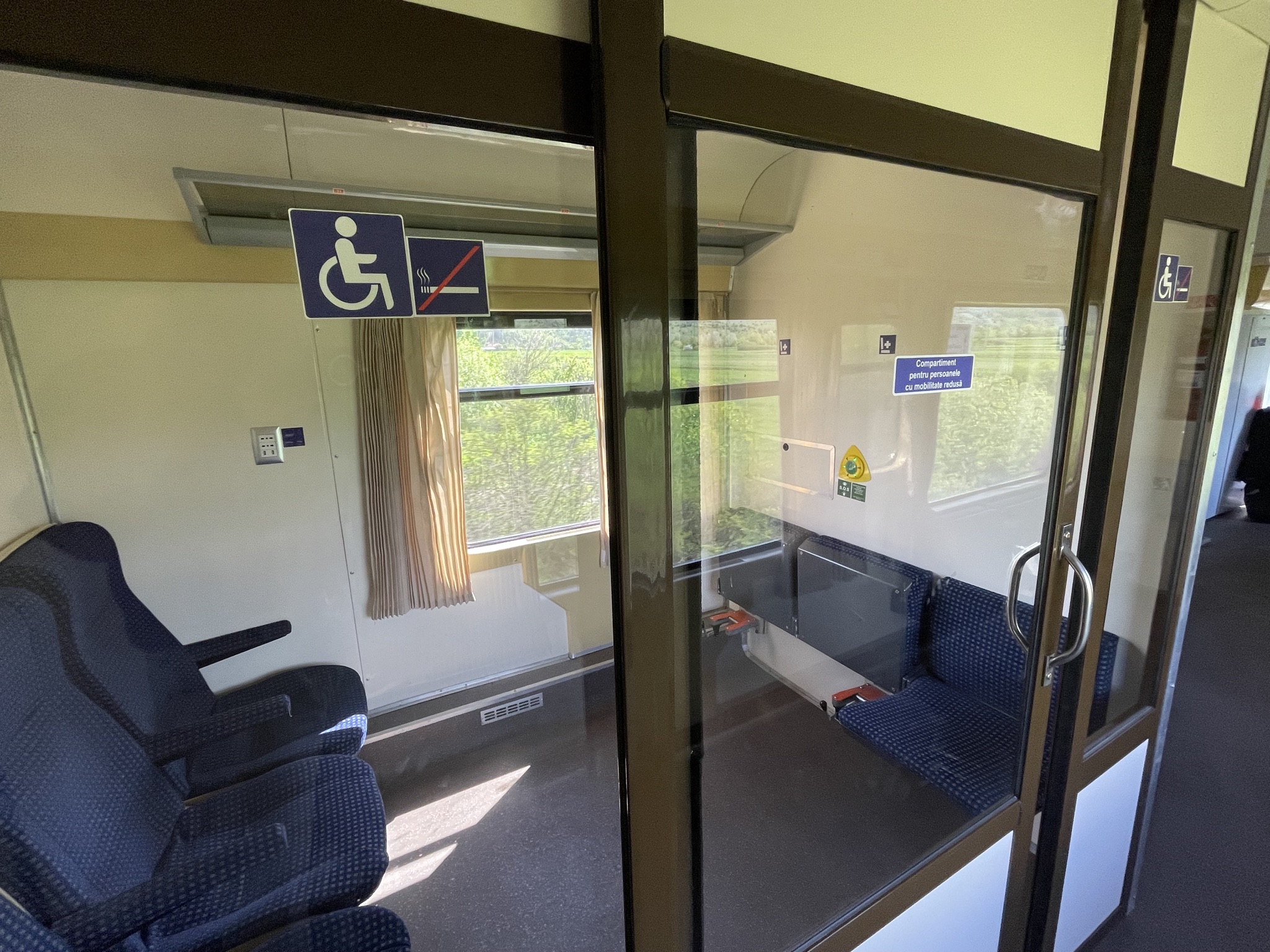
curious style of First Class
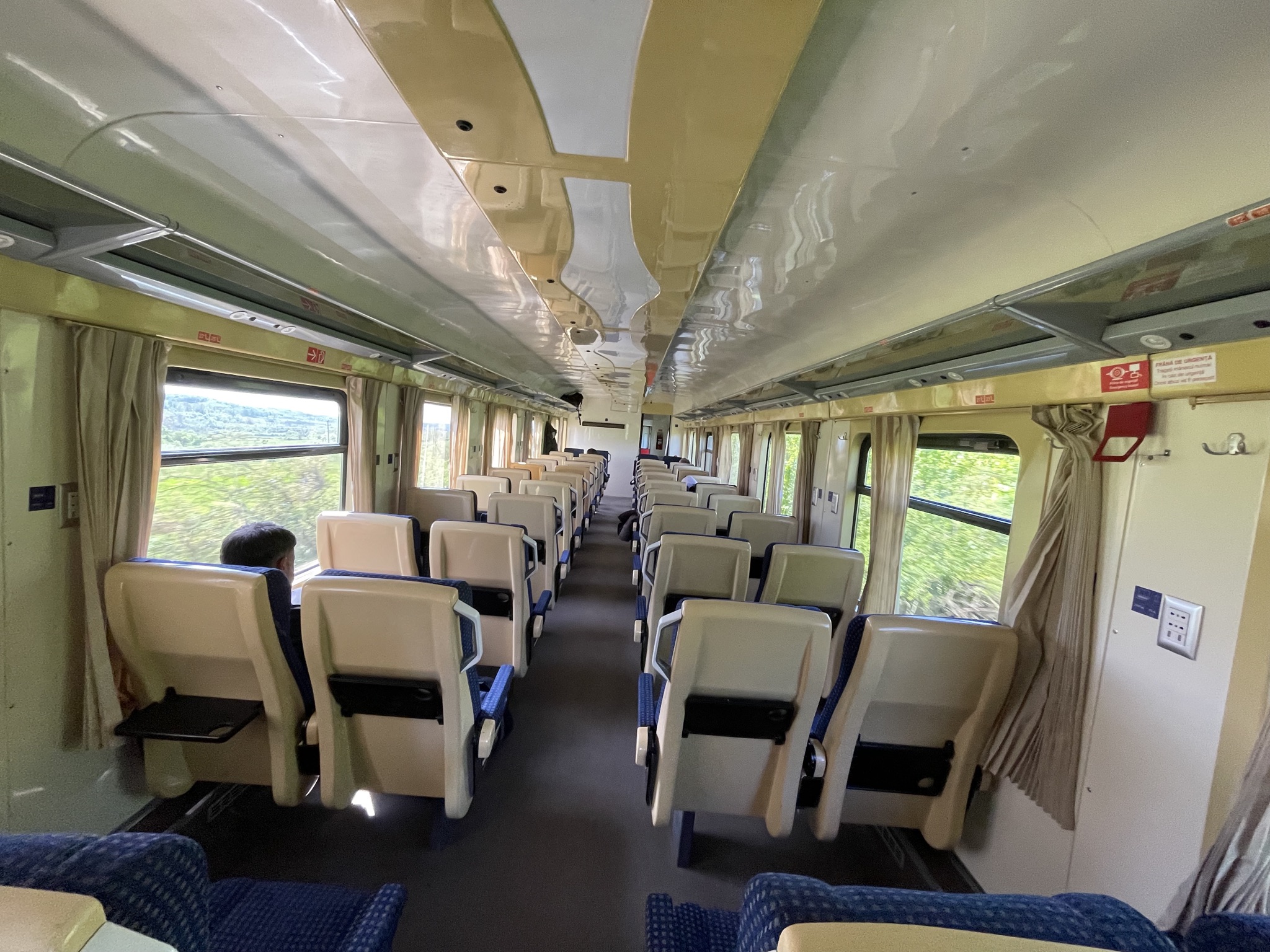
very comfortable 2nd Class
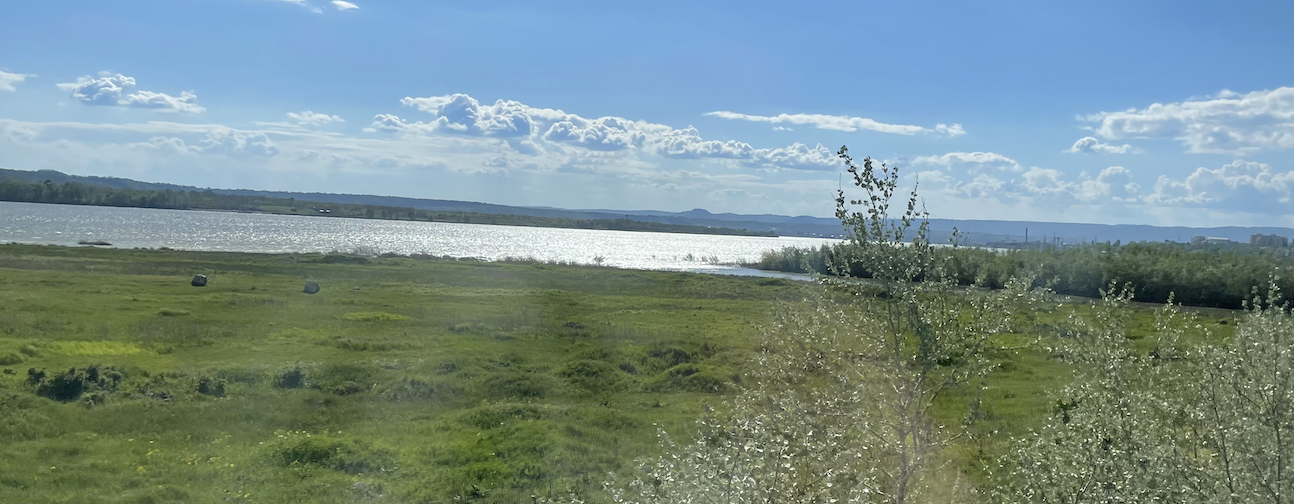
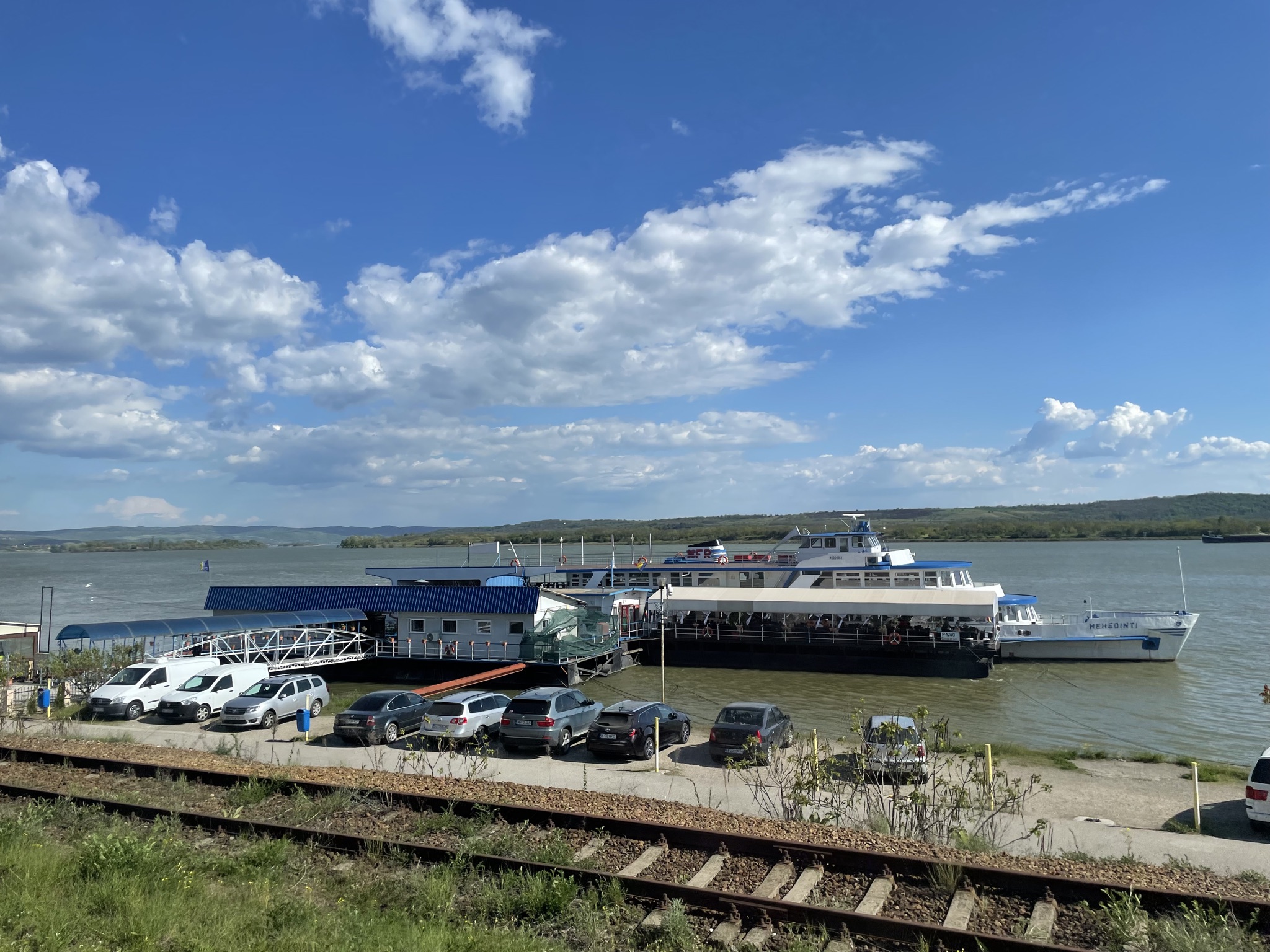
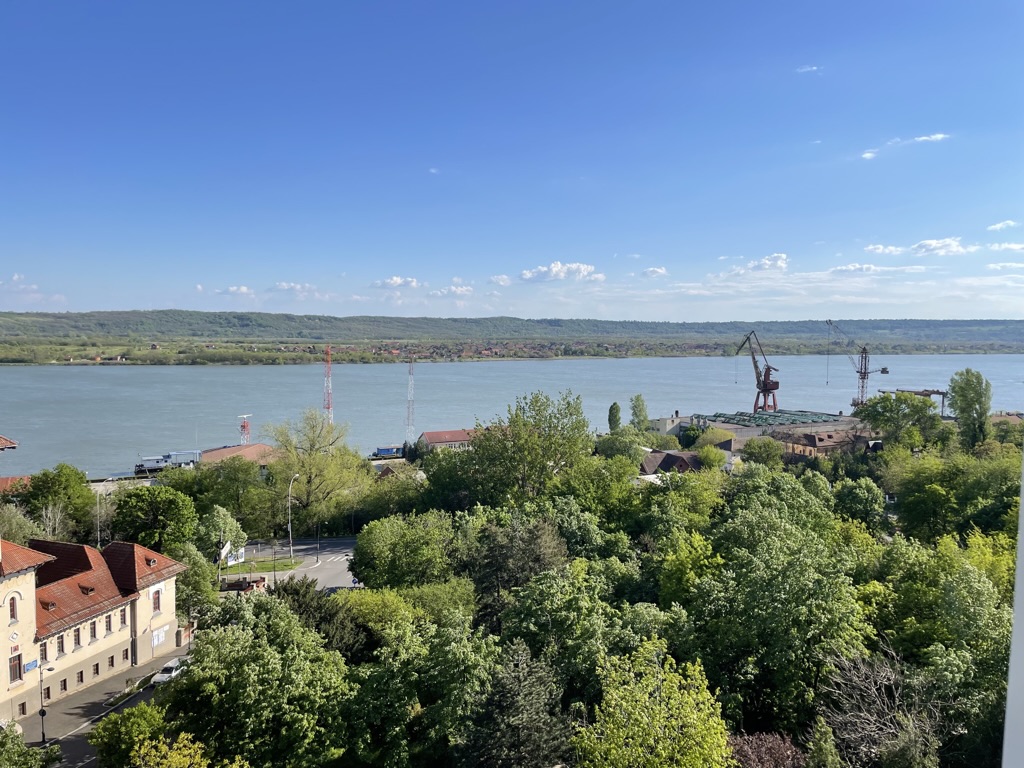
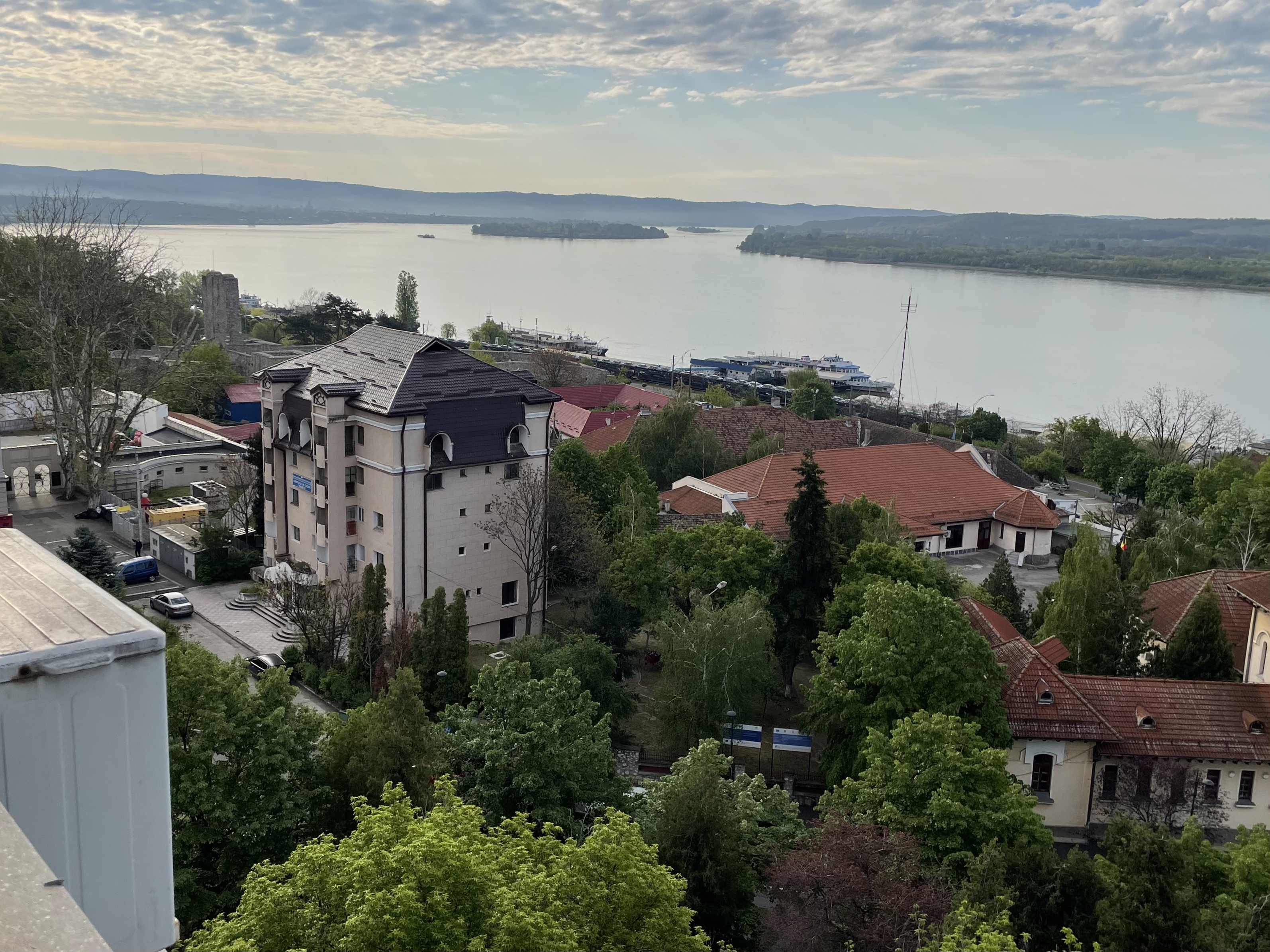
The Danube – across to Serbia
Very busy ‘Fast’ train was behind ours: Bucuresti to Timisoara – thankfully we had been on the stopping train which fed into this at Severin.
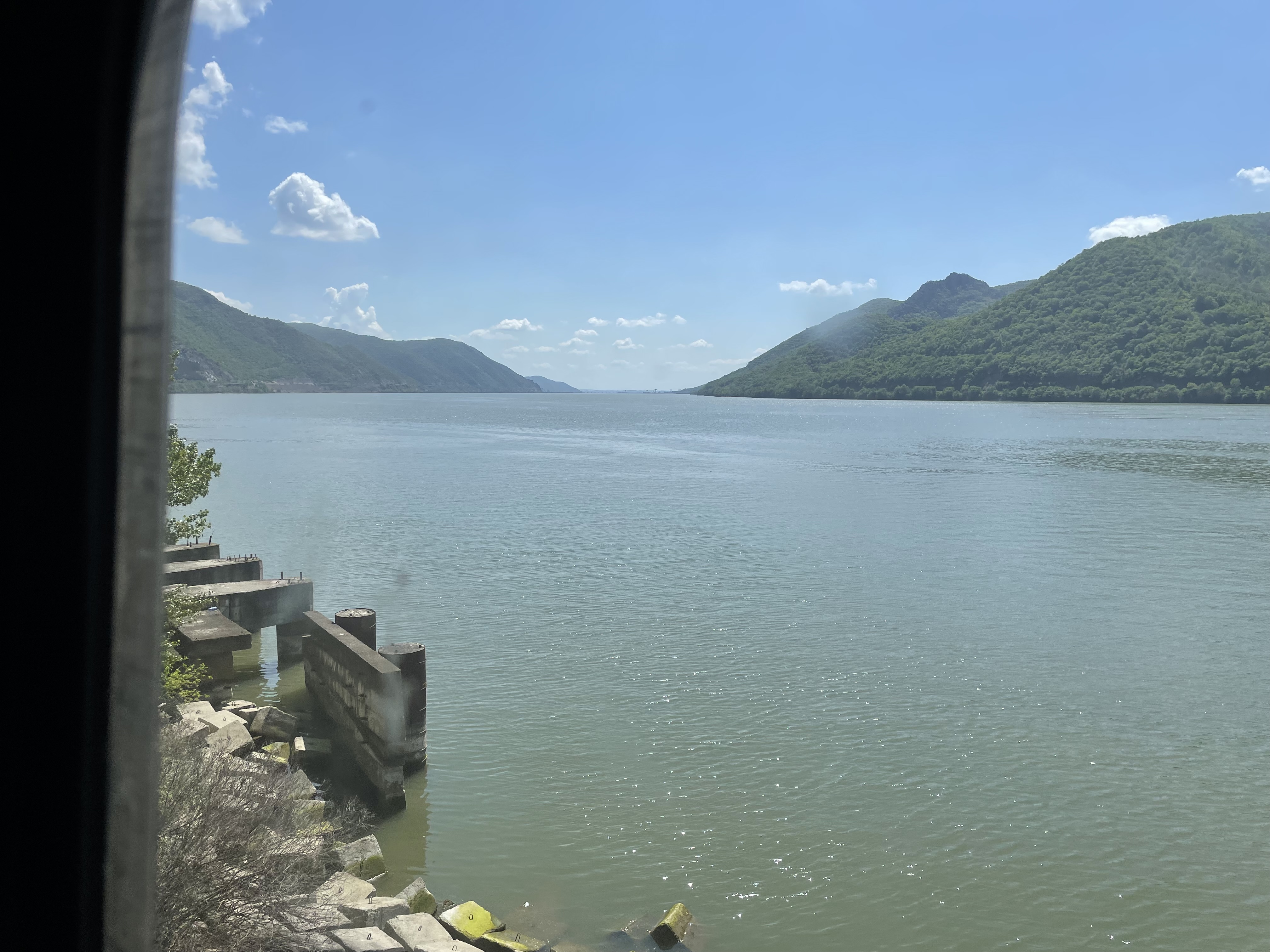
The Danube: Looking downstream & across to Serbia.
Oh! Where are we going?
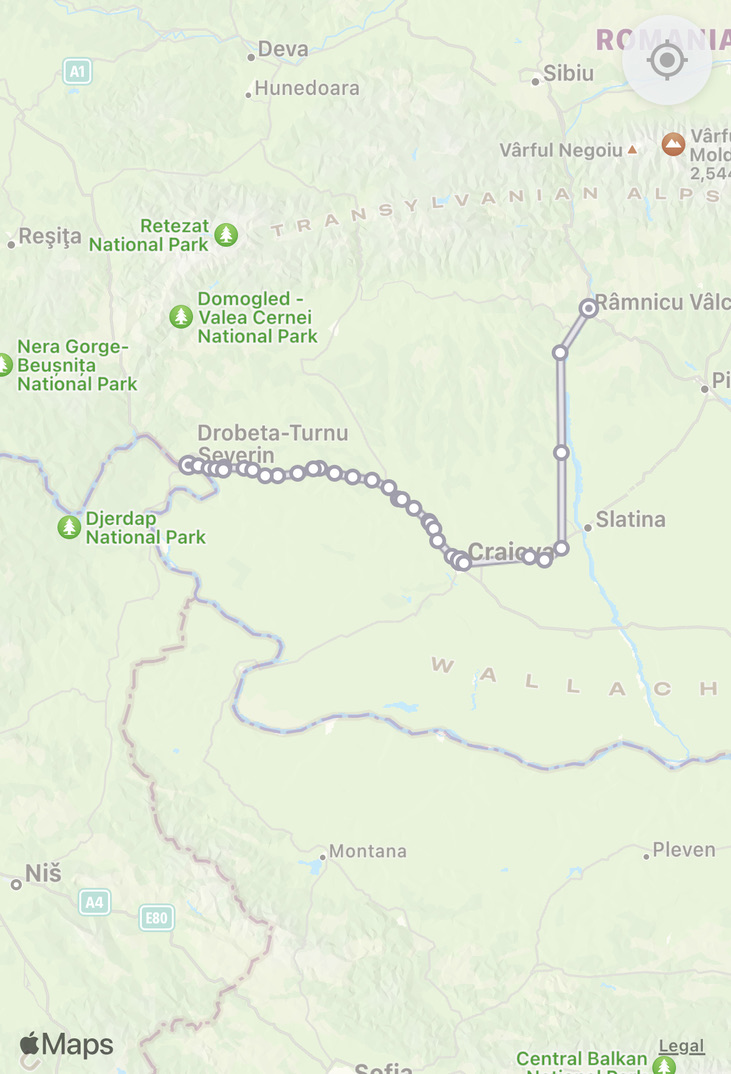
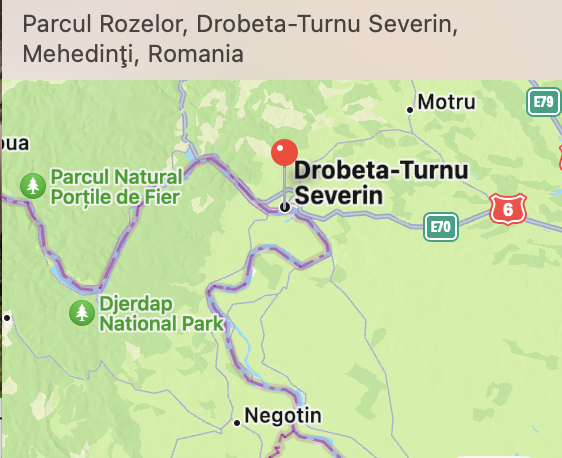
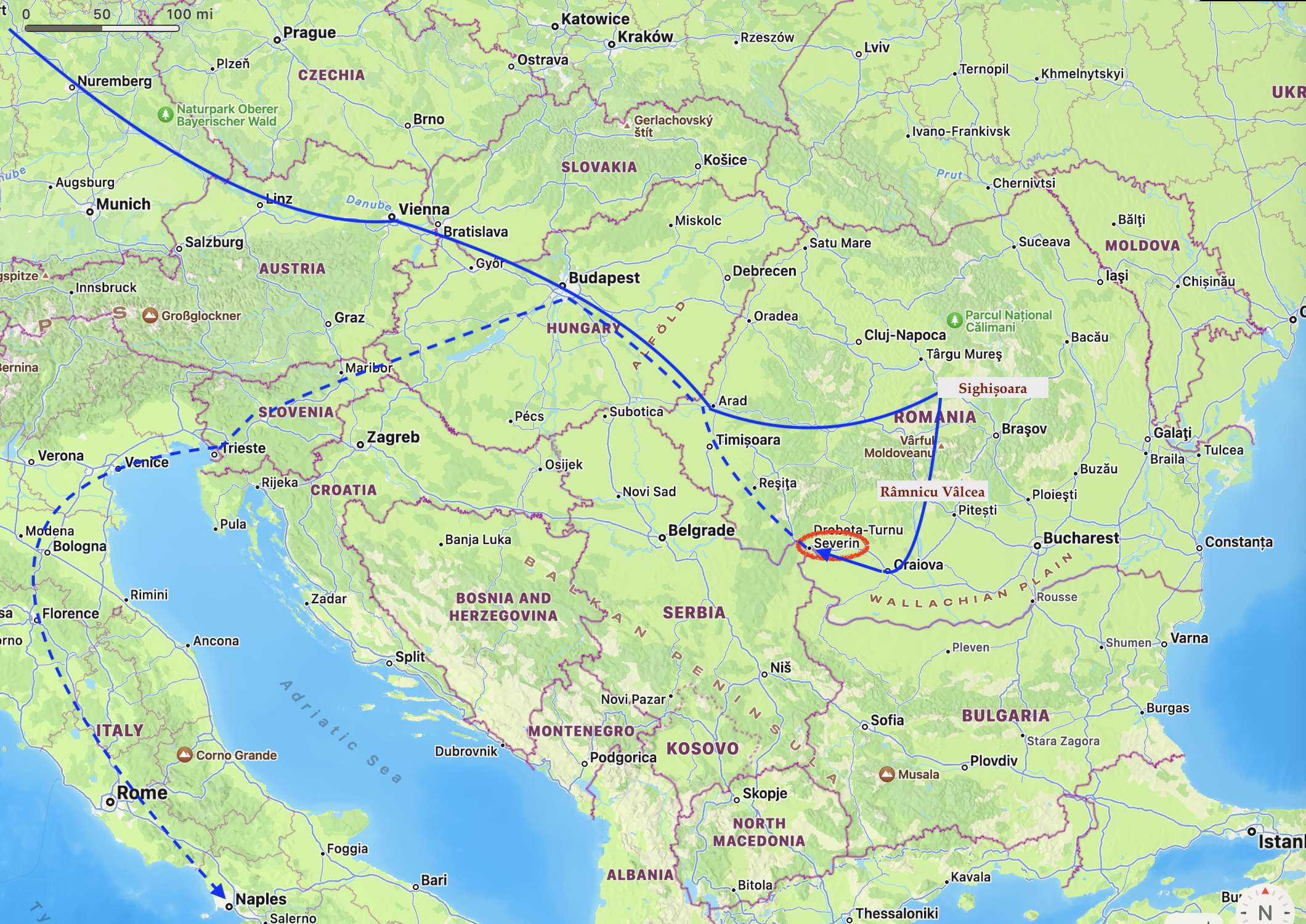
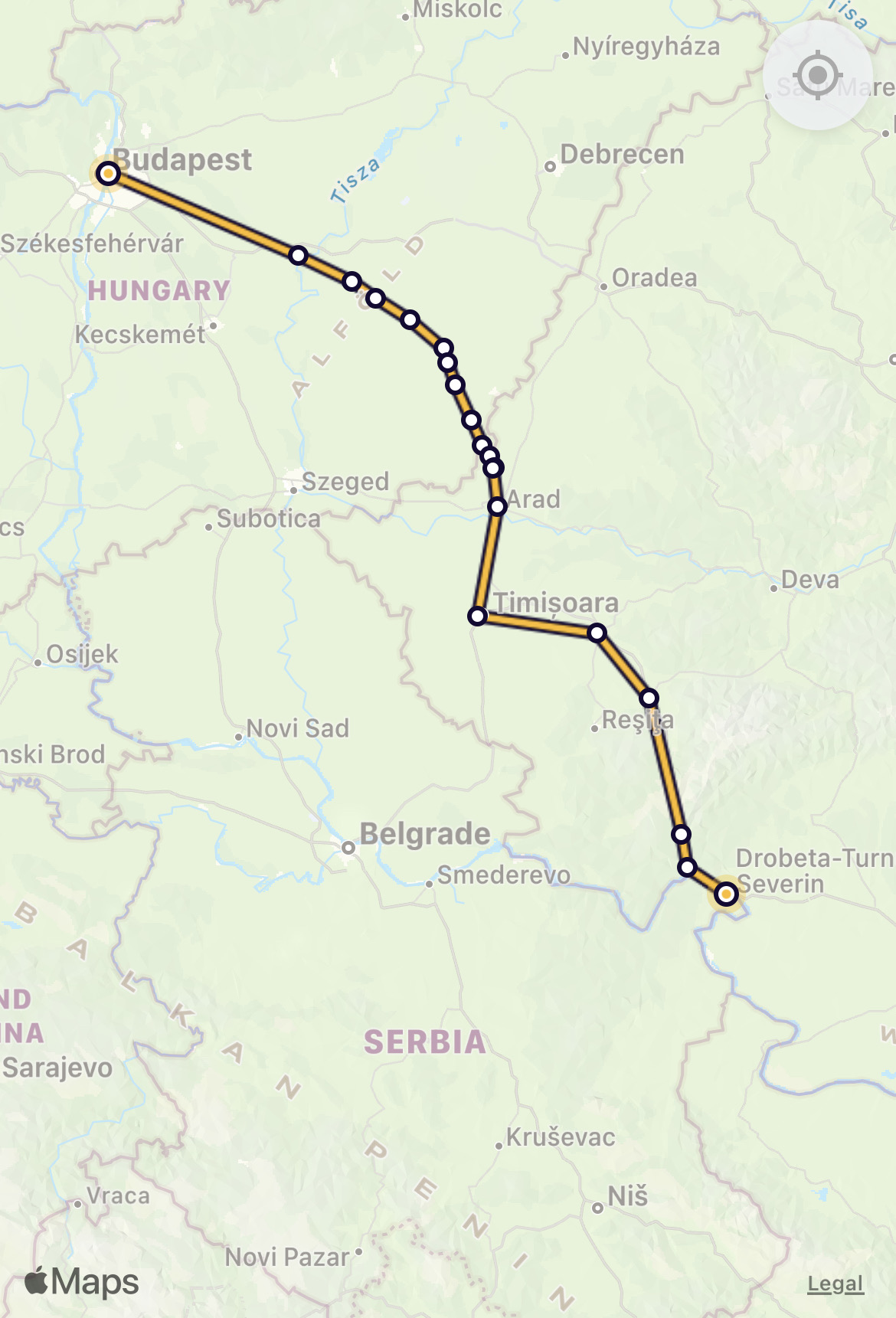
The route taken to Severin & that for the next 4 days.
This journey seems to lack directional purpose.
Yet it has structure – born in misty childhood imagining, connecting to middle aged action, lived out through a passion for railways & trains that pre-dates both.
We are travelling on & within an almost dreamlike structure.
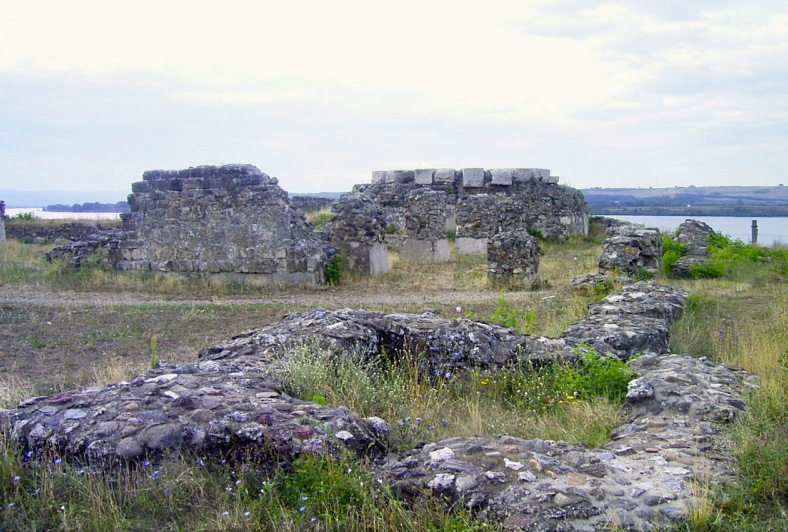
All these works, especially the bridge, served the purpose of preparing for the Roman invasion of Dacia, which ended with Roman victory in 106 AD.
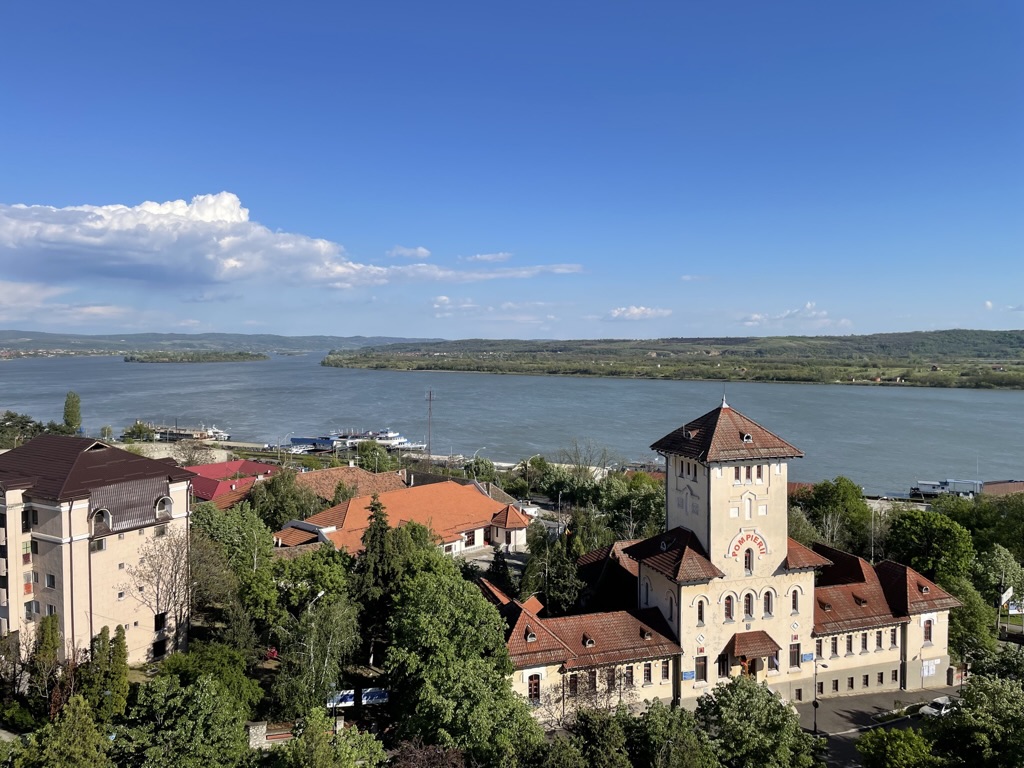
Turnu Séverin (the Dobreta element was added in Communist times). A peaceful place with many wooded areas. It was here that the Danube was bridged by the Emperor Trajan who then proceeded to invade and exploit (violently) the gold resources of the region. The ‘victory’ is celebrated in the Arch in Rome… with locals being taken to Rome as slaves. Later the Emperor Hadrian had a more defensive attitude and destroyed the bridge in order to prevent Barbarians on the north bank invading the Empire. Hadrian did the same in Brittania …. Sealing the empire with a wall (to keep the dreadful northern barbarians under control). We now call this northern barbarian area ‘Scotland’.
I am sure that all partners no longer regard our Italian friends as responsible for the actions of their ancestors! Viva Italia!
WhatsApp
The effect of finally defeating the Dacians and acquiring their gold mines was so great that Roman games celebrating the conquest lasted for 123 days, with 10,000 gladiators engaging in fights and 11,000 wild animals being killed during that period.
May 1st to Turnu Severin to Budapest
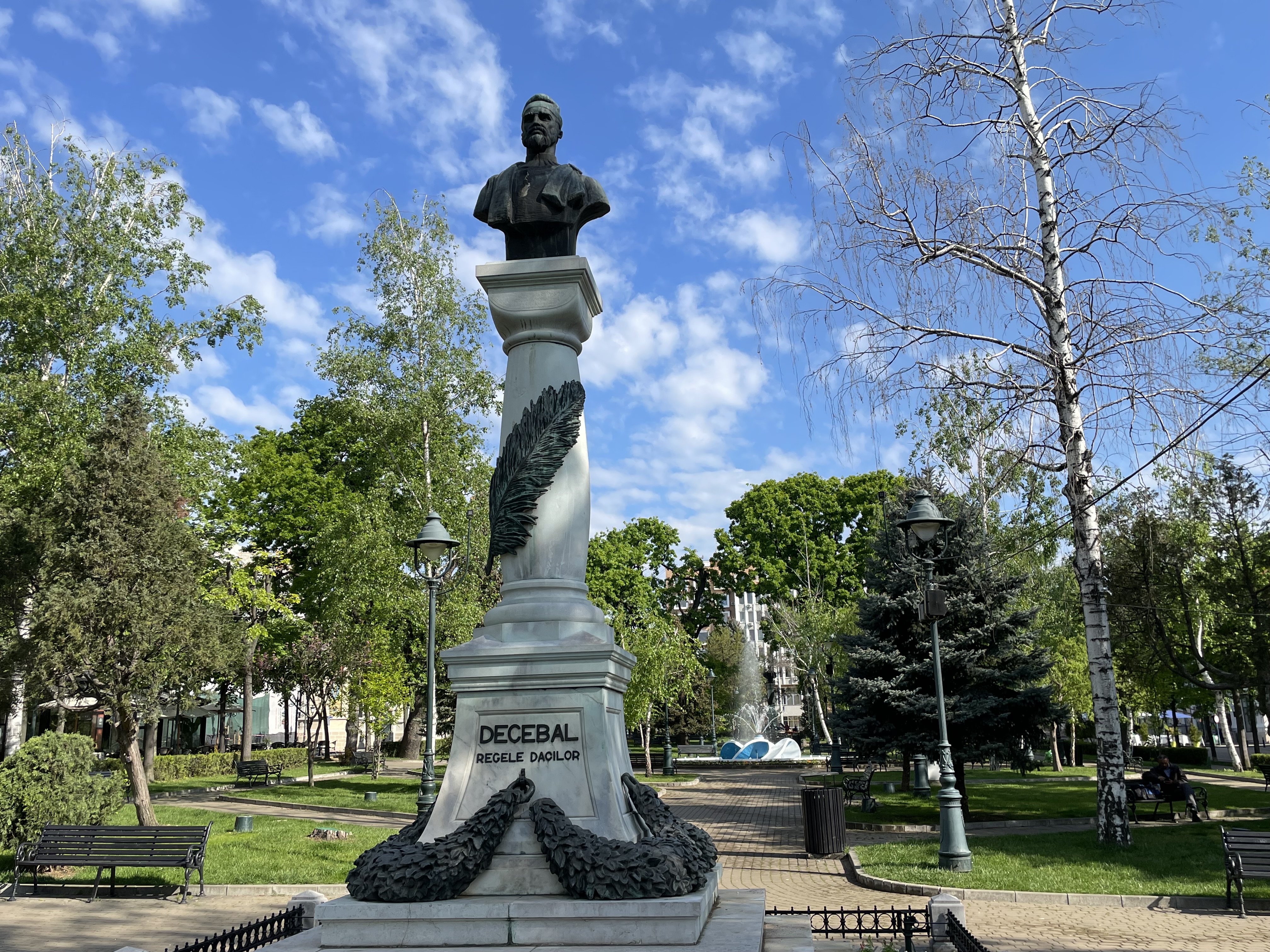
To a reasonably informed outsider there is a strange dichotomy in the Romanian view of their distant history. A desire (it seems) to be both proudly ‘Dacian’ (through the personage of Decebal) and proudly Roman (through the person of Traian – the Emperor).
The weaving of these two opponents into the Romanian consciousness stretches back to, at least, the early C20th – and was reinforced in the times of the ‘nationalist’ communism of Gheorghe Gheorghiu-Dej & Ceaucescu.
Decebalus was hunted down and finally cornered by Roman detachments seeking his head. Rather than being captured only to be exhibited and humiliated at Rome, Decebalus committed suicide by slashing his own throat, as depicted on Trajan’s Column
George Gordon (Lord Byron) was sufficiently affected (in the 1820s) by what he saw of ‘Ancient Rome’ that he very specifically added a Dacian character to his lament on the cruelty of careless overweening power
I see before me the Gladiator lie: He leans upon his hand – his manly brow Consents to death, but conquers agony, And his drooped head sinks gradually low – And through his side the last drops, ebbing slow From the red gash, fall heavy, one by one, Like the first of a thunder-shower; and now The arena swims around him – he is gone, Ere ceased the inhuman shout which hailed the wretch who won.
He heard it, but he heeded not – his eyes Were with his heart and that was far away; He recked not of the life he lost nor prize, But where his rude hut by the Danube lay, There were his young-barbarians all at play, There was their Dacian mother – he, their sire, Butchered to make a Roman holiday – All this rushed with his blood – Shall he expire And unavenged? – Arise! ye Goths, and glut your ire!
Romania: Which do you choose?
So it is now…
Ukraine, butchered to satisfy Putin’s Imperialist desires.
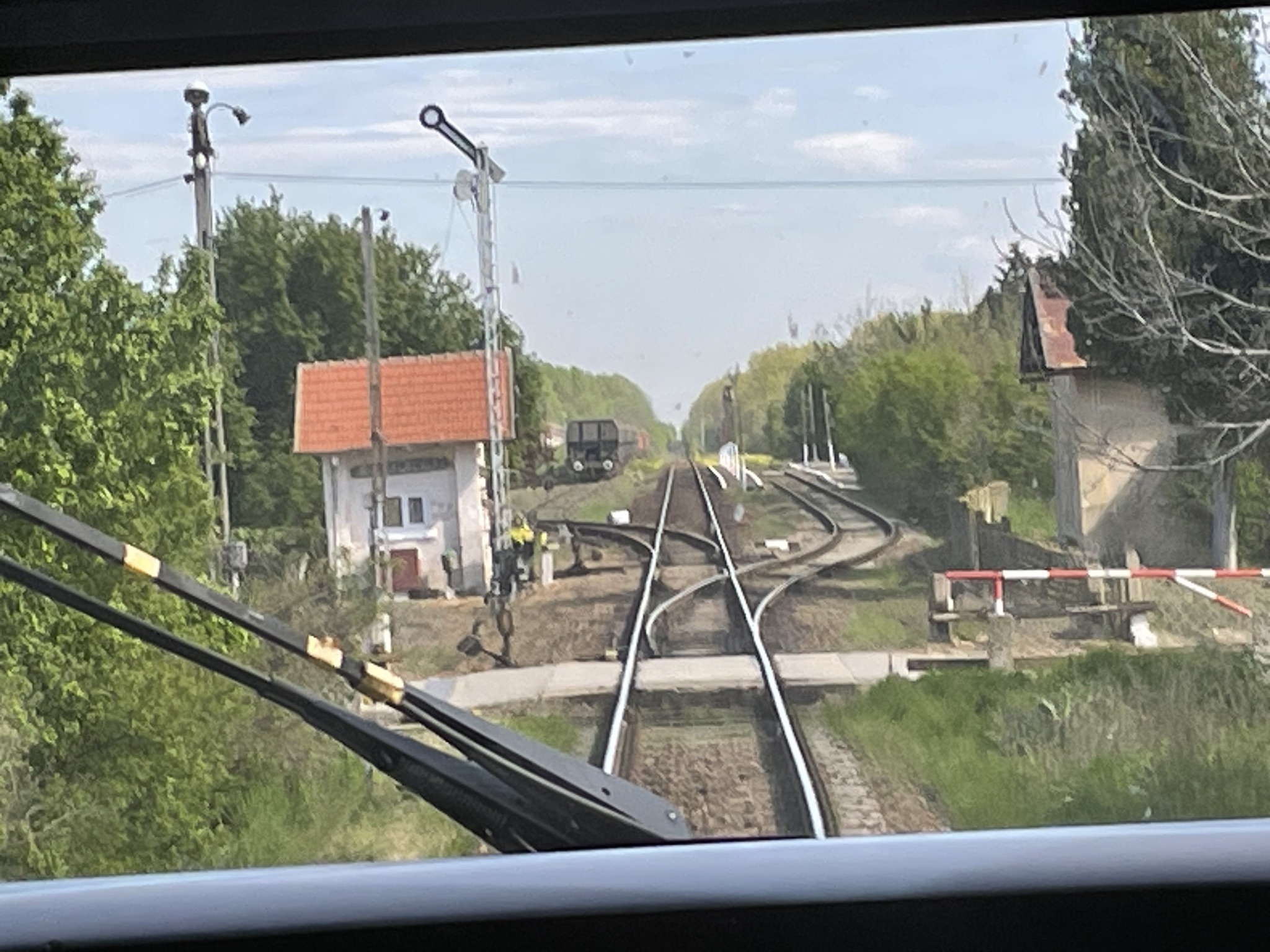
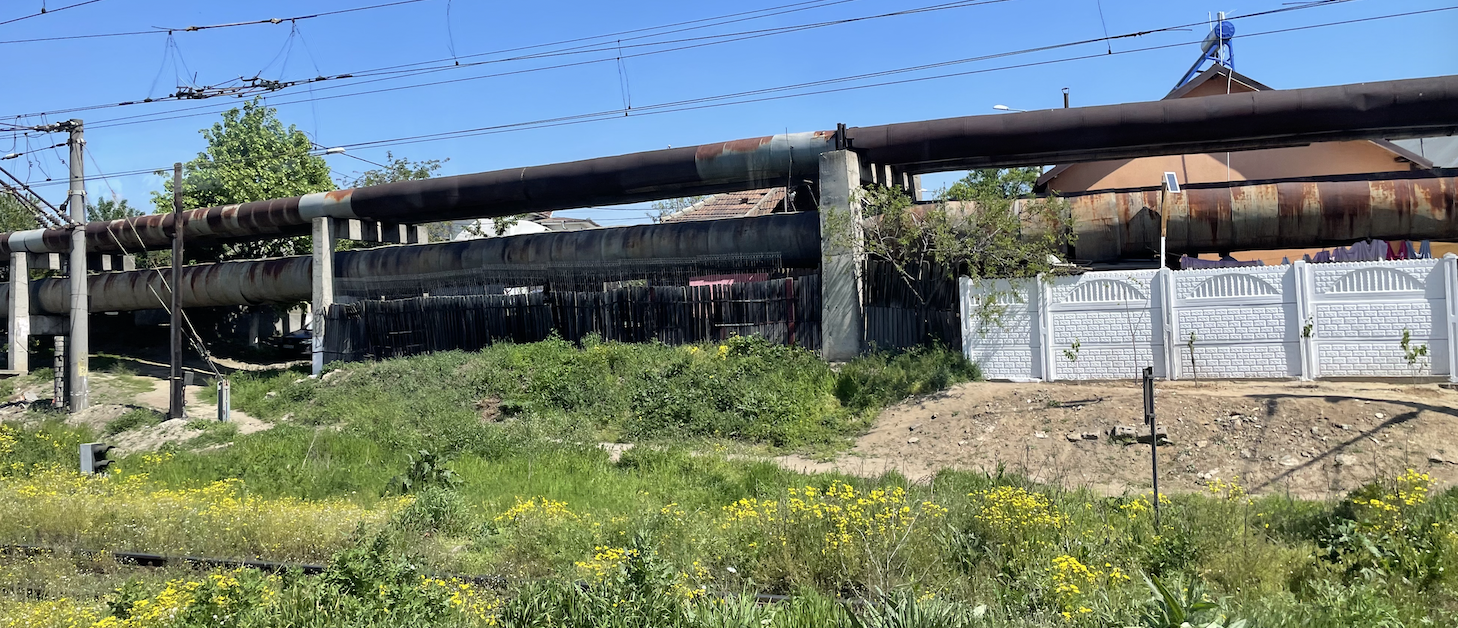
We are standing by one of the most important rail links in Romania…. from this picture it’s not obvious!
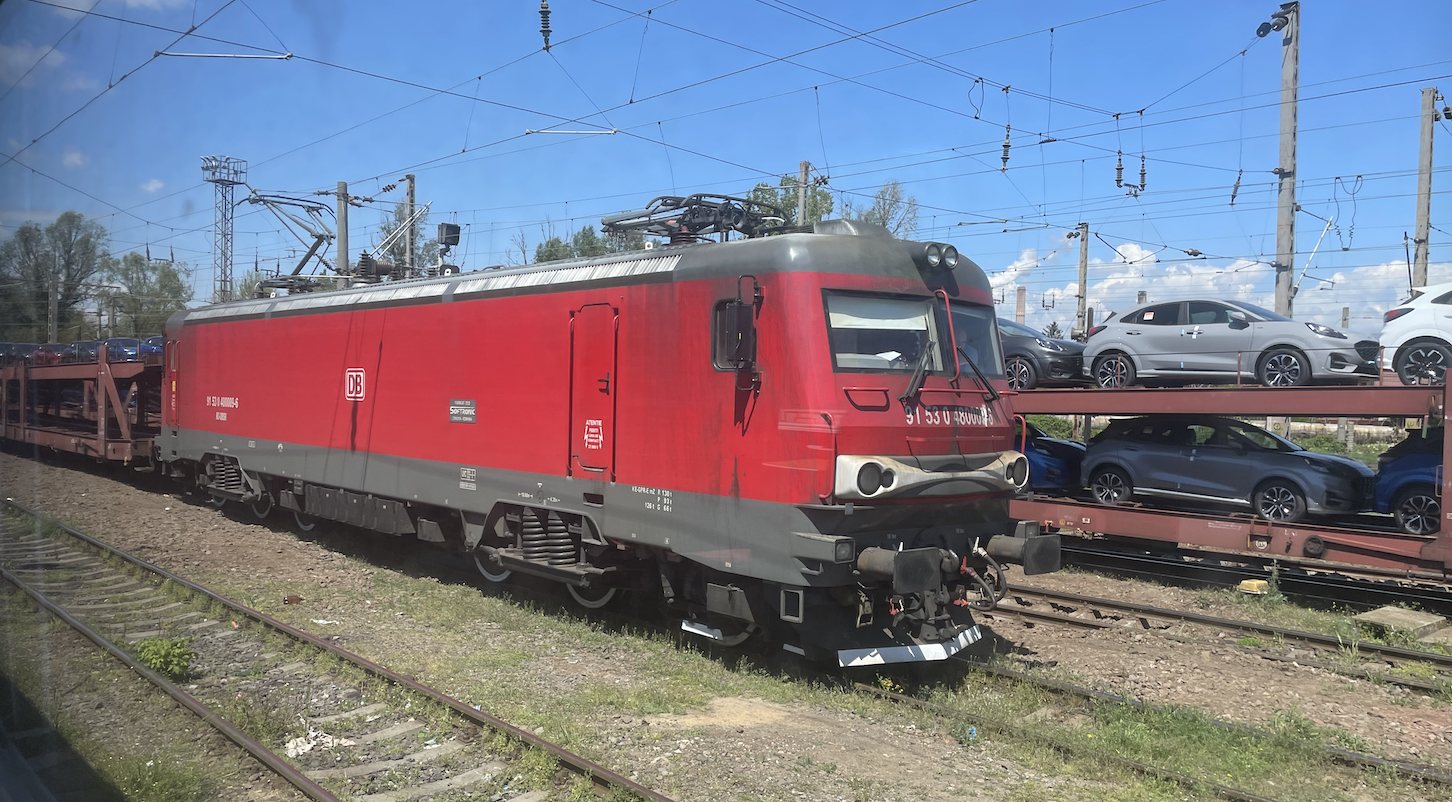
But this is a line along which we already watched lengthy trains carrying newly built cars (most were right hand drive) being sent from the major motor vehicle factory in Craiova to …..? somewhere beyond Romania…. not difficult to guess……
Over a dozen block trains leave the Ford plant in Craiova, Romania, each week, travelling to destinations up to 2,000 kilometres away. The city in Wallachia, in the southwestern part of the country, is an important site in Europe’s car manufacturing sector and has a long tradition. Ford produces its EcoSport and Puma models at the plant, along with engines. Some of the vehicles then head to Constanta on the Black Sea. They are bound for destinations including the Iberian Peninsula. Other trains take cars to Venice, serving customers in Italy.
But the majority of wagons travel through Hungary and Austria, onward to the German city of Neuss, the Belgian city of Antwerp, or the Dutch city of Vlissingen, which is home to Ford’s large hub for the British market
This lengthy journey to Budapest has a particular purpose in its first kilometres.
Its very personal.
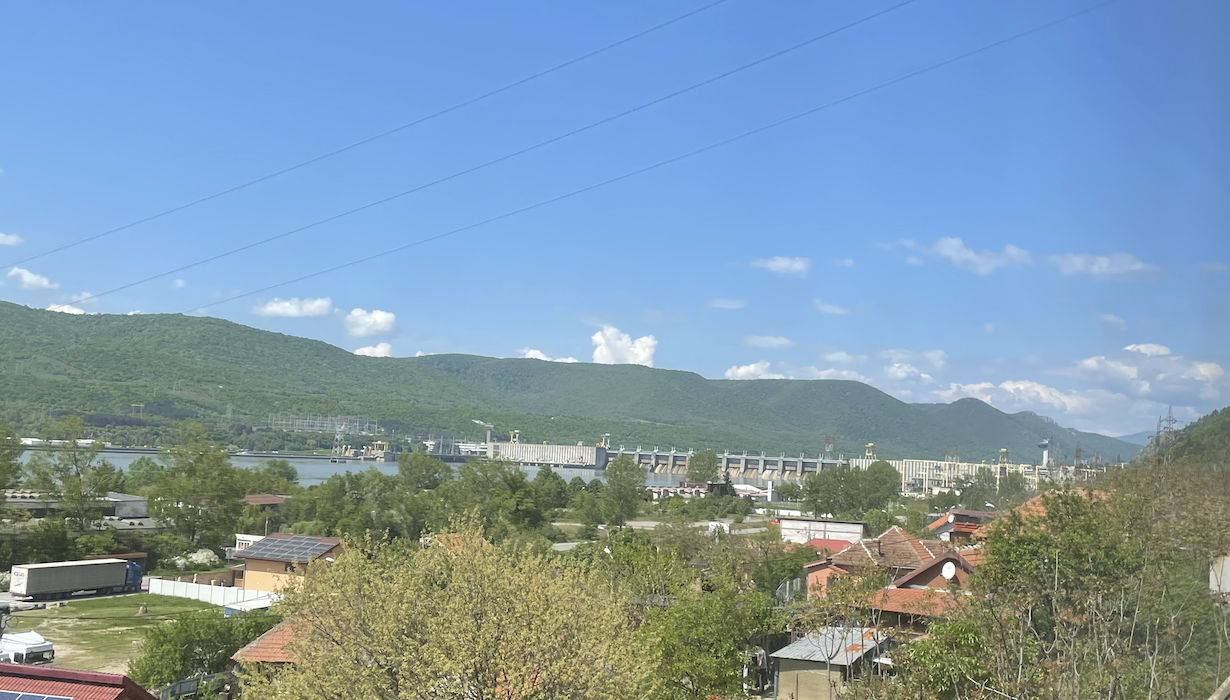
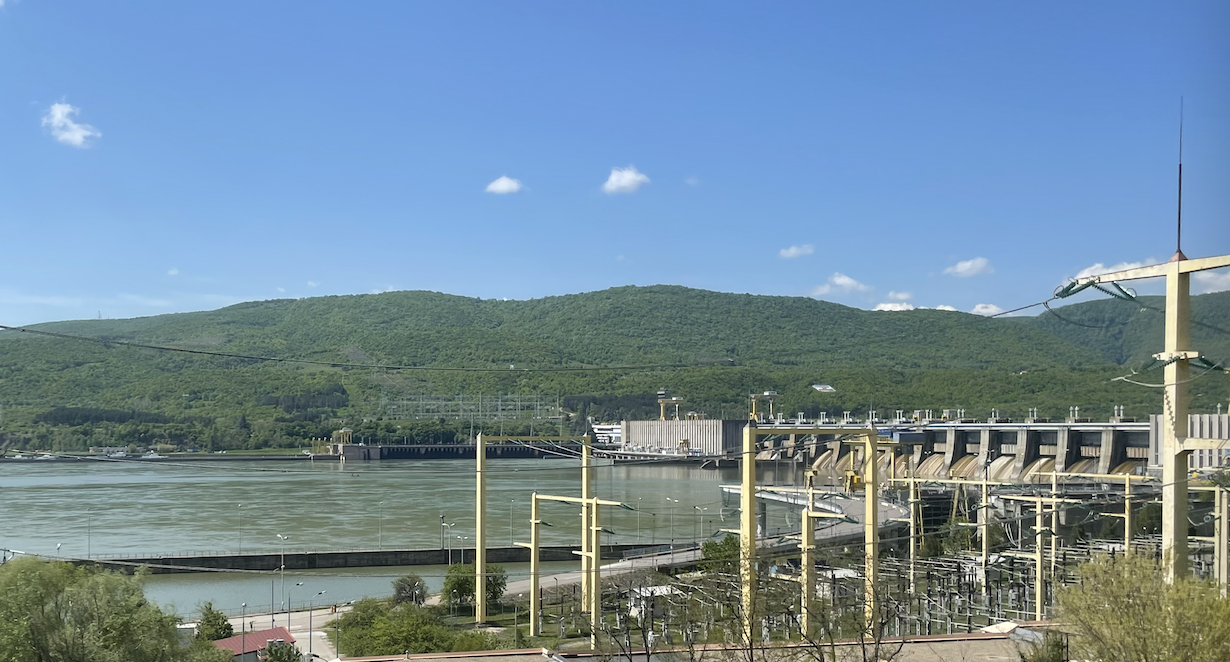
The Iron Gates
Childhood memory or adult fantasy?
We grow older….. and we retain memory… but when is ‘the memory’ constructed?
Is what we feel to have believed when young, significantly altered by knowledge received at a later time?
My attempts to ‘fix’, in this instance, the accurate recording of my very vivid memory, becomes dependent on knowing when a specific radio broadcast was made…. not just the year or day, but the time of day (at which I guess as being late morning)
Then I guess that my remembrance of one of the names was related to the ‘lived experience’ (that is how I felt after hearing the broadcast) I had experienced
A name associated with a river flowing through hills
An accidental observed in seeing the first – remembered simply because, to me, it sounded strange.
In mid childhood & adolescence we are like sponges – absorbing, absorbing, absorbing. This is true for earlier times but by the age of 9 onwards our capability to retain memory near the surface increases – and such remembering can emerge & re-occur much later in life.
So it was with the first of the two names – probably ‘absorbed’ when I was around 10 years old.
The second name was a place name Gheorghe Gheorghiu-Dej, which seemed to be a strange name for a town (I now know it was a place named after the then communist leader of Romania & is now called Onești)
The first was ‘the Iron Gates’.
I now ?’believe’ that I saw the name at the time I first heard (on the radio) an adaptation of part of Tolkien’s Lord of the Rings The (Fellowship of the Rings) – and that this occurred in 1955 when the epic was first broadcast on the BBC.
I was once told that I had ‘a rich inner life’ – and am now aware that I incline towards deep emotional engagement & attachment with stories I hear or read. This occurred on hearing the radio broadcast – and the reason it is so well remembered is because I was unable the ‘experience’ the conclusion.
It seems to me that our school class group was taken, each week, to join another class in order to hear the story – and that I missed hearing the final part because, in a vote, the class decided they did not wish to hear any more (I may even have been in a minority of one…. correct or not, that’s how it still feels).
This part of the journey allows me to fulfil a long held desire to visit. Something deep inside is possibly being resolved by today’s journey.
OK – the ‘Iron Gates’ (a mountainous, constricting obstruction, of the River Danube) no longer exist….. but no matter….. that memory was my first of ‘Romania’…. now being fulfilled.
The ‘Iron Gates’ are
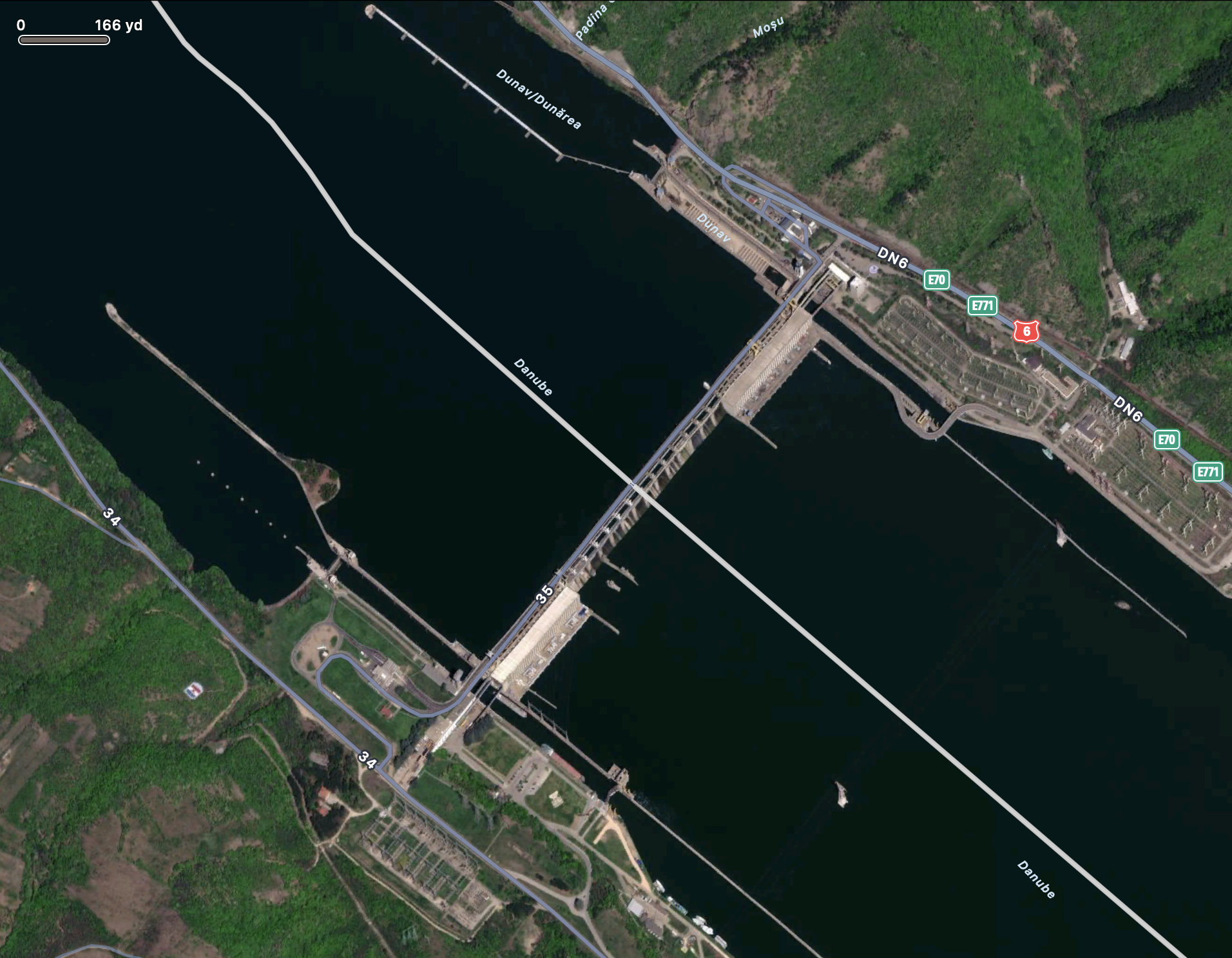
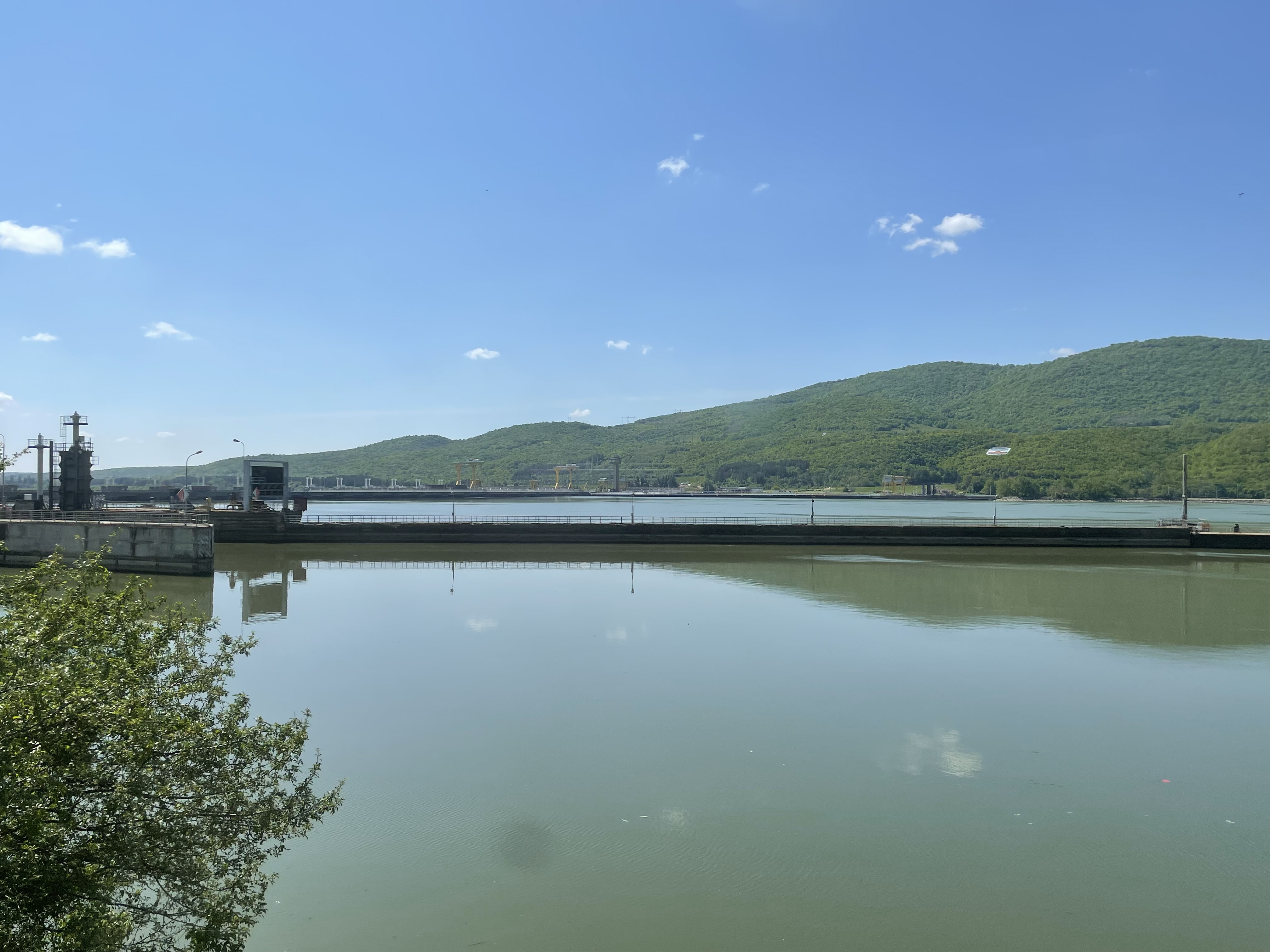
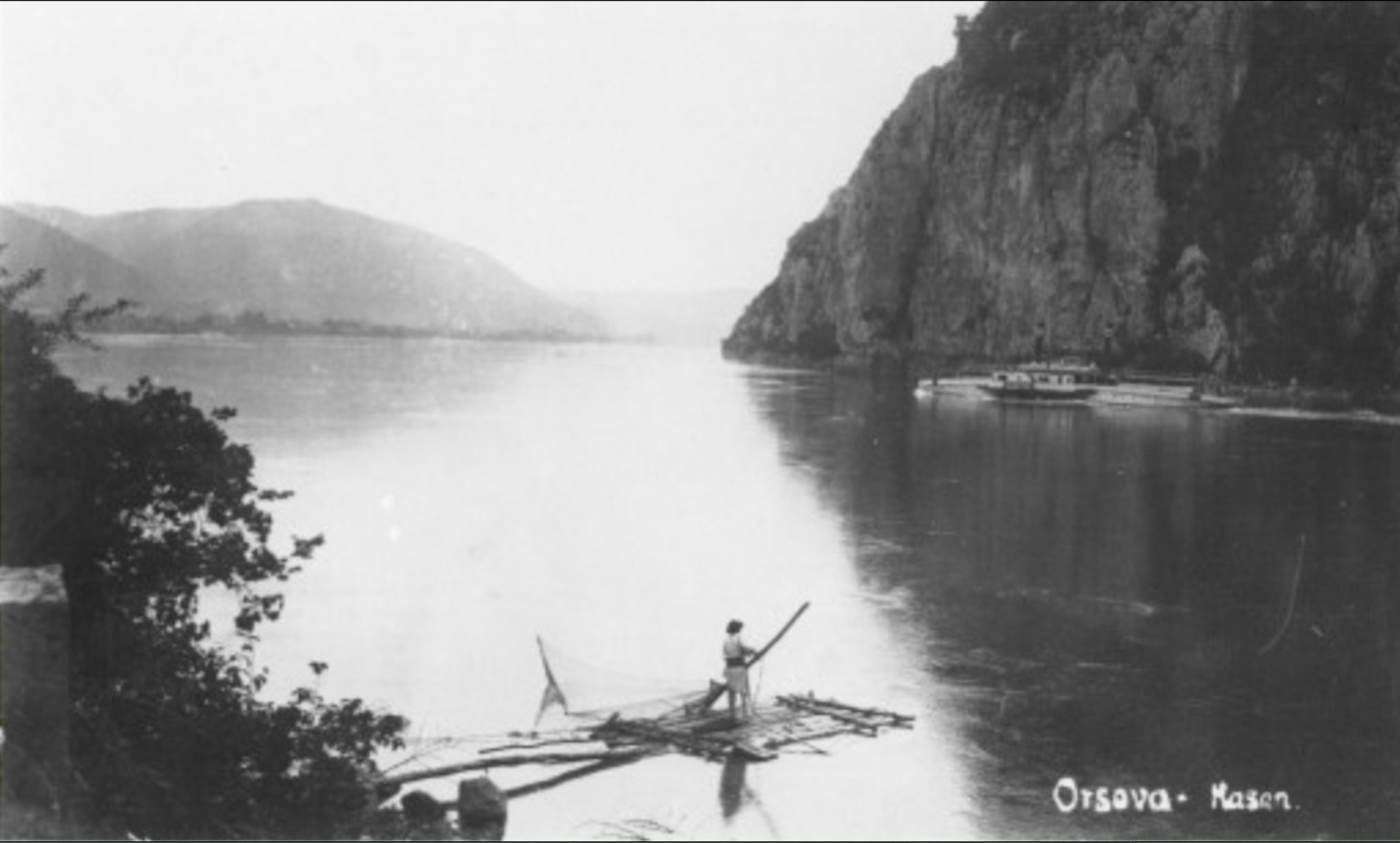
a gorge on the river Danube. It forms part of the boundary between Serbia (to the south) and Romania (north). In the broad sense it encompasses a route of 134 km (83 mi); in the narrow sense it only encompasses the last barrier on this route, just beyond the Romanian city of Orșova, that contains two hydroelectric dams, with two power stations, Iron Gate I Hydroelectric Power Station and Iron Gate II Hydroelectric Power Station.
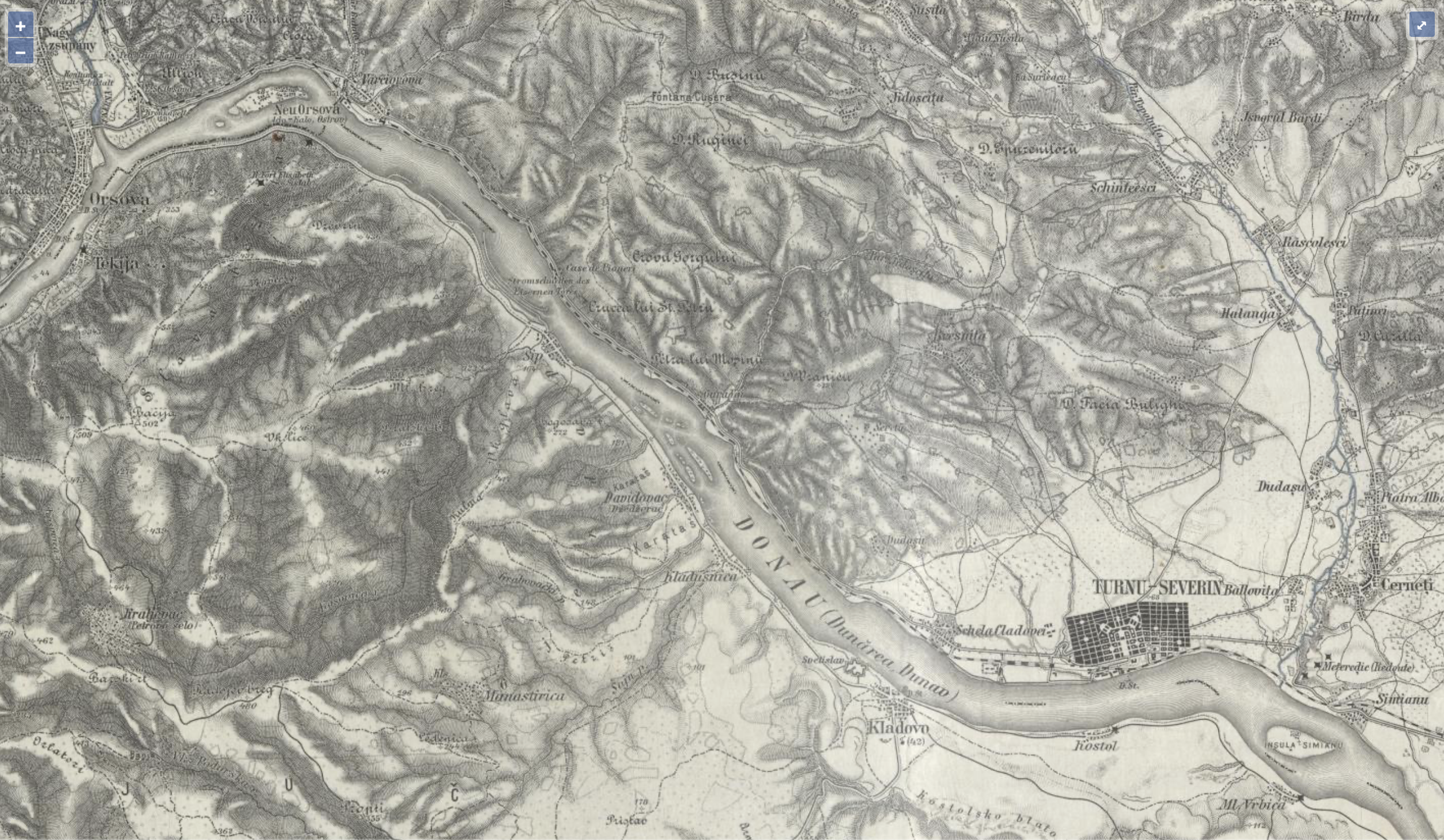
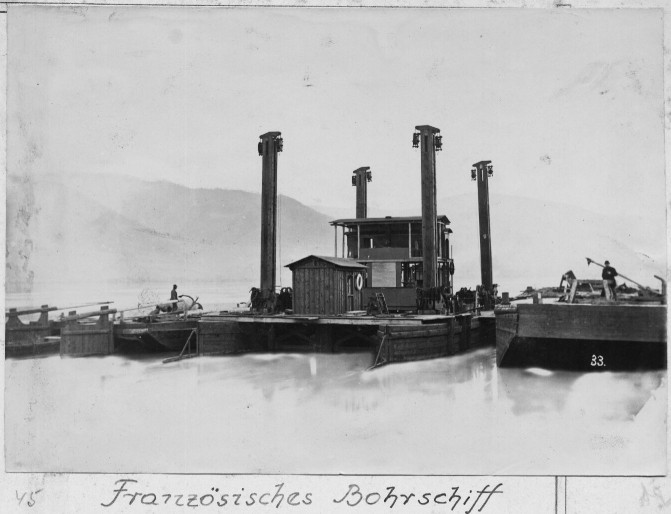
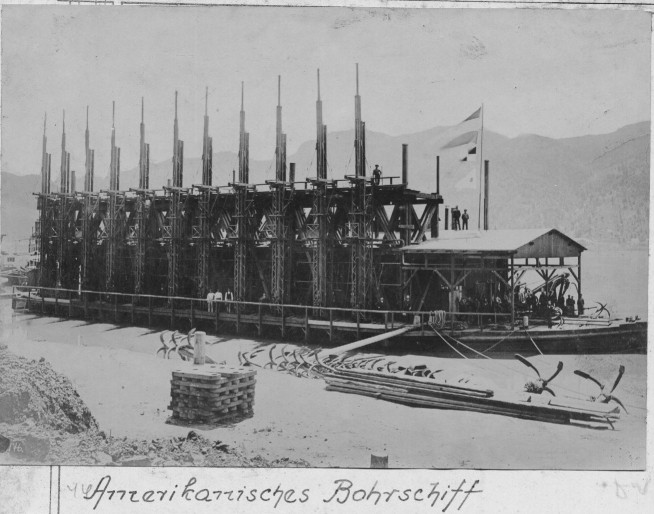
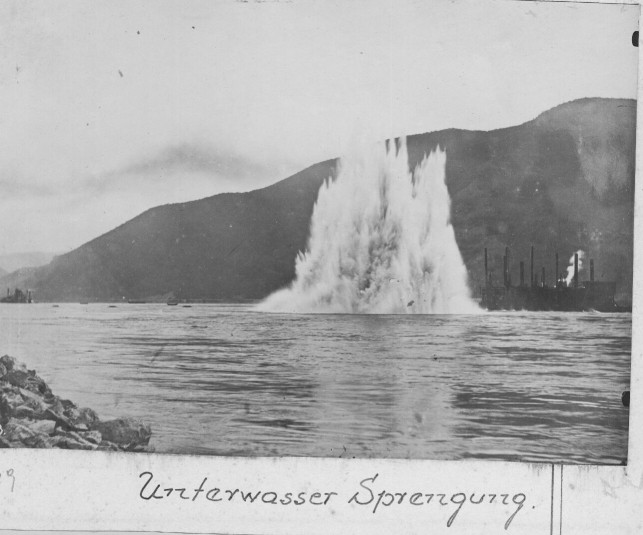
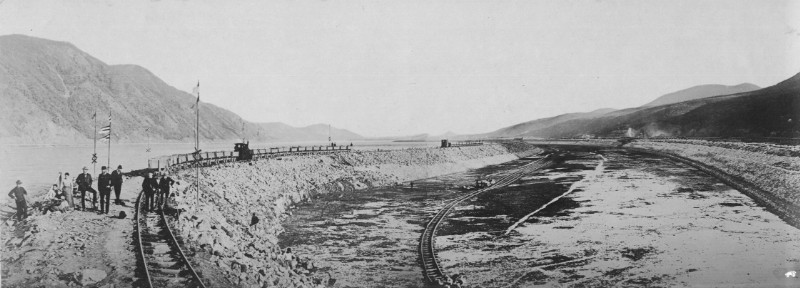
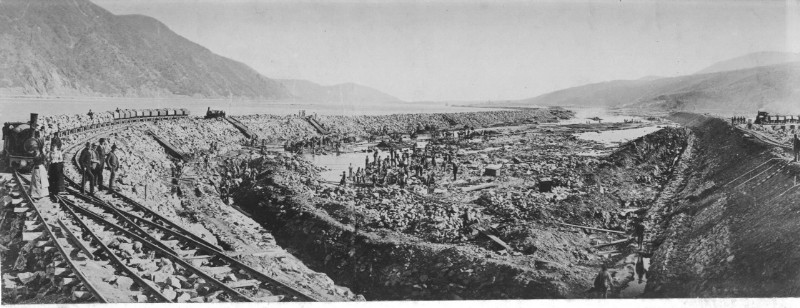
Until the construction of the power stations and reservoirs in the 1970s & 80s, the Gorge created a considerably difficulty to navigate. Attempts by Hungary to deepen channels had occurred in the late C19th by exploding rocks to create channels.
Today, as we left Séverin, we passed by Porțile de Fier. The original rapid water and rocks were drowned (as were villages) by construction in 1970s of a hydro-electric scheme. But they were in my memory from childhood…. Iron Gates on a river sounded very impressive. So today I was able, at last, to see the site…. Very impressive in its own way.
WhatsApp
The riverbed rocks and the associated rapids made the gorge valley an infamous passage for shipping, even for the most seasoned boatmen. During the period of the Ottoman rule, the ships were guided through by the local navigators, familiar with the routes, called kalauz (from Turkish kalavuz, meaning guide, travel leader).
French drilling boat
The somewhat ‘flashier’ American multi-drill rock boring machine
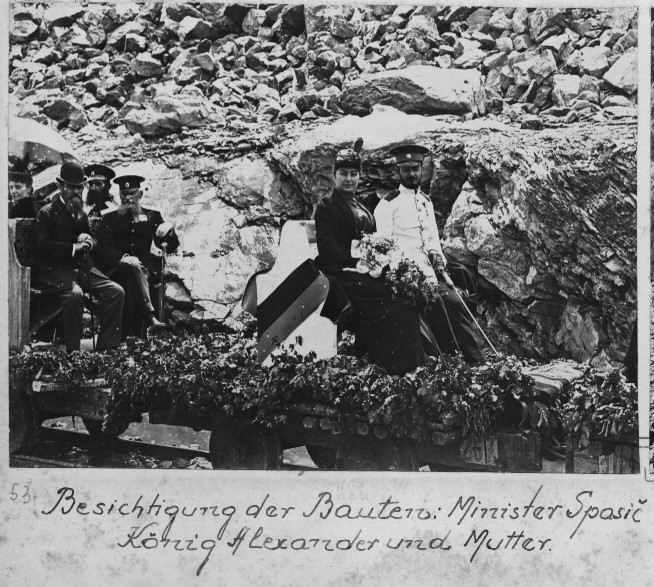
Three Kings visited the inauguration
Austro-Hungarian emperor Franz Joseph (as King of Hungary), the Romanian King Carol I, and the Serbian King Alexander Obrenovich (above)
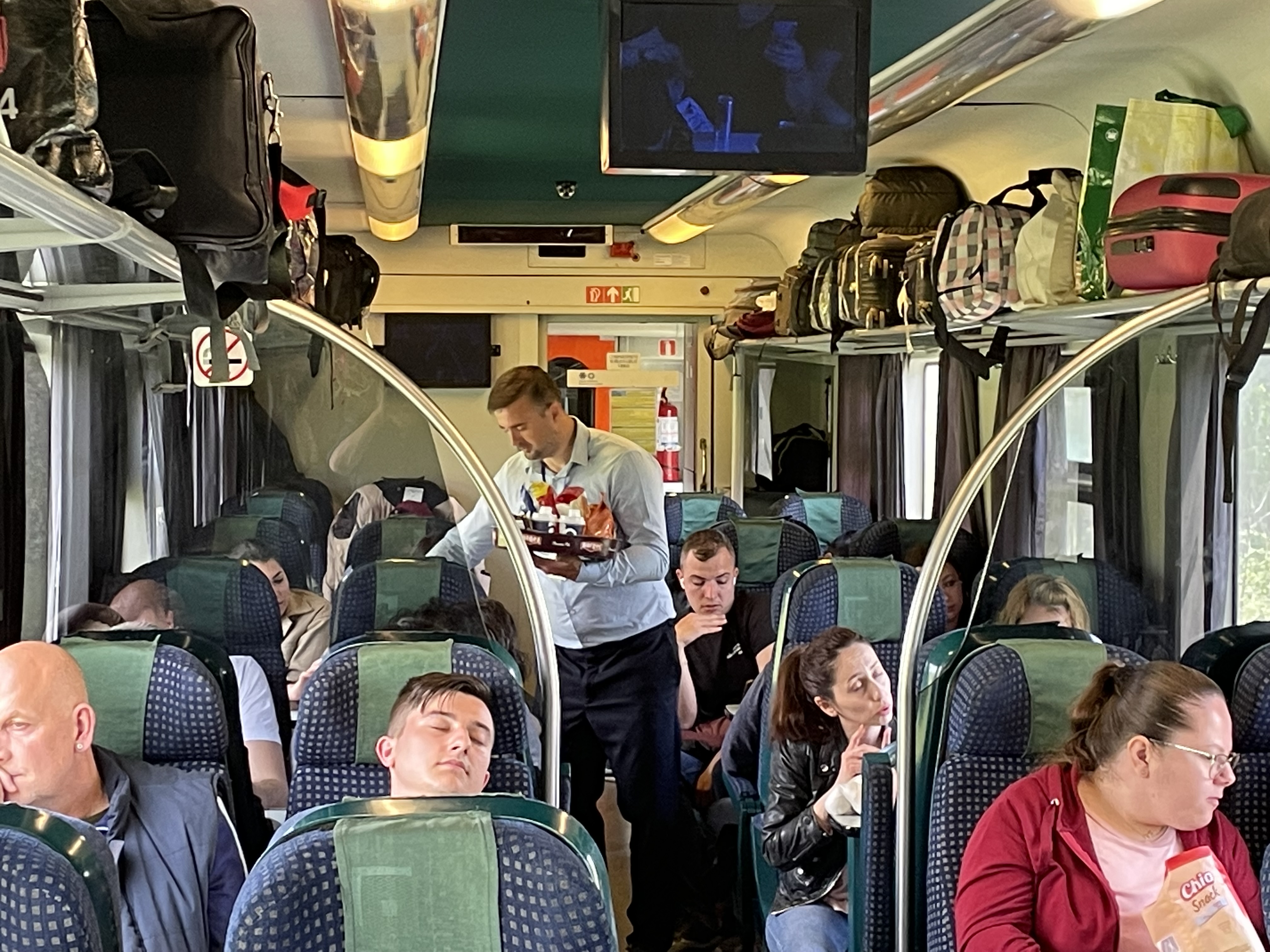
An unusual experience – at seat service provided by the Romanian staff. The only other time this occurred (outside the UK) was on a Danish train during Journey One (though it happens on Finnish trains & in Germany drinks and food can be ordered then delivered). In general the provision of restaurant meals has reduced everywhere in Europe.
Slow – but what does it matter – how do we use time? To get ‘more’ done? What does that mean?
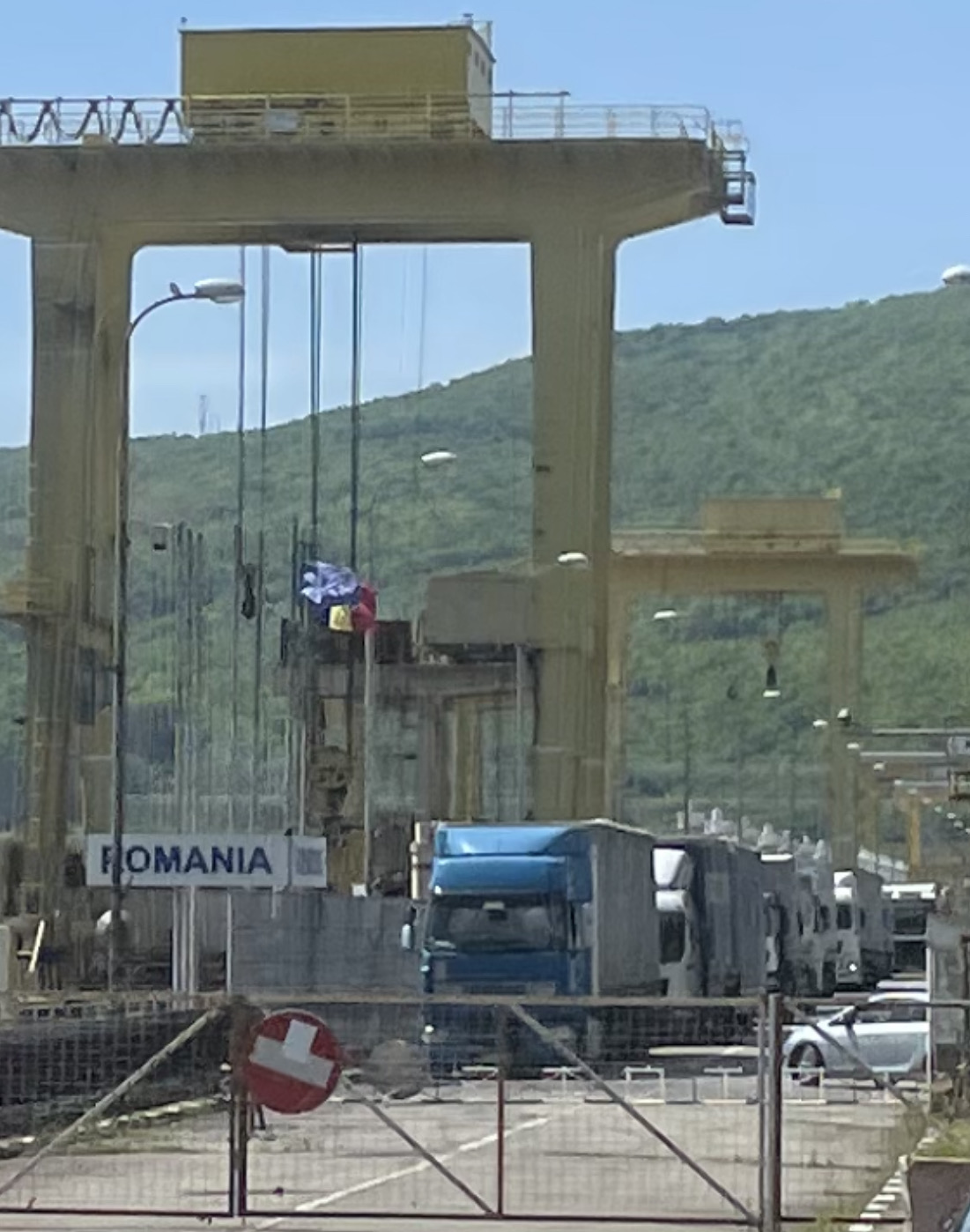
As usual passports required – we passed through here several times – but this was the first time in daylight.
Passports again
Ever onwards…. and thanks to the Romanian staff we were ‘well fed & watered’. They had been on duty since before 05.30 (EET) in the morning & and continued for the whole journey. Arrival in Budapest was at 20.58 (21.58 EET)
A long day on a train of varying speed, now we are crossing the Great Hungarian Plain. The train is advertised in Hungary as Inter-City with restaurant. Not so! Fortunately the Romanian bar, which has been operating since 05.40 this morning is still ‘alive and kicking’ (it’s now 20.07 EET)… so we have toasted ham and cheese and good Recas wine.









 Inspirational Pathways