10th – 11th April Vienna
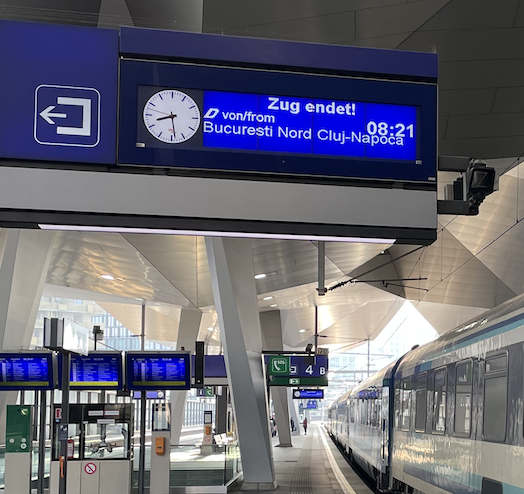
Early morning Return to Vienna
The reason I’ve never been interested………
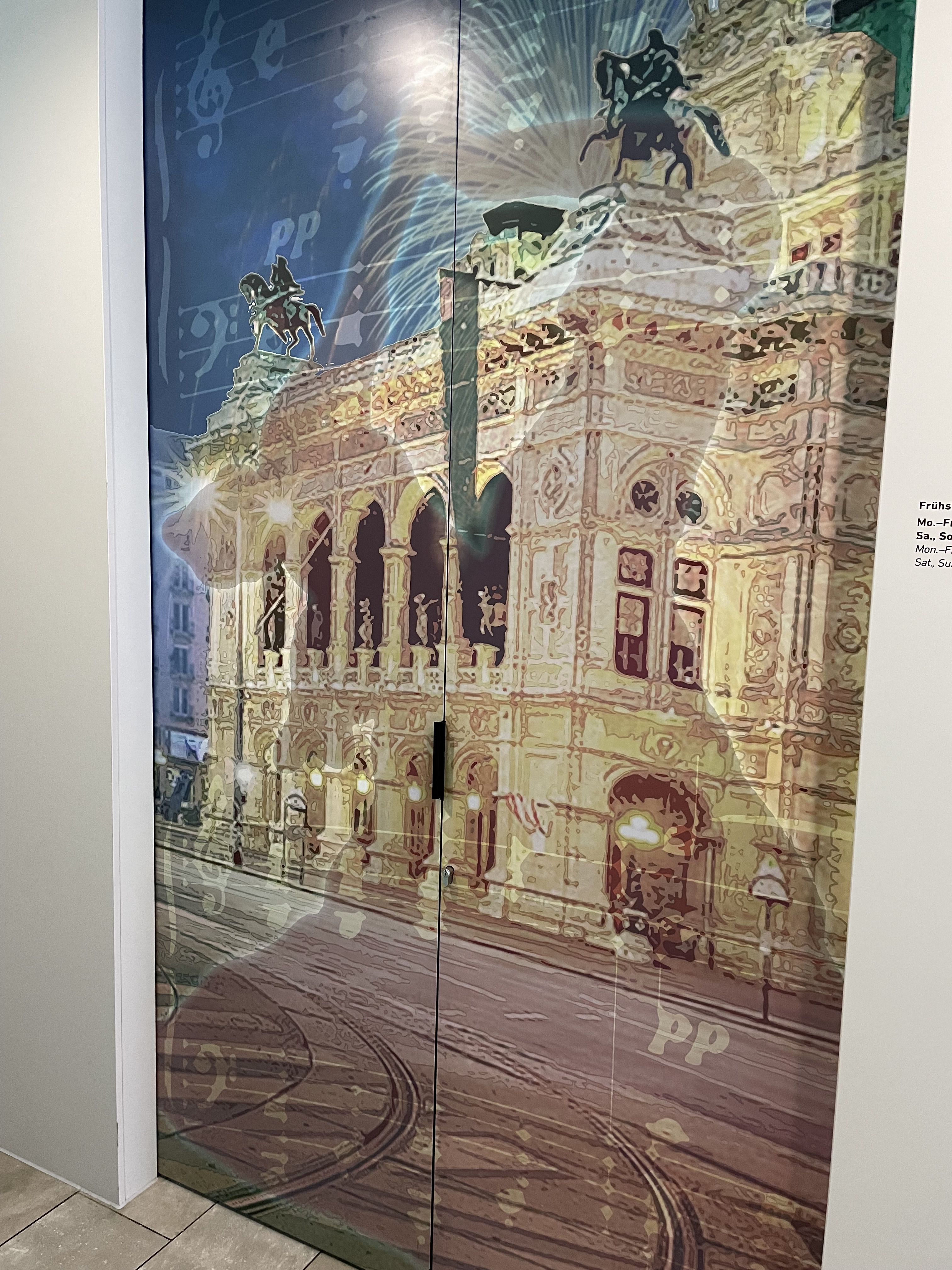
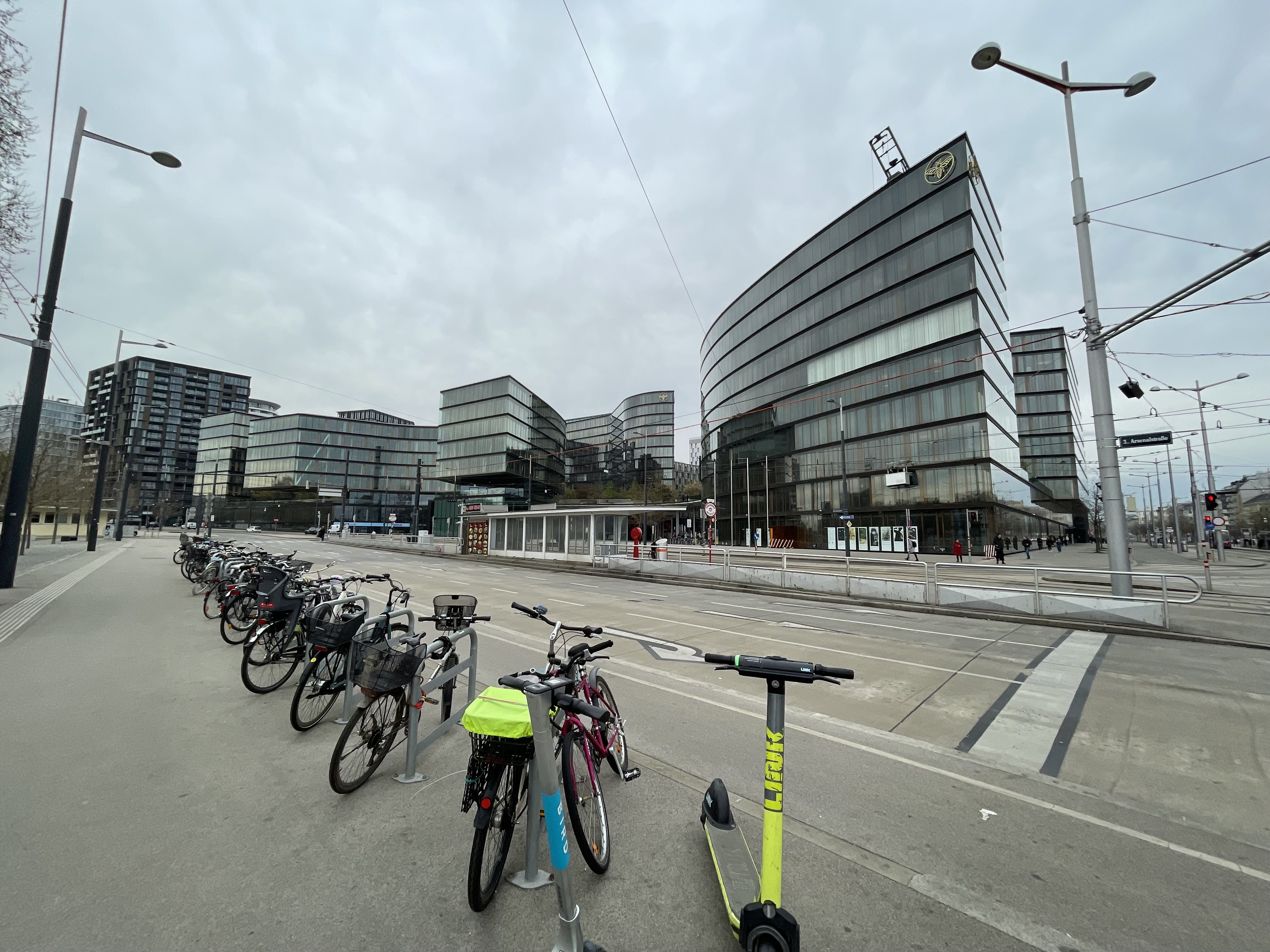
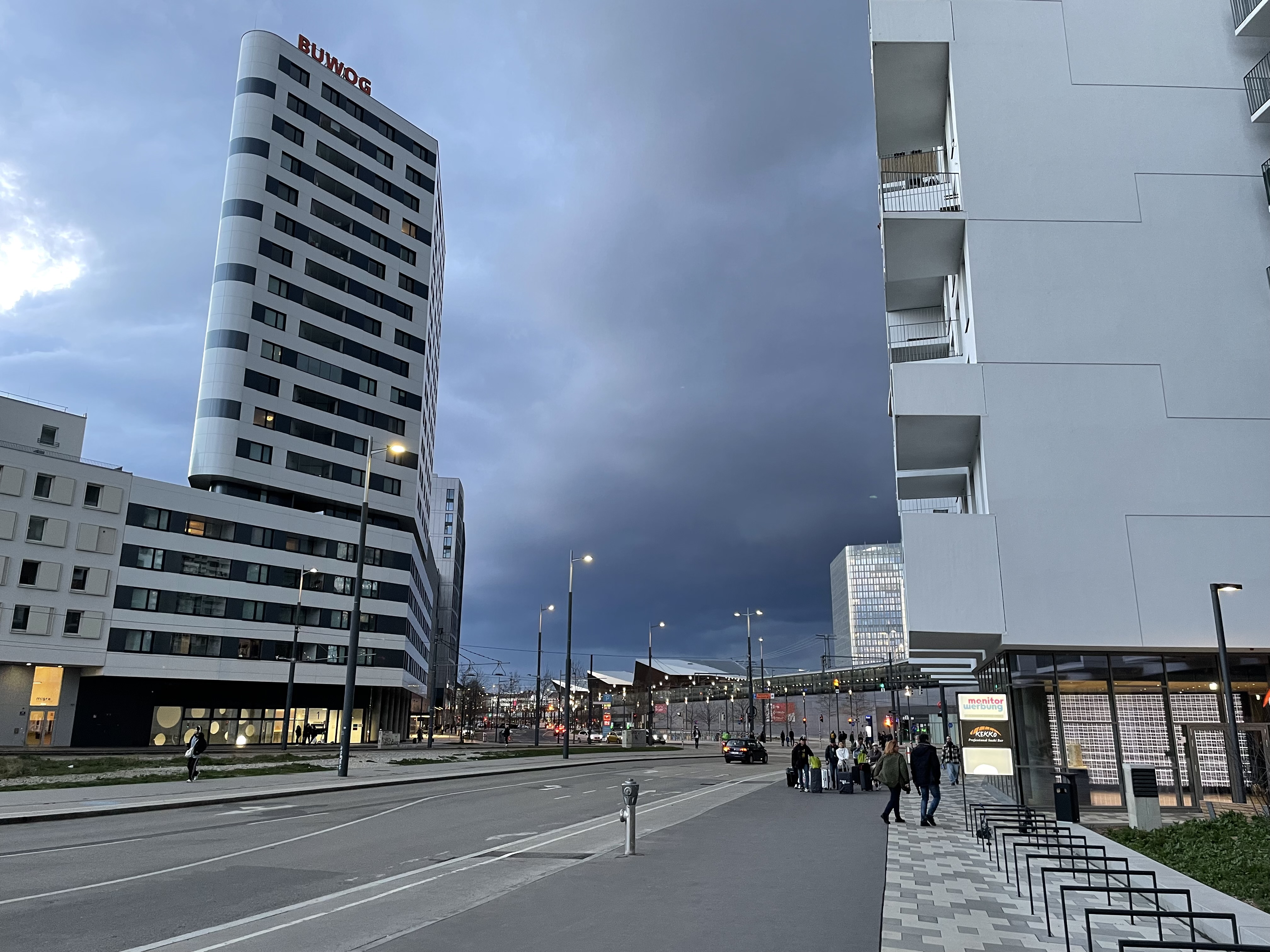
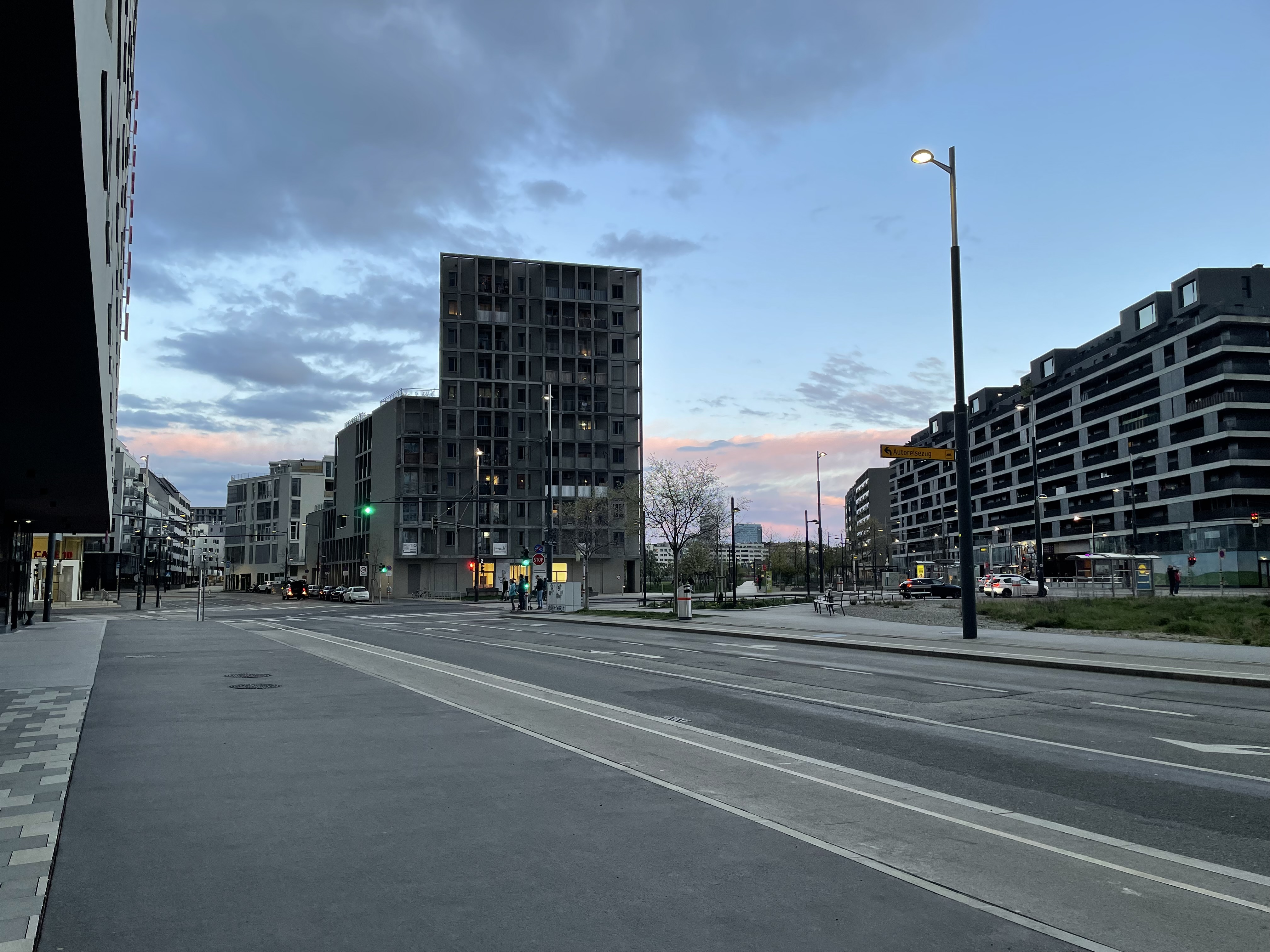
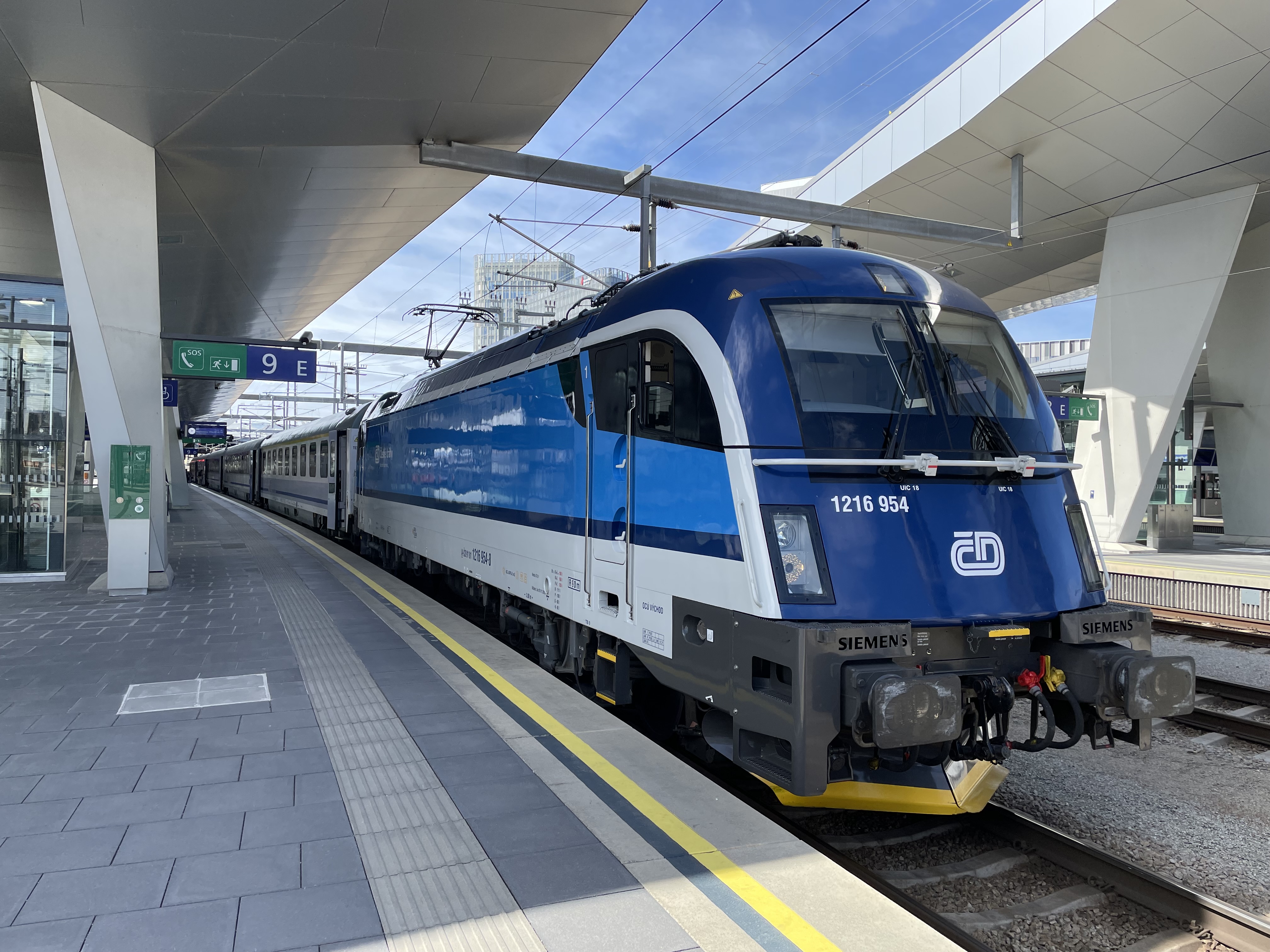

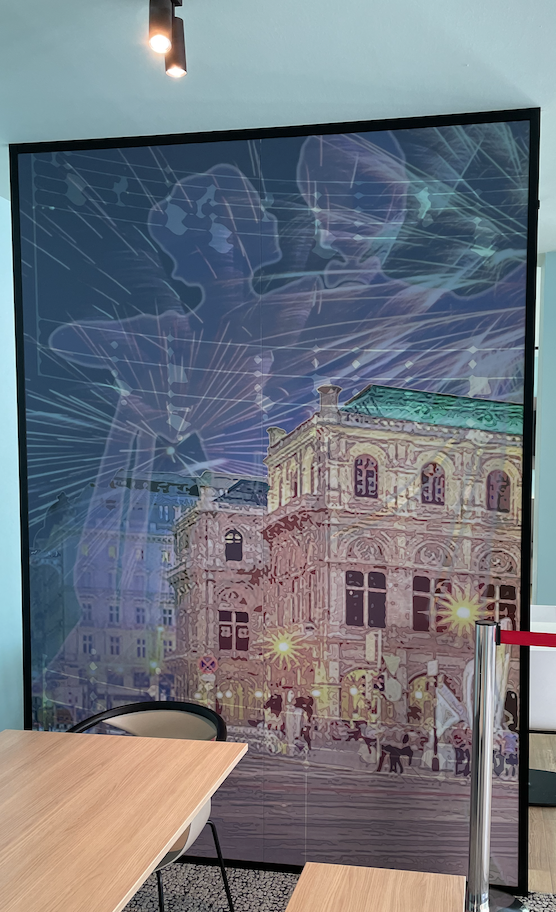
Delights of Old Vienna: on the multi-lane inner orbital road opposite part of the vast redeveloped, high rise Hauptbanhof area of Vienna. A corner restaurant serving foods that naturally reflect the older unified multi-national Austria. So I will be eating a Eastern Bohemian meat loaf plus, possibly, Emperor’s pancake.
Before being dismembered after WW1, Austria was a complex mix of nations….
WhatsApp
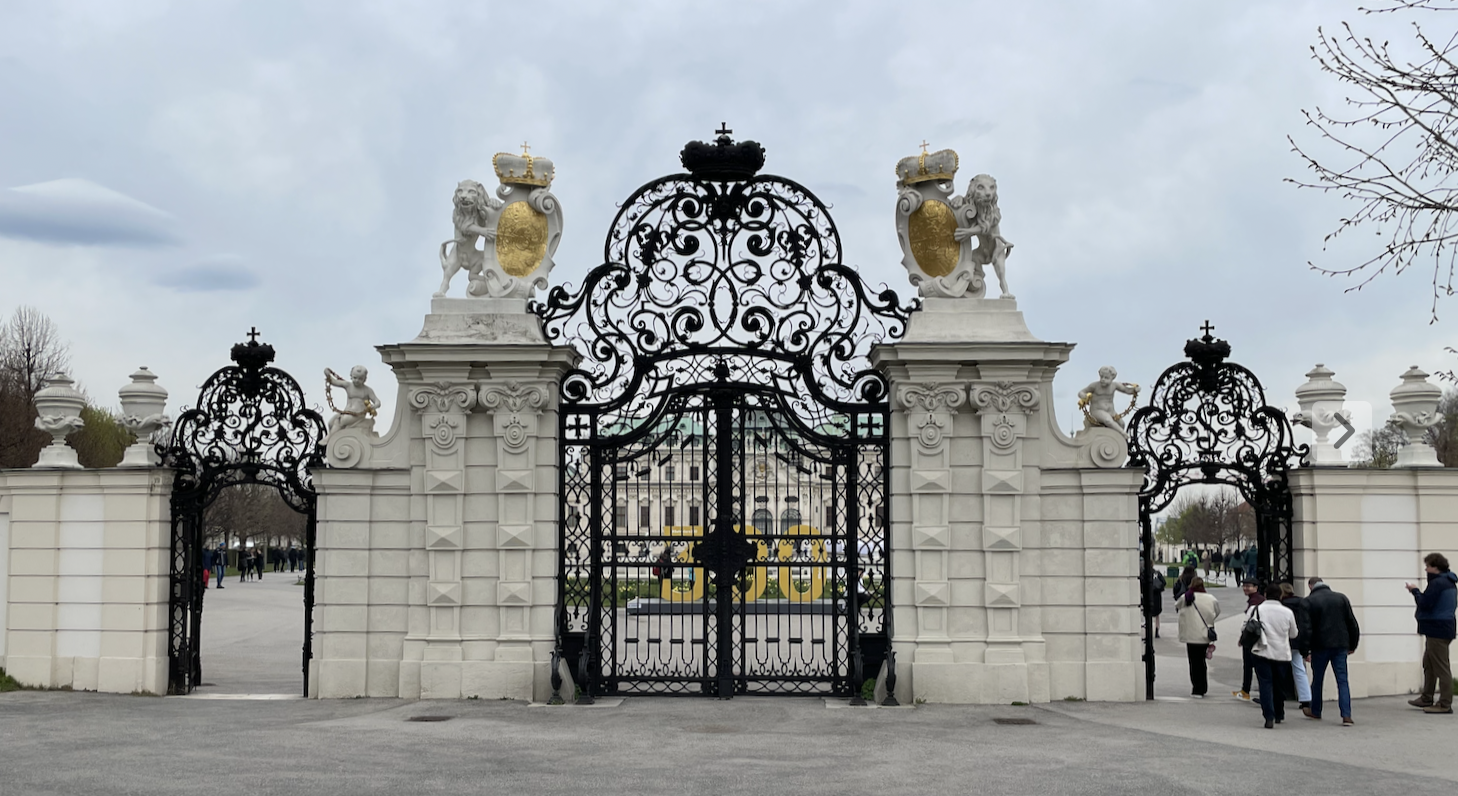
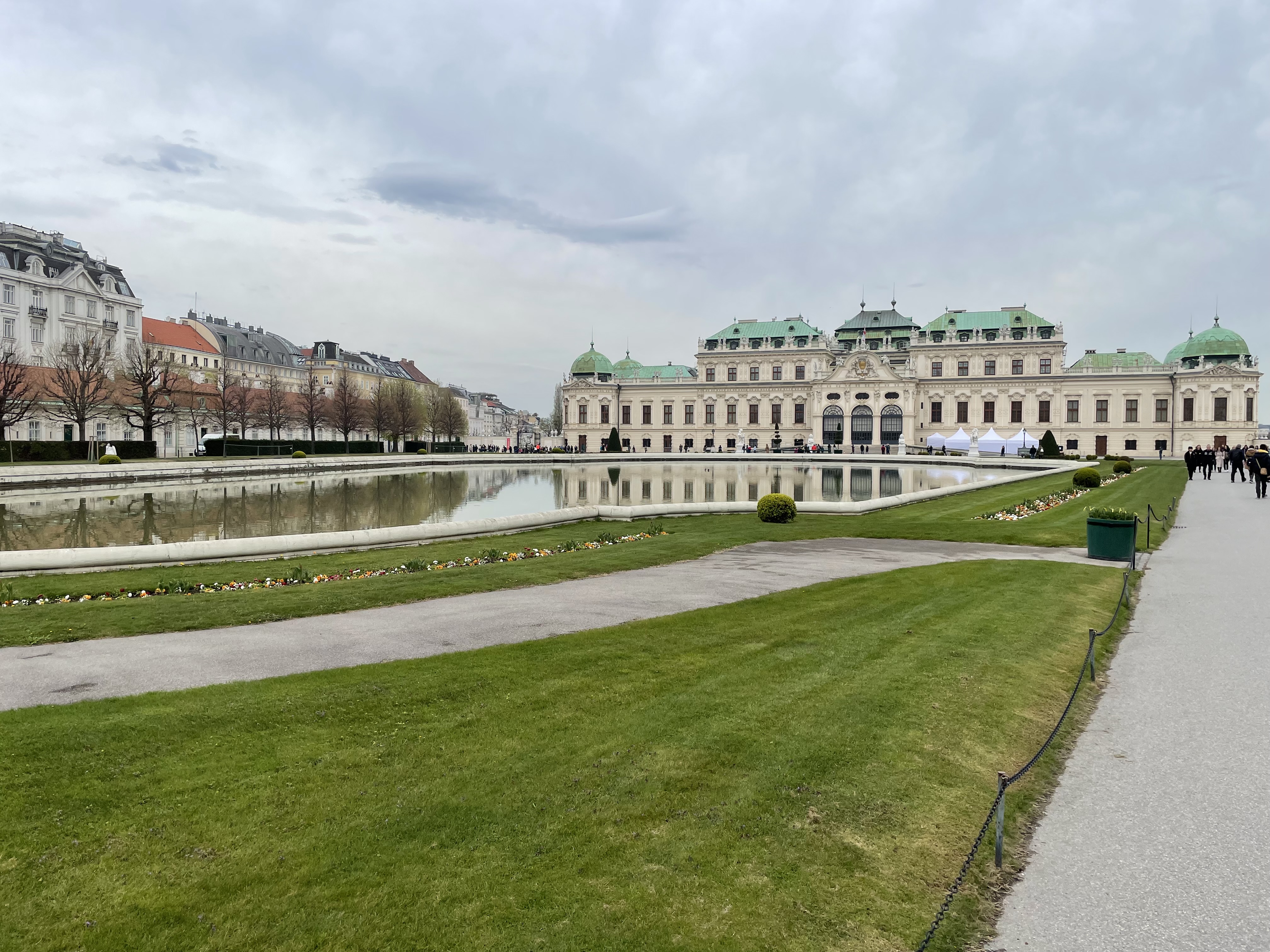
The Belvedere: home to one of Austria’s most significant personalities. Now an Art Gallery
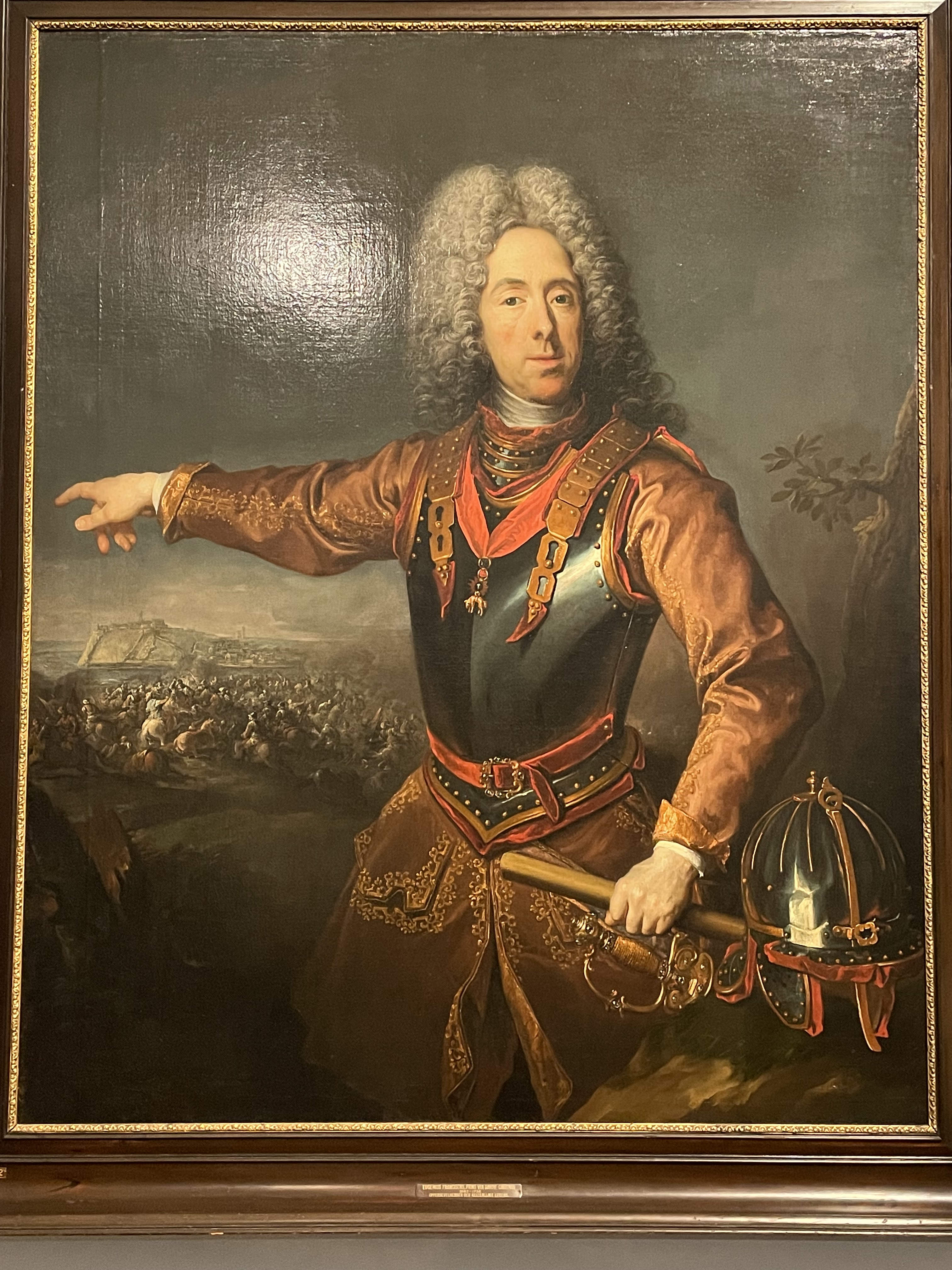
Prince Eugene Francis of Savoy-Carignano
Pictured at the end of the Battle of Belgrade 1717
Prince Eugene was a highly successful military commander. He formed a close partnership with the British General John Churchill, 1st Duke of Marlborough, (also 1st Prince of Mindelheim, 1st Count of Nellenburg & Prince of the Holy Roman Empire!) providing significant advice & tactical support.
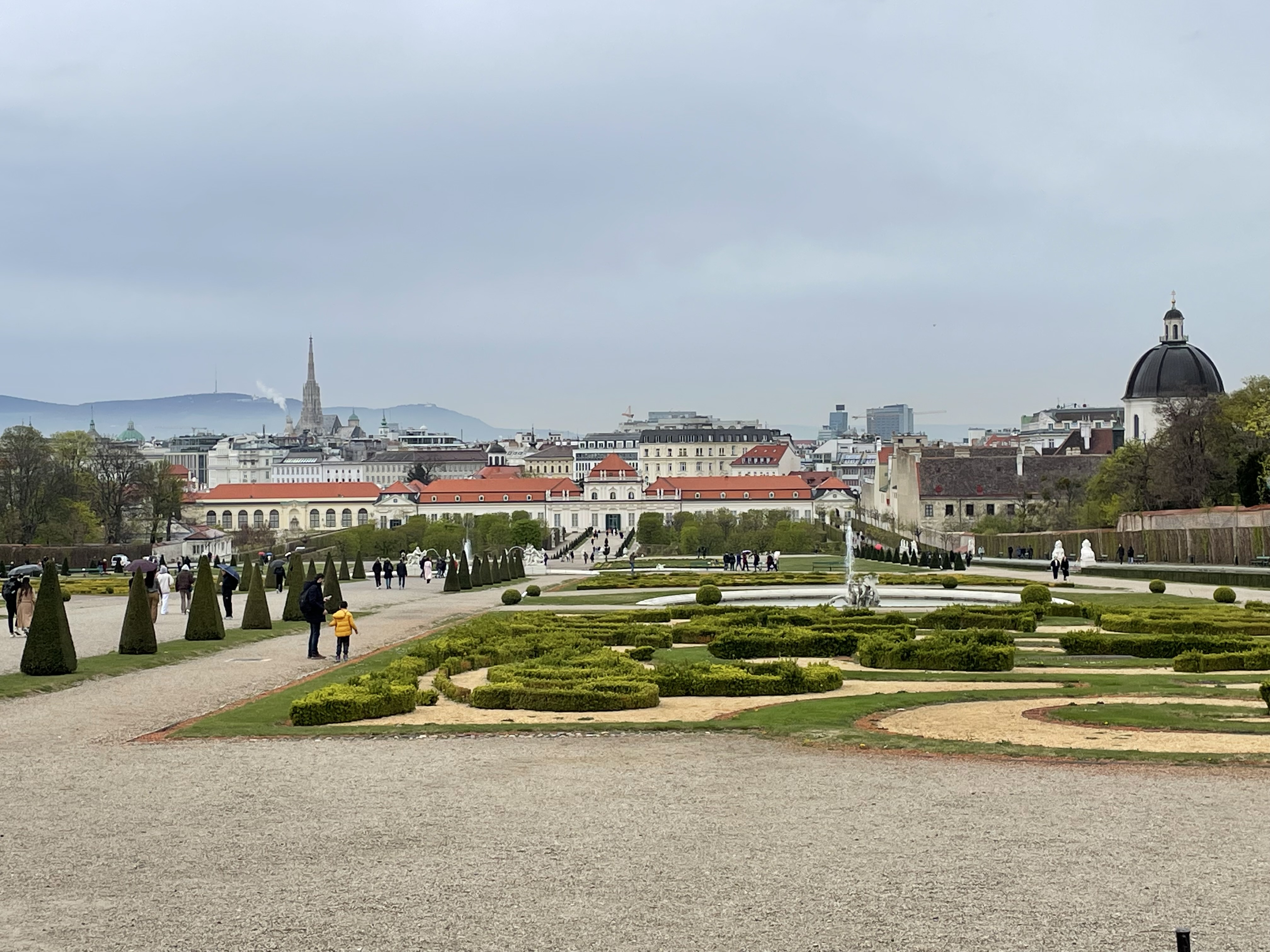
Prince Eugene was also a patron of the arts – appropriate therefore that his house, The Belvedere, is an internationally important Art Gallery.
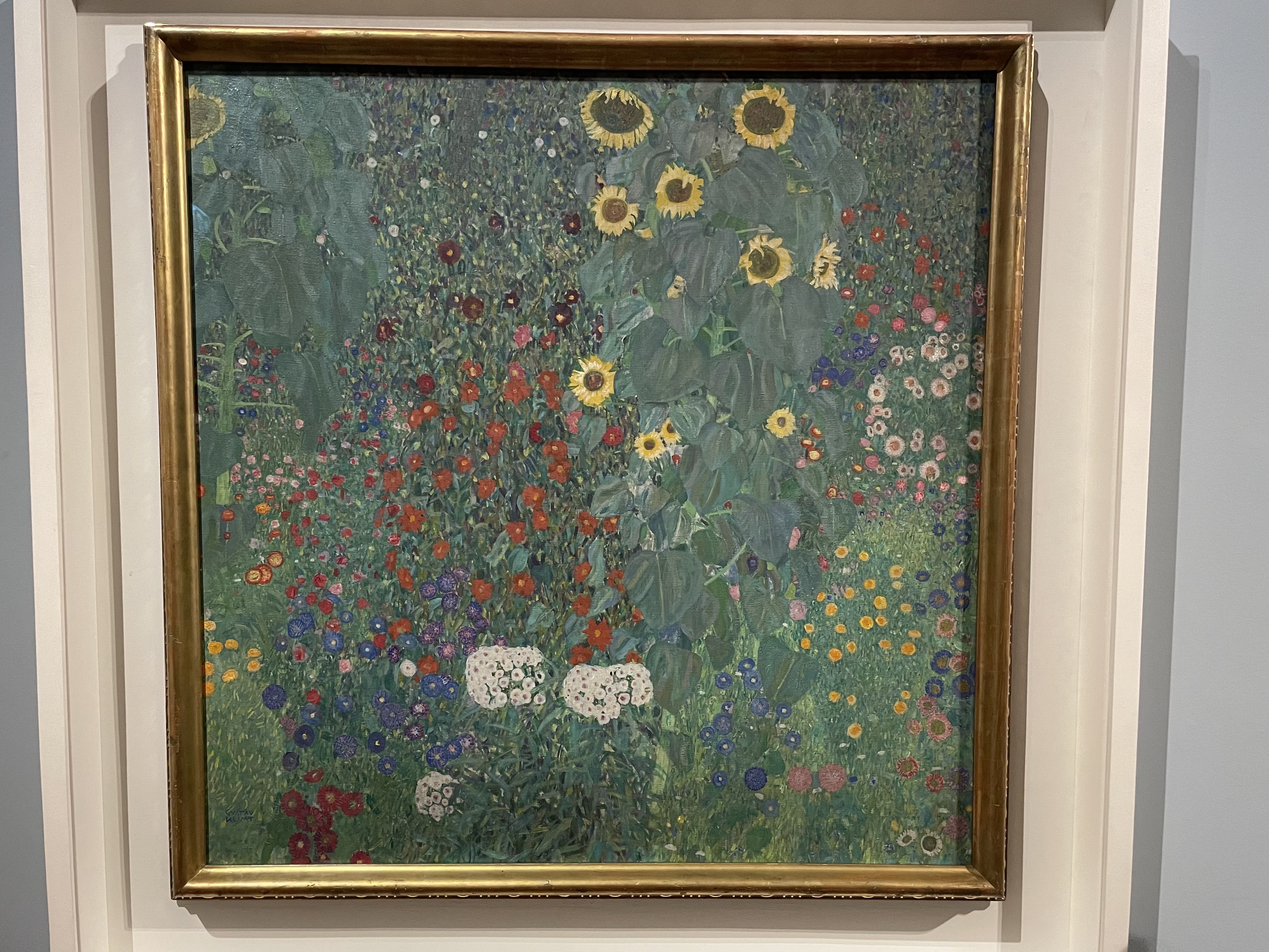
Our purpose was to view artworks by Klimt. Fortunately most people seemed to want to view one specific piece. Other pictures in the collection were comparatively easily viewed, requiring only a little patience.

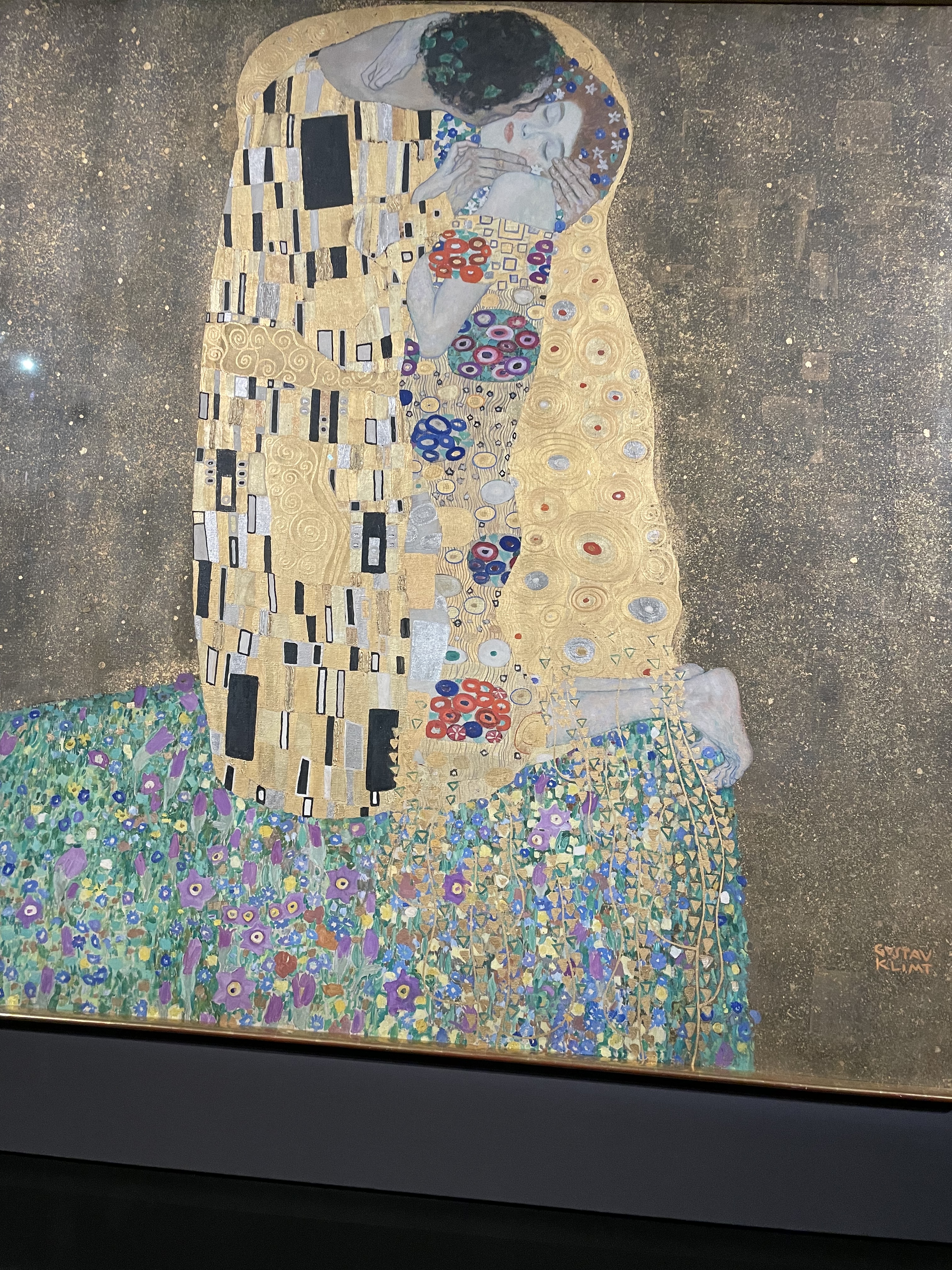
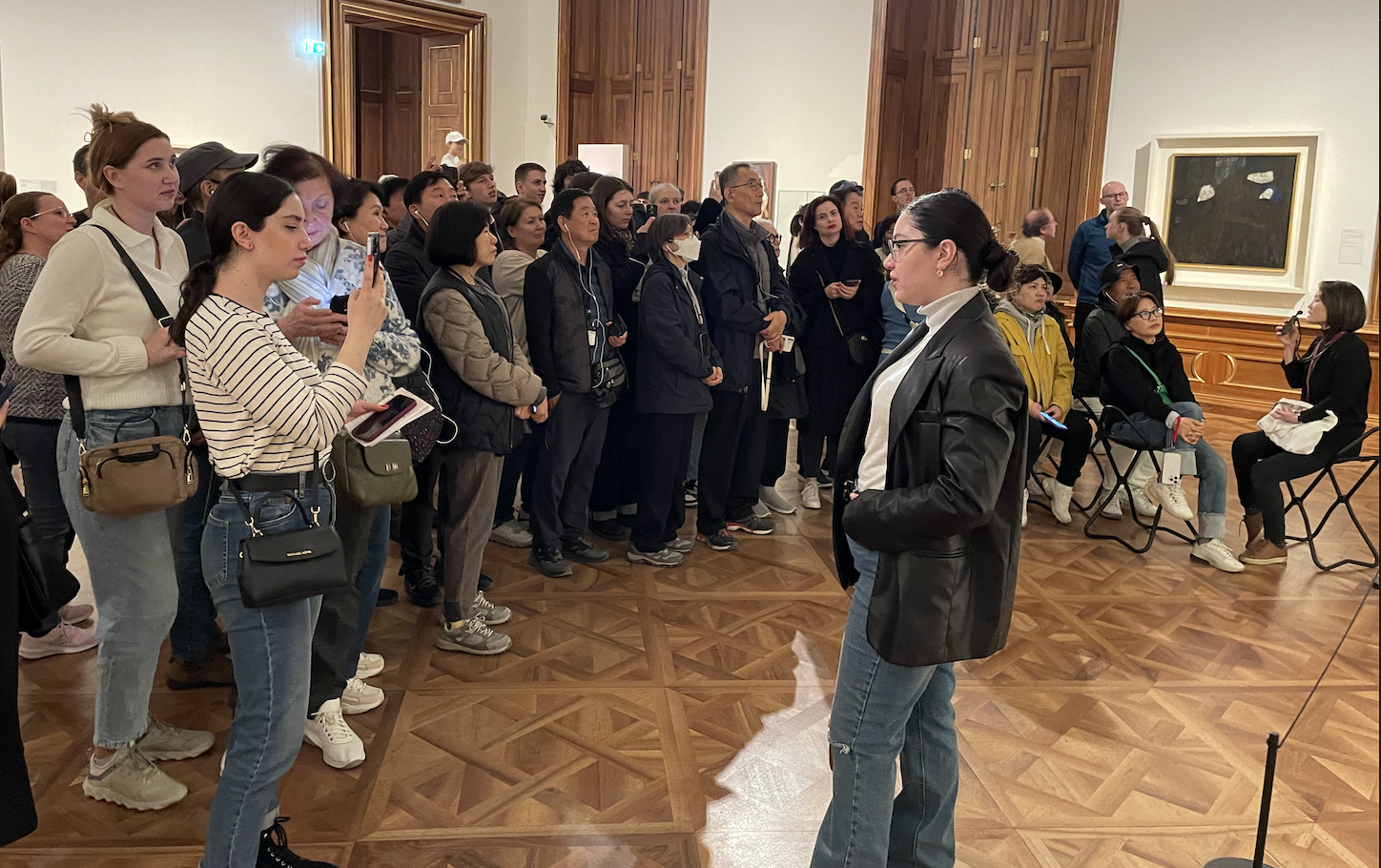
Viewing was apparently difficult due to the crowd – but they were all standing in an informal arc created by someone lecturing a group of tourists. By ignoring the arc of people, access & proximity were easily achieved.
For several it seemed that taking ‘selfies’ in front of the picture was more important than viewing the picture itself.
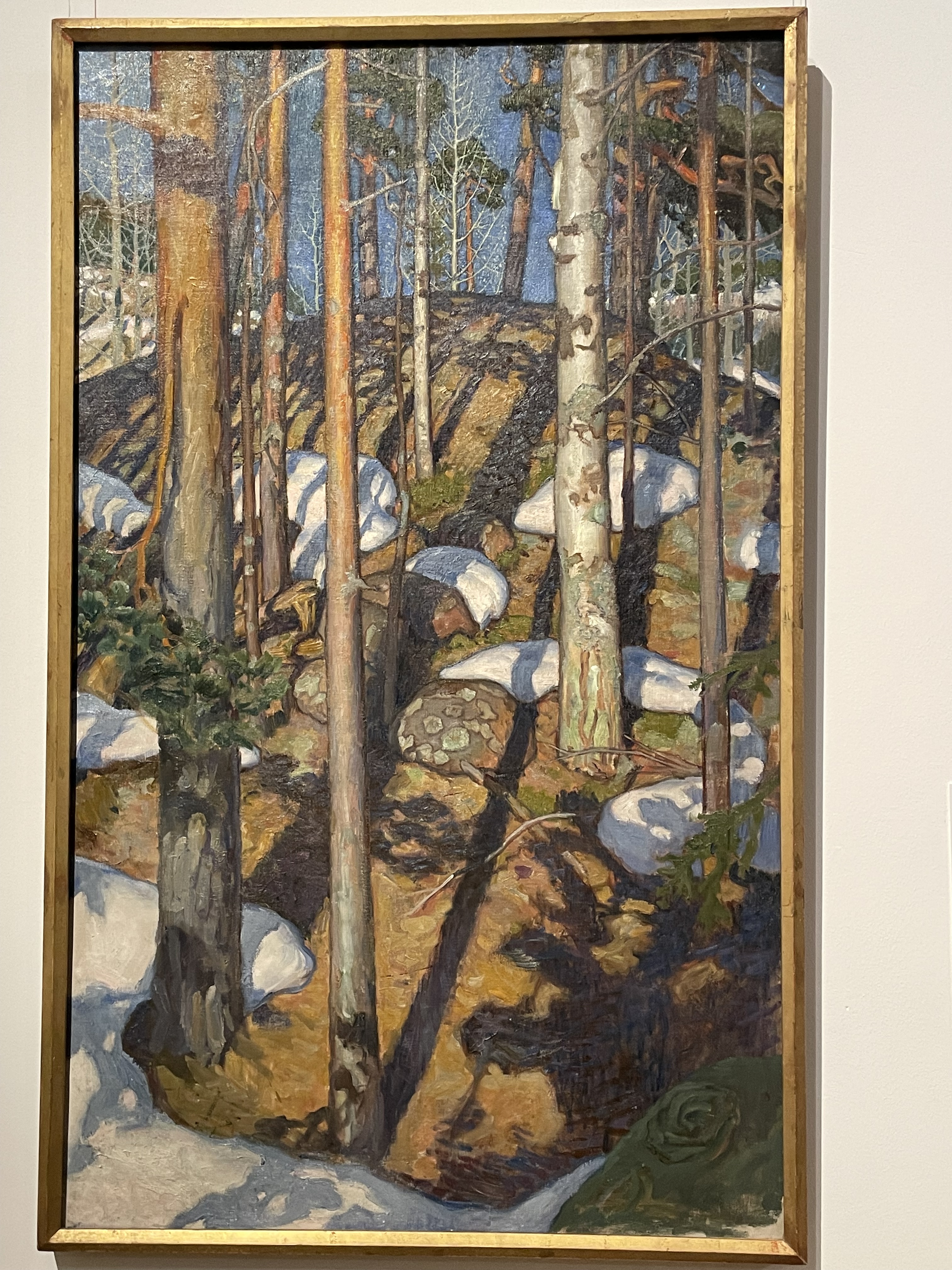
Our attention was drawn to this as we could immediately relate to its subject…. Our first Journey having been through that landscape.
The artist was also worthy of note, sartorially.
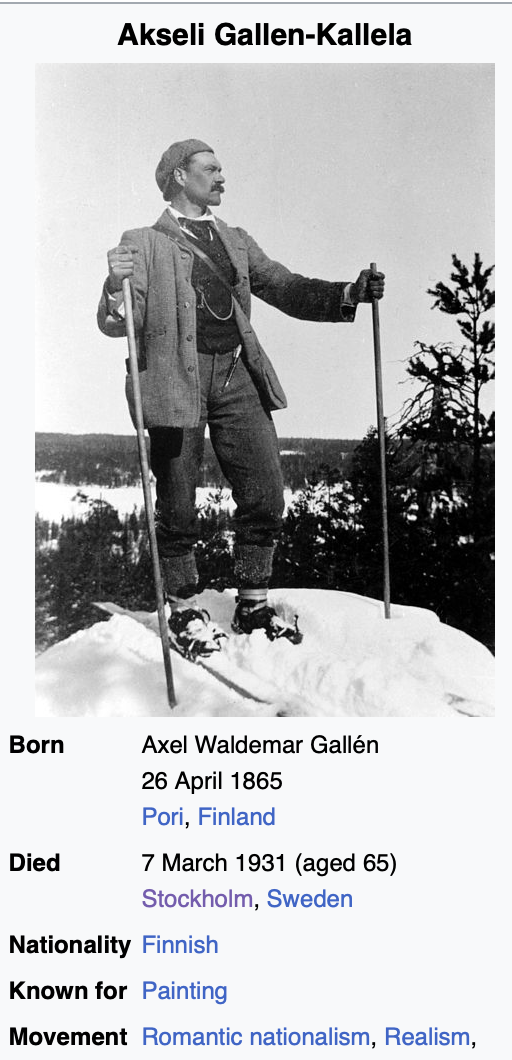
As well as being the most significant painter of the Kalevala, the Finnish National Epic, he was man who clearly knew how to dress well for the Outdoor Life
We are on a Railways Tour therefore were immediately drawn to the following picture
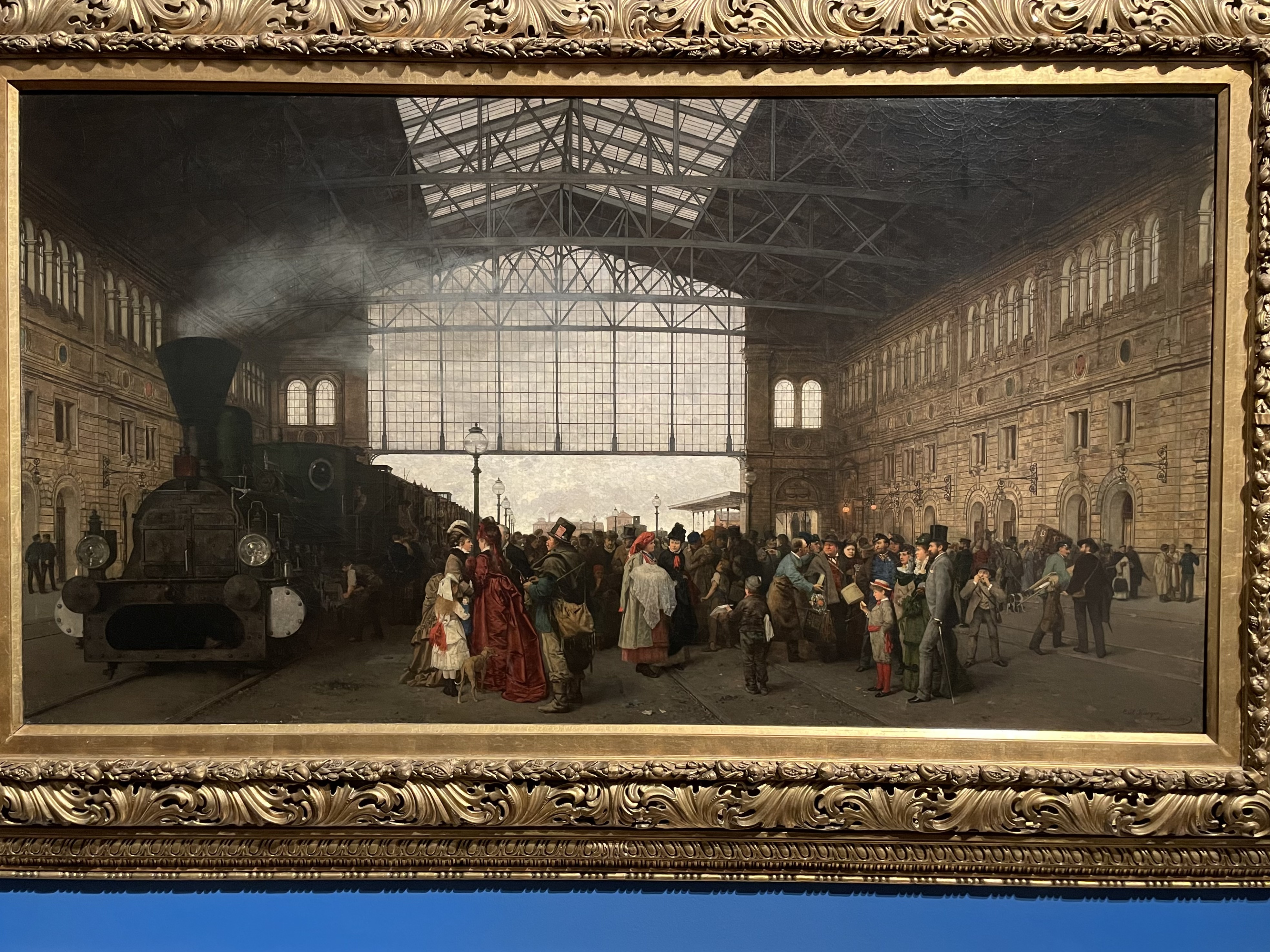
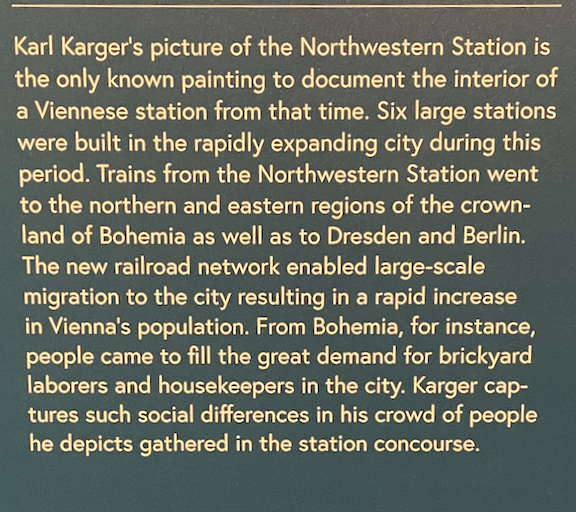
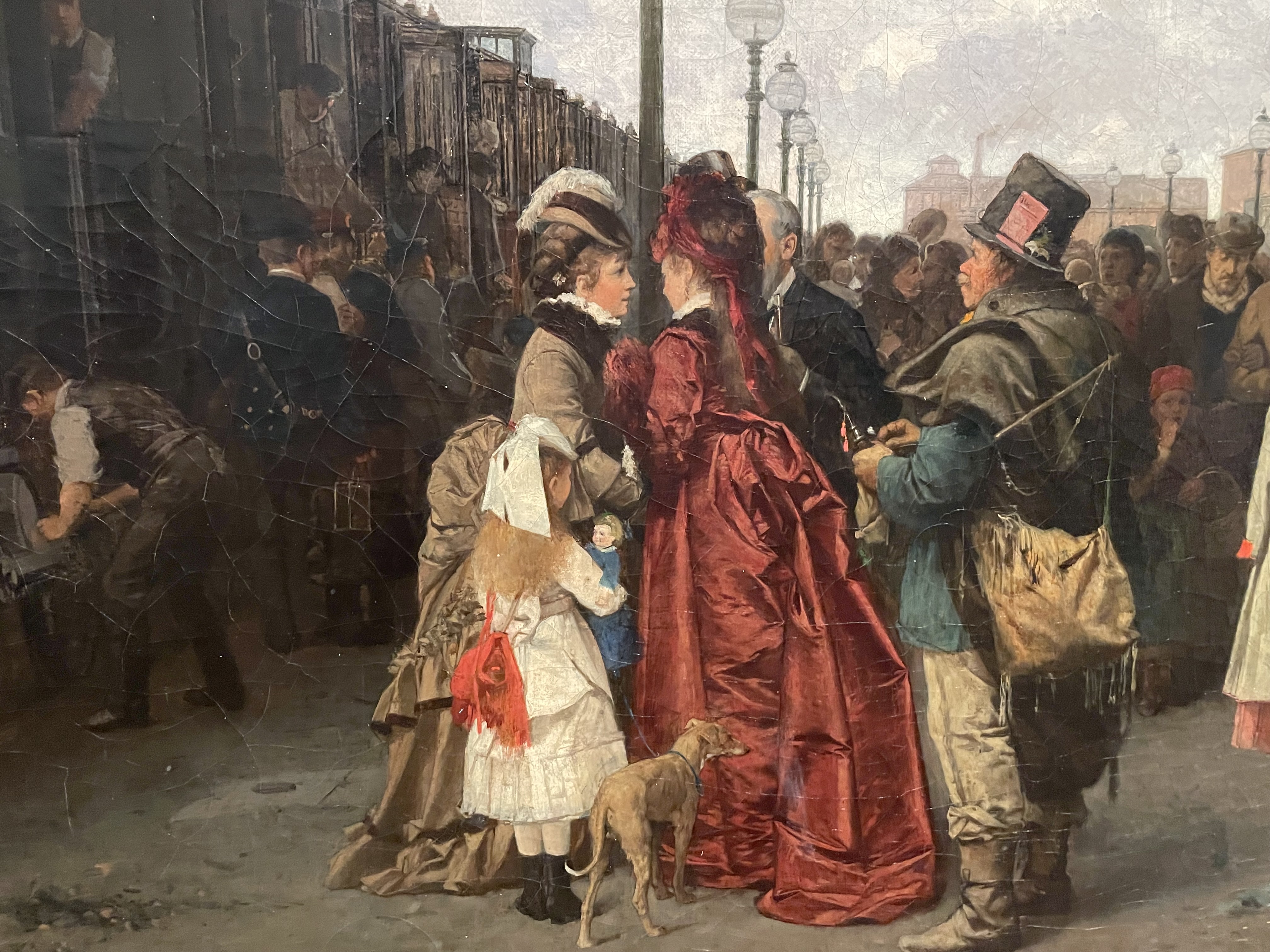
Urban societies need a regular flow of ‘immigrants’ as such societies are dynamic and constantly create new social and commercial activities. These then require their own servicing and support – which cannot usually be satisfied from the existing workforce. The pattern repeats & continues.
I found that the camera was better able to see detail than the naked eye
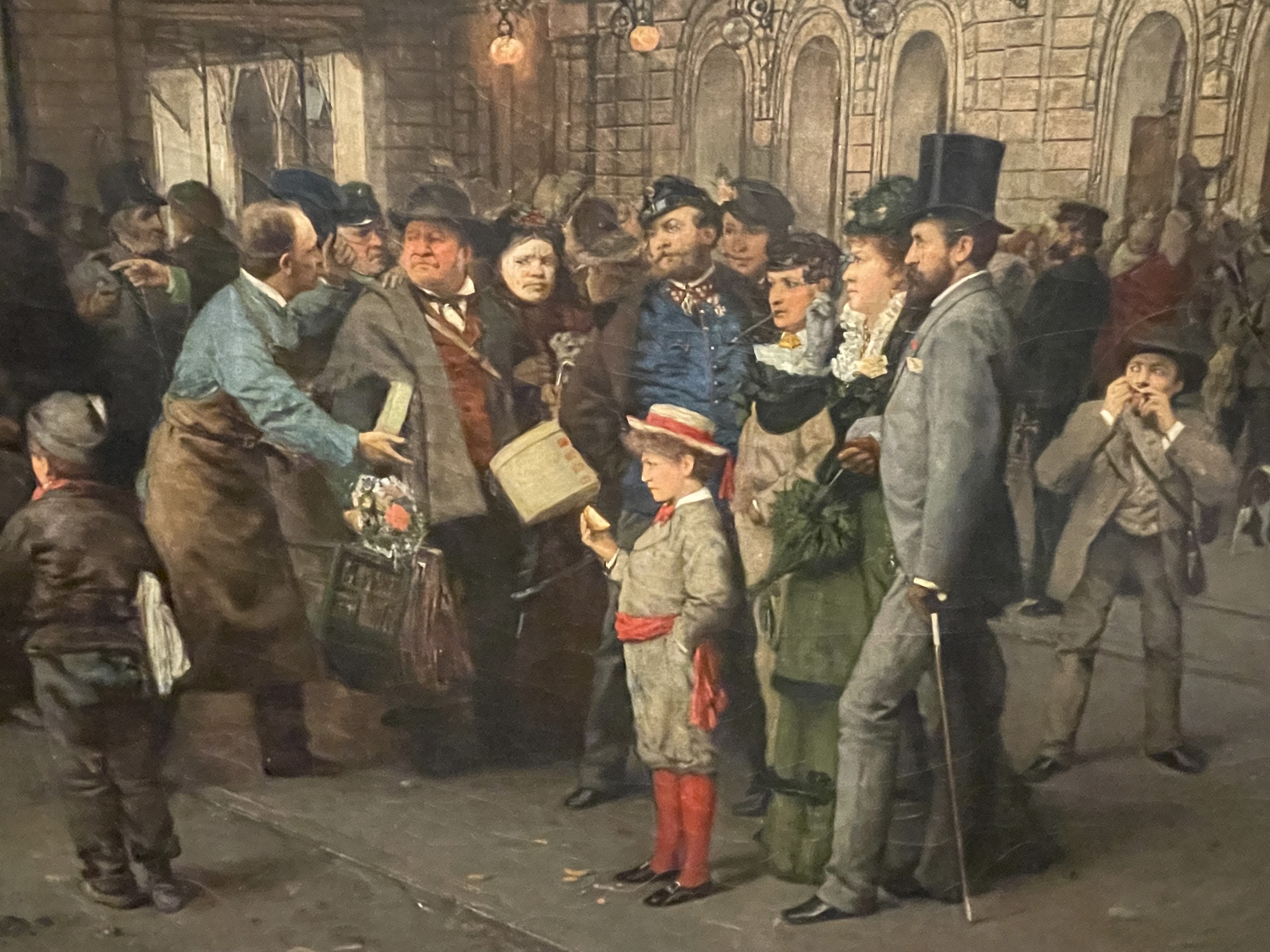
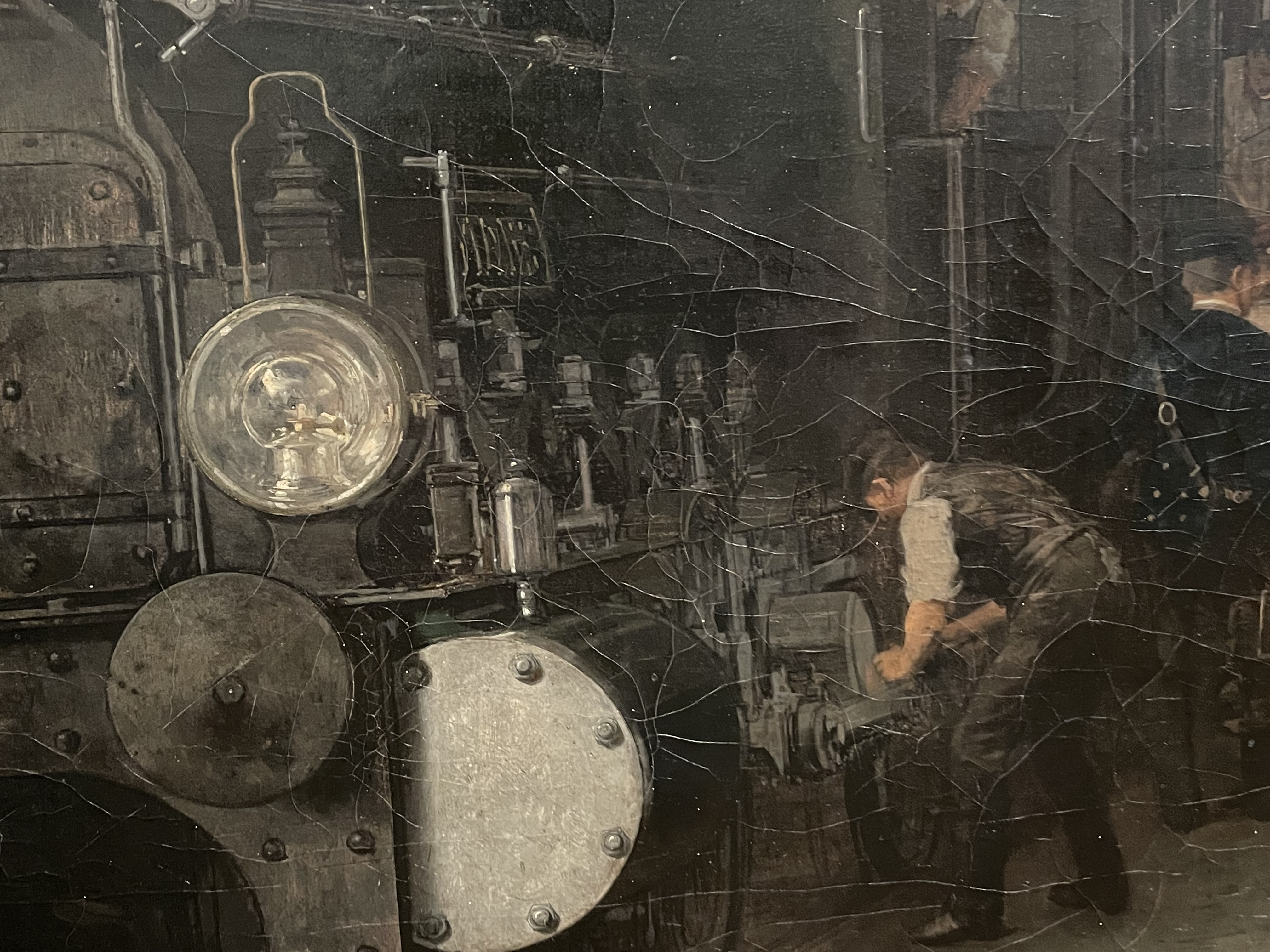
The picture is large……When photographing the following image I became too close to the original for the comfort of the attendant.
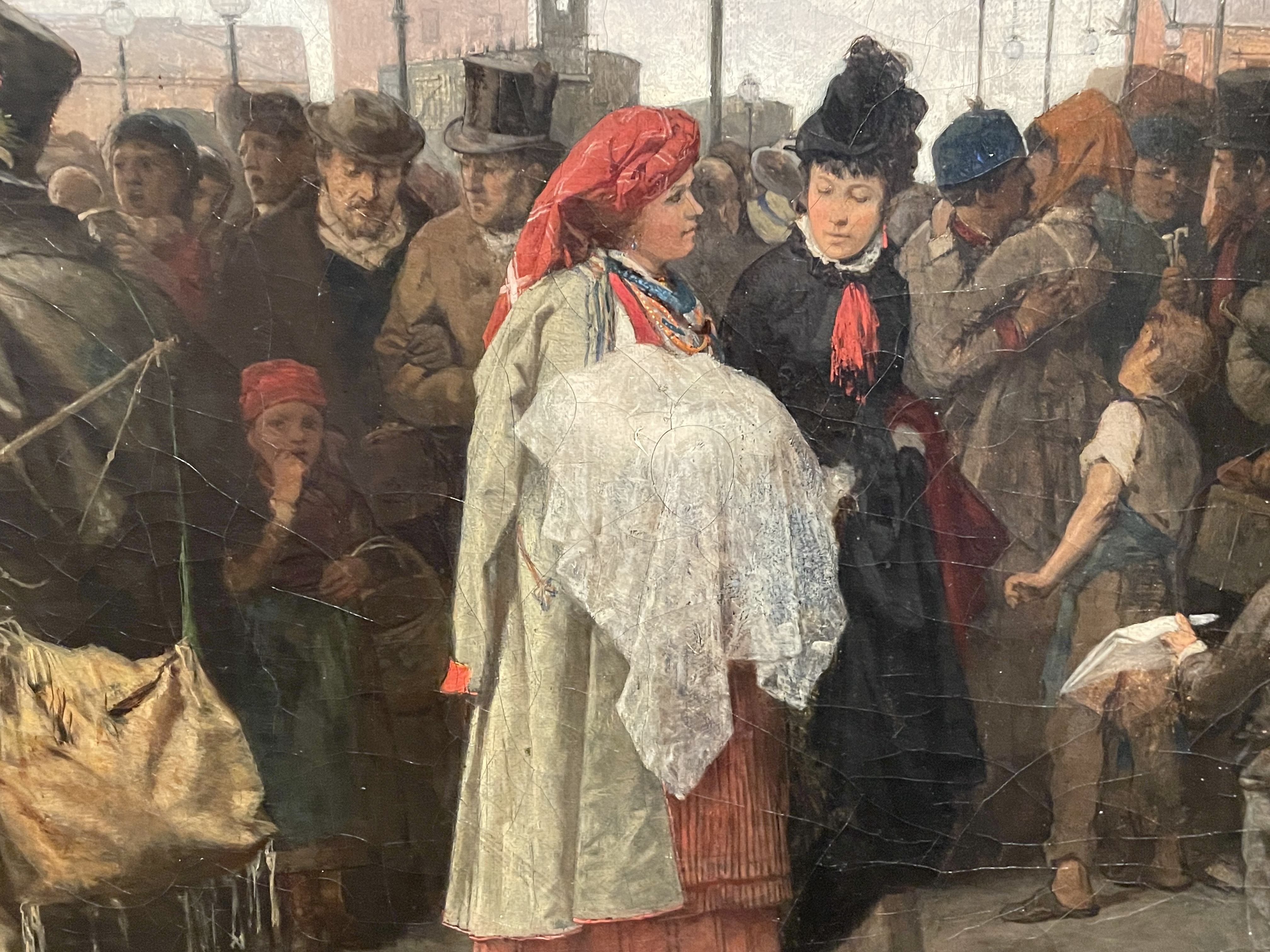
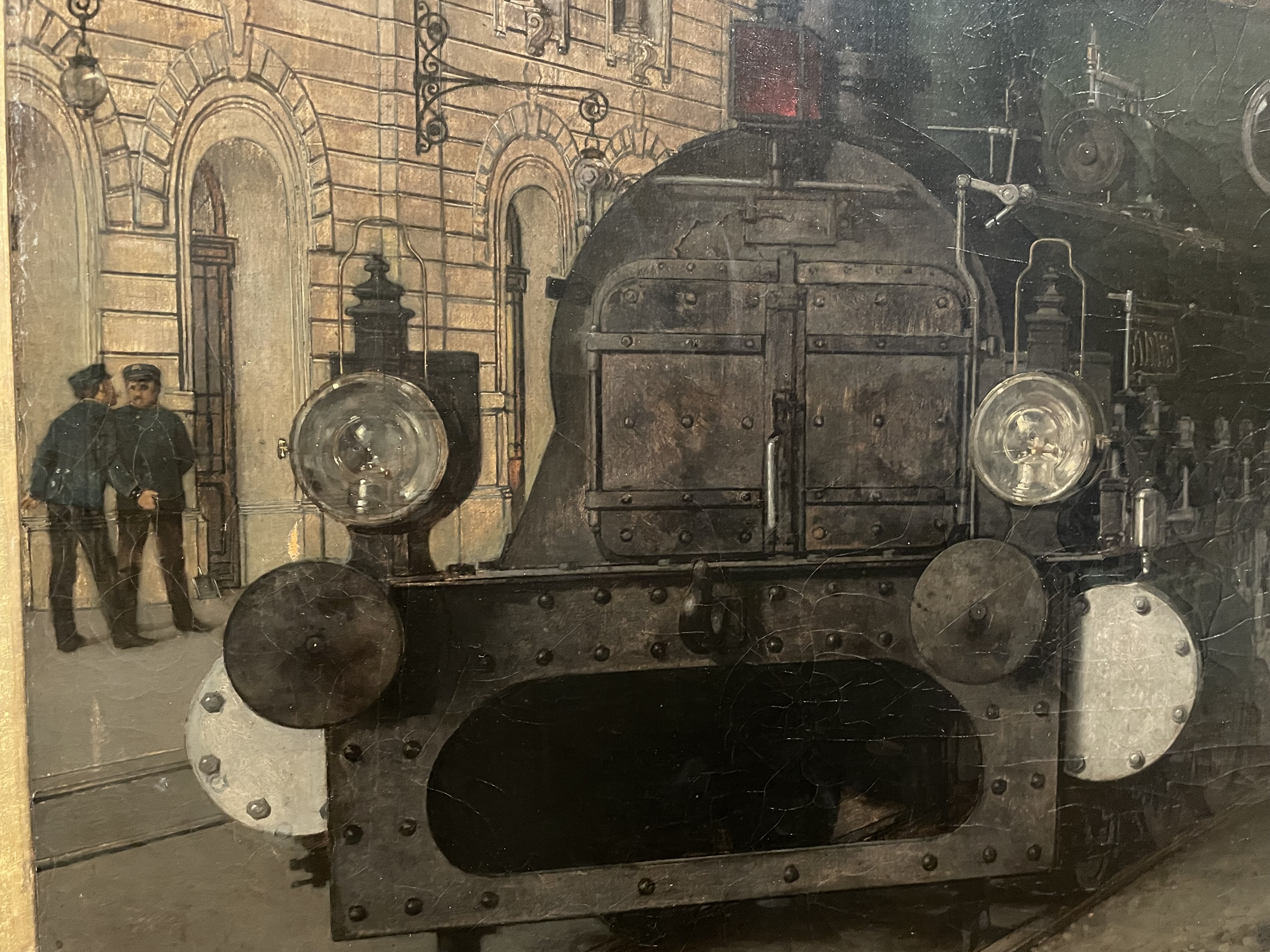
As I told her what the camera was achieving and showed her the results (seen in all this selection, she was very surprised, saying she’d never before been able to see the detail (in this case, the details of people leaving the train. behind the main figures).
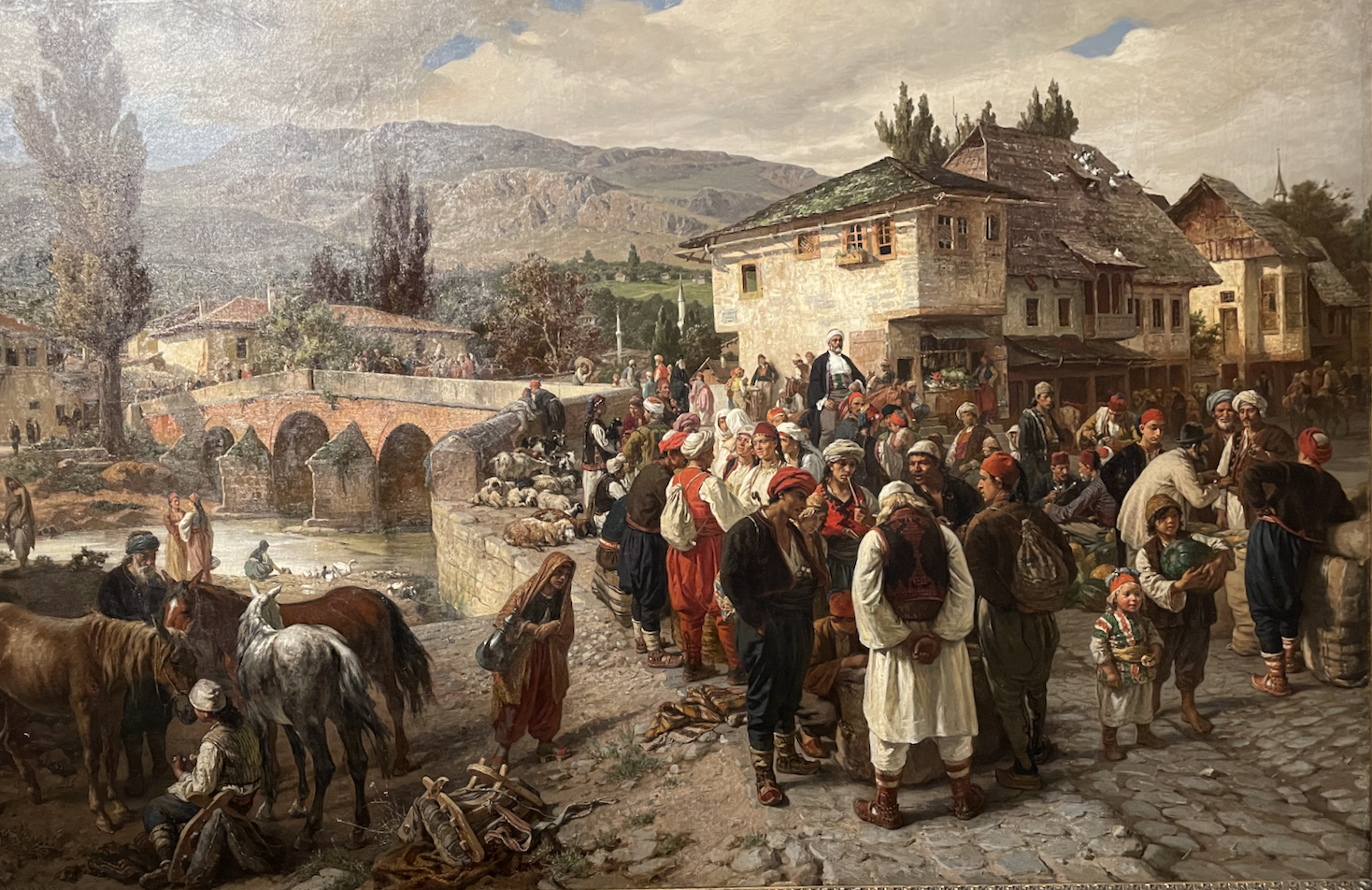
The Bridge at Sarajevo 1883 (Alois Schönn)
Balkan events again…. Linked to those involving the Russian invasion of the Ottoman Empire in 1877. Austro-Hungary was also ready to expand its interest in the region.
As with all other European Empires they justified expansion by suggesting they were bringing ‘enlightenment, civilisation, liberty’ etc
The Congress of Berlin (1878) had given Austria-Hungary the right to occupy and administer Bosnia and Herzegovina temporarily, but the provinces officially remained possessions of the Ottoman Empire. Still, the Austrian administration tried mightily and at great expense to improve the strategically valuable region economically and to link it closely with Austria-Hungary.
Britannica
The Austro-Hungarian Empire eventually annexed Bosnia & Herzegovina in 1908 creating a crisis with Russia & Serbia that embittered relationships – & contributing to events in 1914
Beyond Vienna
Journey 2 focuses on visiting friends
Poland & France,
twice passing through Czechia (Moravia & Bohemia)
& with a German Interlude
Initially our travels gain a more central focus:
Journeying across lands that were once part of the Hapsburg Empire & in part held by Germany, until the establishment of the 1st Republic of Czechoslovakia & the 2nd Polish Republic in 1918.
Then continuing onto to Nürnberg, itself an important city in the Holy Roman Empire which was also ‘Hapsburg’ by inheritance, and may be regarded, since 1989, as the central point of Europe.
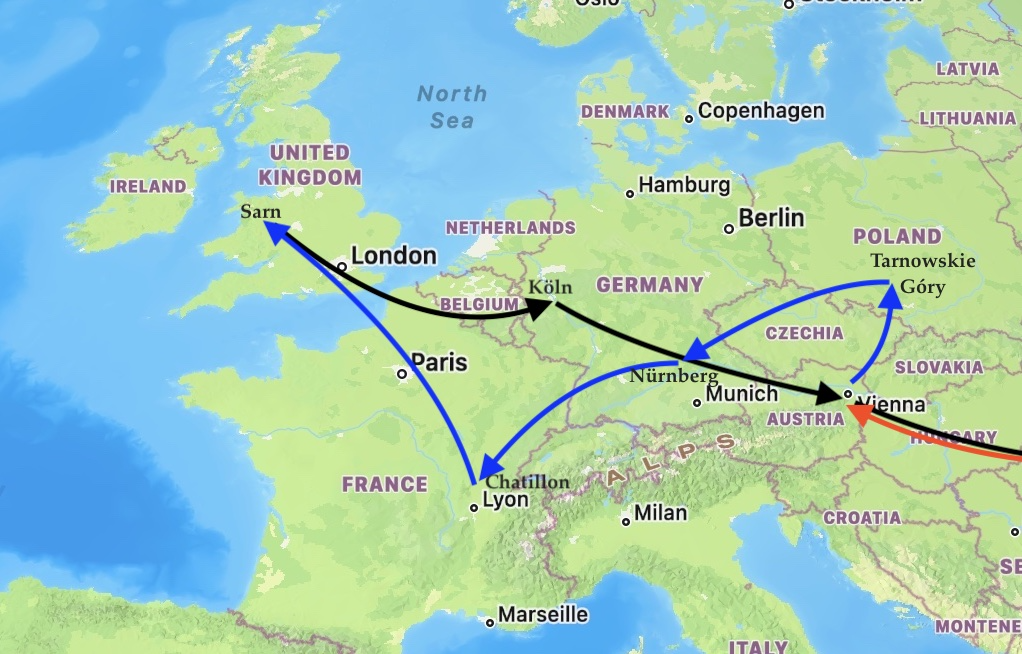
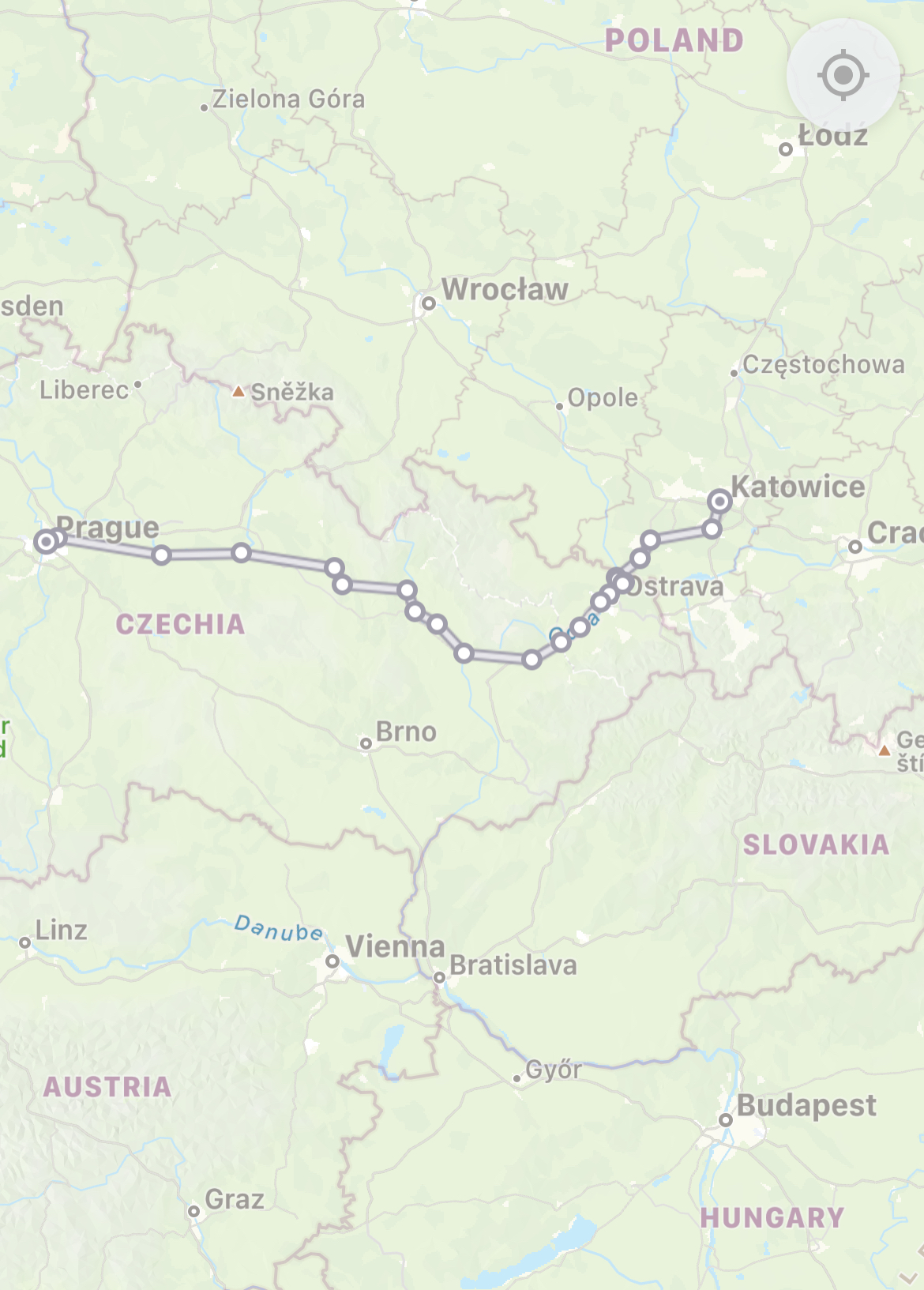
12th April 2023: To Tarnowskie Góry
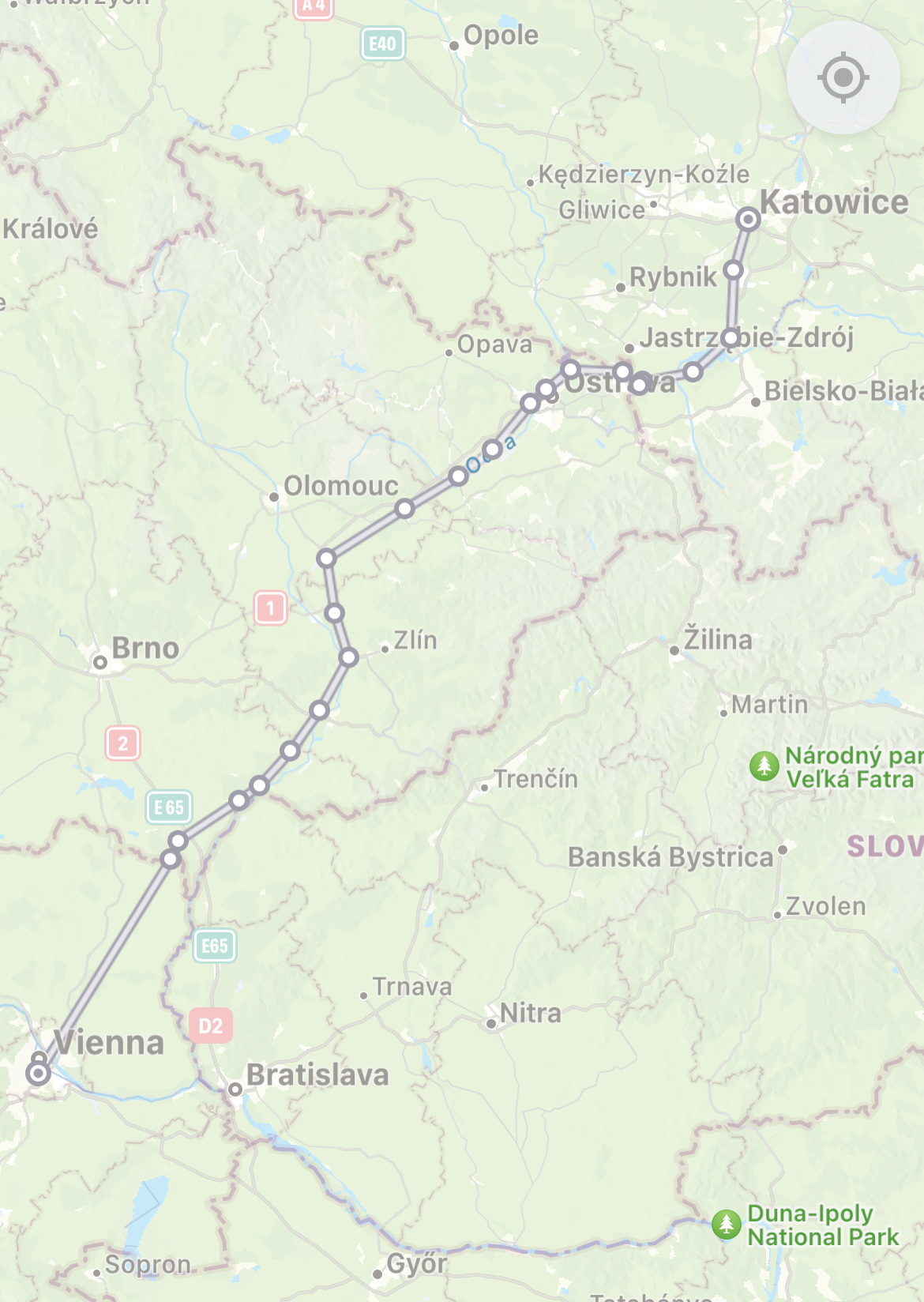
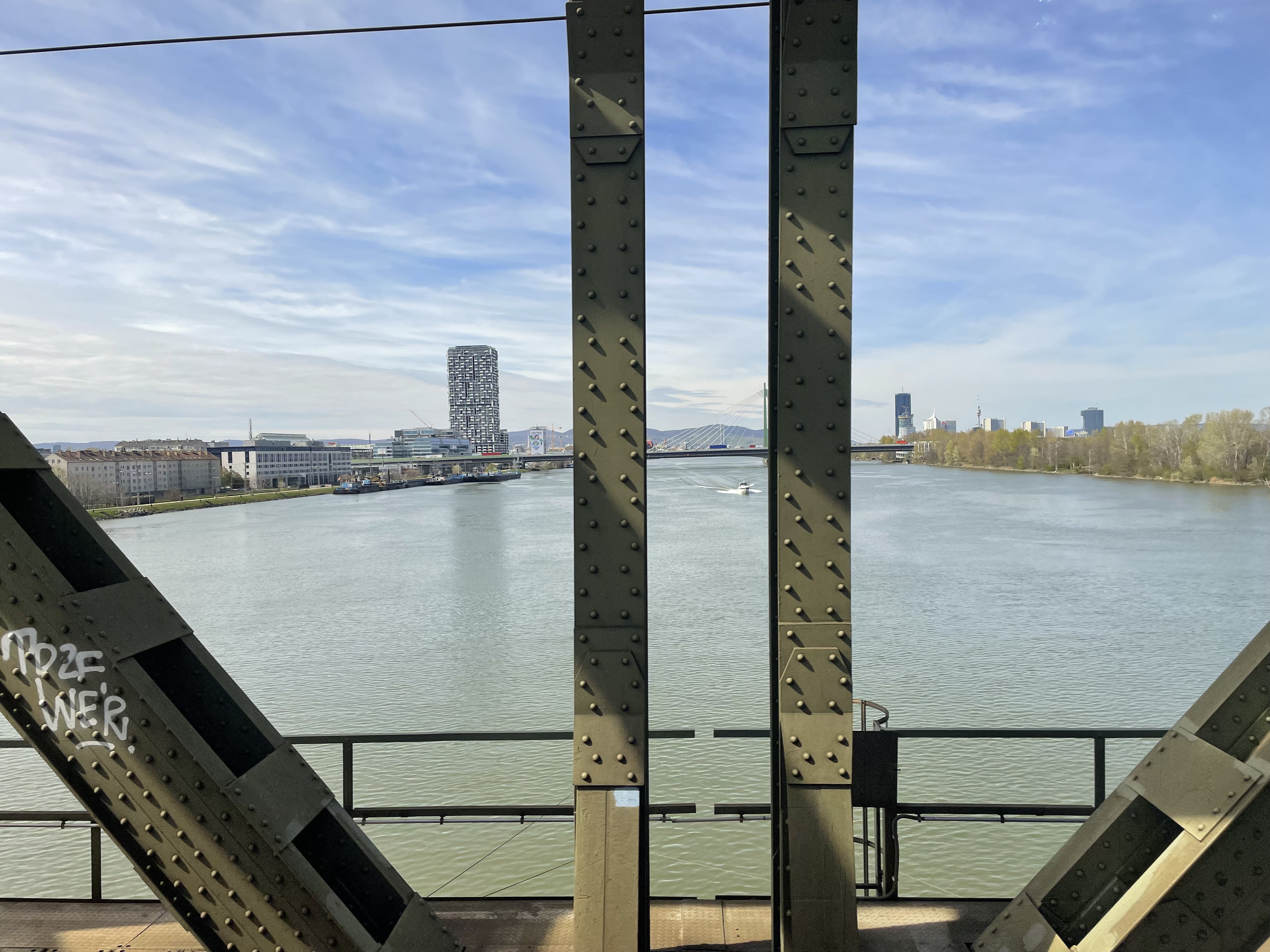
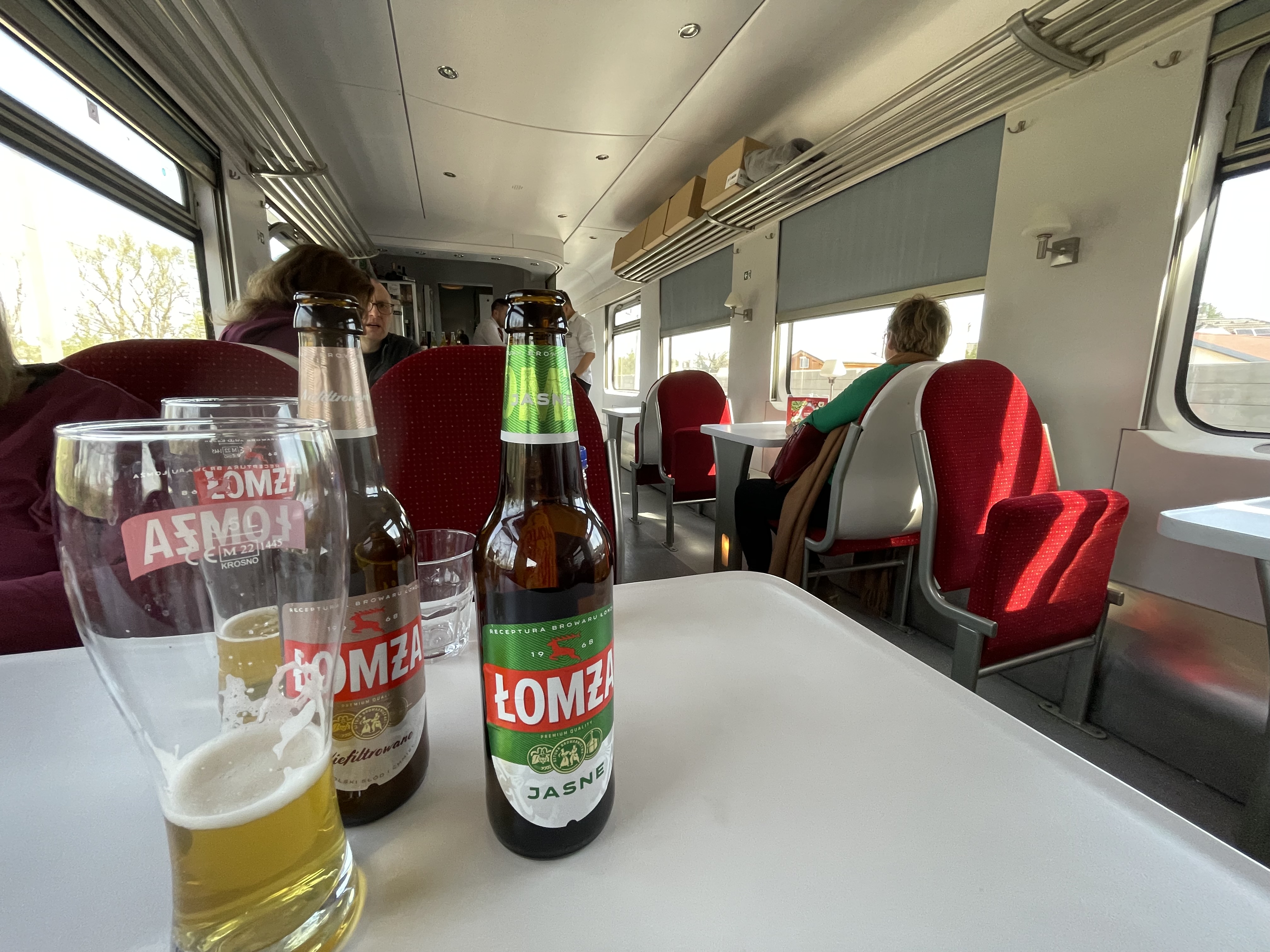

Level countryside for most of the journey across Czechia (Moravia) – and then into the major coal mining region that covers the border region – including Poland
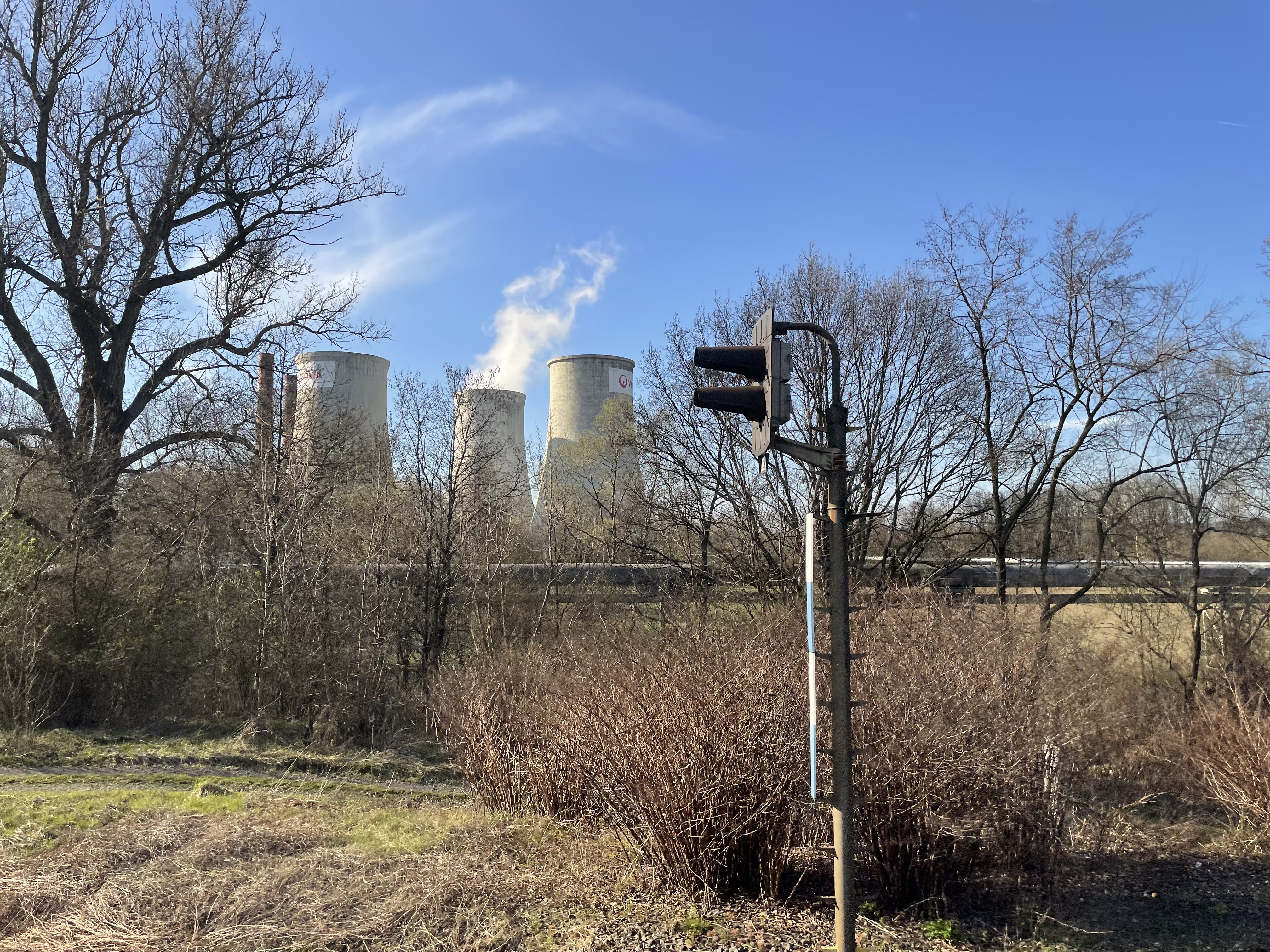
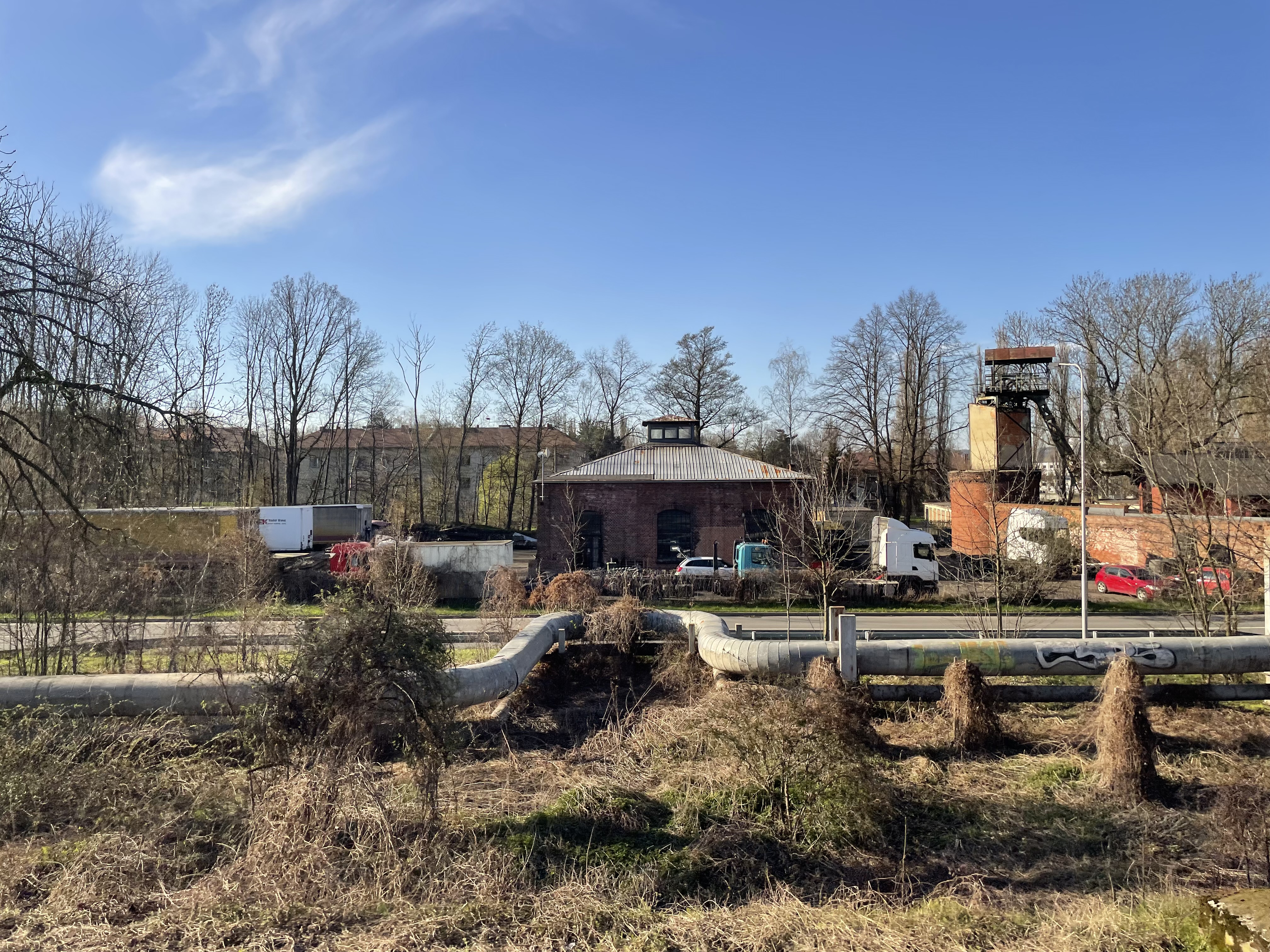
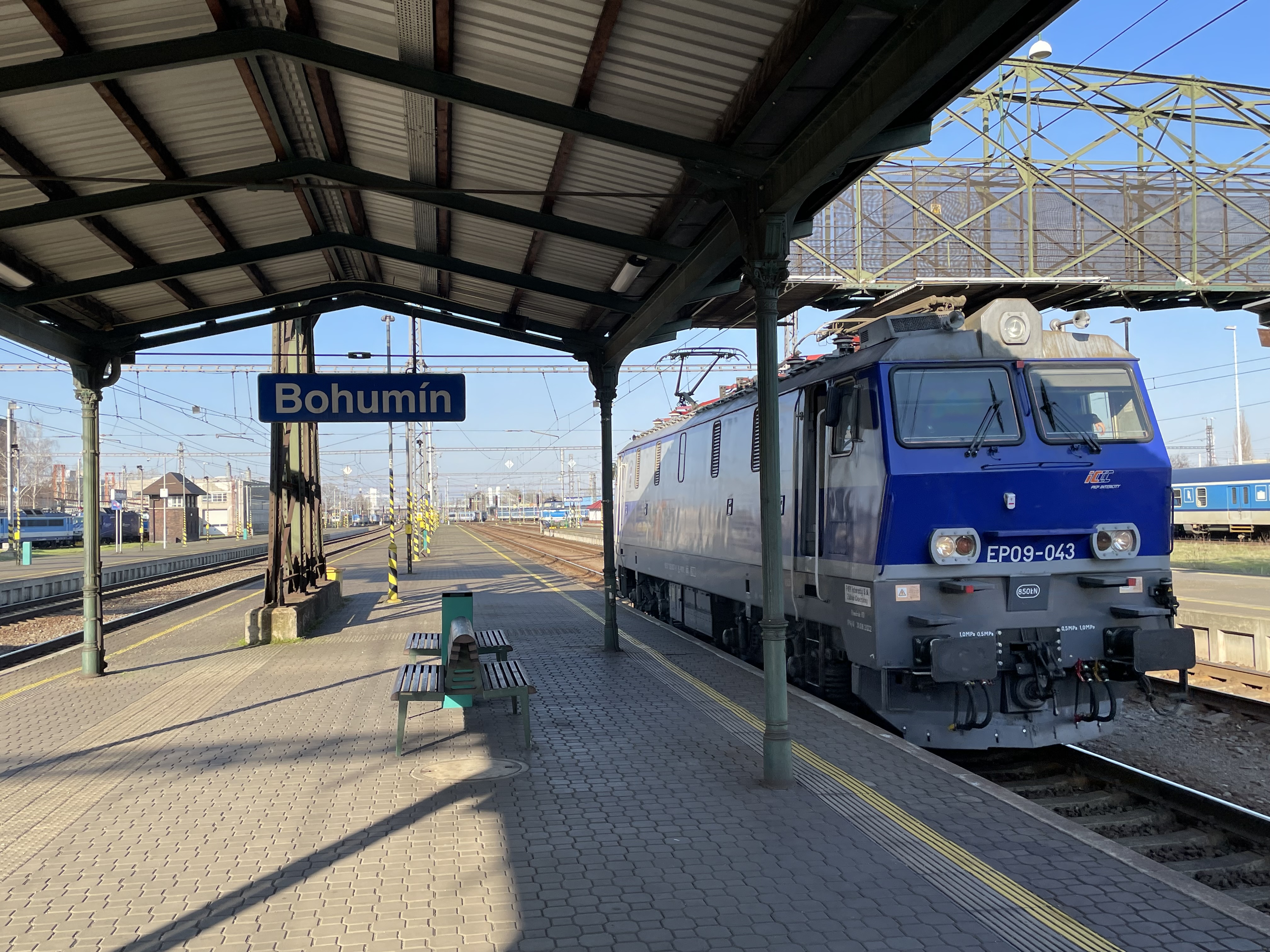
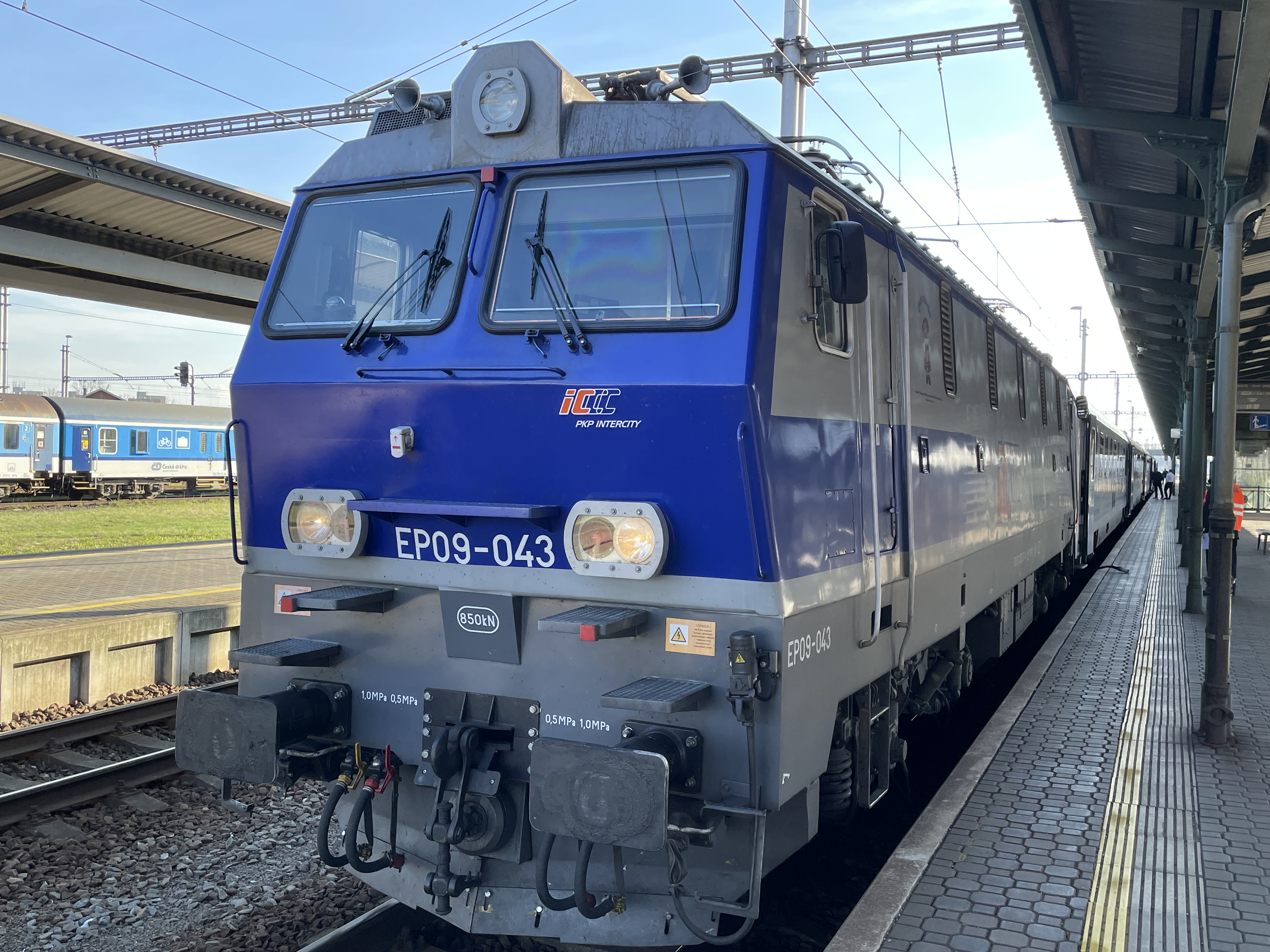
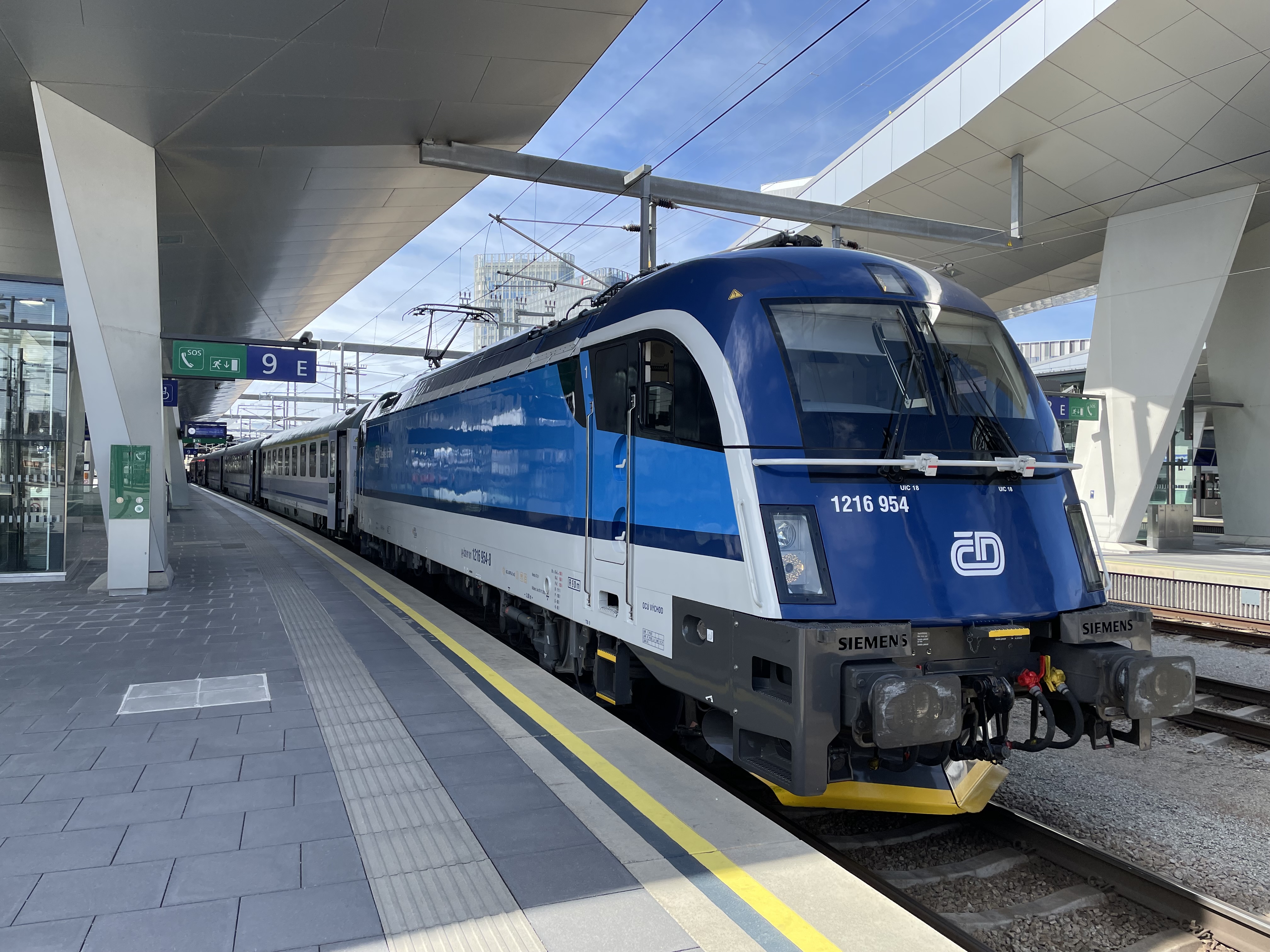
An engine change…. Our smart Czech Siemens loco replaced by an older Polish loco….. and as experienced before, the change creates a very ‘jerky’ ride…. An electric phasing issue? No power at the moment as we slide into Poland and reconnect with electricity…. And the uneven ride begins again!…. Very difficult to write….
WhatsApp
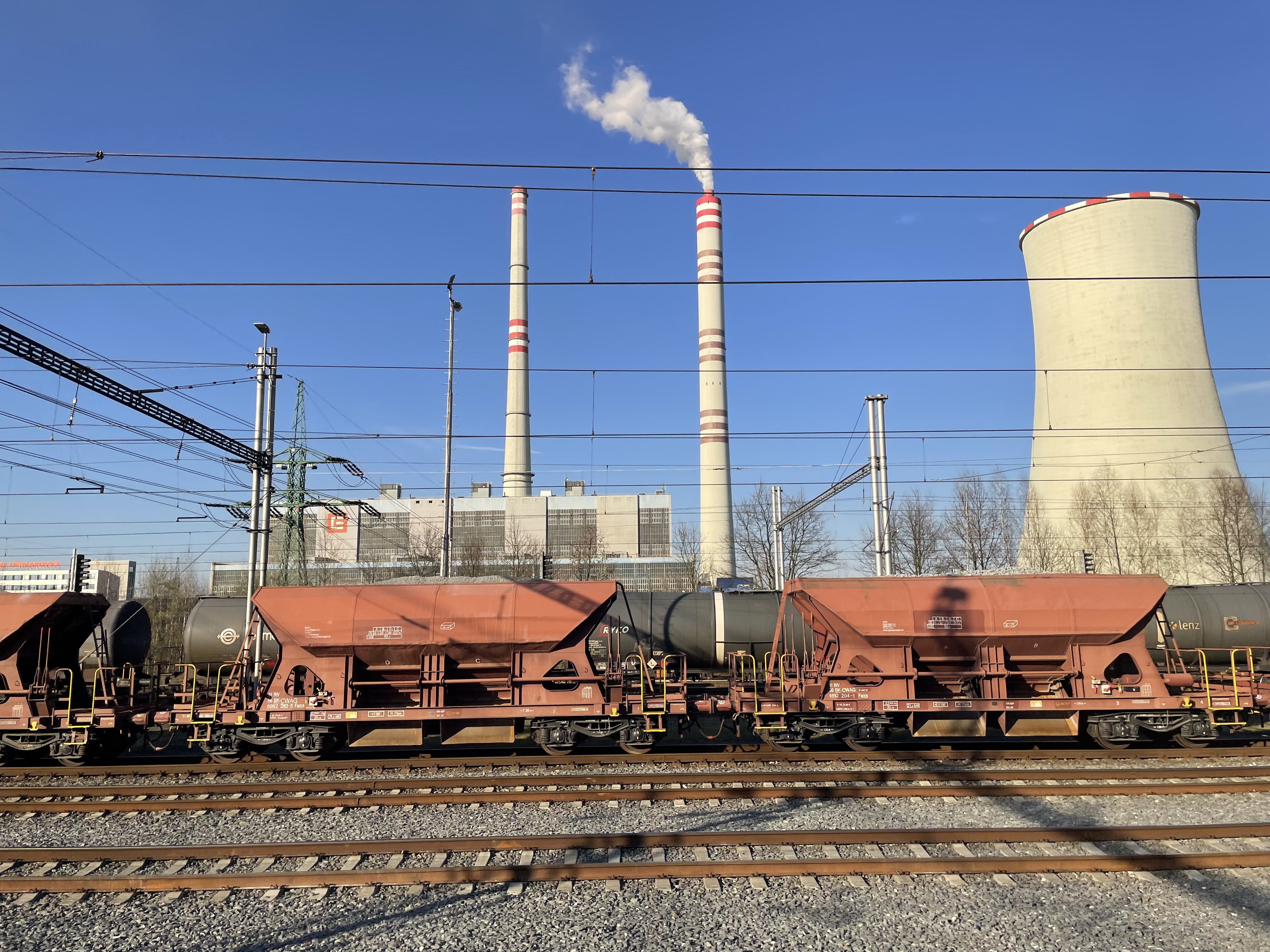

Arrival in Katowice, once part of what was known as the “Death Triangle” due to the high levels of pollution it is now described as ‘a large business, convention and trade fair centre. Katowice is headquarters to 18 public companies…’. The metropolitan area around the city has a population over over 2.3 million.
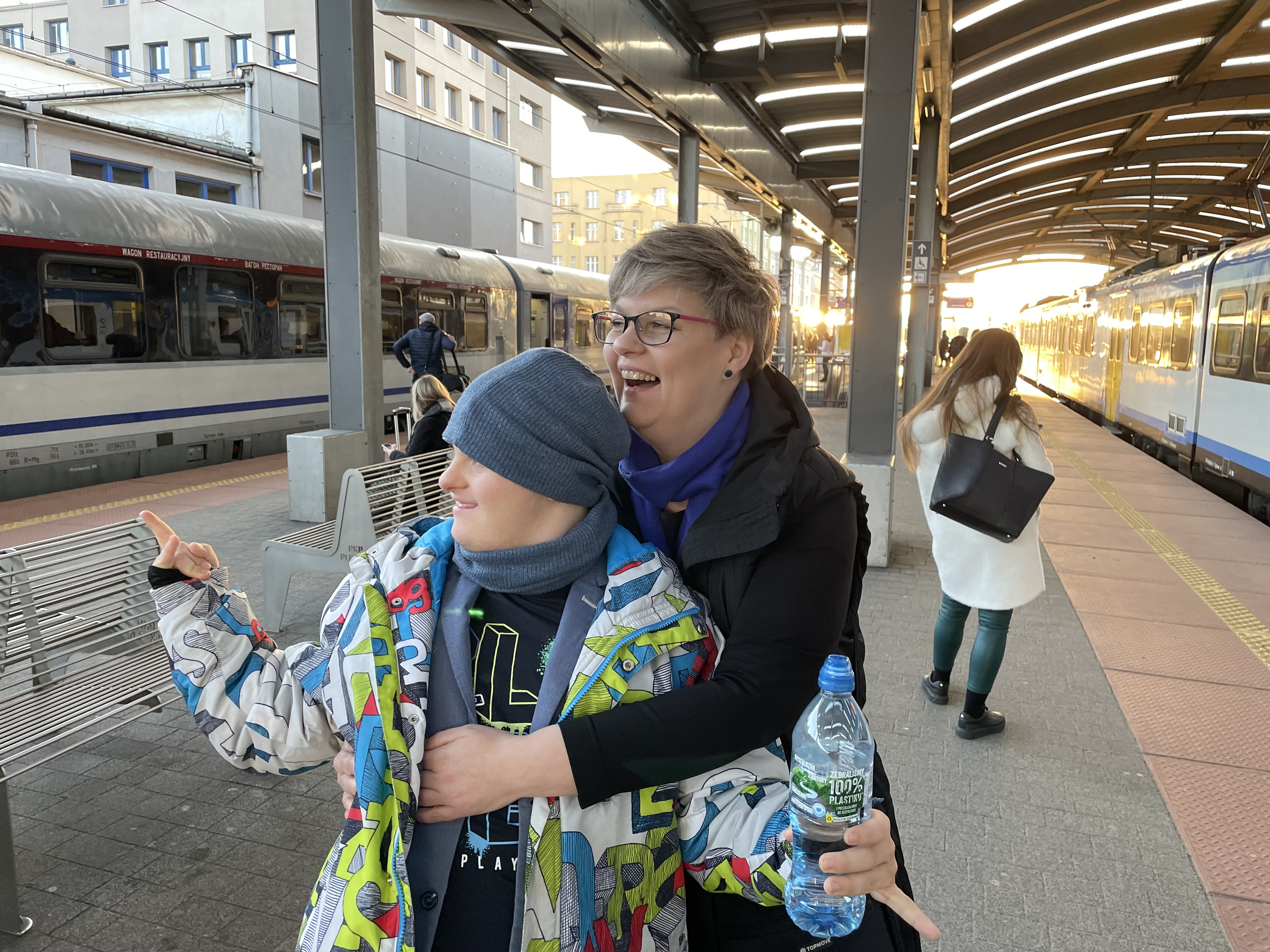
Magda and Iacob are there to greet us.
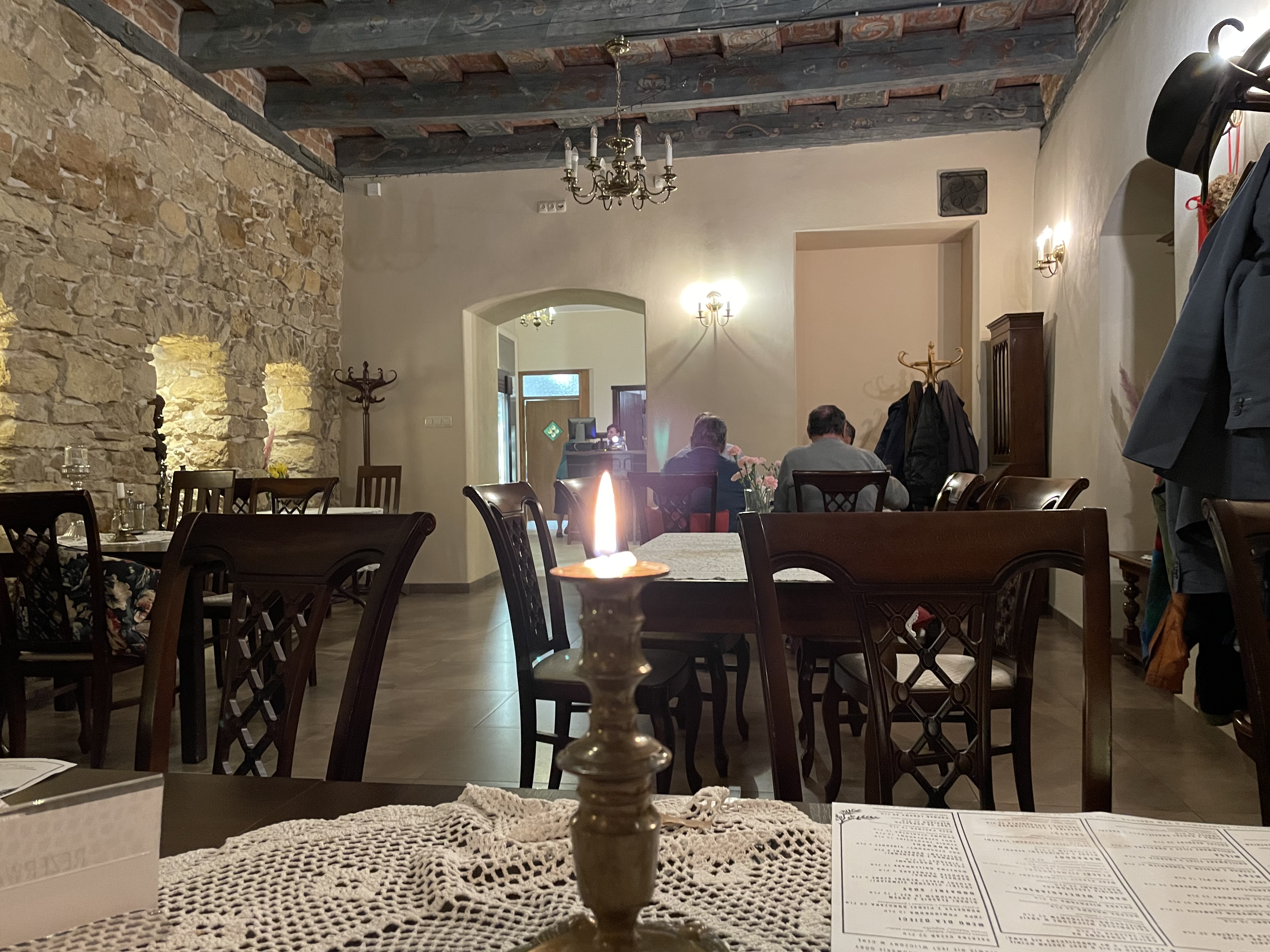
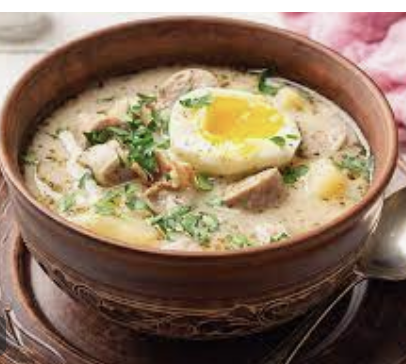
To Tarnowskie Góry & a meal in one of the older established restaurants. A meal of Żurek: Polish Sour Rye Soup
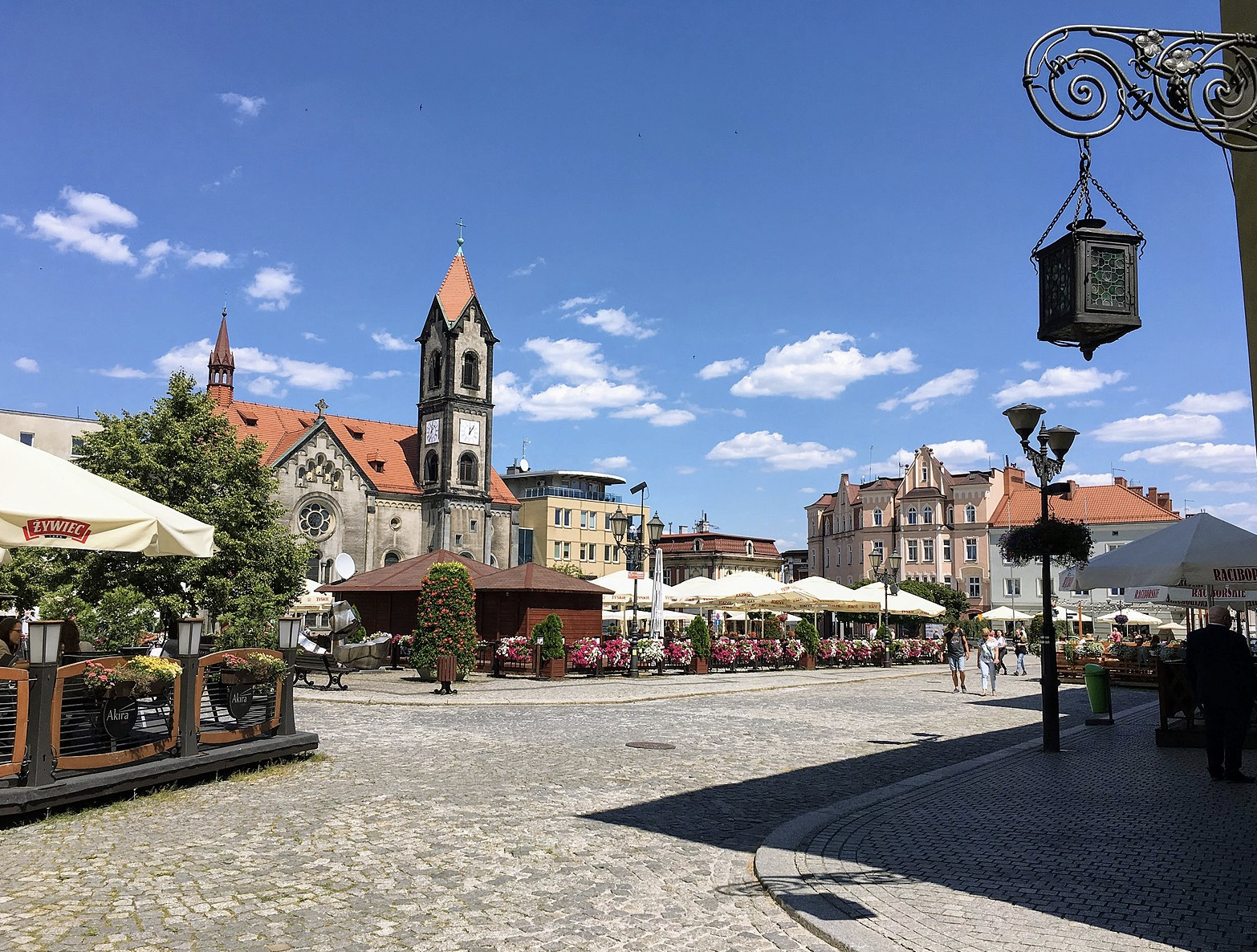
Tarnowskie Góry (summer view of Rynek: Gonzalobaeza).
The town was a centre for silver mining where the 2nd (in the world) initial Boulton-Watt Steam Pumping engine (made at the Soho works Birmingham) was placed.
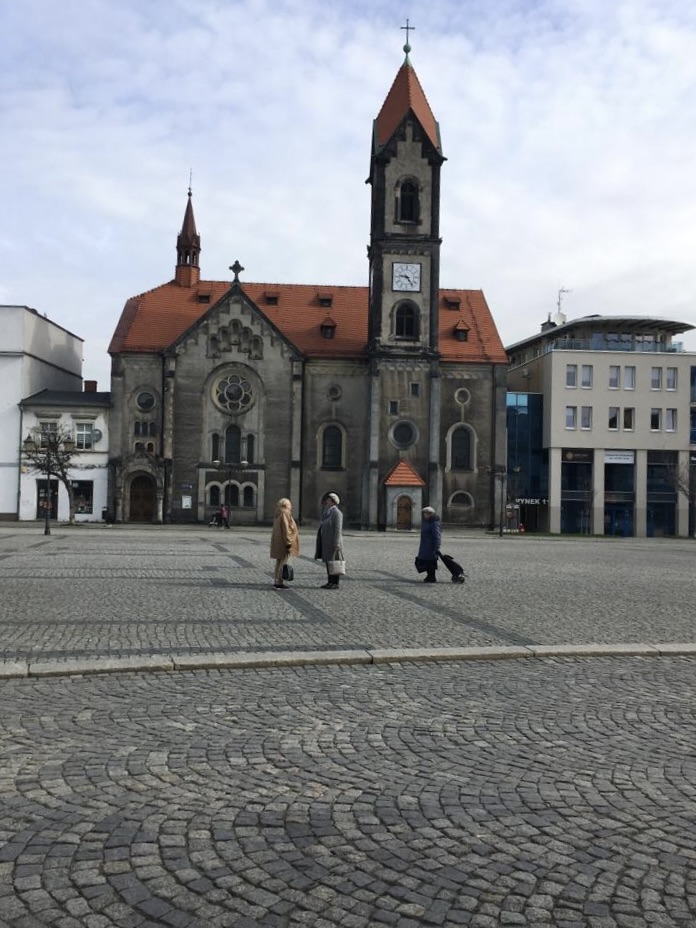
The weather was cold and wet & our photos did not do justice to the quality of the place.
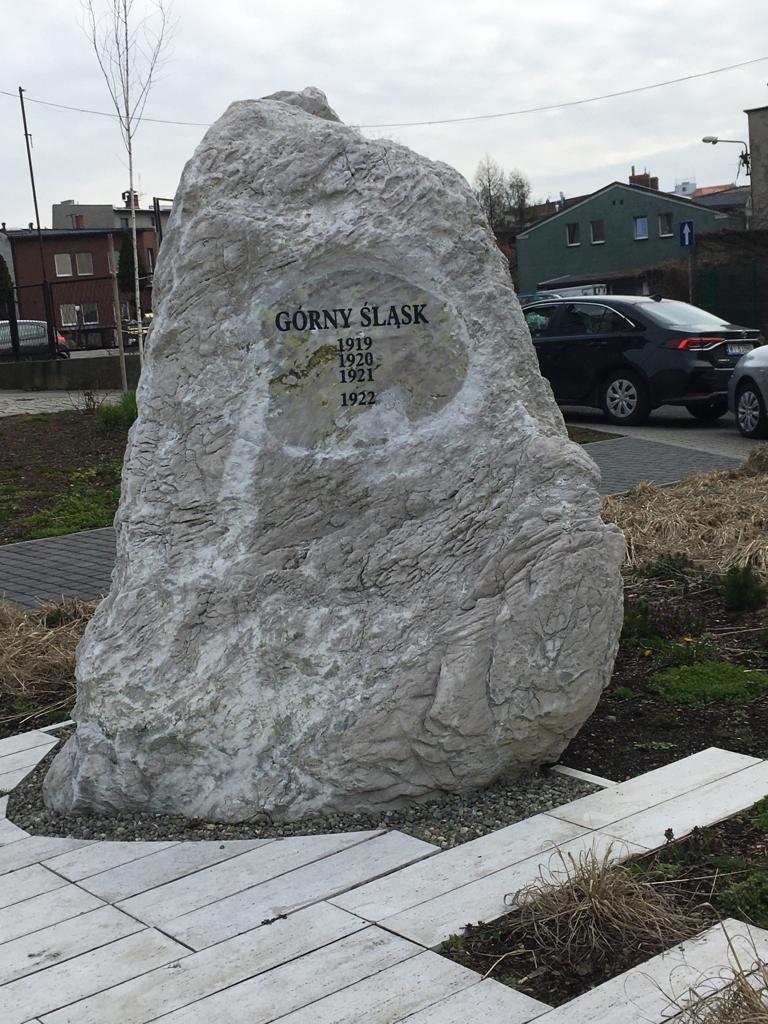
A memorial stone in the rynek has the dates relating to the establishment of the 2nd Polish Republic. The end of WW1 was (as in many other parts of Europe – eg Ireland) merely a ‘step’ that led to further conflicts. Poland gained full recognition from the USSR in 1922.
Thursday April 13th
We first met Magda and family through shared project work & over time we met socially in Poland and UK. Magda is linked to the University in Bielsko-Biała with whom, since 2022, we developed a link relating to Ukrainian families now living in Poland.
The initial project work included a meeting in 2010 (?) in the centre of Zabrze where Magda created a community drama which attempted to explain some of the ridiculous requirements that existed under communism…. The example taken was that of having a ticket in order to obtain a fixed allowance of lavatory paper. Magda persuaded us all to wear national costume – so I found myself walking around a park wearing a kilt and singing the Red Flag (the only time I’ve done that). We were accompanied by a very smartly turned out Miners Band (a very similar tradition to that in coalfield communities in the UK).
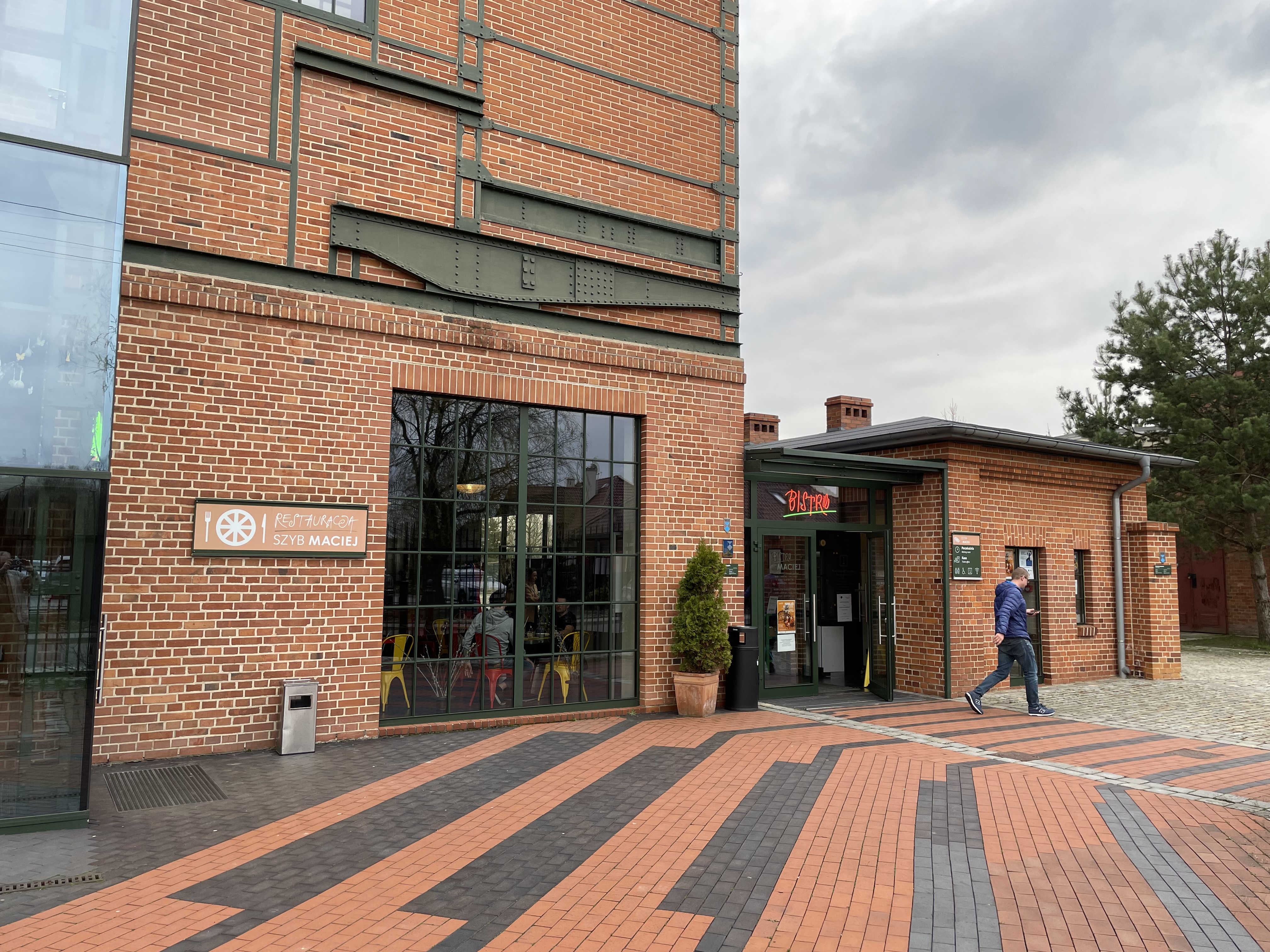
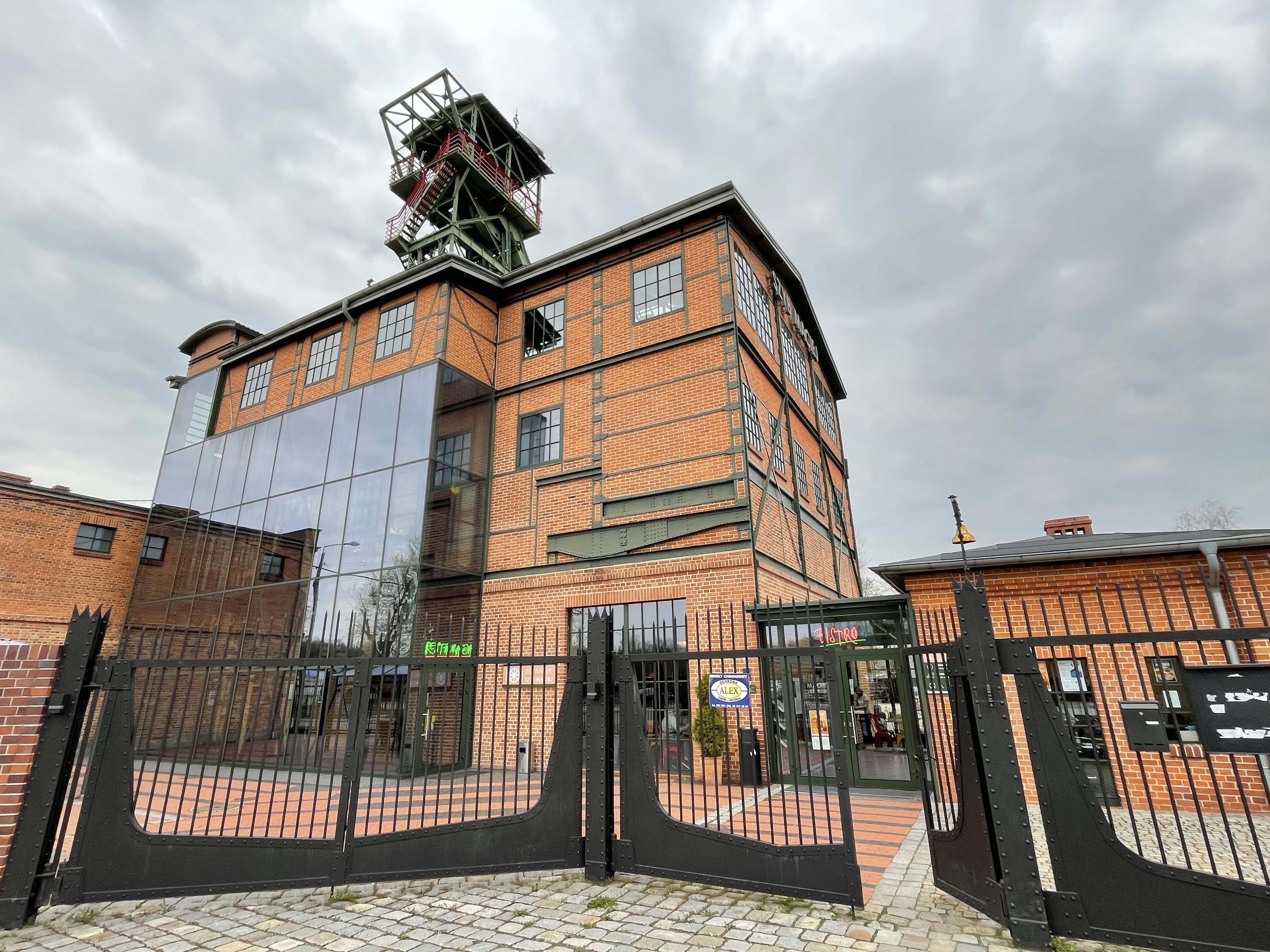
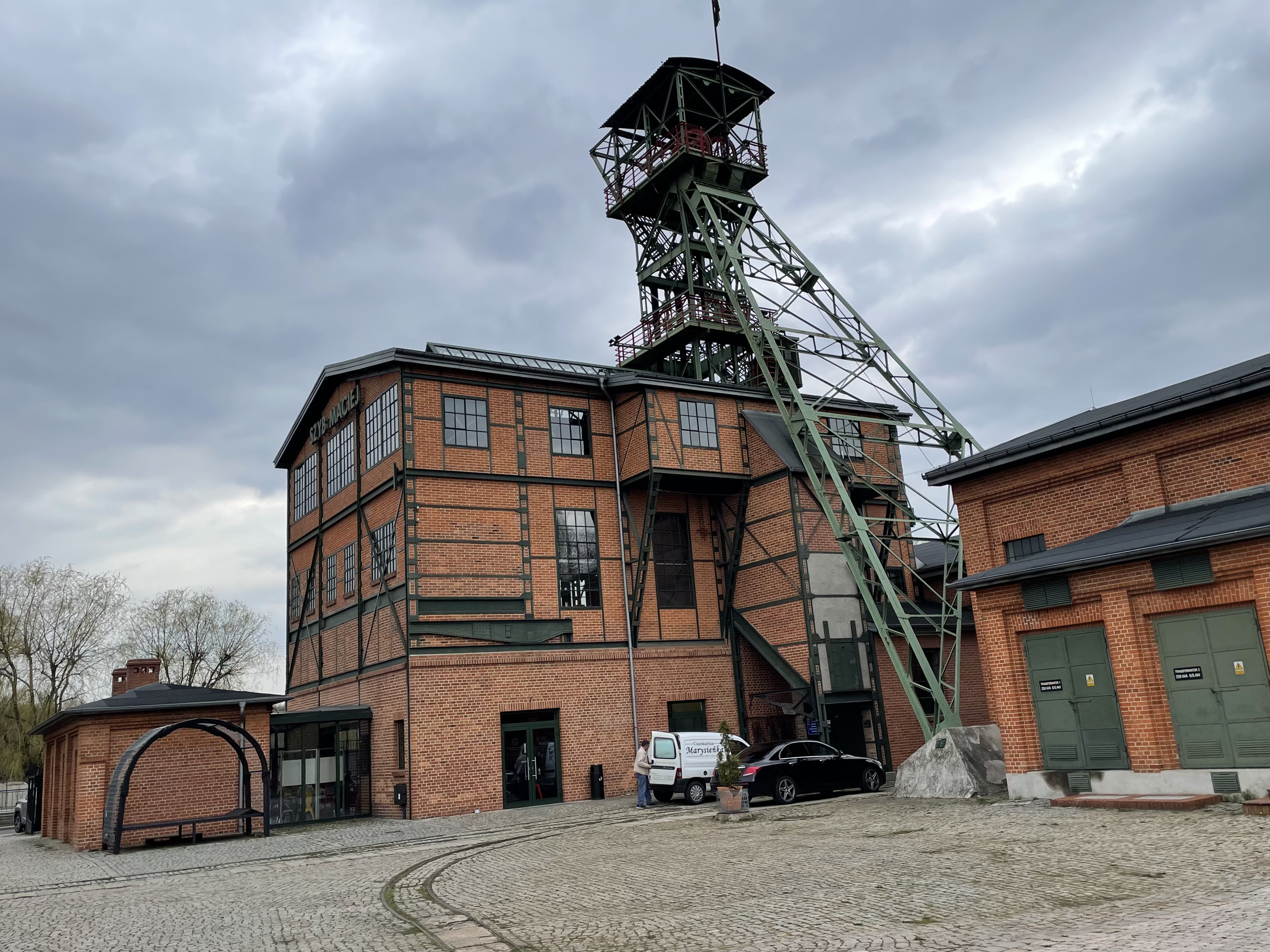
The organisers of the community work were also re-developing disused mines. This one , the Maciej mine, featured in another project as the base for a local evening festival. It is now a restaurant and museum.
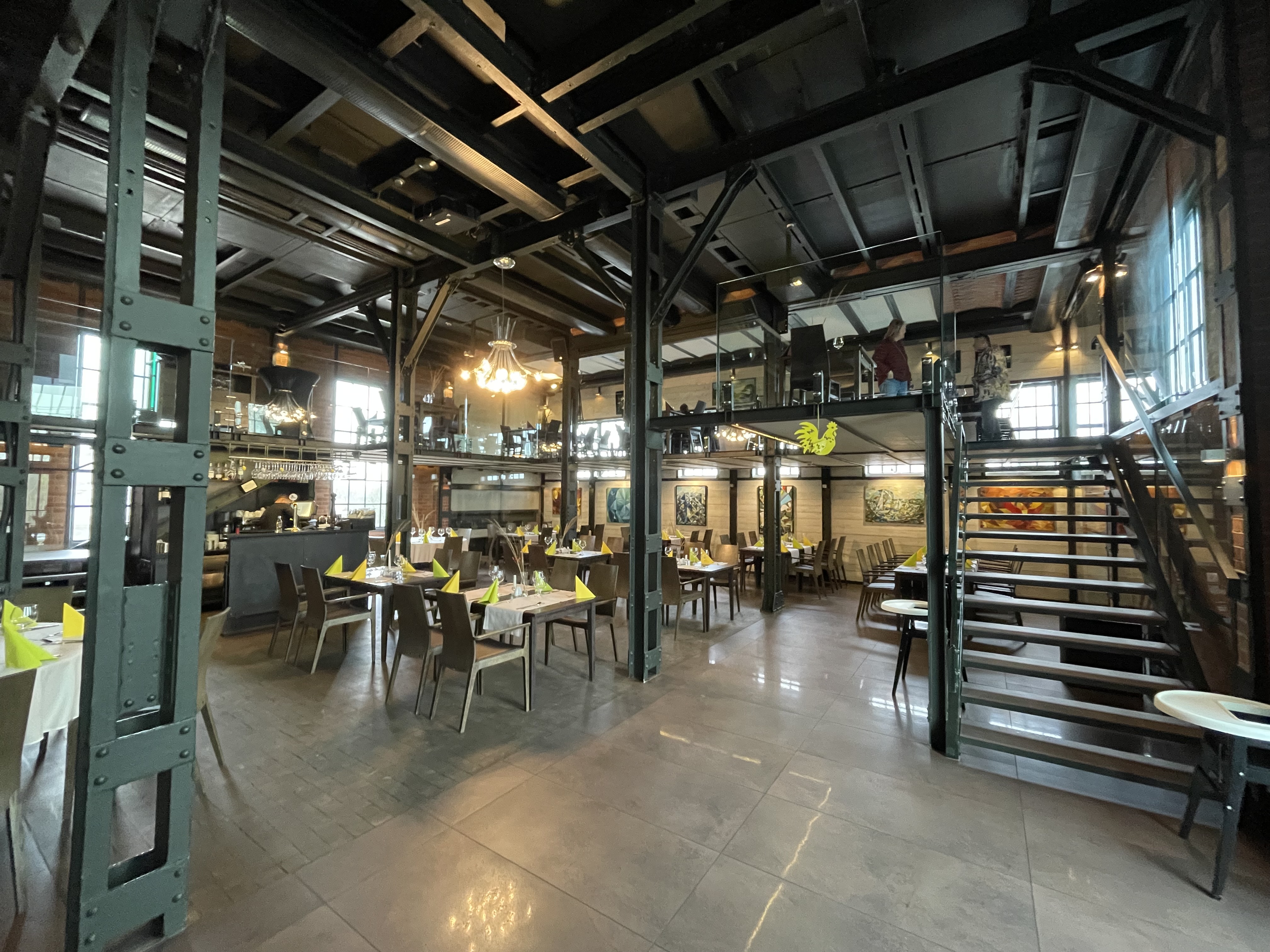
The mine is also gradually developing other aspects of its industrial heritage.
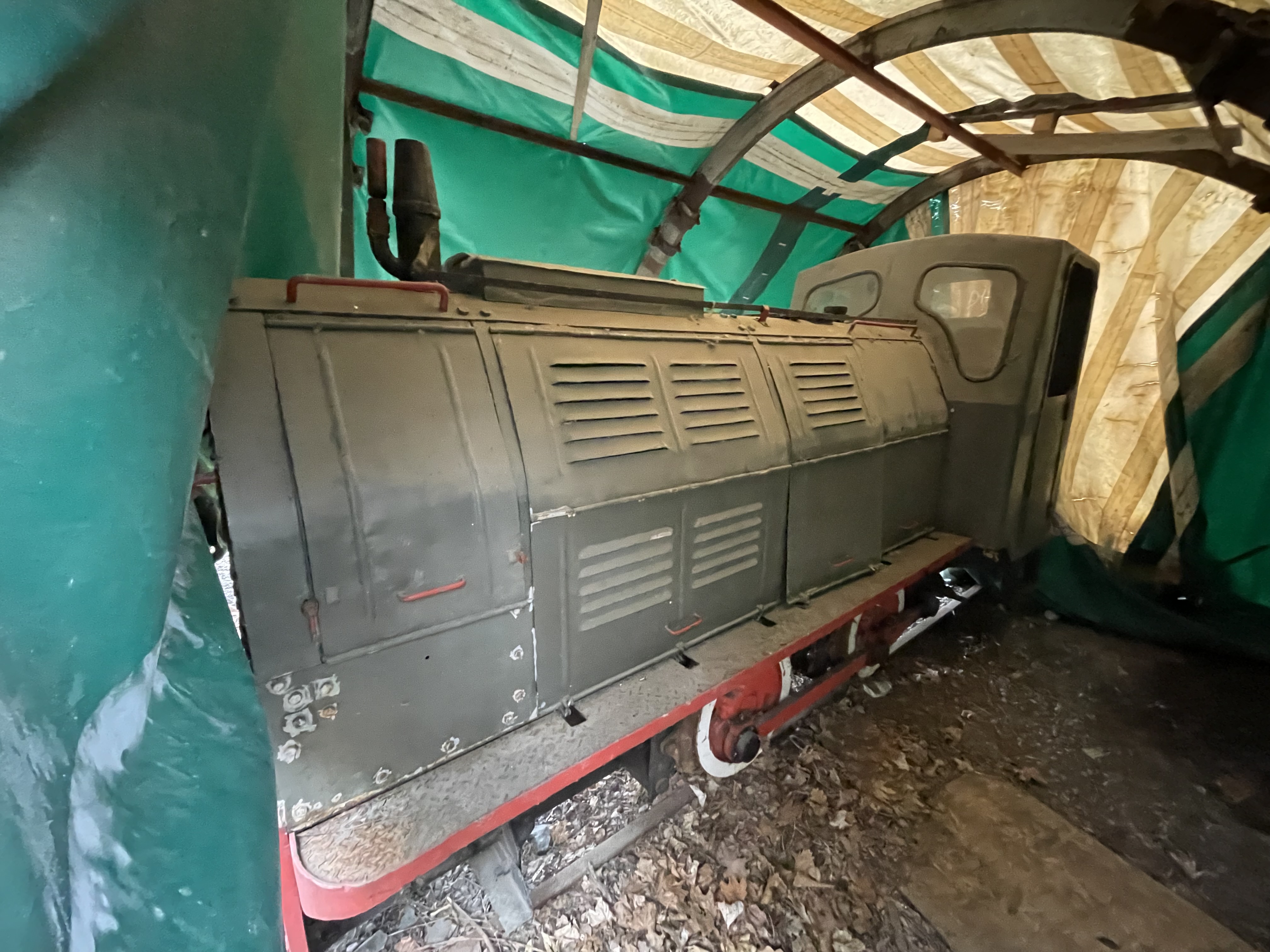

The weather did not improve and our day became very wet.
The weather is awful…. Cold and wet. Fortunately the Forester’s House has a fire…
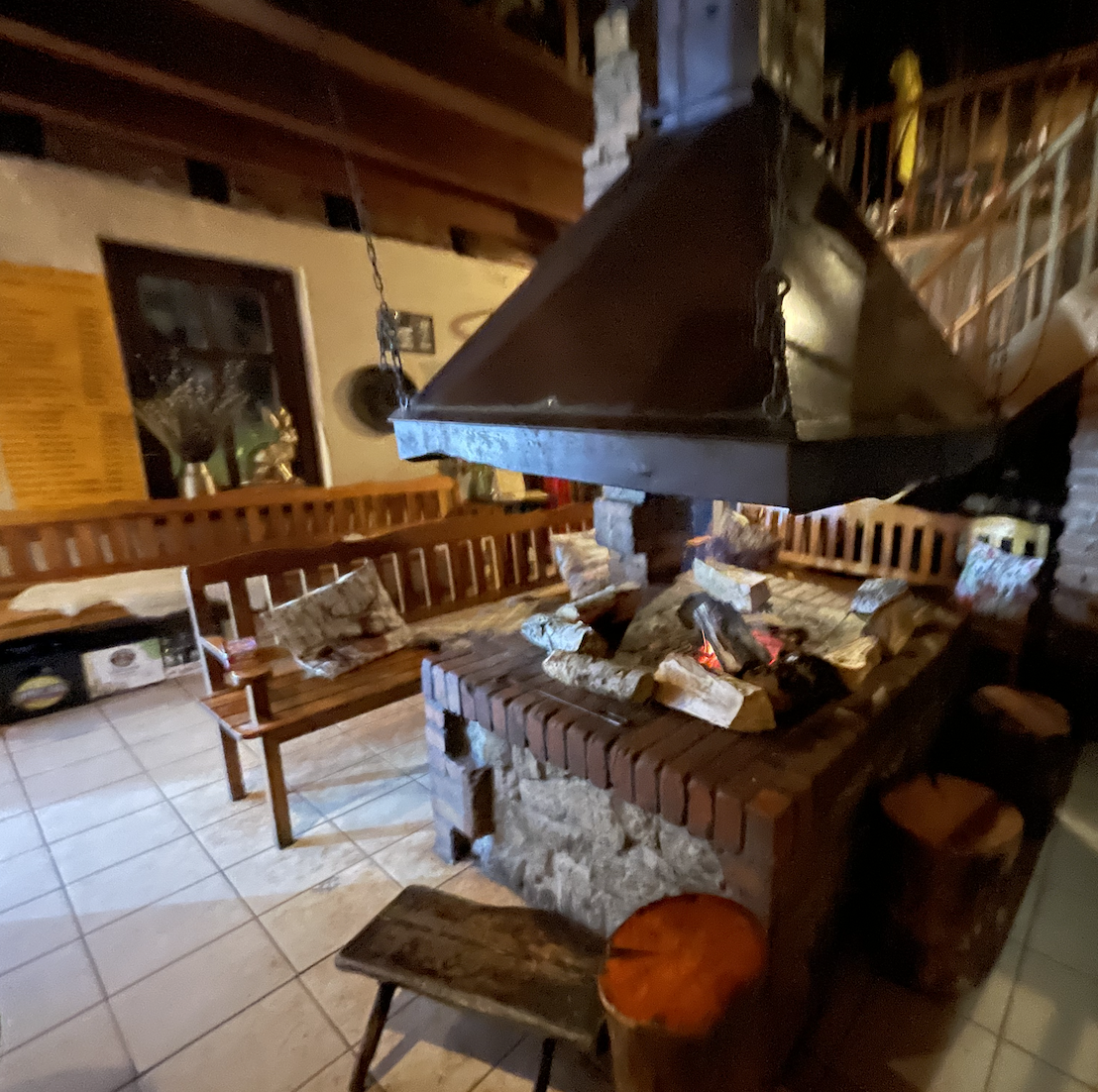
…and good traditional Silesian specialities (one is remarkably like Scottish haggis).
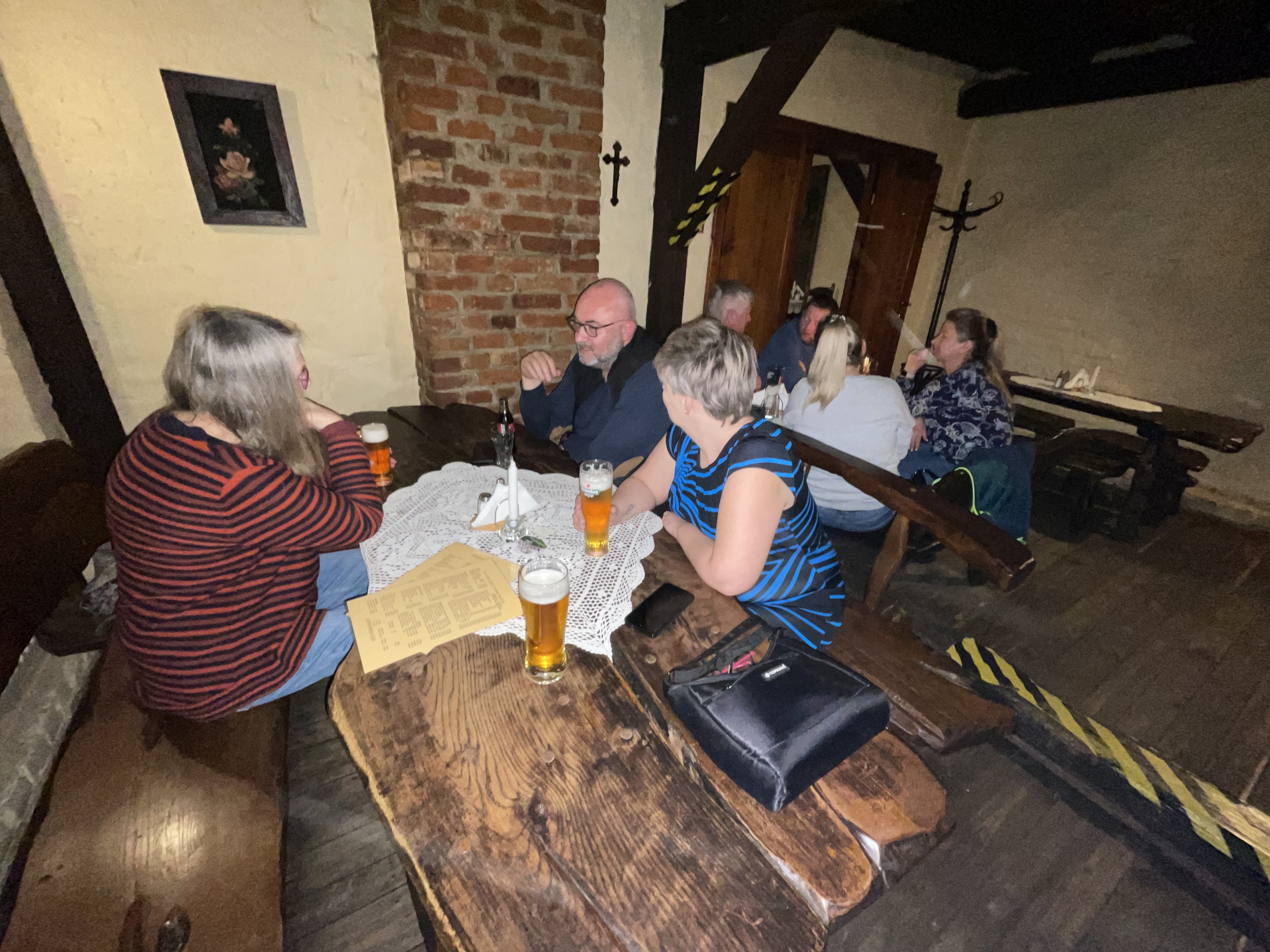
Warm and comfortable away from the dreadful weather……….
In all….. a lovely evening
4th April: To Nürnberg
The rain did not abate – and continued until late in the day

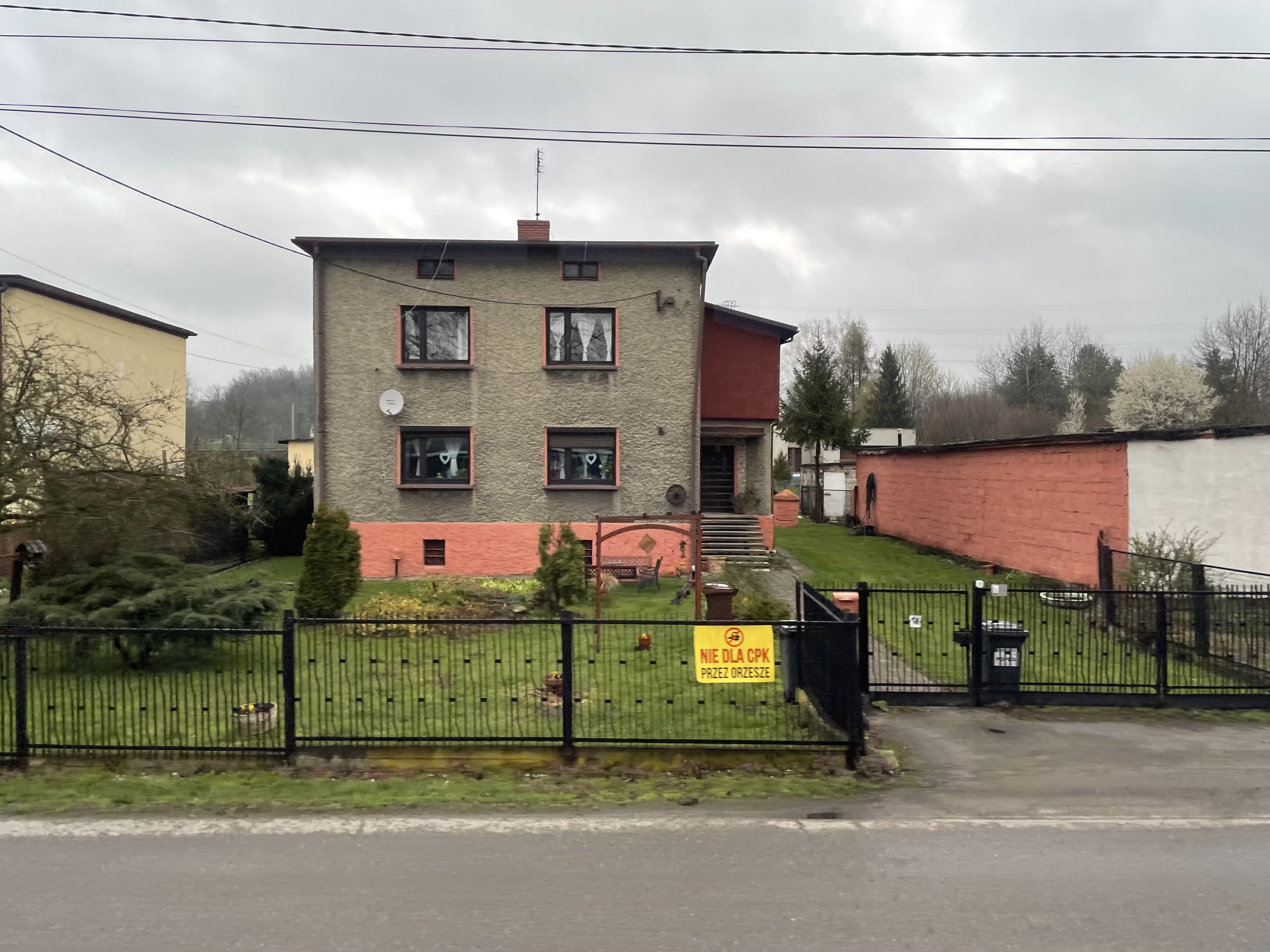
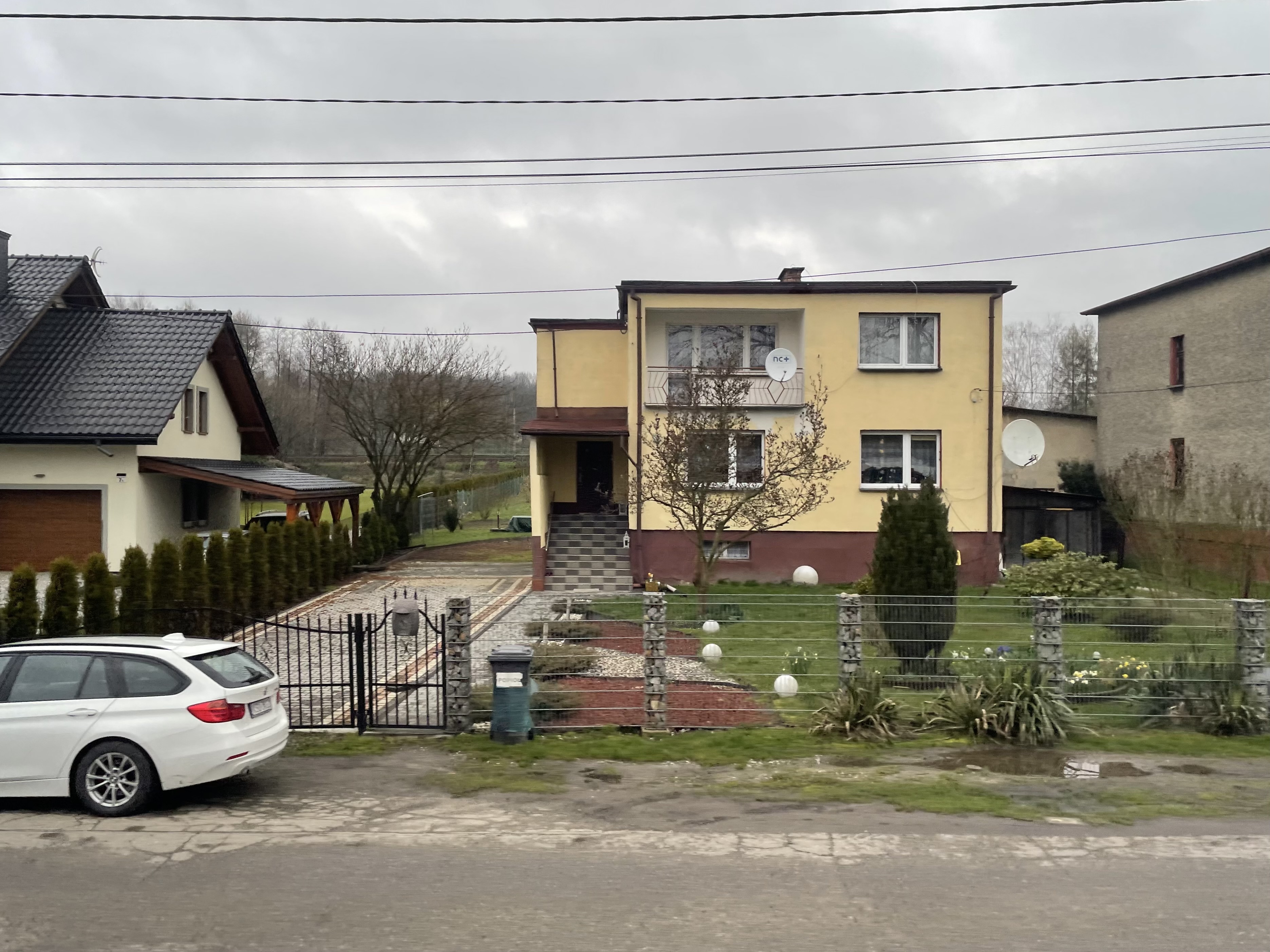
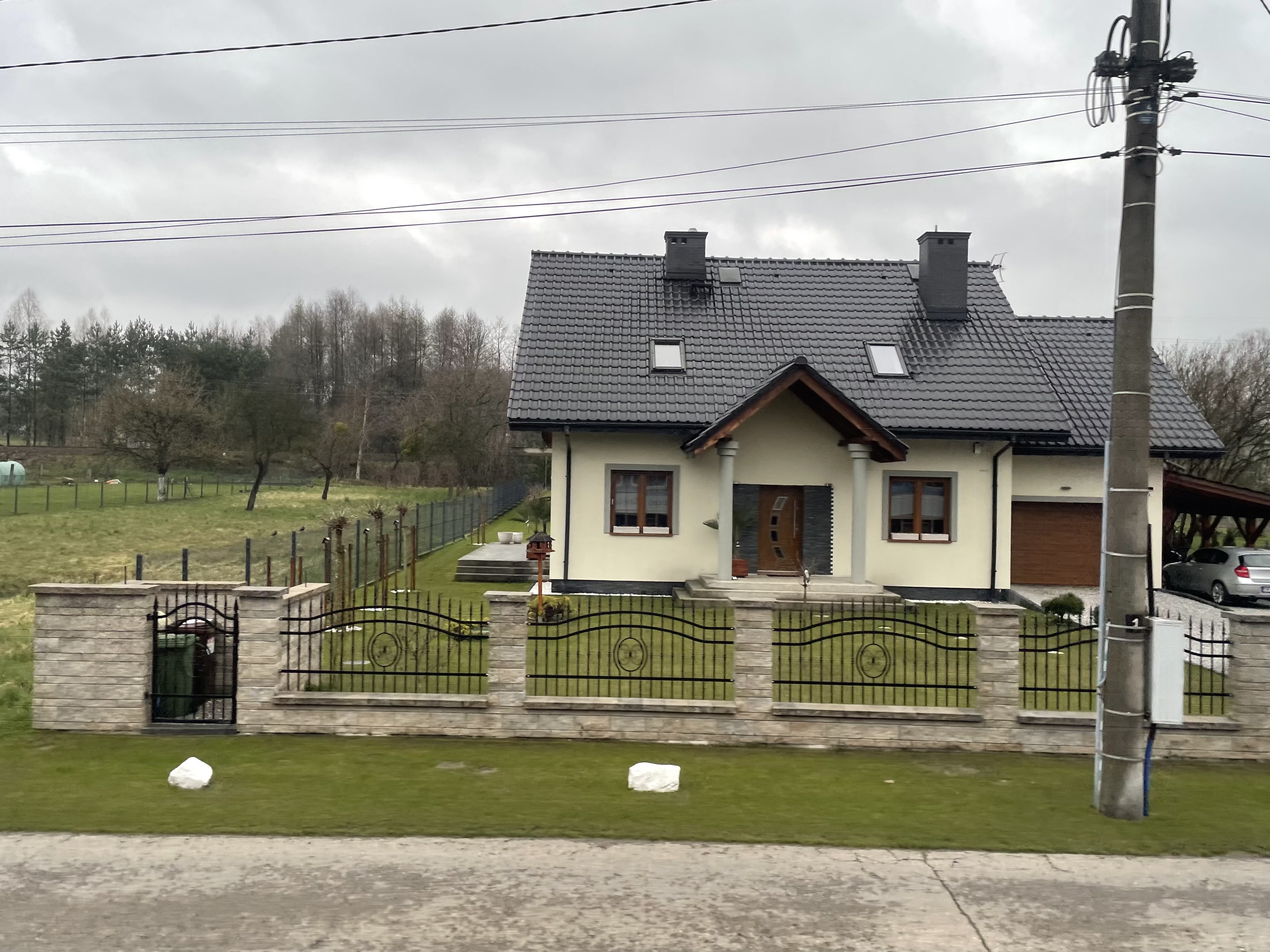
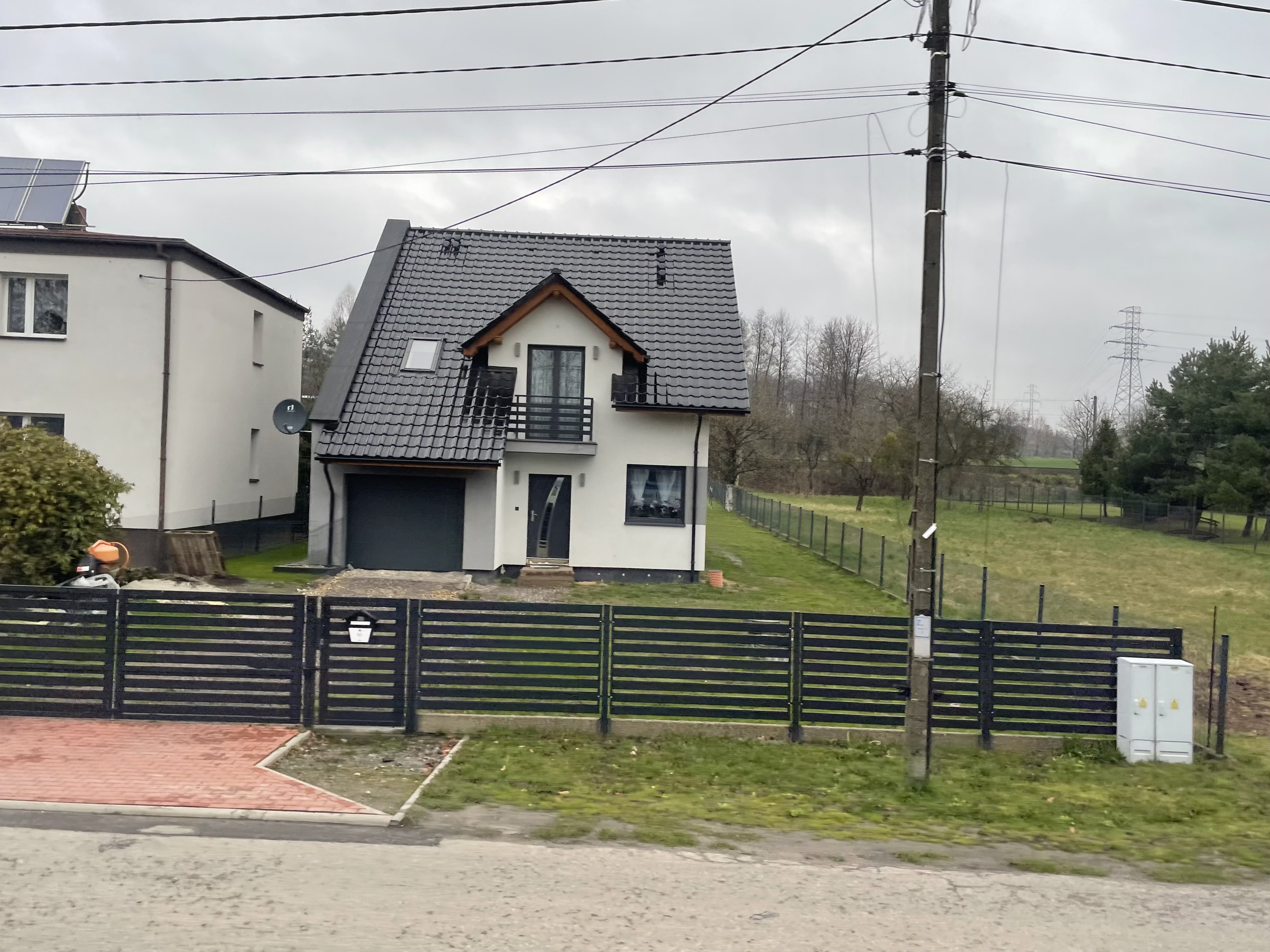
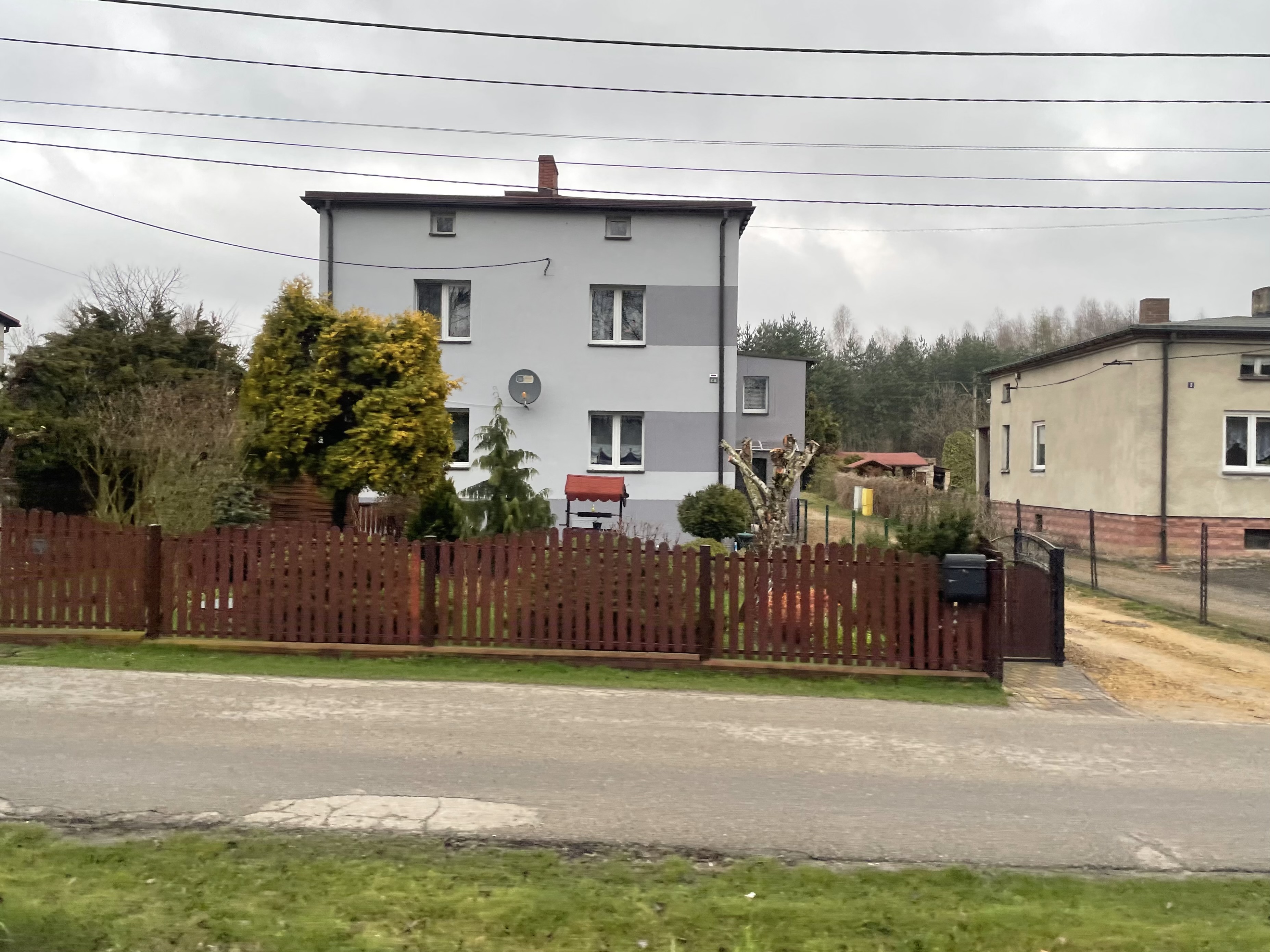
Orzesze, Silesia Upland, Poland
Domestic vernacular
The Warsawa – Praha Express.
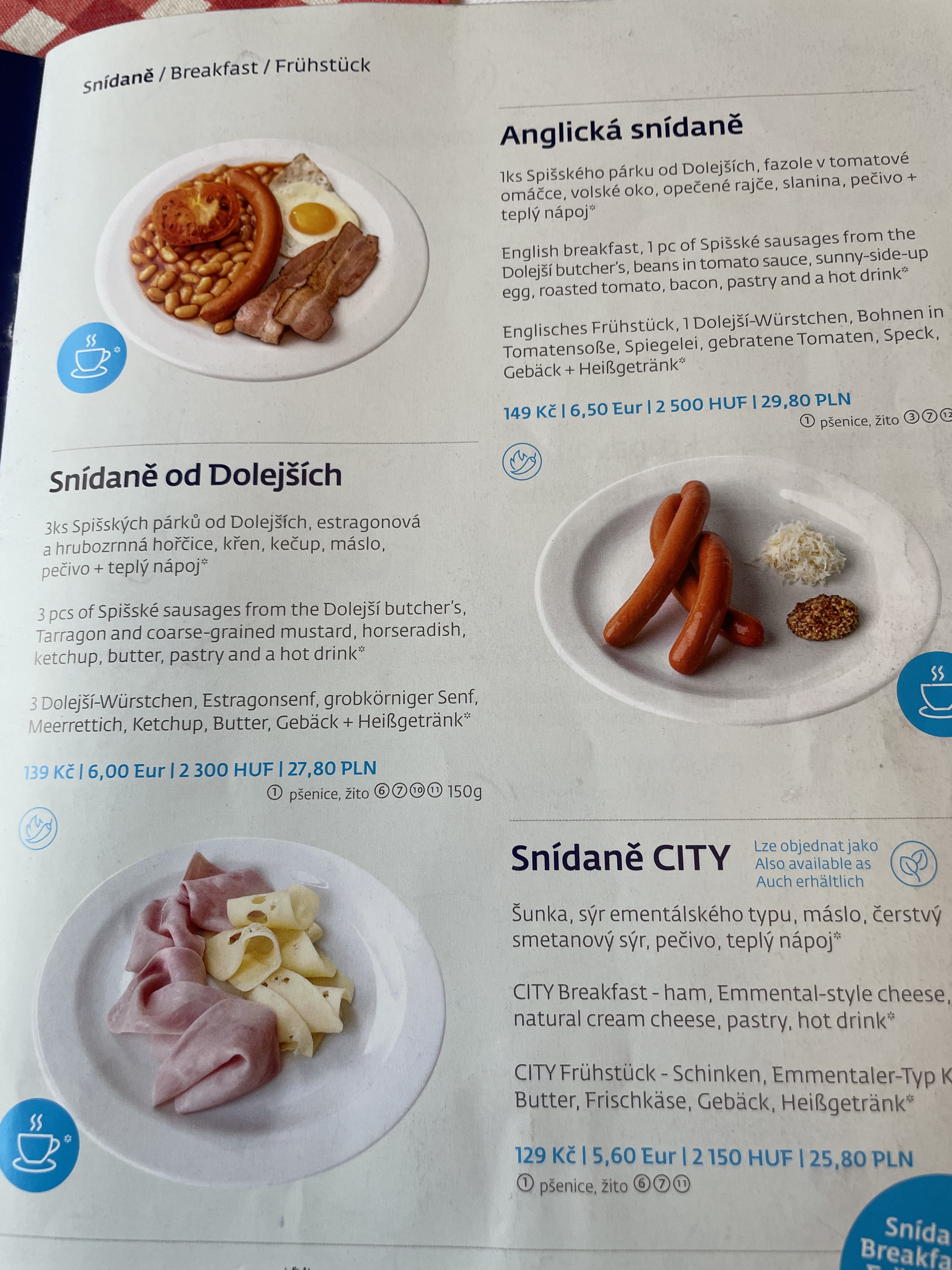
Maintaining an important tradition: the Restaurant Car
The Border Bridge, from Czech side
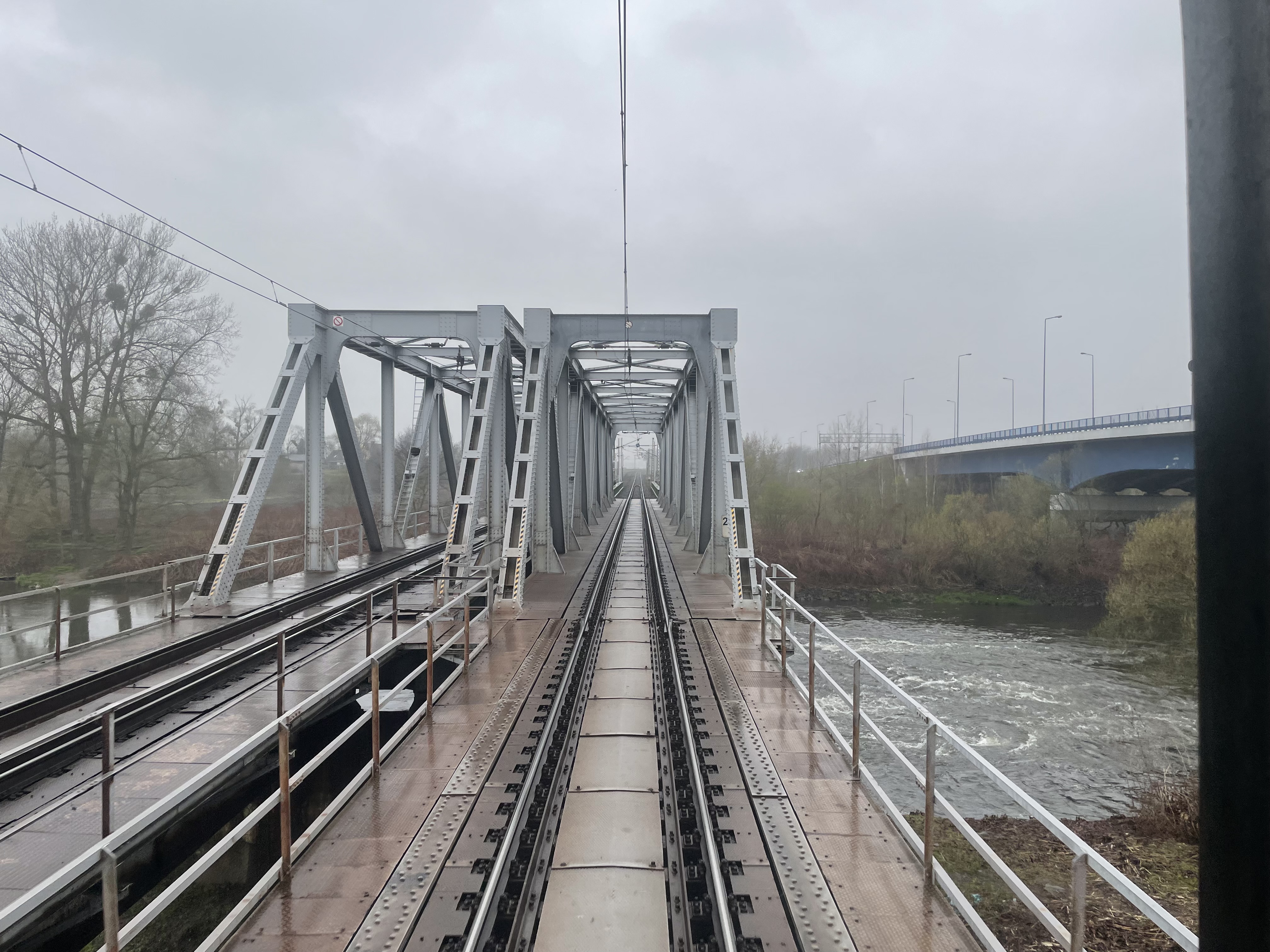
We enjoyed a lengthy & wide ranging discussion whilst with a Czech companion on personal experiences & the ‘state of things’.
All in restaurant car as we travelled through a largely blanked-out mist shrouded landscape.

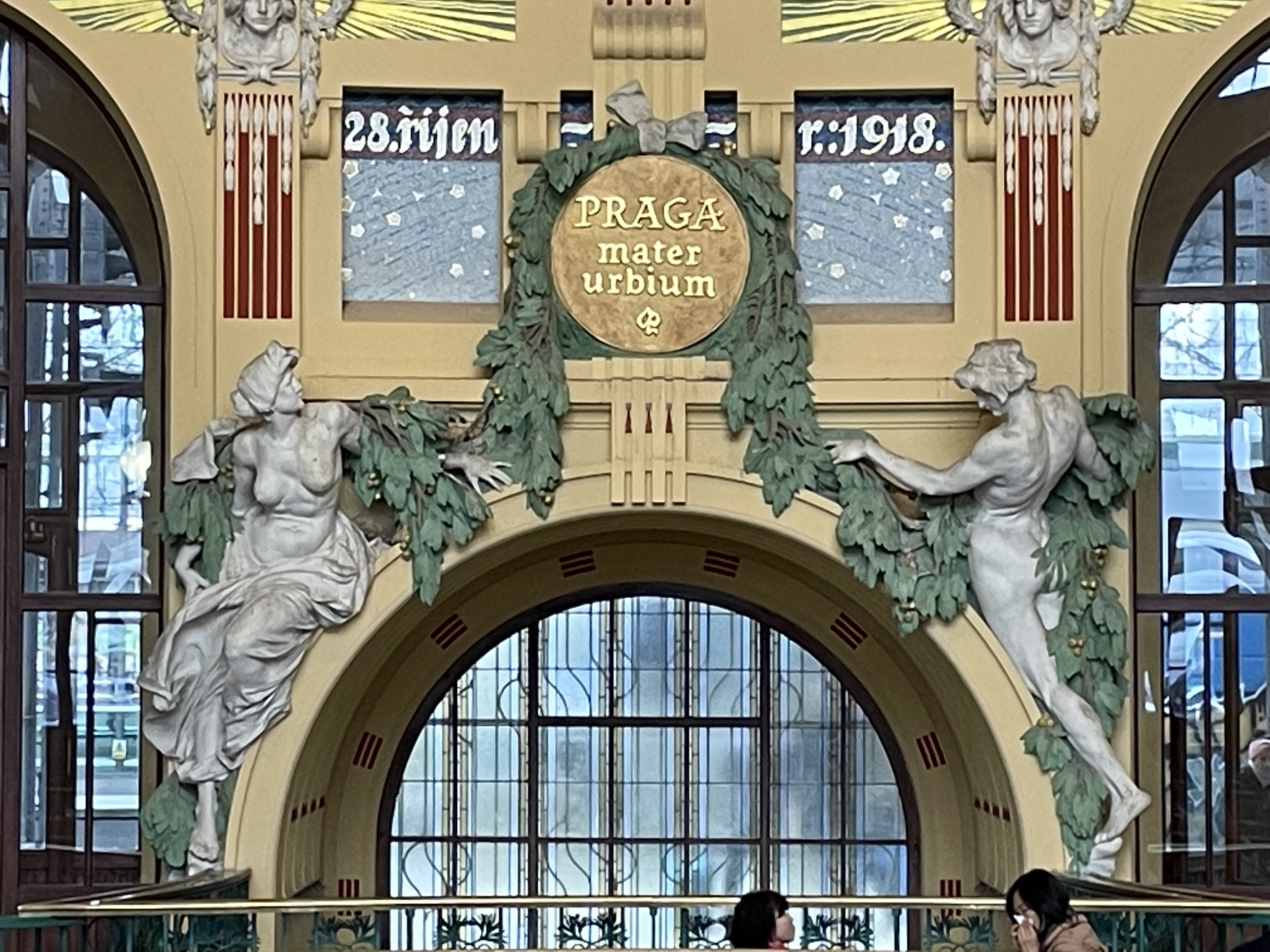
The glories of Prague Station…
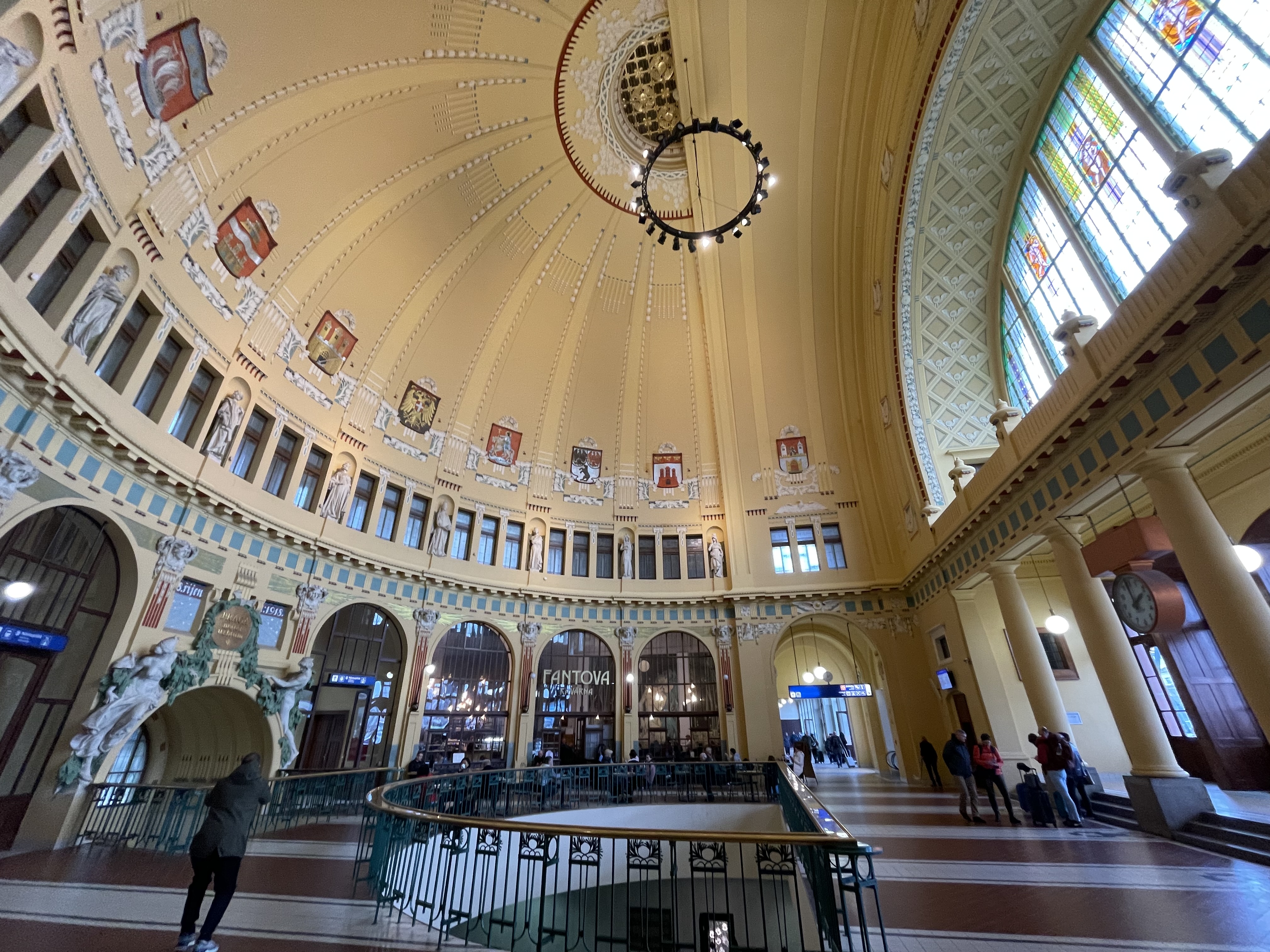
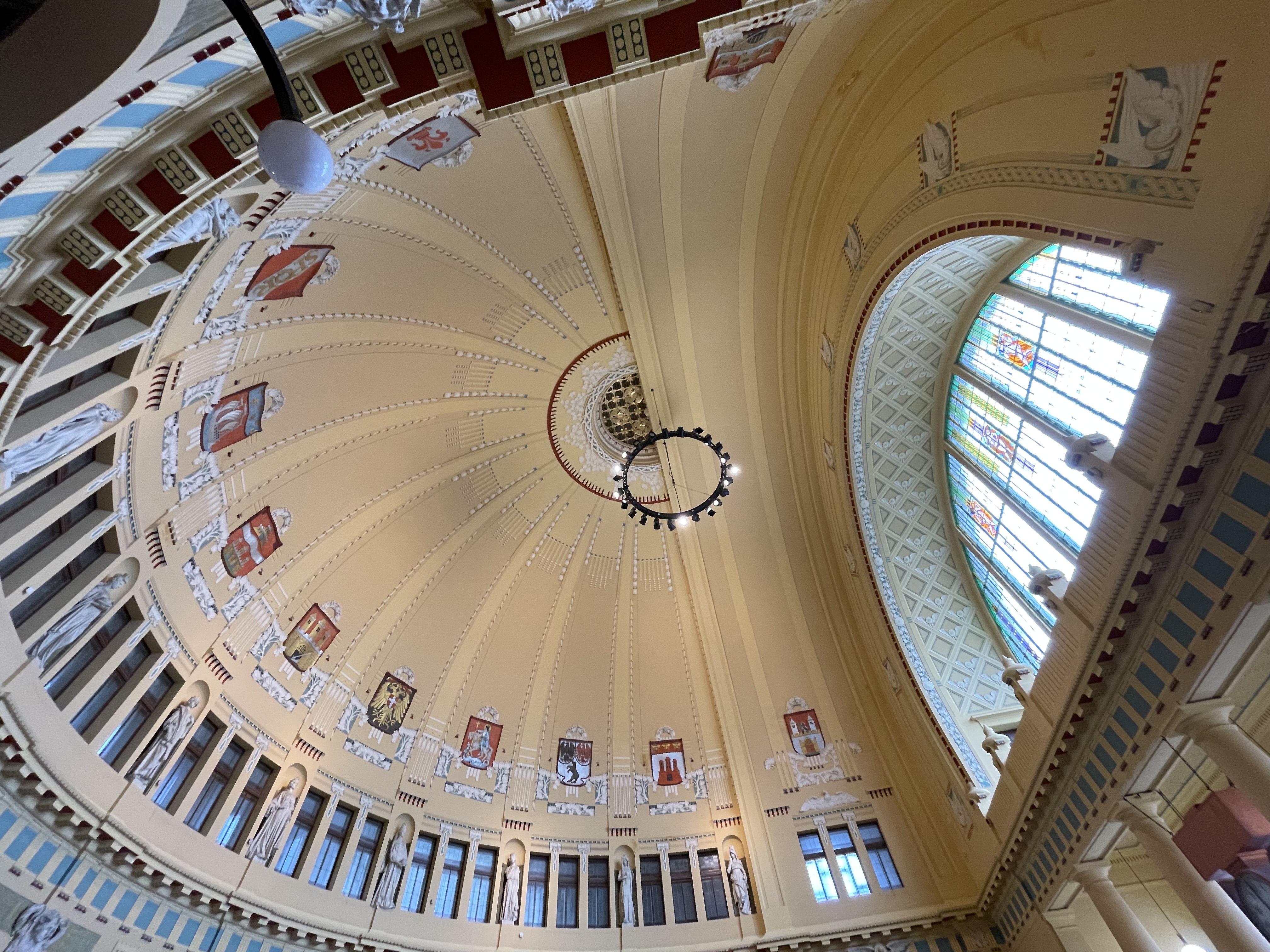
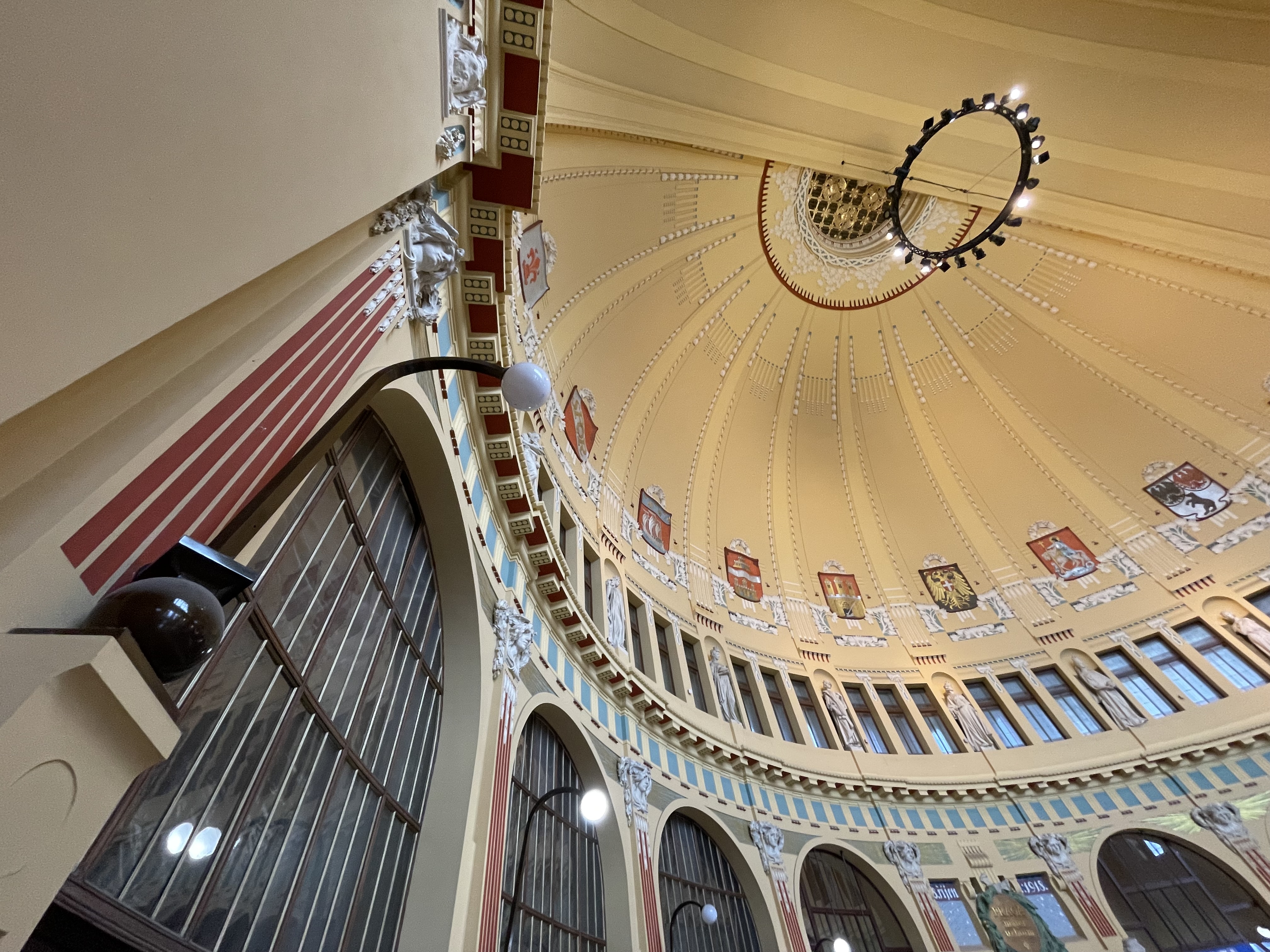
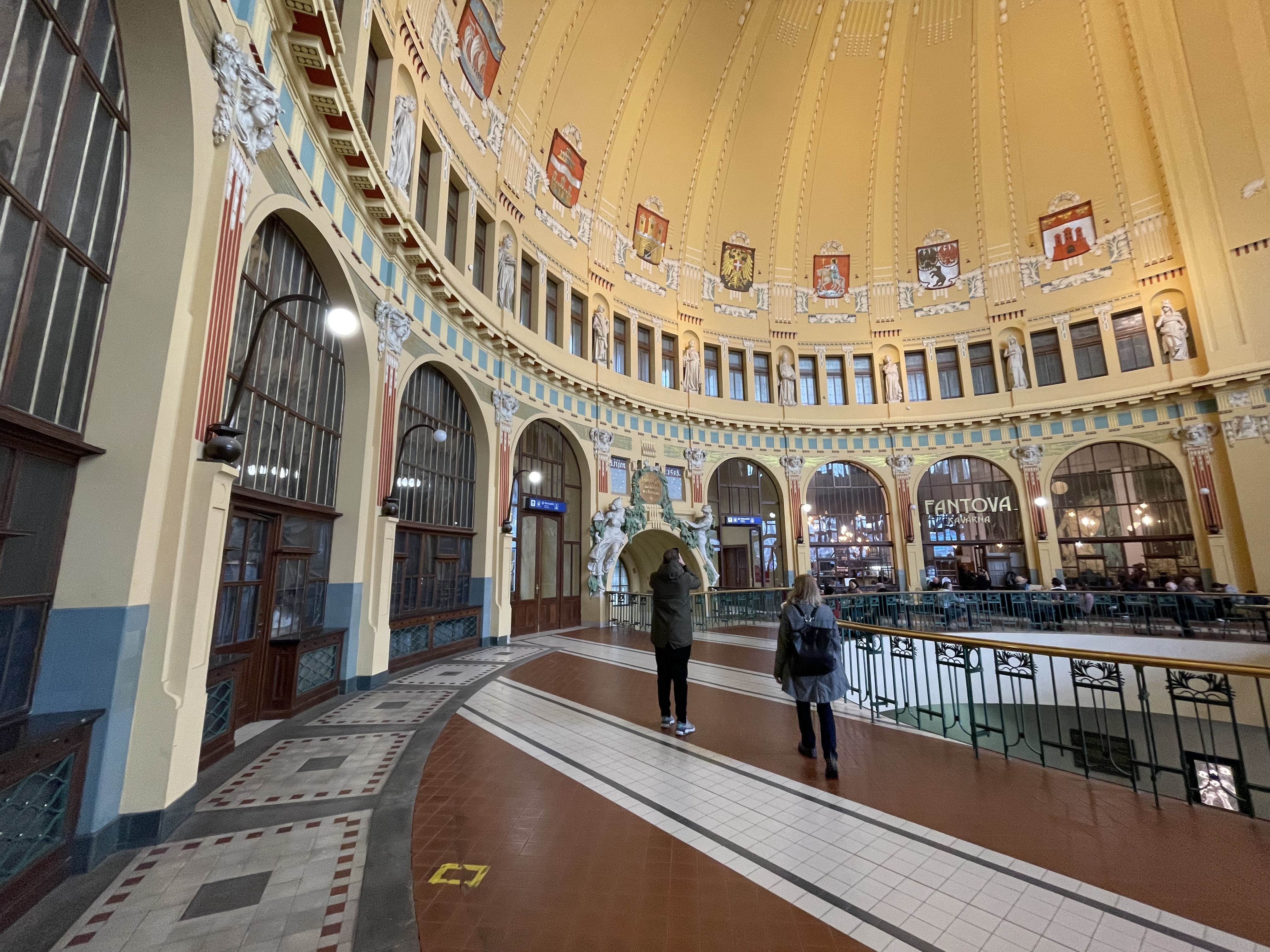
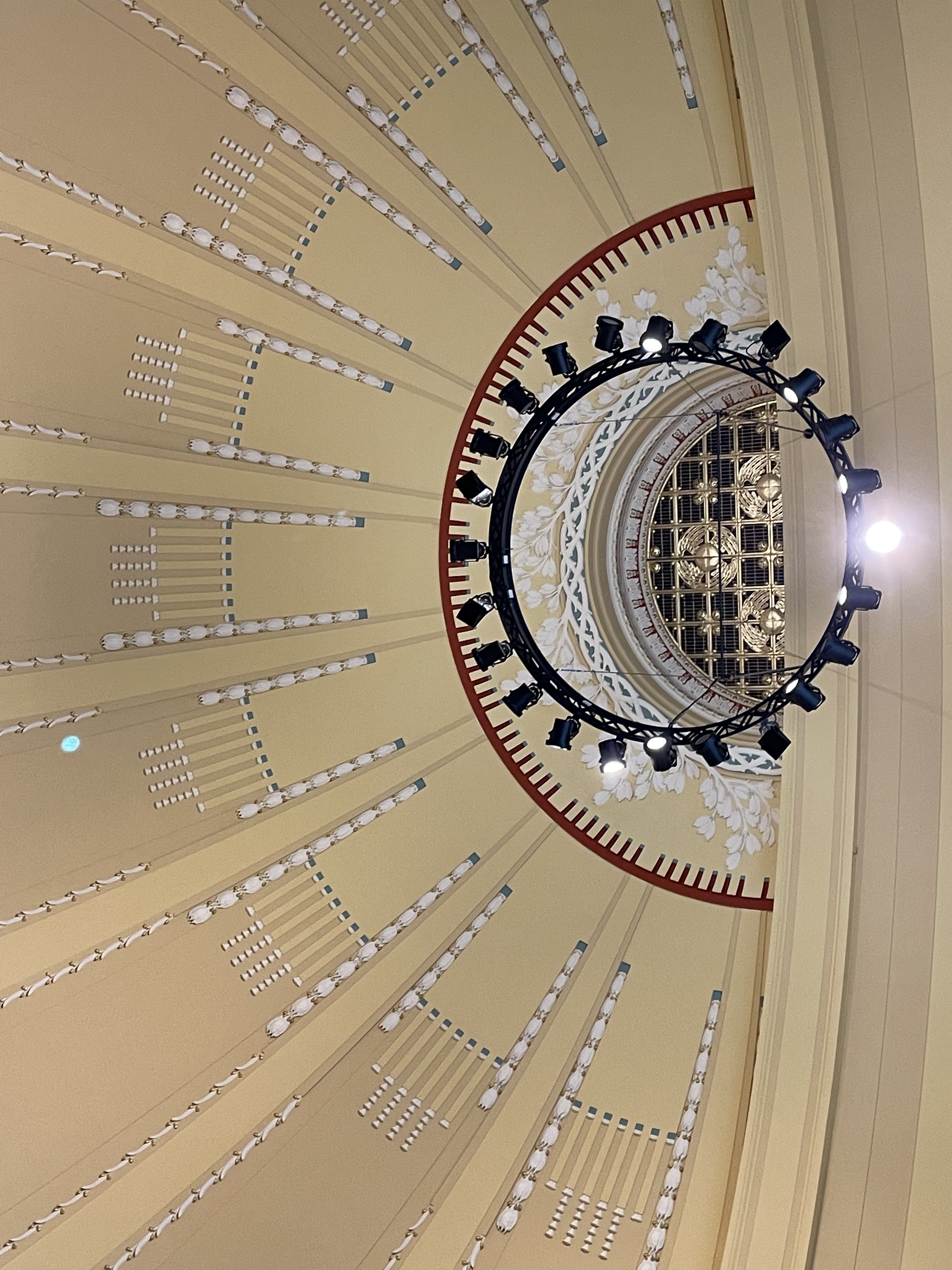
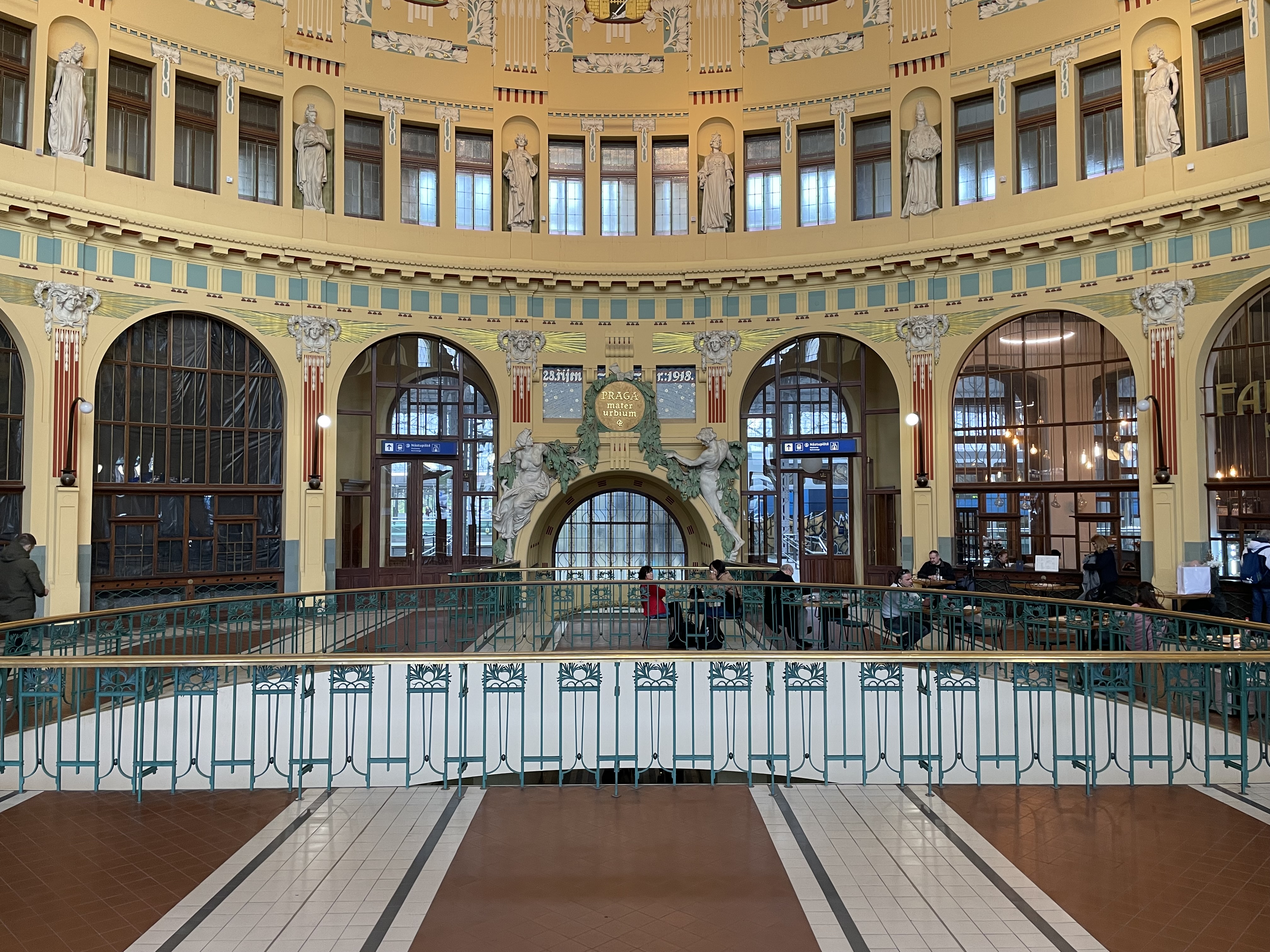
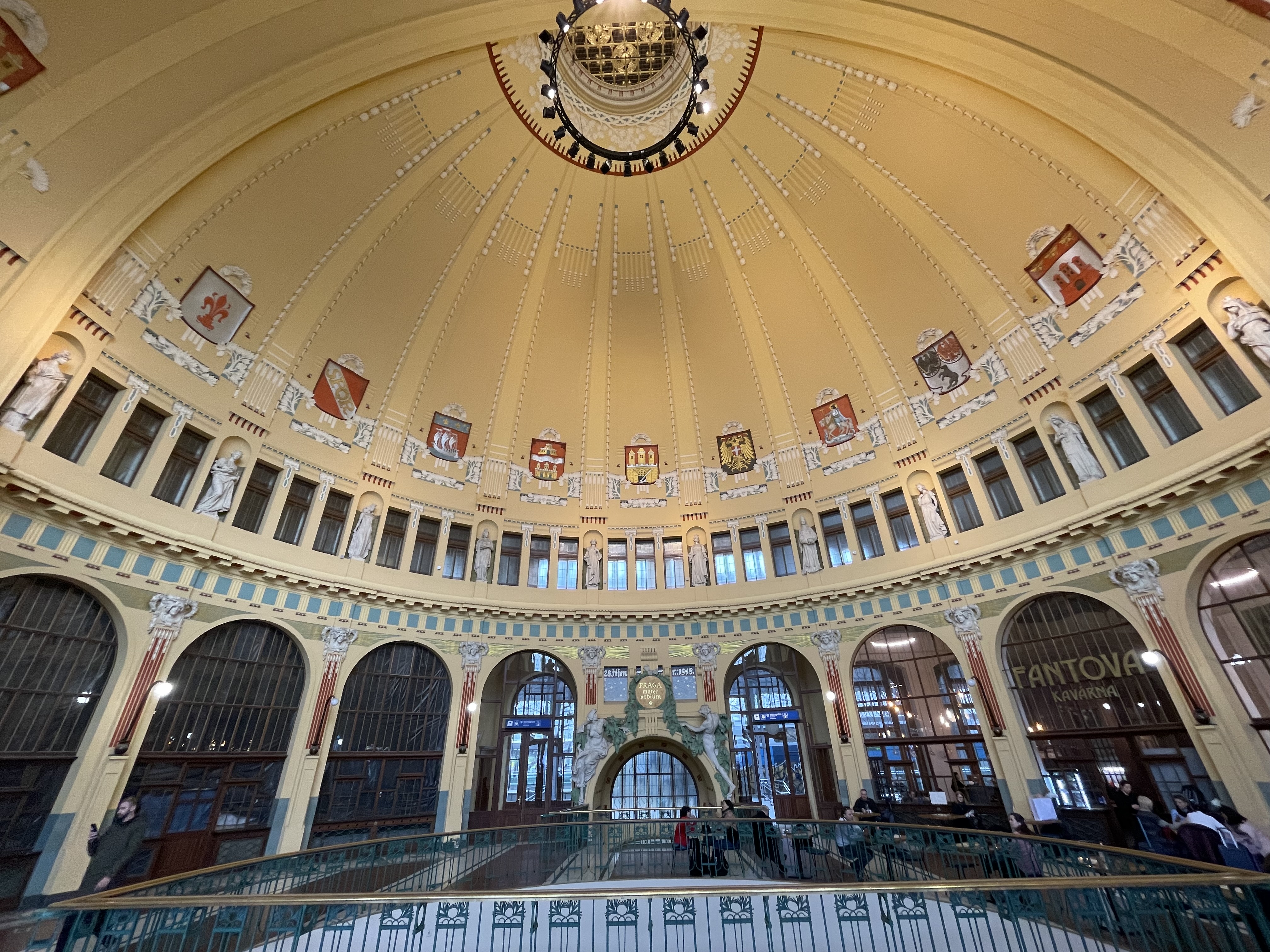
… which, with inscription, celebrates the founding of the Republic of Czechoslovakia in 1918.
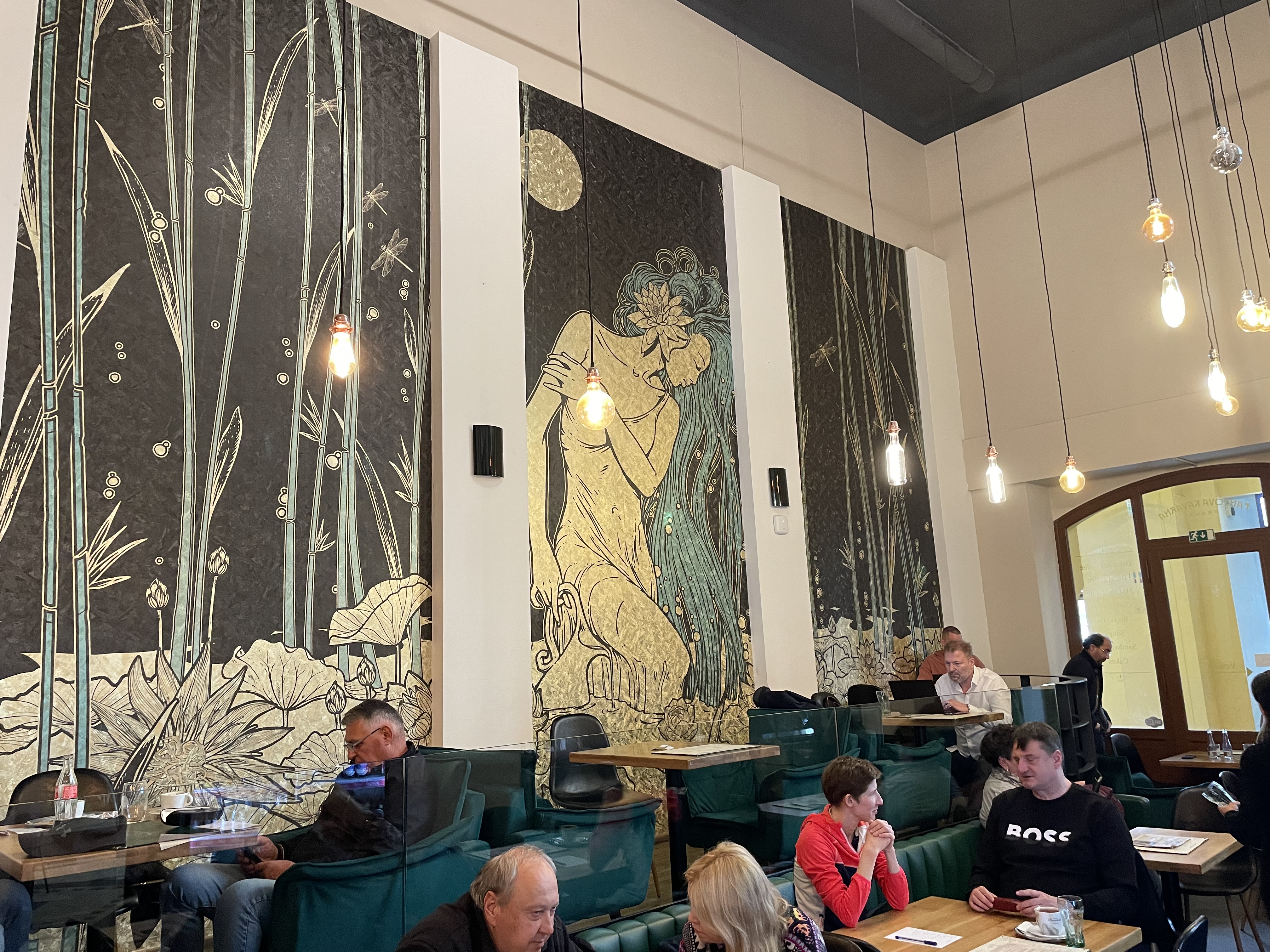
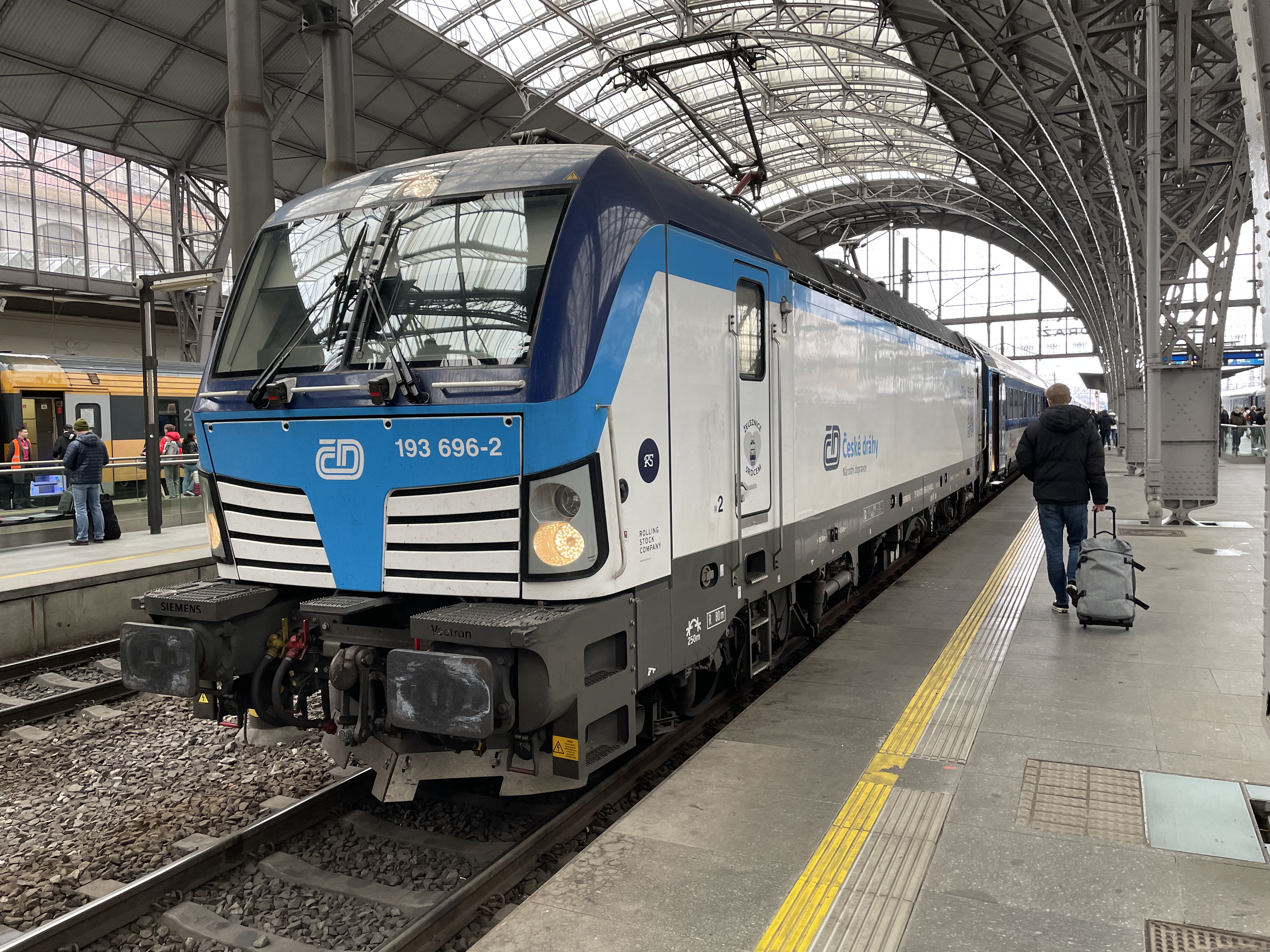
New train to Cheb – staff very pleased (but retaining professional caution)
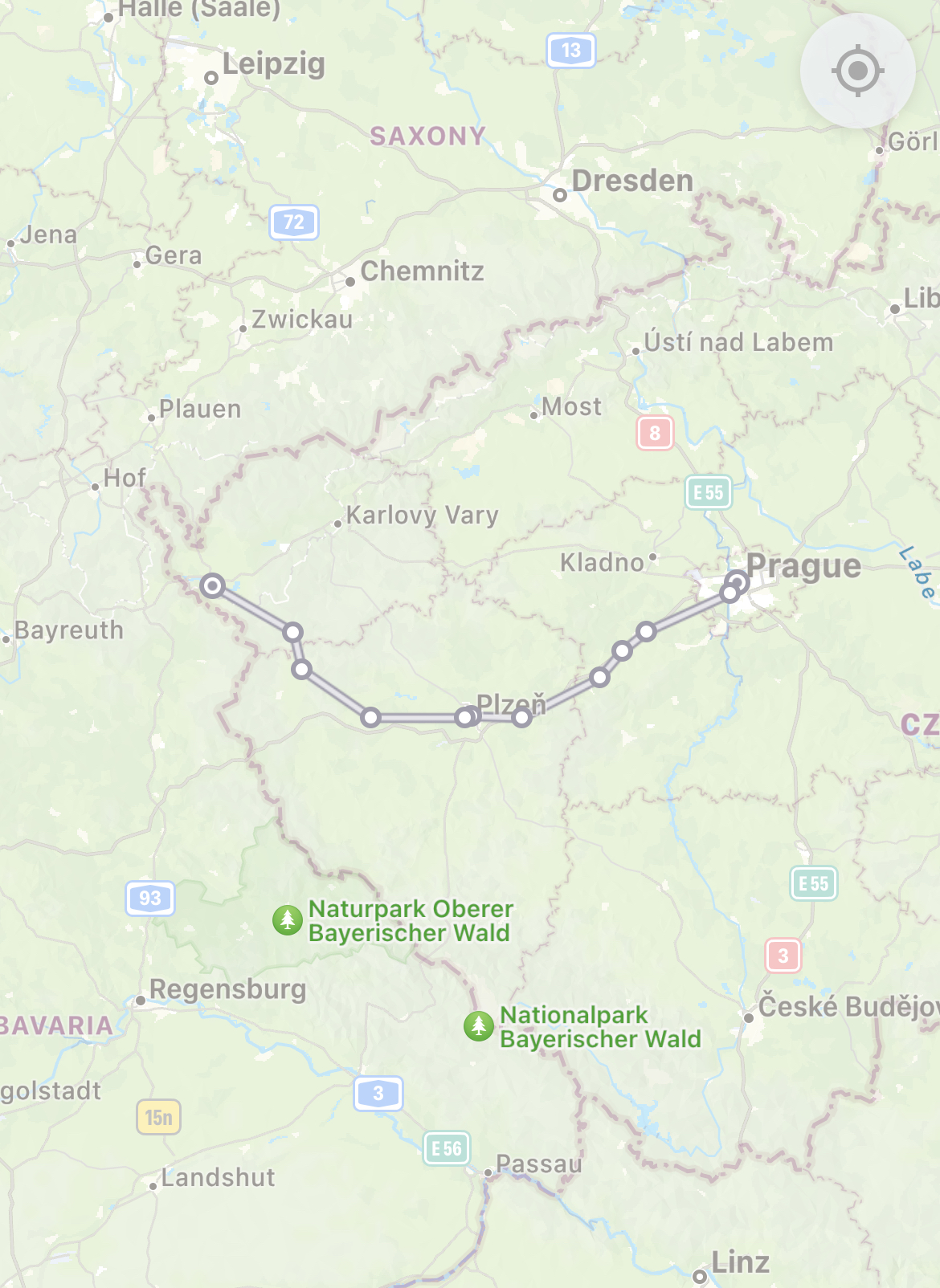
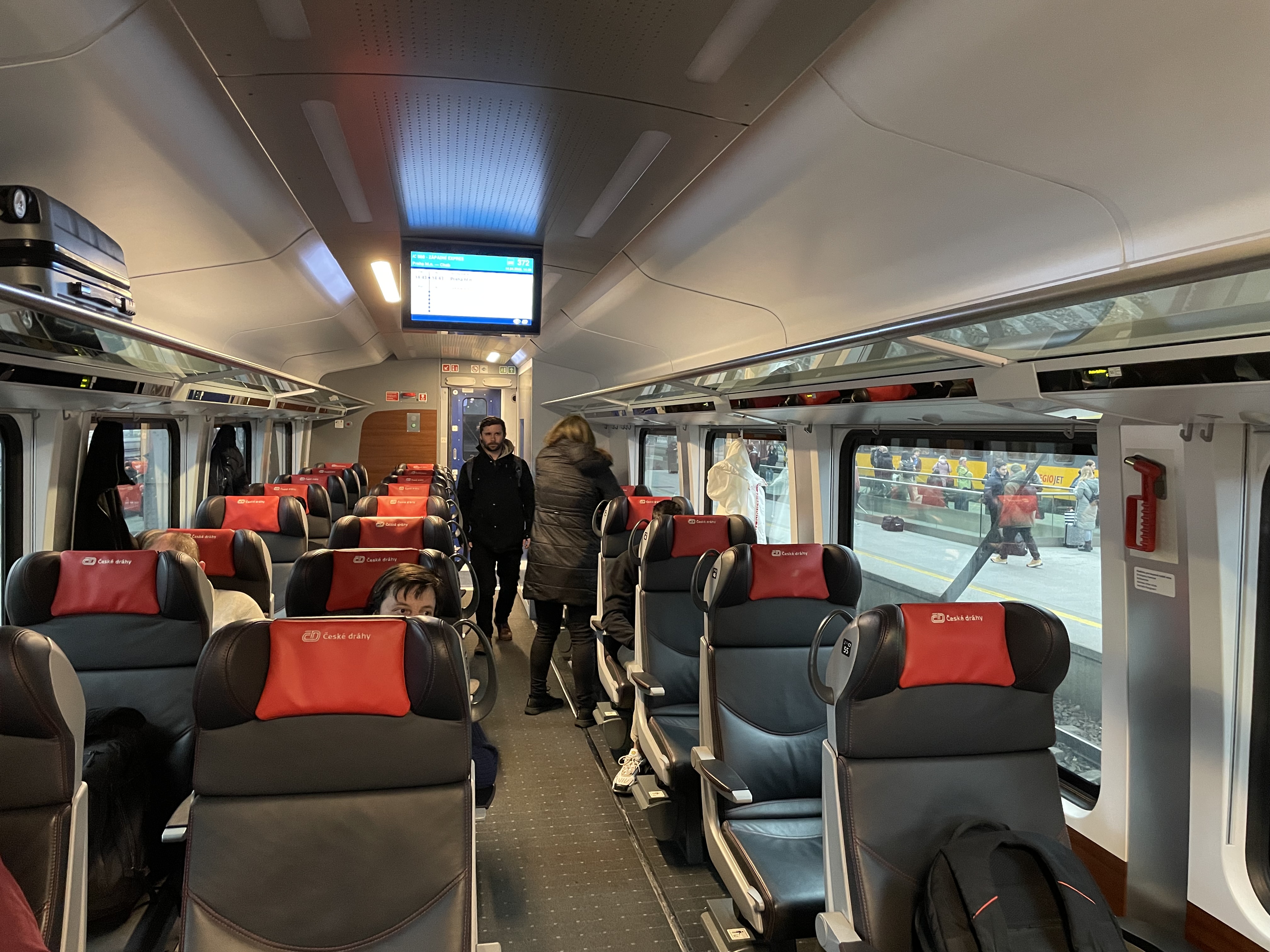
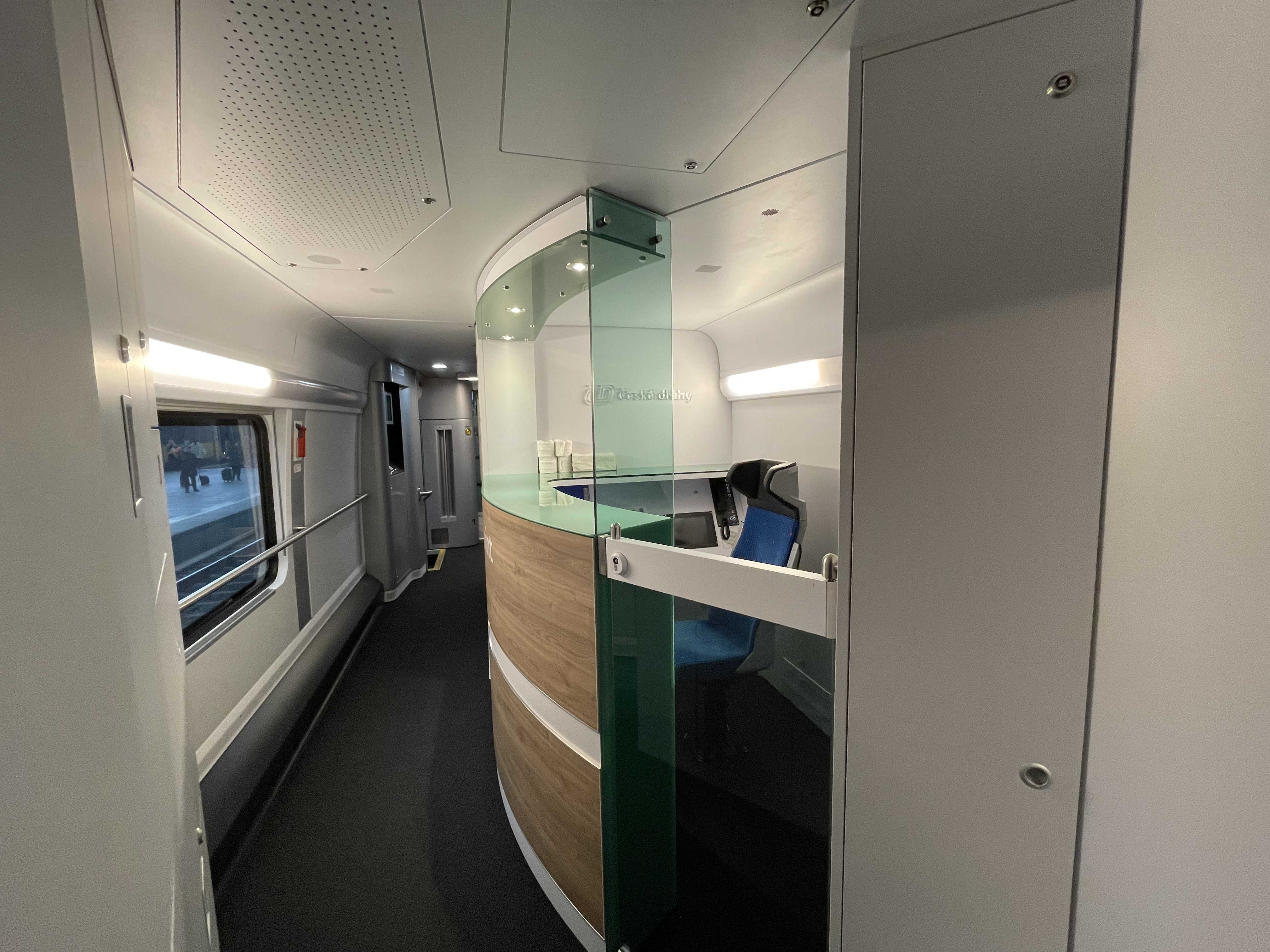
Information Point & children’s section
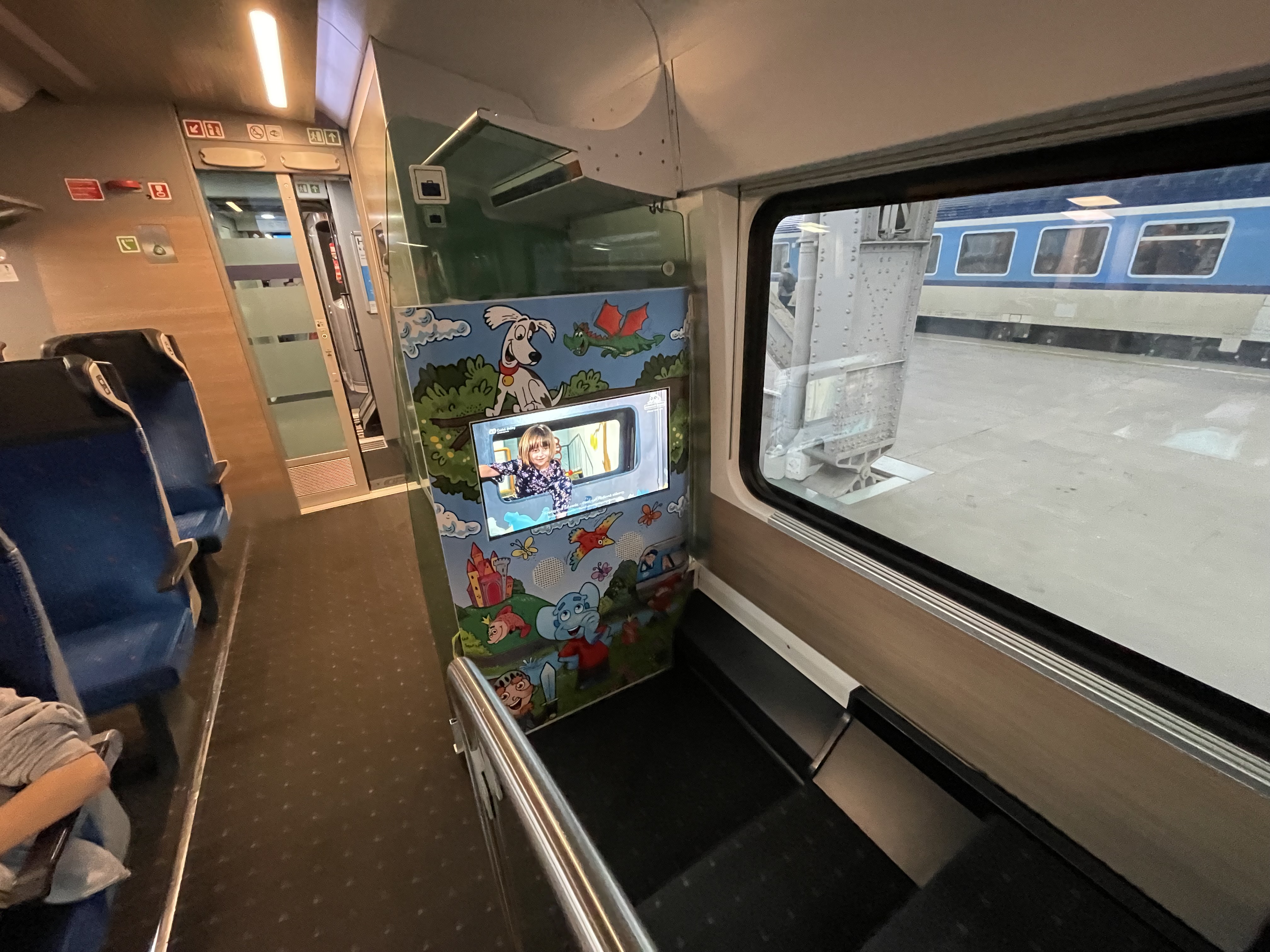
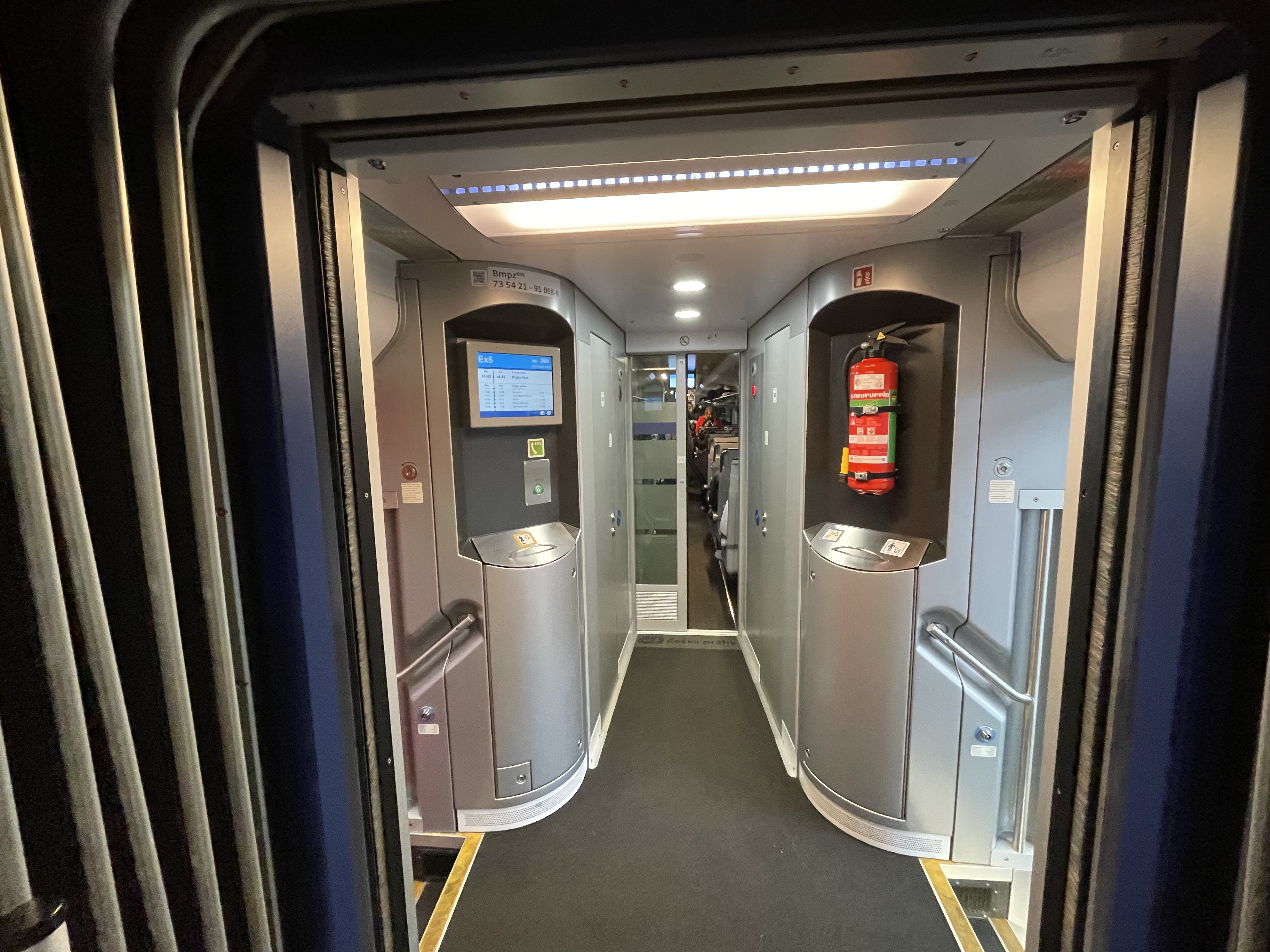
wet Bohemia
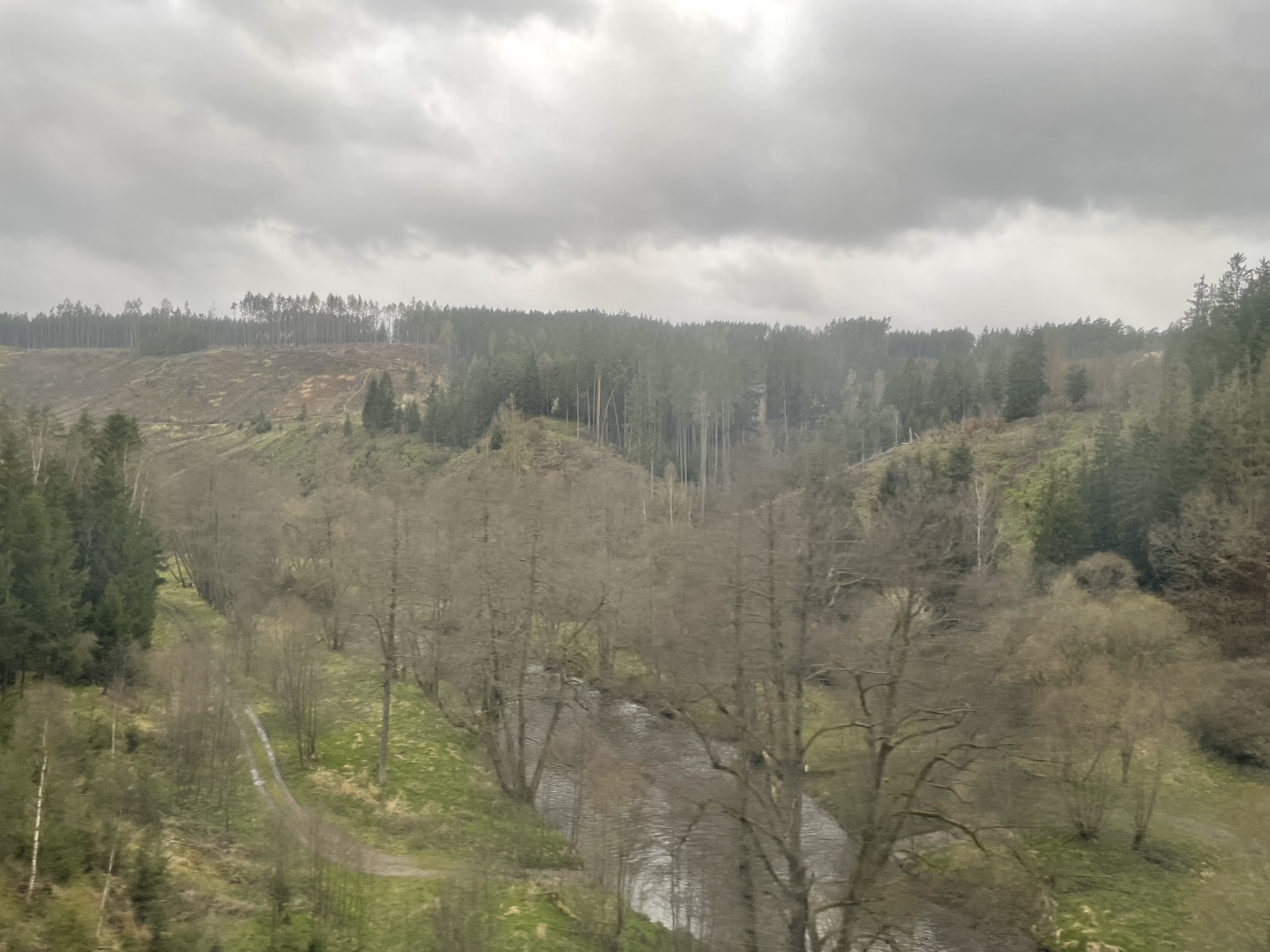
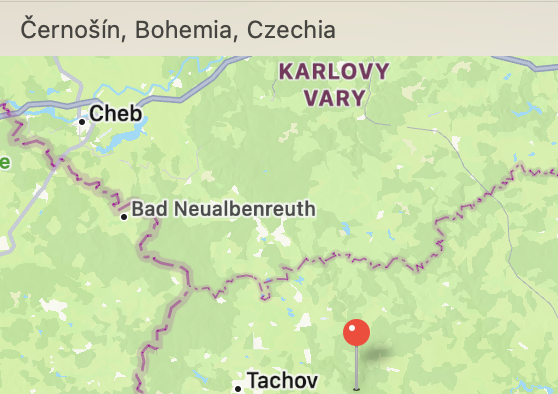
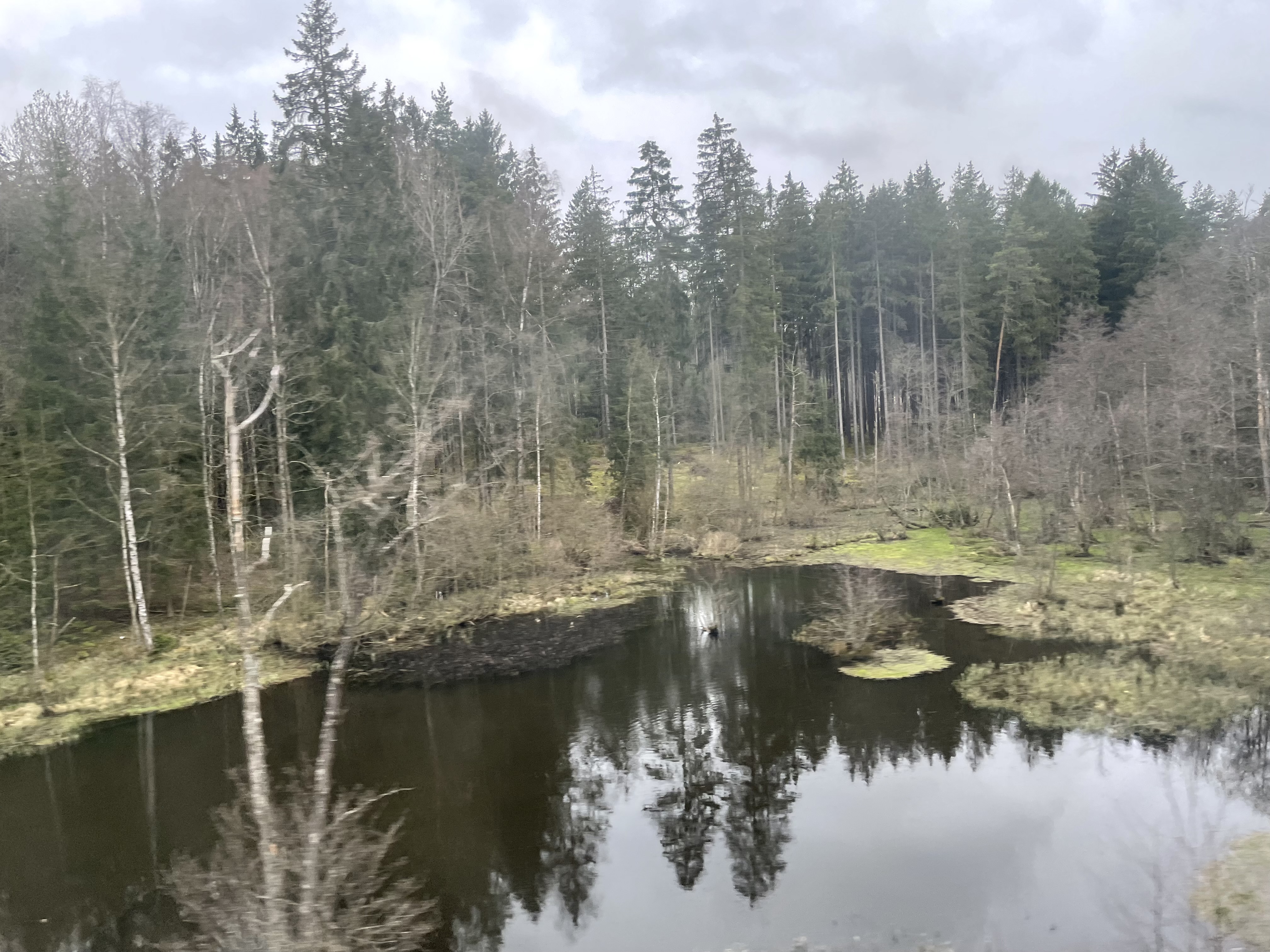
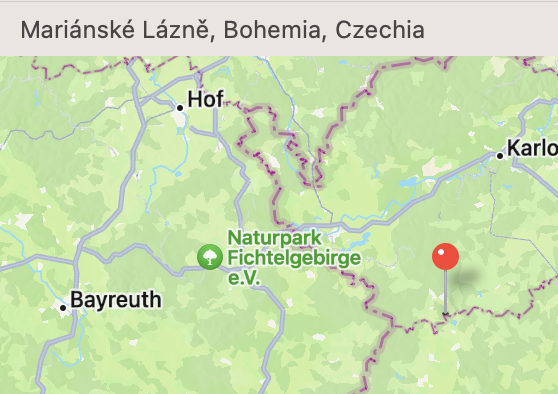
We were late into Cheb but the onward German train was held – allowing a quick transfer, after which we crossed into Germany
Brightening skies
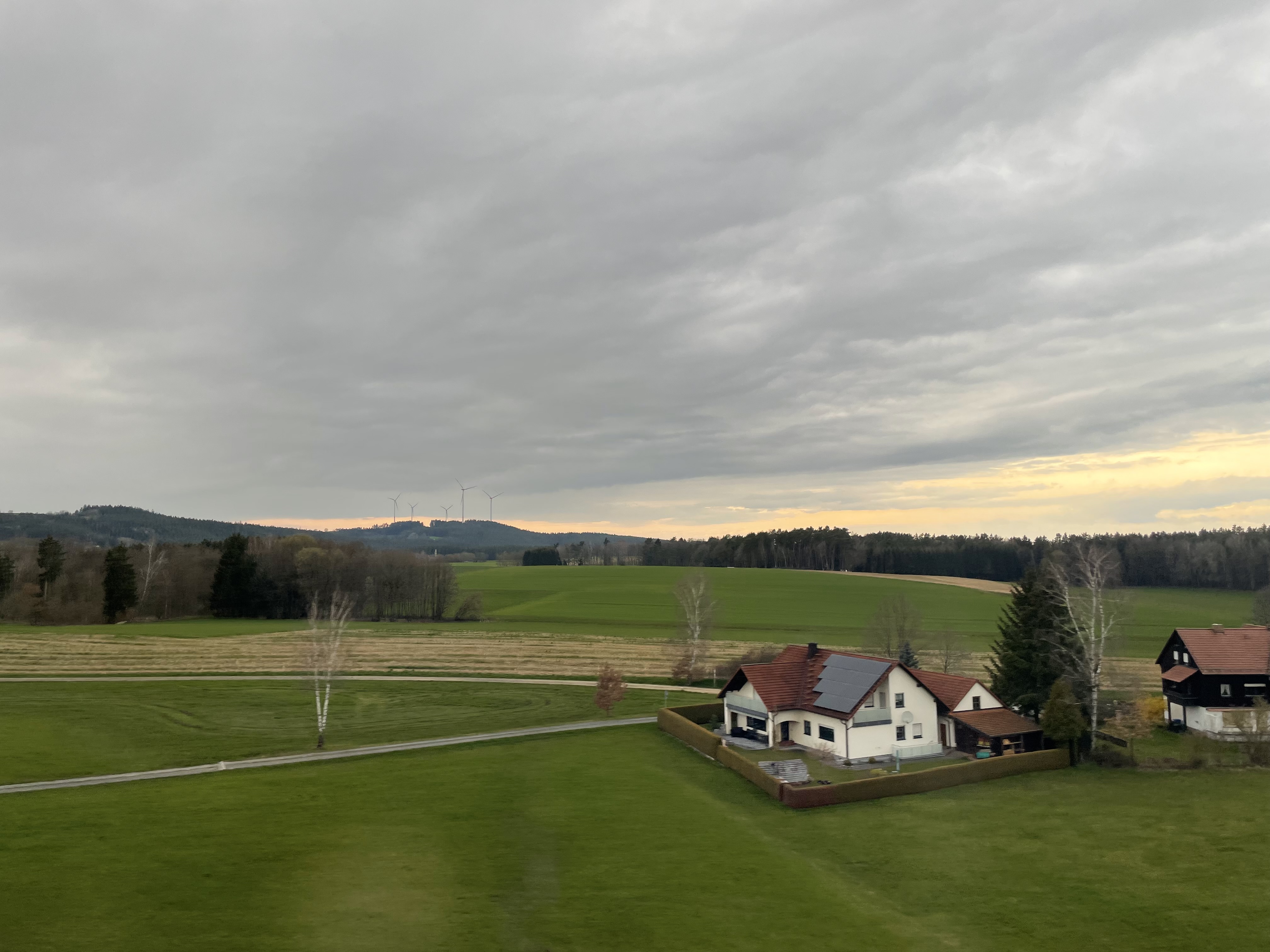
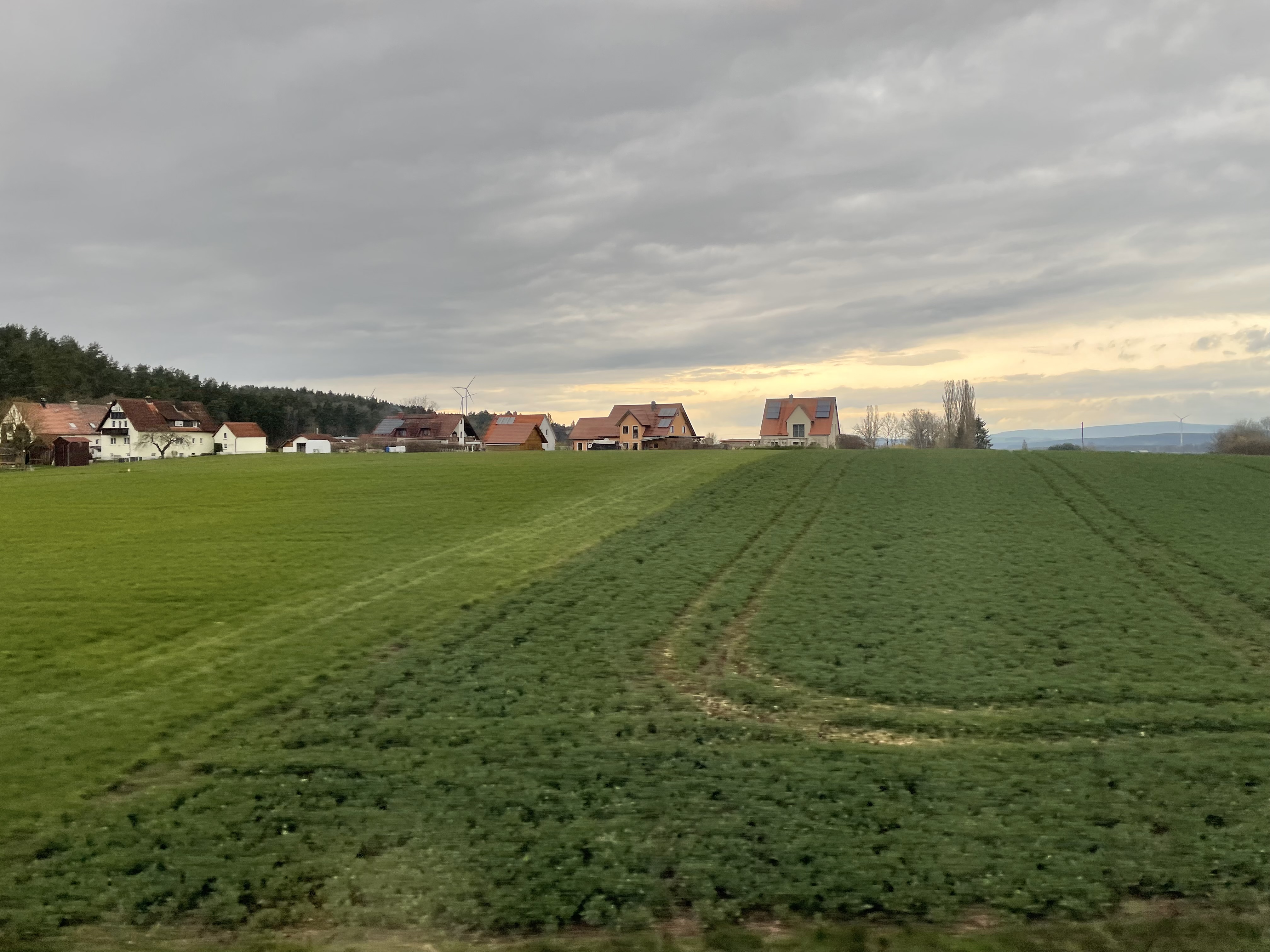
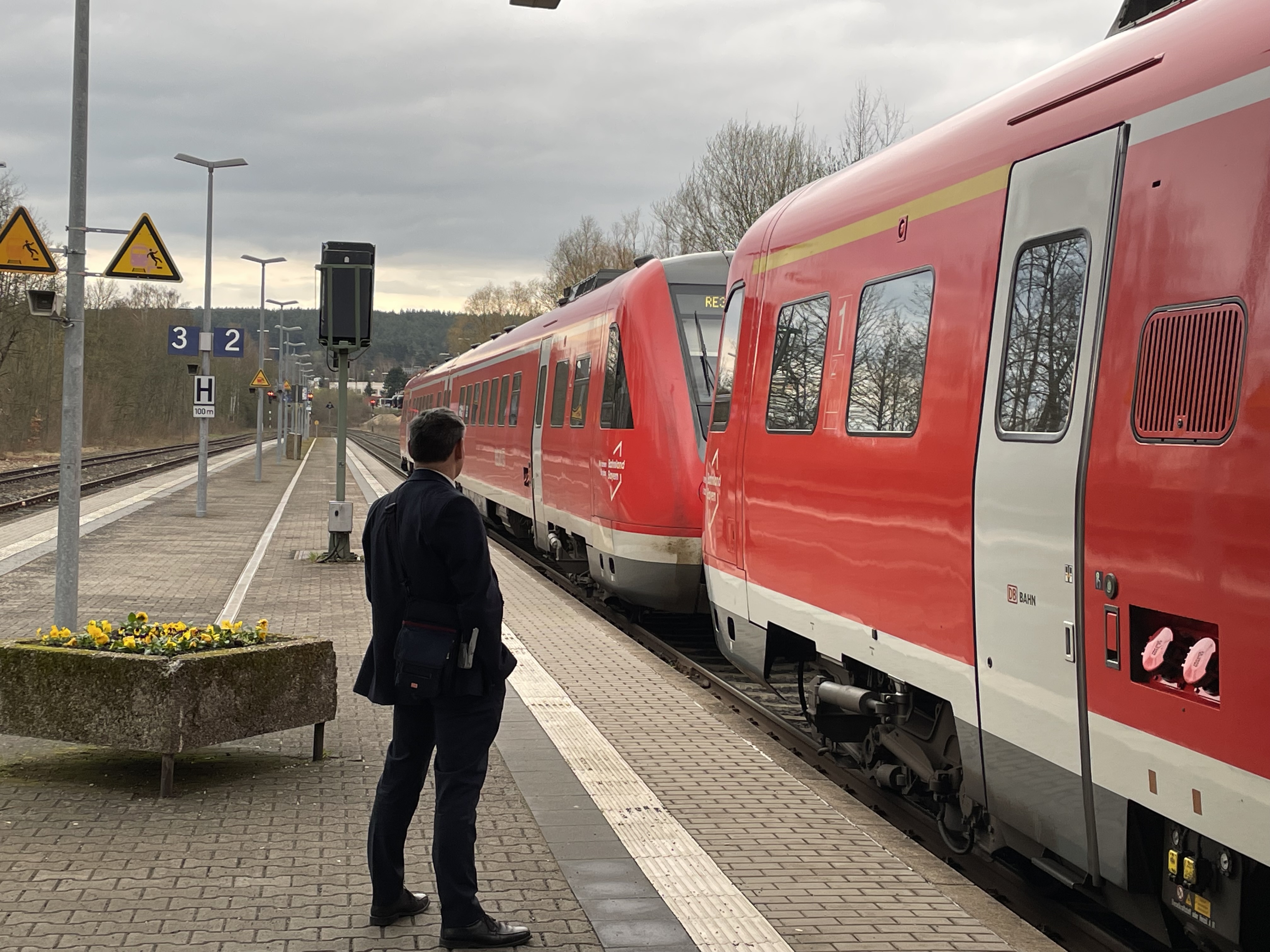
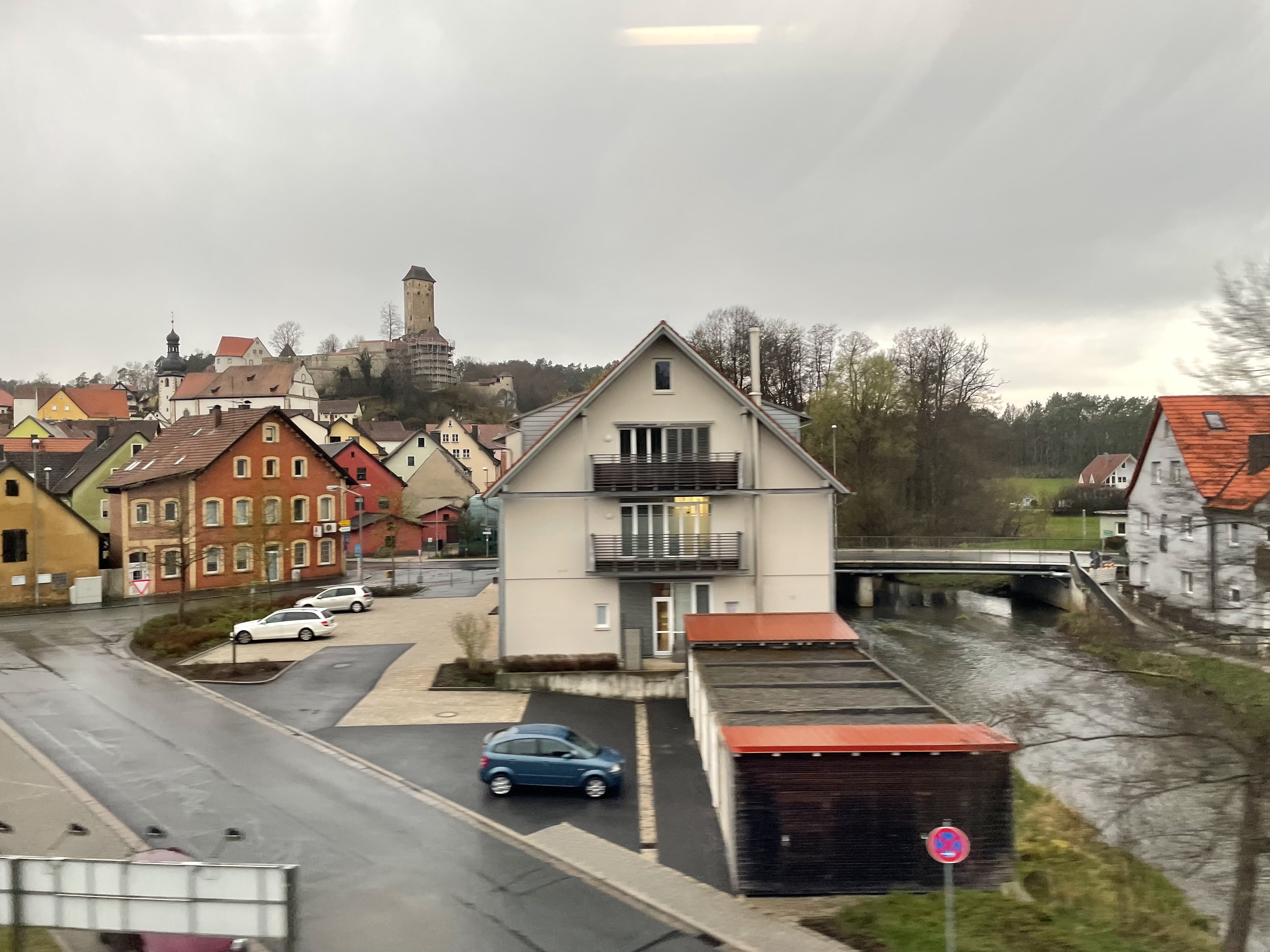

Arrival in Nürnberg, with hotel room overlooking the Haubtbahnhof

 Inspirational Pathways